14 White Cat Breeds With Snow-White Fur And Care Tips
Discover the most beautiful white cat breeds, from Persians to Maine Coons.
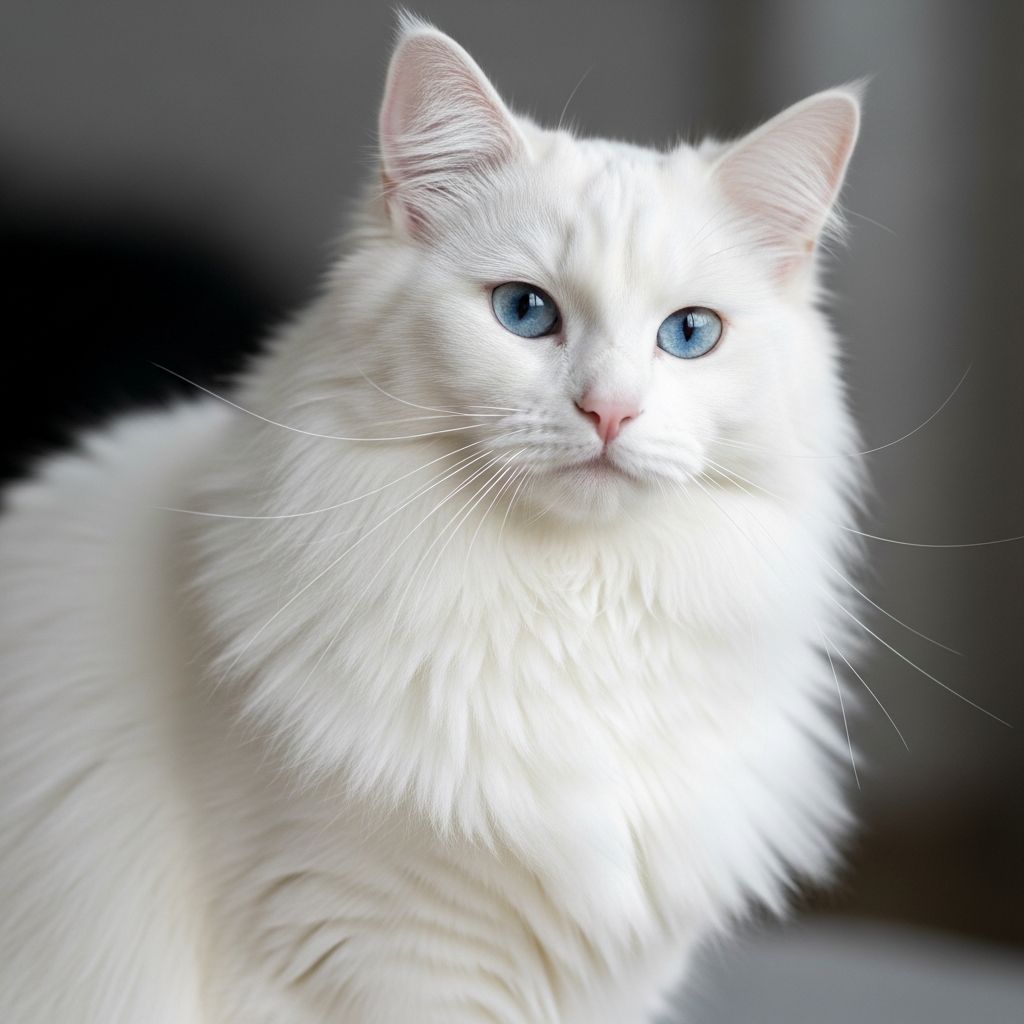
14 White Cat Breeds With Fur Like Snow
White cats are among the most striking and elegant felines, captivating cat lovers with their pristine coats and often mesmerizing eye colors. The beauty of white cats goes beyond their appearance; each breed brings unique personality traits, care requirements, and special considerations that prospective owners should understand. Whether you’re drawn to the gentle nature of Ragdolls or the playful energy of Devon Rex cats, there’s a white cat breed to match nearly every household and lifestyle.
Understanding White Cat Genetics and Characteristics
The stunning white coat in cats is the result of the dominant W gene, known as the masking gene. This gene suppresses melanin production, resulting in the snowy white appearance that makes these cats so visually distinctive. Unlike what many people believe, white cats are not a single color category but rather represent various breeds that can display white coloration. Only about 5% of cats have all-white coats, making them relatively rare in the feline world.
White cats often display unique eye colors including blue, gold, green, and copper. Some white cats even possess heterochromia, a fascinating condition where each eye displays a different color. This occurs when melanocytes migrate to one eye during development but not the other, creating a striking and unusual appearance that makes these cats even more memorable.
It’s important to note that white cats are not albino. Albino cats completely lack melanin and have reddish or pale blue eyes, whereas white cats retain some melanin and pigmentation, which may be visible in dark spots on their paws or noses. This genetic distinction is crucial for understanding the different health considerations between white and albino cats.
Popular White Cat Breeds
1. Persian
Persian cats are mellow, sweet, and undeniably cute, representing one of the most popular white cat breeds available today. These cats are renowned for their distinctively flat faces and luxuriously long hair that comes in numerous colors. A white Persian cat possesses a particularly elegant appearance that exudes sophistication and grace. However, prospective owners should be aware that Persian cats require more maintenance and grooming than most other white cat breeds, with regular brushing essential to keep their long coats healthy and mat-free.
2. Ragdoll
Ragdoll cats are large, fluffy felines with bold blue eyes that seem to gaze directly into your soul. These cats have an easygoing personality and tend to be calm and relaxed when picked up. Their semi-long coat and striking blue eyes make them instantly recognizable, and their gentle temperament makes them excellent family pets. Ragdolls are known for their tendency to go limp when handled, which is how they earned their distinctive name.
3. Siberian
The Siberian cat breed, proudly recognized as the National Cat of Russia, features a long, thick coat available in white and many other colors. These friendly cats are perfect for families who have time for regular brushing and grooming. Siberian cats are known for their ability to be independent when needed, yet they quickly warm to anyone who offers pets or treats. Their thick double coat provides excellent protection and contributes to their robust health and longevity.
4. Devon Rex
The Devon Rex has a unique and distinctive appearance featuring large ears, a broad chest, and a slender body that sets it apart from other breeds. Their coat is found in multiple colors, including white, and is notably short and fragile, requiring minimal grooming. These cats love to play and goof off, making them one of the best white cat breeds for families who want an energetic and entertaining pet. Their playful nature and social personality make them excellent companions for households with children.
5. Maine Coon
Maine Coons are large cats with a long coat and long, fluffy tail that commands attention. This breed comes in many colors and patterns, with white being a particularly striking option. A snowy white Maine Coon cat is truly a sight to behold, showcasing the breed’s impressive size and majestic appearance. However, pet parents should be aware that this fluffy white cat needs to be brushed every day to prevent matting and maintain coat health. Maine Coons are known for their gentle giant temperament despite their substantial size.
6. British Shorthair
The British Shorthair is the epitome of composure and affection, known for their dense, plush coat which can be purely white. This breed exudes an air of nobility while maintaining a laid-back personality. Their round, expressive eyes can be blue, gold, or even odd-colored, adding to their charm. Despite their somewhat reserved nature, British Shorthairs form strong bonds with their families, making them excellent companions for those who appreciate a mix of independence and affection in their pets.
7. American Shorthair
The American Shorthair is celebrated for its versatility and robust health. Sporting a thick, short coat that comes in pristine white among other colors, this breed is the quintessential all-American family cat. Their easygoing nature and adaptability make them a perfect match for households with children and other pets. Known for their playful yet laid-back demeanor, American Shorthairs require minimal grooming, making them an ideal choice for busy pet owners.
8. Oriental Shorthair
The Oriental Shorthair stands out with their sleek, elegant body and a wide array of coat colors, including a striking pure white. This breed is characterized by its large, pointed ears, almond-shaped eyes, and a long, slender tail, contributing to a sophisticated appearance. Beyond their physical traits, Orientals are known for their outgoing and affectionate nature, forming strong bonds with their families. They are highly vocal, expressing their needs and desires openly through various vocalizations.
9. Russian White
The Russian White is a breed that exudes elegance and grace, donning a pristine white coat that shines in contrast to its bright, expressive eyes. Originating as a variant of the Russian Blue, this breed shares the same slender body and refined features but is distinguished by having snow-white fur. Russian Whites are known for their gentle disposition and loyalty, often forming a deep, affectionate bond with their owners. Their plush coat requires minimal grooming, making them a low-maintenance companion.
Health Considerations for White Cats
Deafness in White Cats
One of the most significant health considerations for white cats is the increased risk of deafness. The W gene that creates white coloration also causes a reduction of melanin-producing cells called melanoblasts. These melanoblasts migrate to the ear during development, where they play a critical role in maintaining and regulating the chemical balance necessary for proper hearing. Without adequate melanoblasts, chemical imbalances cause the delicate hairs of the inner ear to die, resulting in deafness.
Research shows that about 80% of white cats with two blue eyes experience deafness at around four days old, when their inner ear hairs begin to die. However, cats with white spots and all-white kittens with a colored splotch on their heads have little to no risk of this type of deafness. Cats with heterochromia might be deaf on the same side as their blue eye. While this type of deafness in cats cannot be cured, there are many strategies for managing it and training cats with hearing loss to live full, happy lives indoors.
Sun Sensitivity and Skin Cancer
White cats are melanin deficient, meaning they cannot tolerate sunlight as much as colored cats. Repeated exposure to sunlight can cause a certain type of skin cancer that is particularly painful and located in sensitive areas where there isn’t much hair—such as the ears, eyelids, and nose. This disease can be fatal if not diagnosed early, making sun protection an essential part of white cat care.
Pet parents of white cats should consider providing shaded outdoor areas, limiting direct sunlight exposure during peak hours, and in some cases applying pet-safe sunscreen to vulnerable areas. Indoor living with access to screened porches or cat enclosures is often recommended for white cats, particularly those with blue eyes.
Grooming and Care Requirements
Different white cat breeds have varying grooming needs based on their coat type and length. Long-haired white breeds like Persians, Siberians, and Maine Coons require daily brushing to prevent matting and keep their coats pristine. Short-haired white breeds like American Shorthairs and British Shorthairs require less frequent grooming but still benefit from regular brushing to remove loose hair and maintain coat health.
All white cats benefit from regular dental care, nail trimming, and ear cleaning. Because some white cats are prone to deafness or other hearing issues, regular veterinary check-ups are particularly important to monitor their hearing health and overall well-being. Indoor living is recommended for white cats, especially those with blue eyes, to protect them from sun exposure and hearing-related dangers.
Personality Traits Common to White Cat Breeds
While each white cat breed has unique personality characteristics, many share certain traits. Most white cats are known for being affectionate and social when properly socialized from a young age. They tend to form strong bonds with their families and enjoy interactive play and companionship. Many white cat breeds are also relatively calm and laid-back compared to some other cat breeds, though there are exceptions like the energetic Devon Rex.
White cats are often highly adaptable to different living situations and can thrive in both apartment and house environments when their specific needs are met. Their elegant appearance combined with generally friendly personalities makes them excellent choices for first-time cat owners and experienced feline enthusiasts alike.
Choosing the Right White Cat Breed for Your Home
When selecting a white cat breed, consider your lifestyle, available time for grooming, living space, and family situation. If you have limited time for grooming, short-haired breeds like American Shorthairs or British Shorthairs may be ideal. If you enjoy regular grooming and have time to dedicate to coat maintenance, longer-haired breeds like Persians or Maine Coons might be perfect for you.
Consider whether you want a highly active and playful cat like a Devon Rex or a calmer, more laid-back companion like a British Shorthair. Think about your climate, outdoor access, and ability to provide sun protection. If you have other pets or young children, research how specific breeds interact with them.
Frequently Asked Questions (FAQs)
Q: Are white cats always deaf?
A: No, not all white cats are deaf. While about 80% of white cats with two blue eyes experience deafness, white cats with other eye colors or white cats with colored spots are much less likely to be deaf. Many white cats have normal hearing and live perfectly healthy lives.
Q: Can white cats go outside?
A: White cats can go outside, but precautions are necessary. They are prone to sunburn and skin cancer due to their lack of melanin. If they go outside, it should be in shaded areas with sun protection, and outdoor time should be limited during peak sunlight hours. Many experts recommend keeping white cats primarily indoors for their safety and health.
Q: How often should I groom my white cat?
A: Grooming frequency depends on the breed. Long-haired white cats like Persians and Maine Coons need daily brushing, while short-haired breeds like American Shorthairs need brushing 1-2 times per week. Regular grooming keeps their coat healthy and helps maintain their pristine appearance.
Q: Are white cats more prone to health problems?
A: The main health problems associated with white cats are deafness and skin cancer risk. Most other health issues are unrelated to coat color. Regular veterinary check-ups and appropriate sun protection can help minimize these risks.
Q: What should I do if my white cat is deaf?
A: Deaf cats can live full, happy lives with proper management. Keep them indoors for safety, use visual signals and vibrations for communication, and consider using a vibrating collar for alerts. Many deaf cats adjust remarkably well to their condition with patient training and a safe environment.
References
- All About White Cats: 10 Wonderful White Cat Facts — Rover.com. https://www.rover.com/blog/white-cats/
- White cats and health problems — TheCatSite. https://thecatsite.com/threads/white-cats-and-health-problems.193594/
- White Cats Facts – What You Need To Know — YouTube. https://www.youtube.com/watch?v=TjEMJgRQQ_s
- 20 White Cat Breeds: The Ultimate Guide — PetSafe. https://www.petsafe.com/blog/white-cat-breeds-ultimate-guide/
Similar Articles








Read full bio of Sneha Tete