

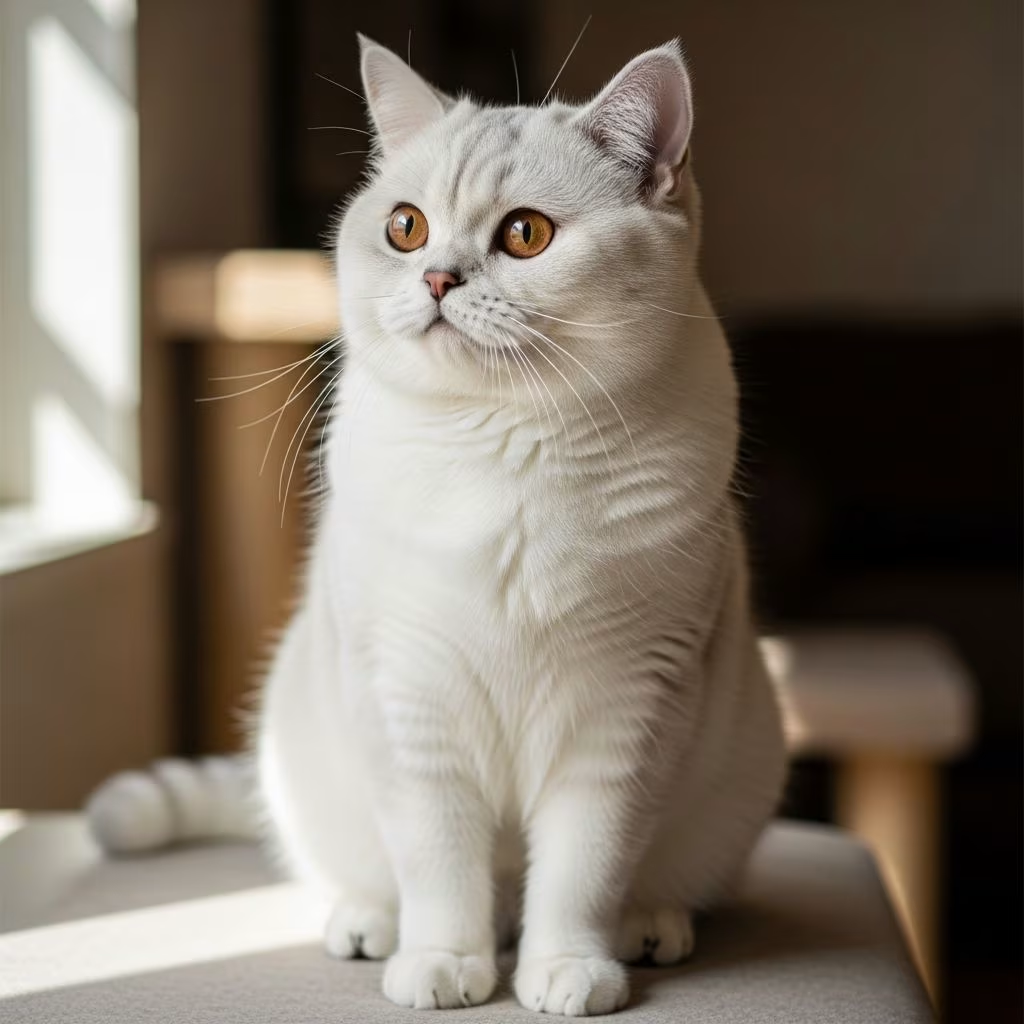
The white British Shorthair stands out as a striking variant of one of the oldest and most beloved cat breeds, prized for its pristine coat, robust physique, and serene disposition. This guide delves into every aspect of this elegant feline, helping prospective owners understand what makes it an exceptional pet choice.
Origins and Historical Background
The British Shorthair breed traces its roots back centuries in the United Kingdom, evolving from domestic cats that served as skilled rodent hunters on farms and in homes. Historical records suggest these sturdy cats were depicted in Roman art and later became fixtures in Victorian households, where selective breeding refined their traits into the powerful, compact form we recognize today.
The white color variation emerged through careful breeding efforts to produce solid white coats without tipping or shading, adhering to strict standards set by organizations like The Cat Fanciers’ Association (CFA). Unlike other colors such as the iconic British Blue (dilute blue-gray), the white British Shorthair demands a pure, untipped white from root to tip, often paired with vivid eye colors like deep sapphire blue, gold, or copper. Odd-eyed whites, featuring one blue and one gold eye, add a unique allure while meeting breed specifications.
By the early 20th century, British Shorthairs faced near extinction due to wartime shortages and crossbreeding, but dedicated breeders revived the line post-World War II using imported cats from diverse regions. Today, the white variant thrives in show rings and homes worldwide, symbolizing the breed’s enduring legacy of resilience and adaptability.
Distinctive Physical Characteristics
British Shorthairs, including the white ones, embody a compact, muscular build that conveys strength without bulkiness. They feature a broad, rounded head with full cheeks, a firm chin, and medium-sized ears set wide apart. Their large, round eyes provide an expressive, alert gaze, enhancing their teddy bear-like charm.
The body is semi-cobby—stocky yet balanced—with a deep chest, level back, and short, strong legs ending in round paws. A medium-length tail thickens at the base, tapering to a rounded tip. Males often display more massive frames, while females retain a slightly more refined elegance.
The hallmark of the white British Shorthair is its short, dense, plush coat: crisp, resilient, and pure white without yellow tinges or ghost markings. Nose leather and paw pads are pink, complementing the coat’s immaculate appearance. This coat stands apart from double-coated or woolly textures, snapping back neatly when stroked against the grain.
| Feature | Description | White Variant Specifics |
|---|---|---|
| Head | Round with wide-set ears and chubby cheeks | Supports open, sweet expression |
| Body | Compact, muscular, broad chest | Powerful torso, short legs |
| Coat | Short, dense, plush | Pure white, untipped, pink pads |
| Eyes | Large, round, well-open | Sapphire blue, gold/copper, or odd-eyed |
| Tail | Medium, thick base, rounded tip | Proportional to body mass |
Temperament and Behavioral Traits
Renowned for their calm, easygoing nature, white British Shorthairs make ideal companions for diverse households. They exhibit a reserved demeanor initially, warming up to show quiet affection without demanding constant interaction. These cats prefer supervising family activities from afar, joining laps only upon invitation rather than leaping unbidden.
Intelligent and observant, they quickly learn household routines, following owners room-to-room with gentle paw taps if disruptions occur. Vocalizations are minimal—soft chirps or trills rather than yowls—preserving their peaceful presence. Males tend to be affable and commanding, while females display a more dignified reserve.
- Adaptability: Easily adjusts to new pets, including dogs, often asserting gentle dominance.
- Family-Friendly: Patient with children but dislikes being carried; teach kids respectful handling.
- Independence: Content alone for short periods, thriving on routine rather than clinginess.
- Play Style: Moderately playful with toys, graceful despite size, non-destructive.
Socialization from kittenhood enhances their adaptability, making them low-maintenance for first-time owners.
Health Considerations and Lifespan
British Shorthairs generally enjoy robust health, with a typical lifespan of 12-20 years when properly cared for. Their sturdy genetics contribute to resilience, but vigilance against breed predispositions is key.
Common concerns include hypertrophic cardiomyopathy (HCM), a heart condition monitored via screening; obesity due to sedentary tendencies; and polycystic kidney disease (PKD), though less prevalent in modern lines. Regular vet check-ups, including ultrasounds for at-risk cats, mitigate these risks.
- Monitor weight: Their love of lounging can lead to overeating; portion control is essential.
- Dental health: Strong jaws benefit from routine brushing to prevent tartar buildup.
- Eye care: Whites may be prone to light sensitivity; provide shaded resting spots.
Choose breeders who health-test parents, prioritizing those affiliated with CFA or TICA for ethical standards.
Grooming and Daily Maintenance
The white British Shorthair’s coat requires minimal upkeep thanks to its self-cleaning density. Weekly brushing removes loose fur and distributes natural oils, preventing mats while showcasing the pristine white sheen. During shedding seasons, more frequent sessions curb hairballs.
Bathe only if necessary, using cat-safe shampoos to maintain coat purity. Nail trims every 2-3 weeks, ear cleaning monthly, and daily dental care support overall hygiene. Their low-activity lifestyle suits litter-trained independence, but scoop boxes daily.
Nutrition and Exercise Needs
Feed high-quality, protein-rich kibble or wet food tailored to their age and activity level. Adults need 200-300 calories daily, divided into meals to prevent obesity. Fresh water is non-negotiable, with fountains encouraging hydration.
Encourage play with interactive toys, scratching posts, and climbing trees to maintain muscle tone without exhaustion. Puzzle feeders stimulate their clever minds, blending mental and physical exercise seamlessly.
Ideal Living Environments
These adaptable cats flourish in apartments, houses, or multi-pet homes. They tolerate solitude better than needy breeds but appreciate companionship. Indoor living protects their dense coat from elements and predators.
For families, their patience shines, though supervision around toddlers ensures gentle interactions. Multi-cat households work well if introductions are gradual.
Training and Enrichment Tips
British Shorthairs respond to positive reinforcement, mastering litter use, leash walking, and basic tricks like sit or fetch. Harness training enables safe outdoor exploration. Enrichment via window perches, cat trees, and rotating toys combats boredom.
Frequently Asked Questions (FAQs)
Are white British Shorthairs hypoallergenic?
No, but their short coat sheds less than longhaired breeds, easing allergy management.
How do I find a reputable breeder?
Seek CFA/TICA-registered breeders who health-test and prioritize temperament.
Do they get along with dogs?
Yes, their confident nature facilitates harmonious multi-species homes.
What’s the difference between British Shorthair and British Longhair?
Shorthairs have dense short coats; Longhairs feature flowing medium-length fur.
Can they be left alone during the day?
Absolutely; their independent streak suits working owners.
References
- British Shorthair Breed Standard — The Cat Fanciers’ Association. 2023. https://cfa.org/breed/british-shorthair/
- British Shorthair — The International Cat Association. 2024. https://tica.org/breed/british-shorthair/
- British Shorthair Personality: Characteristics & Temperament — Litter-Robot. 2023-10-15. https://www.litter-robot.com/blog/british-shorthair-personality/
- British Shorthair Cat Breed — Hill’s Pet Nutrition. 2024. https://www.hillspet.com/cat-care/cat-breeds/british-shorthair
- White British Shorthair Cat: Info, Pictures, Facts & History — Catster. 2024-05-20. https://www.catster.com/cat-breeds/white-british-shorthair-cat/



