
White Blood Cell Issues In Cats: An Essential Guide For Owners
Explore the causes, signs, diagnosis, and care strategies for white blood cell abnormalities in felines to safeguard your pet's immunity.
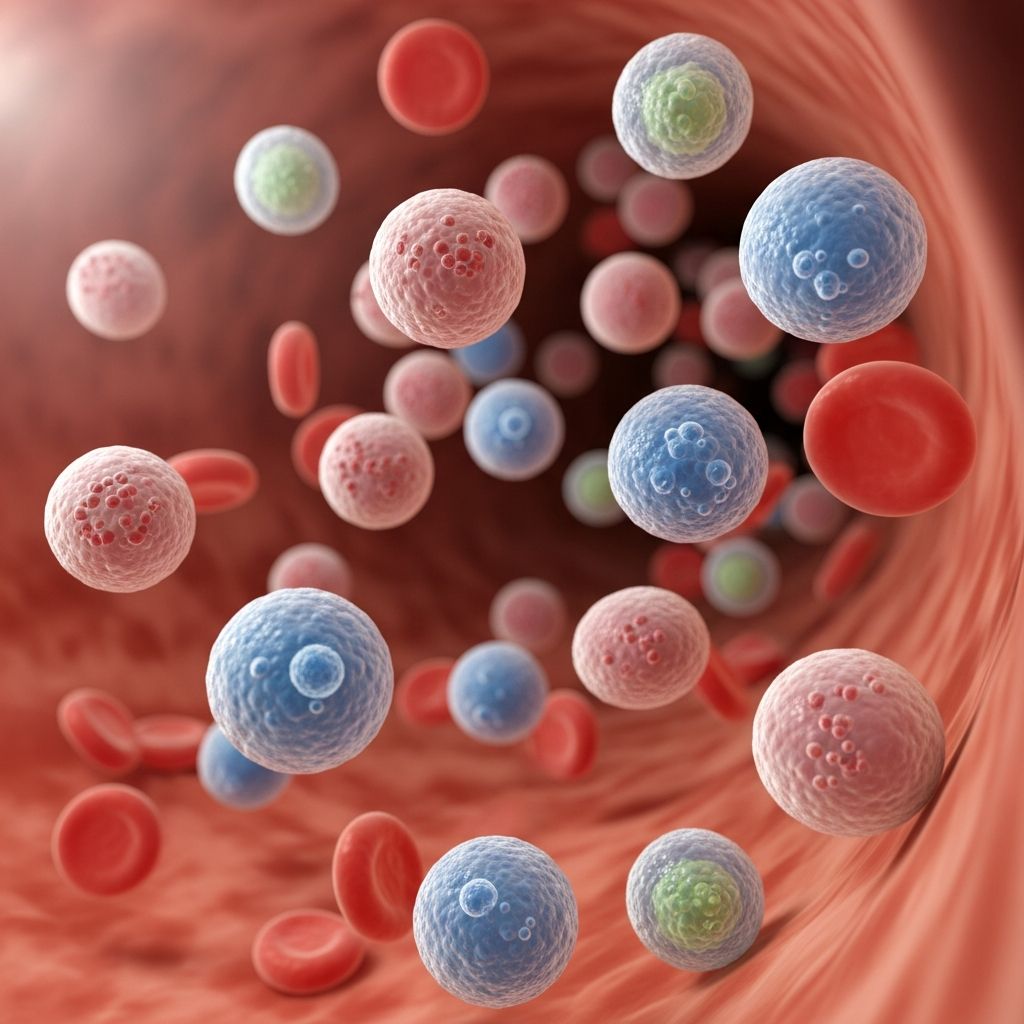
White blood cells, or leukocytes, form the cornerstone of a cat’s immune defense, battling infections and maintaining overall health. Disruptions in their numbers—either too few or too many—can signal serious underlying problems, leaving cats vulnerable to diseases or indicating ongoing battles within the body. Understanding these imbalances helps cat owners recognize warning signs early and seek timely veterinary intervention.
The Fundamentals of Feline White Blood Cells
Cats possess several types of white blood cells, each with specialized roles. Neutrophils act as first responders against bacterial invaders, rapidly multiplying during infections. Lymphocytes, including T-cells and B-cells, orchestrate long-term immunity through memory and antibody production. Monocytes evolve into macrophages to engulf debris and pathogens, while eosinophils target parasites and allergens, and basophils release chemicals during allergic reactions. A typical healthy range for total white blood cells in cats spans 5,500 to 19,500 per microliter of blood, though this varies by age, breed, and stress levels.
When these cells falter, it disrupts the entire immune system. Low counts weaken defenses, inviting opportunistic infections, while high counts often reflect inflammation, stress, or malignancy. Routine blood tests during wellness exams can detect shifts before symptoms emerge, emphasizing the value of regular check-ups.
When Counts Drop: Understanding Low White Blood Cell Levels
A condition known as leukopenia occurs when white blood cell numbers fall below normal, compromising a cat’s ability to fight invaders. Neutropenia, a subset focusing on neutrophils, heightens risks of bacterial infections like pneumonia or sepsis. Common triggers include viral assaults that either destroy cells or suppress bone marrow production.
Viral Culprits Behind Declines
Feline panleukopenia virus, akin to canine parvovirus, ravages the bone marrow, slashing all white blood cell types and leaving cats highly susceptible to secondary infections. Primarily striking unvaccinated kittens, it spreads via contaminated environments and causes fever, vomiting, and severe dehydration. Feline leukemia virus (FeLV) and feline immunodeficiency virus (FIV) also deplete lymphocytes and neutrophils, fostering chronic vulnerability.
- Panleukopenia: Suppresses marrow output, leading to pancytopenia—a drop in all blood cells.
- FeLV: Alters counts drastically, either elevating or reducing them based on disease stage.
- FIV and FIP: Invade immune cells, reducing functional leukocytes.
Other Contributors to Low Counts
Beyond viruses, bacterial infections like salmonellosis, protozoal diseases such as toxoplasmosis, and even stress can temporarily lower levels. Medications, toxins, autoimmune reactions, and cancers like lymphoma further impair production. In severe cases, bone marrow suppression from chemotherapy or aplastic anemia results in profound leukopenia.
Symptoms often stem from secondary infections: persistent fever, lethargy, diarrhea, vomiting, and oral ulcers signal trouble. Cats may hide more than usual, refuse food, or show enlarged lymph nodes and spleens.
Elevated White Blood Cell Counts: What They Reveal
Leukocytosis, or high white blood cell numbers, typically arises from the body’s response to stressors. Neutrophilia, with counts exceeding 12,500/μL in cats, dominates during acute inflammation or infection. Stress leukograms, common in clinic visits, feature elevated neutrophils and reduced lymphocytes due to cortisol surges.
Inflammation and Infection as Drivers
Bacterial septicemia, endotoxemia, or acute viral illnesses like FeLV and panleukopenia recovery phases boost neutrophils. Eosinophilia points to allergies, parasites, or eosinophilic granuloma complex—skin lesions from hypersensitivity. Lymphocytosis, rarer in cats, may indicate chronic antigenic stimulation or leukemia when counts soar dramatically.
| White Cell Type | High Count Cause | Common in Cats? |
|---|---|---|
| Neutrophils | Infection, inflammation, stress | Yes, most frequent |
| Lymphocytes | Chronic immunity, lymphoma | Less common |
| Eosinophils | Parasites, allergies | Yes, skin issues |
Cancer and Abnormal Production
Lymphoma, a malignancy of lymphocytes, frequently causes abnormal elevations, often with anemia or thrombocytopenia. Myelogenous leukemia affects granulocyte precursors, leading to immature cells in circulation.
Spotting the Signs: Clinical Manifestations
Low counts manifest through infection susceptibility: recurrent fevers without clear cause, gastrointestinal upset, respiratory distress, and poor wound healing. High counts might show subtler signs like appetite loss or behavioral changes, though underlying issues drive visible symptoms.
For instance, panleukopenia victims suffer acute collapse, bloody diarrhea, and hypothermia in end-stages. FeLV cats exhibit weight loss, gingivitis, and recurrent illnesses over months. Eosinophilic conditions present as ulcerative skin plaques or footpad swelling.
Veterinary Diagnosis: Unraveling the Mystery
Diagnosis starts with a complete blood count (CBC) to quantify cell types and spot abnormalities like left shifts (immature neutrophils). Chemistry panels, urinalysis, and imaging assess organ involvement. Specific tests include FeLV/FIV snaps, fecal exams for parasites, and bone marrow biopsies for production failures.
Flow cytometry or cytology differentiates reactive from neoplastic changes. In pancytopenia, marrow exams confirm hypoplasia versus infiltration.
Treatment Approaches: Restoring Balance
Therapy targets root causes. Supportive care—fluids, anti-nausea drugs, and broad-spectrum antibiotics—stabilizes critically low-count cats. Blood transfusions aid severe pancytopenia, while colony-stimulating factors like filgrastim boost neutrophil production.
- Viral cases: No cures for FeLV/FIV; focus on palliation and preventing spread.
- Panleukopenia: Intensive hospitalization with isolation.
- Cancer: Chemotherapy protocols for lymphoma yield remission in many.
- Infections: Targeted antimicrobials based on cultures.
Monitoring involves serial CBCs to track recovery, with outpatient care for stable patients.
Prevention: Keeping Counts in Check
Vaccinations against panleukopenia, FeLV (for at-risk cats), and core viruses are paramount. Indoor lifestyles minimize exposure to pathogens. Flea control combats ehrlichiosis and mycoplasma. Routine bloodwork catches issues early, especially in multi-cat homes or with seniors.
Prognosis: Factors Influencing Outcomes
Survival hinges on cause severity. Acute panleukopenia has 20-50% mortality in kittens but higher success with prompt care. Chronic viral carriers like FeLV face shortened lifespans, though supportive management extends quality time. Neoplastic disorders vary; lymphoma responds well to chemo in 50-70% of cases.
Early detection markedly improves odds, underscoring vigilant ownership.
Frequently Asked Questions (FAQs)
Can stress cause low white blood cells in my cat?
Yes, acute stress can transiently lower lymphocytes, but persistent leukopenia warrants investigation for infection or disease.
Is feline panleukopenia curable?
Not directly, but aggressive supportive therapy saves many, especially adults over kittens.
What home care supports a cat with low WBCs?
Ensure hygiene, isolation, nutrition, and vet follow-ups; avoid OTC meds.
Does FeLV always lower white cells?
No, it can elevate or reduce them depending on progression.
How often should I test my cat’s blood?
Annually for adults, biannually for seniors or at-risk cats.
References
- Treating a Low White Blood Cell Count in Cats — PetCareRx. 2023. https://www.petcarerx.com/article/treating-a-low-white-blood-cell-count-in-cats/1606
- What Are the Key Facts About Cat Leukemia? — CVETS. 2024. https://cvets.net/what-are-the-key-facts-about-cat-leukemia/
- Disorders of White Blood Cells — PMC – NIH. 2020-04-07. https://pmc.ncbi.nlm.nih.gov/articles/PMC7170189/
- Blood Related Deficiencies in Cats — PetMD. 2023. https://www.petmd.com/cat/conditions/cardiovascular/c_ct_pancytopenia
- Feline Panleukopenia — VCA Animal Hospitals. 2024. https://vcahospitals.com/know-your-pet/feline-panleukopenia
- White Blood Cells of Cats — Merck Veterinary Manual. 2025. https://www.merckvetmanual.com/cat-owners/blood-disorders-of-cats/white-blood-cells-of-cats
Similar Articles








Read full bio of medha deb




