

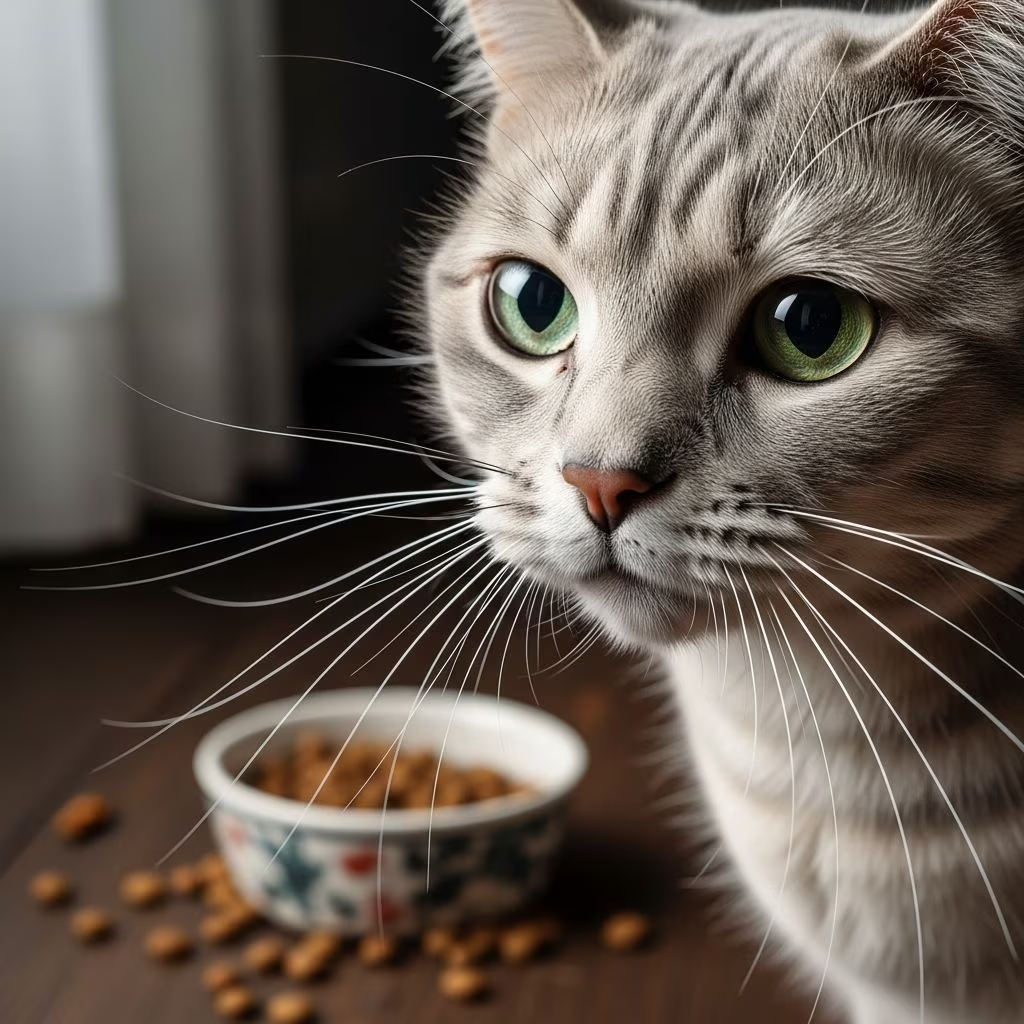
Whisker fatigue, also known as whisker stress or sensory overload, affects many cats when their highly sensitive whiskers become overstimulated from repeated contact with objects, most commonly deep food and water bowls. This condition leads to discomfort, behavioral changes, and stress, but it is easily preventable with simple adjustments to your cat’s environment.
What Is Whisker Fatigue?
Cat whiskers, or vibrissae, are specialized tactile hairs deeply rooted in hair follicles connected to nerve endings and muscles, functioning like sophisticated sensory antennas. These whiskers detect air currents, navigate in low light, judge distances, and help cats assess if they can fit through spaces.
Whisker fatigue occurs when these sensitive whiskers receive constant stimulation, overwhelming the sensory receptors at their base and sending a barrage of signals to the brain. This overstimulation causes stress similar to sensory overload in humans, leading to discomfort rather than physical tiredness in the whiskers themselves.
Unlike a disease or illness, whisker fatigue is an environmental response, often triggered during routine activities like eating or drinking. Veterinary experts note it is not medically recognized as a formal diagnosis but is widely acknowledged based on observed behaviors in cats.
Signs of Whisker Fatigue in Cats
Recognizing whisker fatigue early allows for quick interventions. Cats cannot verbalize discomfort, so they exhibit behavioral changes. Common signs include:
- Food and water bowl avoidance: Cats leave food untouched, paw at it, pull it onto the floor to eat, or tip bowls over to access food without whiskers touching sides.
- Hesitation or pacing around bowls: Cats act hungry but pace restlessly or refuse to settle near their bowls.
- Excessive face grooming: Increased licking or grooming around whiskers, sometimes causing bald spots from irritation.
- Restlessness or agitation: Pacing, excessive meowing, twitching tails, ear flicking, or general edginess.
- Avoiding tight spaces: Reluctance to enter narrow areas or cozy spots previously enjoyed, as whiskers gauge fit.
- Irritability or aggression: Swatting, biting, scratching, or shying from touch, especially on the face.
- Changes in appetite: Finickiness, reduced eating, or sudden disinterest in meals.
These symptoms often appear suddenly, particularly if you’ve recently changed bowls or feeding routines. Monitor for clusters of signs rather than isolated incidents.
Causes of Whisker Fatigue
The primary culprit is **deep, narrow food and water bowls**. When a cat eats or drinks, its whiskers repeatedly brush against the tall sides, bombarding sensory nerves with signals. This constant contact mimics an unrelenting sensory assault.
Other contributing factors include:
- High-sided litter boxes or beds: Whiskers touch sides during use, adding to overall stimulation.
- Cluttered environments: Frequent brushing against furniture, walls, or toys in tight spaces.
- Overcrowded feeding areas: Multiple cats competing at shared bowls increases whisker contact.
- Changes in air flow or surroundings: Drafts, fans, or new furniture altering whisker detection.
Individual sensitivity varies; some cats tolerate more stimulation, while others with finer whiskers or heightened nerves react strongly.
How to Prevent Whisker Fatigue
Prevention focuses on minimizing whisker-object contact through environmental tweaks. Key strategies include:
- Switch to whisker-friendly bowls: Choose wide, shallow designs (at least 2-3 inches deep, 8-10 inches wide) made of ceramic, stainless steel, or BPA-free plastic. Avoid plastic if possible, as it can retain odors.
- Use elevated or flat feeders: Raised stands position bowls at comfortable heights without deep sides.
- Opt for water fountains: Flowing water in wide reservoirs encourages drinking without whisker strain.
- Declutter living spaces: Provide ample room for navigation, reducing accidental brushes.
- Select low-sided accessories: Litter boxes and beds with shallow edges prevent side contact.
- Feed smaller, frequent meals: Reduces time spent at bowls, lessening stimulation.
Test changes gradually; many cats adapt quickly and resume normal eating.
Treatment for Whisker Fatigue
Treatment mirrors prevention but addresses active symptoms:
| Symptom | Treatment |
|---|---|
| Bowl avoidance | Immediately replace with wide, shallow bowls; place food on flat plates temporarily. |
| Irritability | Reduce environmental stimuli; offer quiet spaces for recovery. |
| Excessive grooming | Gently clean face; monitor for skin issues and consult vet if persistent. |
| Appetite loss | Hand-feed small portions on floors or use puzzle feeders to entice eating. |
Most cats improve within days of bowl changes. Track progress and adjust as needed.
When to See a Vet
Whisker fatigue resolves with environmental fixes, but persistent or worsening symptoms warrant veterinary attention. Consult a vet if:
- Symptoms last over a week despite bowl changes.
- Your cat refuses food entirely, leading to weight loss.
- Signs of pain, swelling, or whisker loss appear.
- Behavioral changes include lethargy, vomiting, or aggression toward other pets.
These could indicate dental issues, infections, allergies, or oral pain mimicking fatigue. A vet exam rules out underlying conditions.
FAQs About Whisker Fatigue in Cats
What exactly is whisker fatigue?
It’s sensory overload from overstimulated whiskers, often from deep bowls brushing against them during meals.
Do all cats get whisker fatigue?
No, but many do, especially those with sensitive whiskers or using narrow bowls. Kittens and seniors may be more prone.
Can whisker fatigue cause permanent damage?
No, it’s stress-related and reversible with fixes. Whiskers naturally shed and regrow.
Are plastic bowls bad for whiskers?
They can contribute if deep; opt for wide ceramic or steel. Cleanliness matters too.
How do I choose the best whisker-friendly bowl?
Look for shallow (under 3 inches), wide (over 8 inches), stable materials. Read reviews for cat-tested options.
Related Questions
- Is whisker fatigue real or a myth? Widely observed by vets and owners; supported by whisker sensitivity science.
- Can stress cause whisker loss? Yes, fatigue may lead to overgrooming and temporary shedding.
- What’s the best water bowl for cats? Wide, flowing fountains promote hydration without whisker stress.
By addressing whisker fatigue promptly, you enhance your cat’s comfort and quality of life. Simple swaps like better bowls yield big improvements.
References
- Does My Cat Have Whisker Fatigue? The Signs & Treatments — Catenary Home. 2023-05-15. https://catenaryhome.com/blogs/catenary-blogs/does-my-cat-have-whisker-fatigue-the-signs-and-how-to-recognize-them
- Whisker Fatigue in Cats: What It Is and How To Help — PetMD (Dr. Neil Marrinan, DVM). 2024-08-20. https://www.petmd.com/general-health/whisker-fatigue-cats-what-it-and-how-help
- Whisker Fatigue in Cats — Lone Tree Veterinary Medical Center. 2023-11-10. https://www.lonetreevet.com/blog/whisker-fatigue-in-cats/
- Whisker Fatigue in Cats: Causes, Symptoms, and Remedies — Lake City Animal Hospital. 2024-02-14. https://lakecityanimalhospital.com/blog/whisker-fatigue/
- An Extensive Guide on Whisker Fatigue in Cats — WOpet. 2023-09-05. https://wopet.com/cats/an-extensive-guide-on-whisker-fatigue-in-cats/



