

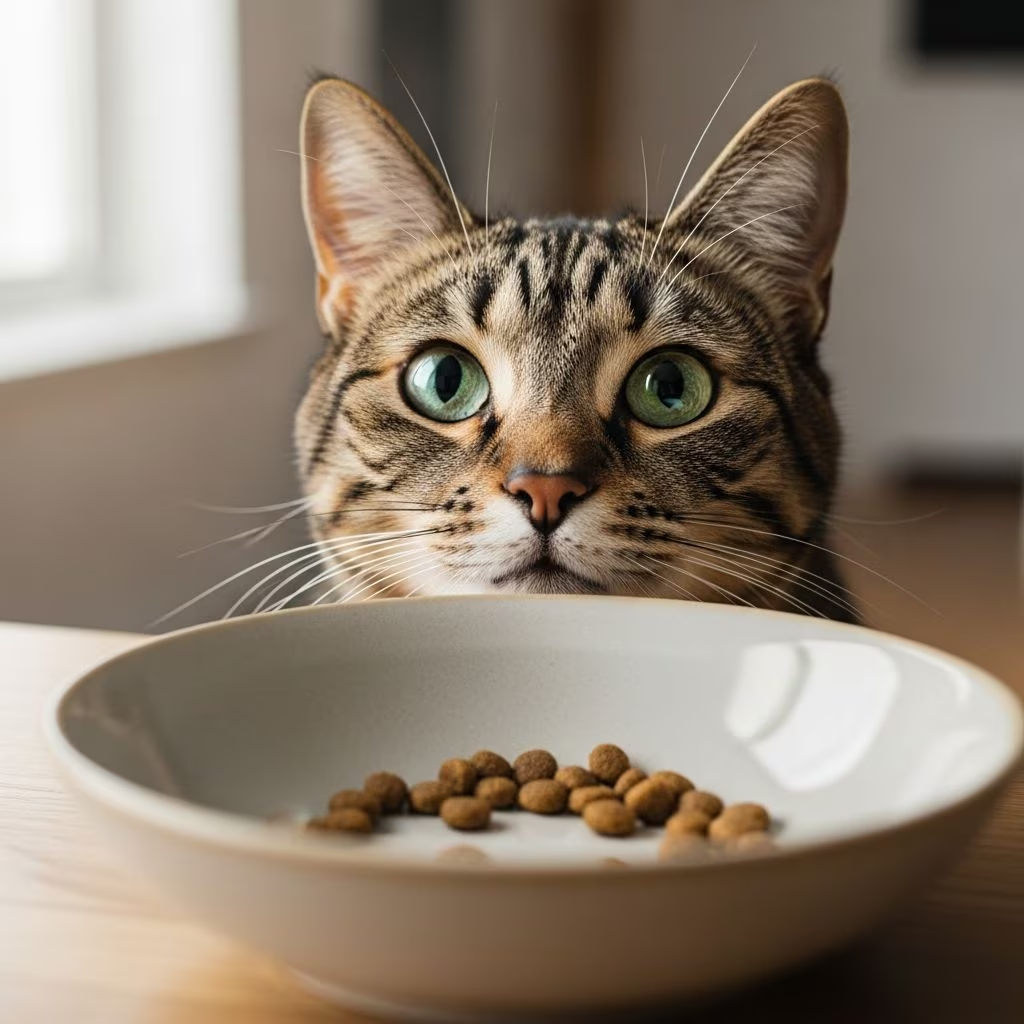
Your cat’s whiskers are highly sensitive tools connected to their nervous system, aiding navigation and spatial awareness. When overstimulated, such as by deep food bowls, it leads to whisker fatigue, causing discomfort, stress, and reluctance to eat.
What is whisker fatigue?
Whisker fatigue, also called whisker stress, occurs when a cat’s whiskers experience sensory overload from constant contact with surfaces like bowl sides. These vibrissae are deeply rooted with proprioceptors that send tactile signals to the brain, essential for detecting objects, air currents, and spaces.
Unlike regular hair, whiskers function involuntarily via the autonomic system. Repeated brushing against narrow or deep bowls during meals overwhelms these nerves, leading to fatigue, disorientation, and avoidance behaviors. This isn’t a disease but a stress response from overuse.
Cats rely on whiskers for survival tasks: judging distances, hunting in dark, and avoiding predators. Overstimulation mimics constant “noise” to their brain, causing irritability similar to human sensory overload.
Recognising the symptoms of whisker fatigue
Whisker fatigue impacts well-being, turning mealtime unpleasant. Watch for these common signs around food or water areas:
- Reluctance to eat: Cat acts hungry but avoids bowl, skips meals, or shows sudden appetite drop.
- Pawing at face or bowl: Rubbing whiskers or pulling food out to eat on the floor for relief.
- Food scattering: Knocking kibble onto the ground to bypass bowl contact.
- Pacing or agitation: Circling bowl, hesitating, crying, or showing anxiety near it.
- Behavioral changes: Increased irritability, aggression, hiding food, or withdrawal.
- Avoiding tight spaces: Hesitation in narrow areas once navigated easily.
These behaviors signal stress, not pickiness. Persistent issues warrant vet checks to rule out dental pain or illness.
Causes of whisker fatigue
Several factors trigger whisker overstimulation, primarily during feeding:
- Narrow or deep bowls: Force whiskers against sides, causing constant friction.
- Overcrowded feeding: Multi-cat homes where whiskers touch others.
- Dirty bowls: Residue irritates sensitive tips.
- Long eating sessions: Grazers or slow eaters prolong contact.
- Tight spaces: Frequent squeezing into small areas rubs whiskers.
Plastic bowls can worsen issues with static or odors, but material is secondary to width and depth.
How to remedy whisker fatigue
Simple changes restore comfort. Start with bowl upgrades:
- Switch to wide, shallow bowls: Ceramic, glass, or stainless steel plates keep whiskers free. Avoid deep designs.
- Separate stations: One bowl per cat in quiet spots reduces competition.
- Clean daily: Prevent buildup irritating whiskers.
- Observe habits: Note body language; adjust feeding area for peace.
- Whisker-friendly feeders: Elevated or flat designs minimize contact.
Test changes over a week. Most cats adapt quickly, resuming normal eating. Combine with routine health checks.
Is whisker fatigue real or a myth?
Debate exists as it’s not a formal veterinary diagnosis but a theory backed by observed behaviors and whisker sensitivity science. Vets like Dr. Neil Marrinan note bowl contact overwhelms receptors, causing stress.
While not peer-reviewed extensively, anecdotal evidence from shelters and owners supports it. Studies on vibrissae confirm high nerve density, validating overload potential. Critics argue it’s overstated, but remedies improve picky eaters, suggesting validity.
FAQs
What exactly is whisker fatigue in cats?
It’s sensory overload from whiskers brushing surfaces too much, especially bowls, leading to stress and eating aversion.
Do all cats get whisker fatigue?
No, but long-whiskered or sensitive cats in deep-bowl homes are prone. Short whiskers or wide bowls reduce risk.
Can whisker fatigue cause weight loss?
Yes, if untreated, reduced eating leads to weight issues. Address promptly with bowl changes.
Are plastic bowls bad for whiskers?
They can trap residue and odors, worsening irritation, though depth matters more. Opt for non-porous materials.
How do I know if it’s whisker fatigue or illness?
Look for bowl-specific behaviors. Vet visit rules out medical causes like teeth problems.
What’s the best bowl for whisker fatigue?
| Bowl Type | Pros | Cons |
|---|---|---|
| Wide Ceramic Plate | Stable, whisker-free, easy clean | Heavy, tip risk |
| Stainless Steel Saucer | Light, durable, hygienic | May skid |
| Glass Flat Dish | Non-porous, stable | Breakable |
Choose based on cat size and home.
Preventing whisker fatigue long-term
Proactive steps ensure ongoing comfort:
- Annual bowl checks for wear.
- Environmental enrichment avoiding tight spaces.
- Monitor multi-cat dynamics.
- Balanced diet encourages efficient eating.
Healthy whiskers mean confident cats. Trimming is harmful—never do it.
References
- Whisker Fatigue Could Be The Reason Your Cat Isn’t Eating — Kinship.com. 2023. https://www.kinship.com/uk/cat-behaviour/whisker-fatigue-cat-not-eating
- Understanding and Remedying Whisker Fatigue in Cats — Homesitters.co.uk / Katzenworld. 2024. https://www.homesitters.co.uk/katzenworld-understanding-and-remedying-whisker-fatigue-in-cats-causes,-symptoms,-and-solutions/
- Whisker Fatigue in Cats: What It Is and How To Help — PetMD (Veterinary Source). 2024-01-15. https://www.petmd.com/general-health/whisker-fatigue-cats-what-it-and-how-help
- Whisker Fatigue in Cats: Causes, Symptoms, and Remedies — Lake City Animal Hospital (Veterinary Clinic). 2023-11-20. https://lakecityanimalhospital.com/blog/whisker-fatigue/
- Whisker Fatigue – What is it? — Just For Pets Australia. 2024. https://www.justforpets.com.au/blogs/learning-centre/whisker-fatigue-what-is-it



