

Whipworms represent one of the most prevalent intestinal parasites affecting dogs worldwide, with infection rates reaching up to 14.3% in shelter populations and 10% in veterinary hospital cases. Primarily caused by Trichuris vulpis in dogs, these parasites embed in the large intestine, potentially leading to serious health issues if left unchecked. This guide delves into the biology, clinical impacts, diagnostic approaches, treatment protocols, and proactive prevention measures to help pet owners safeguard their animals.
The Nature and Life Cycle of Whipworms
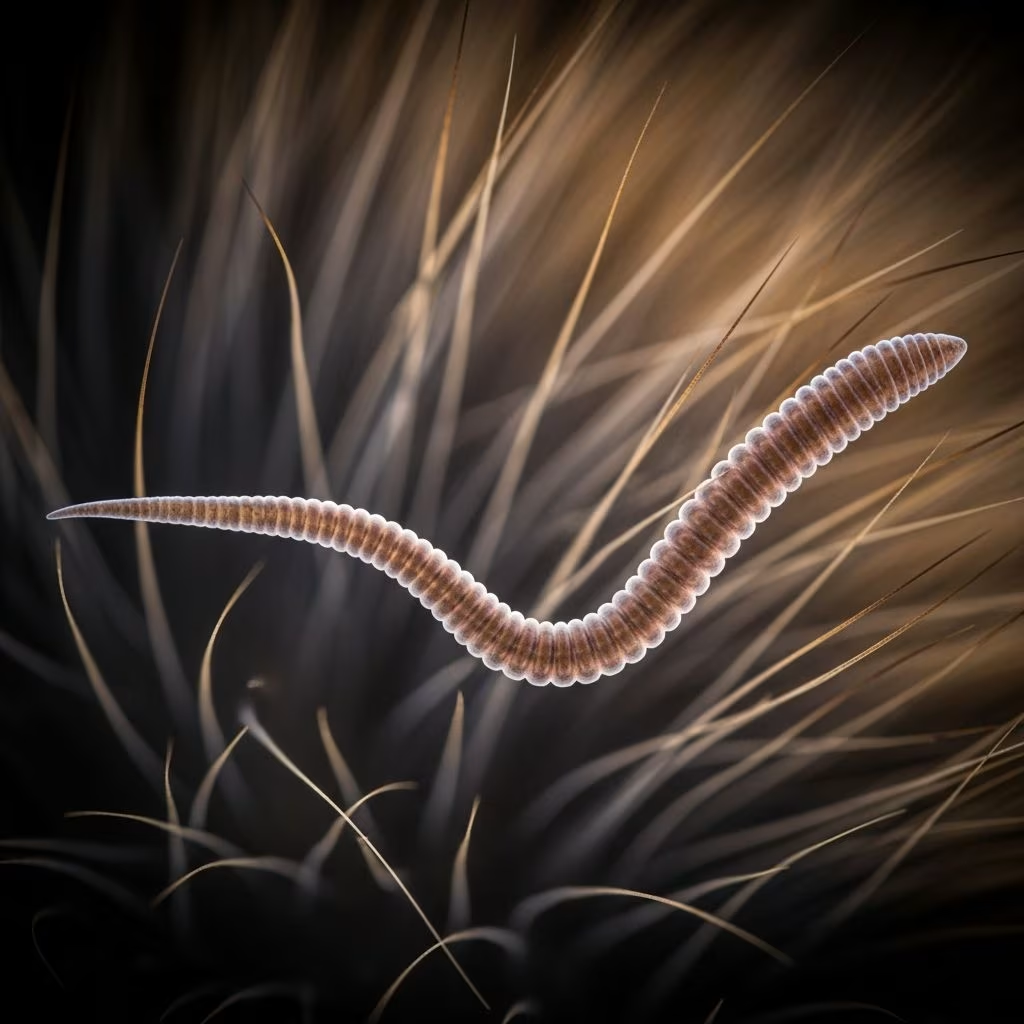
Whipworms derive their name from their distinctive shape: a slender, whip-like anterior end and a thicker posterior. Adult worms measure about 1/4 inch (6 mm) in length and reside primarily in the cecum and colon, where they burrow into the mucosal lining. This embedding causes significant irritation, inflammation, and potential ulceration.
The life cycle begins when dogs ingest embryonated eggs from contaminated soil or feces. These eggs, hardy and capable of surviving years in the environment, hatch in the small intestine, releasing larvae that migrate to the large intestine. Larvae mature into adults over 11-12 weeks, a prolonged prepatent period that delays egg shedding in feces. Females then produce eggs intermittently, making early detection challenging. Environmental contamination perpetuates the cycle, as eggs become infective within 2-4 weeks under favorable moist conditions.
In cats, Trichuris felis is less common but follows a similar pattern. Infections are rarer and often subclinical, though heavy burdens can mimic canine disease.
Recognizing Symptoms of Whipworm Infection
Light infestations frequently produce no noticeable signs, allowing silent spread. However, moderate to heavy infections manifest distinctly:
- Bloody diarrhea: The hallmark symptom, resulting from mucosal damage and hemorrhage in the colon.
- Weight loss and debilitation: Chronic inflammation impairs nutrient absorption, leading to emaciation.
- Anemia: Blood loss from worm attachment sites reduces red blood cell counts, causing lethargy and pallor.
- Dehydration and straining: Frequent, mucus-laden stools accompanied by tenesmus (feeling of incomplete defecation).
Puppies and young dogs, particularly those 3-6 months old, face higher risks as infections become patent. Severely affected animals may exhibit dehydration, weakness, and secondary bacterial infections from compromised gut barriers. Of all canine intestinal parasites, whipworms are noted for causing the most severe clinical disease in heavy loads.
Diagnostic Strategies for Accurate Identification
Confirming whipworm presence requires veterinary expertise, as symptoms overlap with other gastrointestinal issues. Key methods include:
- Fecal flotation with centrifugation: The gold standard, revealing characteristic barrel-shaped eggs (72–90 x 32–40 μm) with symmetrical bipolar plugs. Centrifugation enhances sensitivity over passive flotation.
- Fecal antigen testing: Commercial assays detect T. vulpis proteins in dog feces and T. felis in cats, identifying infections before eggs appear.
- PCR testing: Detects parasite DNA, even in prepatent stages or low-shedding cases, offering superior early detection.
Challenges arise from intermittent egg shedding and the long prepatent period, necessitating multiple samples or combined tests (microscopy plus antigen/PCR) for comprehensive screening. CAPC advises fecal exams four times yearly for puppies and twice for adults, tailored to lifestyle risks like park visits. AI-assisted centrifugation readings further improve accuracy in modern labs.
| Test Type | Strengths | Limitations | Best Use |
|---|---|---|---|
| Fecal Flotation (Centrifugation) | Visualizes eggs; cost-effective | Misses prepatent/low-burden infections | Routine screening |
| Antigen Test | Detects early antigens | May not quantify burden | Confirmatory with symptoms |
| PCR | Identifies DNA pre-eggs; species-specific | Higher cost | High-risk or equivocal cases |
Treatment Options and Protocols
Effective deworming targets adult worms, but the long prepatent period demands repeated dosing. Approved U.S./U.K. anthelmintics for dogs include:
- Fenbendazole
- Febantel
- Milbemycin oxime
- Moxidectin (topical)
- Oxantel
Treatment regimens typically involve three monthly doses to address emerging larvae. Monthly broad-spectrum preventives (e.g., those covering heartworm and intestinal parasites) provide ongoing control. For non-compliant owners, quarterly broad-spectrum treatments aligned with fecal checks suffice.
Cats lack approved therapies for T. felis; experimental use of canine drugs may be attempted under veterinary guidance. Post-treatment, monitor via follow-up fecals to confirm clearance, as resistance or reinfection is possible.
Prevention: Breaking the Infection Cycle
Environmental persistence of eggs underscores prevention’s importance. Strategies include:
- Monthly preventives: Broad-spectrum products suppress whipworms effectively.
- Prompt feces removal: Daily cleanup minimizes yard contamination.
- Avoid high-risk areas: Limit exposure at dog parks or shelters.
- Hygiene maintenance: Dry, clean environments desiccate eggs.
- Routine screening: Especially for at-risk pets like puppies or travelers.
Integrated approaches yield the best outcomes, combining chemoprophylaxis with sanitation.
Special Considerations for High-Risk Pets
Puppies warrant intensive monitoring due to immature immunity and environmental exposure. Shelter dogs show elevated prevalence, necessitating quarantine and testing protocols. Immunocompromised or multi-pet households demand vigilant management to curb outbreaks.
Owners should note that subclinical carriers contaminate environments, perpetuating risks even without overt illness. Zoonotic potential is negligible, but pet health remains paramount.
Frequently Asked Questions (FAQs)
Can humans get whipworms from dogs?
Whipworms in dogs (T. vulpis) are not zoonotic; human infections involve different species.
How long do whipworm eggs survive in soil?
Up to several years under moist, shaded conditions, emphasizing sanitation.
Is one deworming treatment enough?
No; repeat dosing (e.g., three times monthly) is required due to the prepatent period.
Can cats get dog whipworms?
Rarely; cats typically harbor T. felis, with different epidemiology.
What if fecal tests are negative but symptoms persist?
Combine antigen/PCR tests or serial sampling; consult your vet for alternatives.
Whipworms pose a manageable threat with diligent care. Regular veterinary partnerships ensure early intervention and sustained pet wellness.
References
- Trichuris vulpis — Companion Animal Parasite Council (CAPC). Accessed 2026. https://capcvet.org/guidelines/trichuris-vulpis/
- Whipworms in Small Animals — Merck Veterinary Manual. Accessed 2026. https://www.merckvetmanual.com/digestive-system/gastrointestinal-parasites-of-small-animals/whipworms-in-small-animals
- Whipworms in dogs — Cornell University College of Veterinary Medicine. 2024-08. https://www.vet.cornell.edu/departments-centers-and-institutes/riney-canine-health-center/canine-health-topics/whipworms-dogs
- Whipworm Infections in Dogs — VCA Animal Hospitals. Accessed 2026. https://vcahospitals.com/know-your-pet/whipworm-infections-in-dogs
- Whipworms in Dogs — PetMD. Accessed 2026. https://www.petmd.com/dog/conditions/infectious-parasitic/c_multi_trichuriasis



