

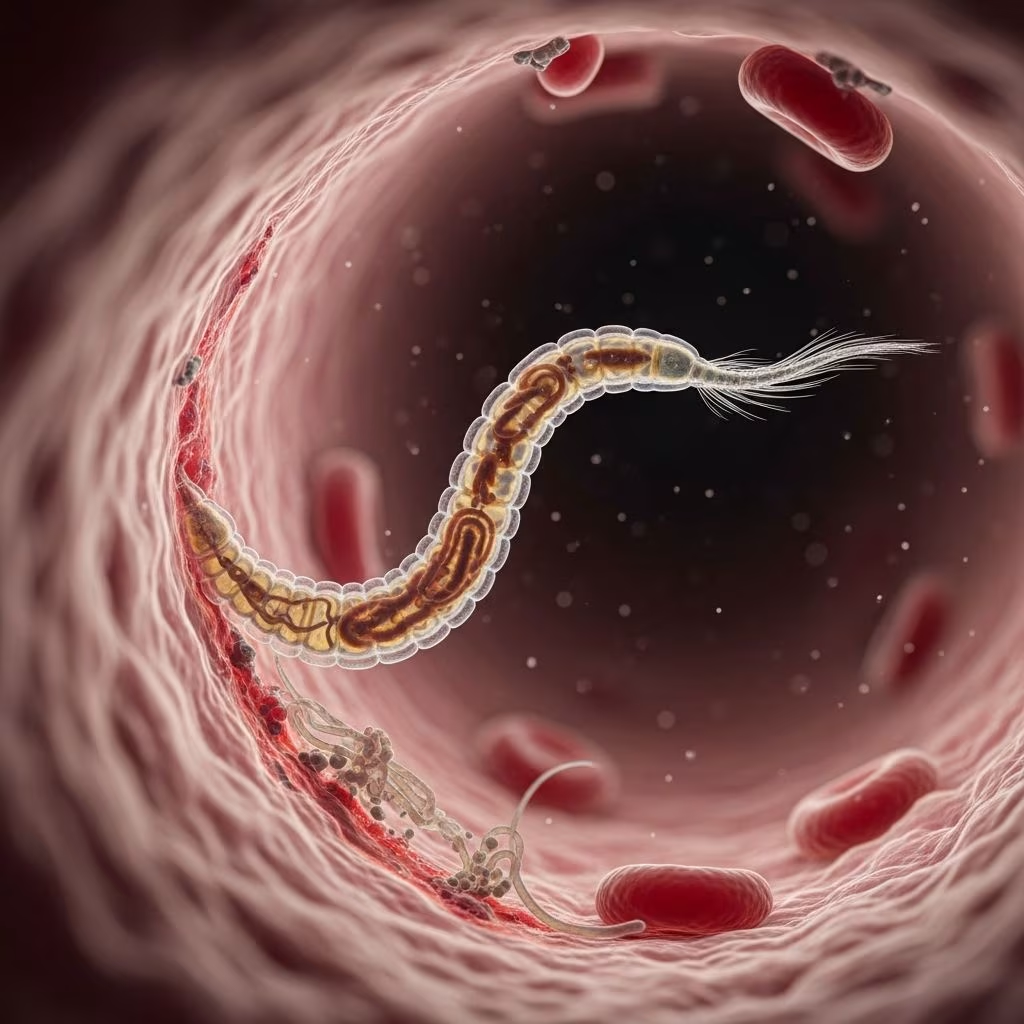
Whipworms, scientifically known as Trichuris vulpis, represent one of the more persistent intestinal parasites affecting dogs. These thread-like worms embed themselves in the dog’s large intestine, potentially leading to serious health complications if left unchecked. Unlike more visible parasites, whipworms often go unnoticed until they cause significant issues, making awareness crucial for pet owners.
The Nature and Life Cycle of Whipworms
Whipworms derive their name from their distinctive shape: a thin, whip-like front end and a thicker rear. Adult worms, measuring 3-5 cm in length, attach to the mucosal lining of the cecum and colon using spear-like mouths, drawing nutrients and blood from the host.
The life cycle begins when a dog ingests eggs from contaminated soil, water, or feces. These eggs, passed in the dog’s stool, are remarkably resilient, surviving in the environment for years—up to five years in cool, moist conditions. Once ingested, eggs hatch in the small intestine, and larvae migrate to the large intestine, maturing into adults in about 70-90 days. Females then produce thousands of eggs daily, perpetuating the cycle.
This extended prepatent period— the time from infection to egg production—explains why early infections often show no symptoms and why repeated treatments are necessary.
Recognizing Symptoms of Whipworm Infestation
Early or light infections frequently produce no outward signs, allowing whipworms to proliferate undetected. As the burden increases, clinical manifestations emerge, primarily affecting the gastrointestinal system.
- Bloody diarrhea: The hallmark symptom, often described as “raspberry jam” stool due to fresh blood and mucus.
- Weight loss: Despite normal appetite, dogs lose condition from nutrient theft and inflammation.
- Anemia: Chronic blood loss leads to pale gums, lethargy, and weakness.
- Dehydration and debilitation: Severe cases cause straining, tenesmus (feeling of incomplete defecation), and overall poor health.
Puppies and debilitated adults face higher risks of severe disease. Notably, some dogs remain asymptomatic even with heavy loads, underscoring the need for routine diagnostics.
How Dogs Contract Whipworms
Infection occurs through oral ingestion of embryonated eggs from the environment. Common sources include:
- Contaminated soil in yards, parks, or playgrounds where infected dogs have defecated.
- Shared kennels, dog runs, or grooming areas.
- Improperly disposed feces that allow eggs to mature under favorable conditions (shade, moisture).
Dogs do not spread eggs directly dog-to-dog; transmission relies on environmental contamination. Stray animals and multi-dog households amplify risks.
Diagnosis: Confirming Whipworm Presence
Veterinarians diagnose whipworms via fecal flotation tests, where eggs appear barrel-shaped with polar plugs under microscopy. Due to intermittent egg shedding and the prepatent period, false negatives are common—sometimes requiring multiple samples or advanced techniques like centrifugation or ELISA tests.
If bloody stool or persistent diarrhea appears without eggs, vets may suspect immature worms or other parasites, prompting empirical treatment alongside further evaluation. Regular fecal exams, especially in high-risk areas, enable early detection.
Treatment Strategies for Whipworms
Eradicating whipworms demands a multi-pronged approach, as no single dose kills all stages. Standard protocols involve:
- Anthelmintics: Drugs like fenbendazole (50 mg/kg daily for 3 days, repeated at 3 weeks and 3 months), milbemycin, or moxidectin target adults and larvae.
- Repeat dosing: Treatments spaced 3-4 weeks apart address emerging larvae; quarterly re-treatment combats reinfection.
- Supportive care: Fluids, anti-diarrheals, or blood transfusions for severe anemia.
The table below outlines common treatment regimens:
| Drug | Dosage Schedule | Notes |
|---|---|---|
| Fenbendazole | 50 mg/kg q24h x 3 days; repeat at 3 & 12 weeks | Effective against adults; label for monthly use post-diagnosis |
| Milbemycin oxime | Monthly for 3 months | Often in heartworm preventives |
| Moxidectin + Imidacloprid | Monthly topical | Broad-spectrum protection |
Success hinges on owner compliance; incomplete courses lead to persistence.
Prevention: Stopping Whipworms Before They Start
Proactive measures outperform reactive treatment. Key strategies include:
- Monthly preventives: Heartworm products with milbemycin, moxidectin, or febantel/praziquantel combinations guard against whipworms, hookworms, and roundworms.
- Sanitation: Daily feces removal prevents egg buildup; clean yards, kennels, and bedding weekly with parasite-killing disinfectants. Cover sandboxes.
- Environmental management: Limit access to dog parks or high-risk areas; quarantine new pets.
- Quarterly deworming: For dogs off monthly meds, align with fecal checks.
These steps drastically reduce prevalence, as evidenced by declining whipworm rates with widespread preventive use.
Challenges in Managing Whipworm Infections
Whipworm control frustrates due to egg hardiness—resistant to freezing, drying, and many disinfectants. Yards remain contaminated for years, fostering reinfection cycles. Multi-pet homes and communal areas exacerbate spread.
Owners must commit to long-term vigilance: consistent preventives, hygiene, and vet check-ups. Ignoring environment dooms treatment efforts.
When to Consult a Veterinarian
Seek immediate care for bloody diarrhea, unexplained weight loss, lethargy, or anemia signs. Routine wellness exams with fecal tests catch subclinical cases. Puppies, seniors, and immunocompromised dogs warrant extra monitoring.
FAQs on Whipworms in Dogs
Can humans get whipworms from dogs?
No, T. vulpis is canine-specific; human whipworms differ.
How long do whipworm eggs live in soil?
Up to 5 years in ideal conditions.
Are over-the-counter dewormers effective?
Not reliably; prescription meds target whipworms specifically.
Can my dog spread whipworms to cats?
Rarely, as species differ, but shared environments pose risks.
Is whipworm fatal?
Rarely, but untreated severe cases cause life-threatening anemia.
Long-Term Outlook and Monitoring
With proper treatment and prevention, most dogs recover fully and thrive. Periodic fecal exams confirm clearance; persistent positives signal reinfection, necessitating intensified controls. Educating owners on sanitation yields the best outcomes, transforming potential crises into manageable routines.
References
- Whipworm in Dogs? Causes, Treatment & Prevention — Bruceville Animal Hospital. 2023-05-15. https://www.brucevilleph.com/site/blog/2023/05/15/whipworm-dogs-causes-treatment-prevention
- Whipworms in Dogs: Symptoms, Causes, and Treatment — PetMD. N/A. https://www.petmd.com/dog/conditions/infectious-parasitic/c_multi_trichuriasis
- What is whipworm in dogs? Causes, Treatment, & Prevention — San Diego Bay Animal Hospital. 2024-06-30. https://www.sandiegobayanimalhospital.com/site/blog/2024/06/30/whipworm-dogs-causes-treatment-prevention
- Whipworm in Dogs: Causes, Treatment, & Prevention — Quail Hollow Veterinary Clinic. 2022-08-15. https://www.quailhollowvet.com/site/blog/2022/08/15/whipworm-dogs
- Whipworms in Dogs: Diagnosis, Treatment, and Prevention — Today’s Veterinary Practice. N/A. https://todaysveterinarypractice.com/parasitology/whipworms-in-dogs/
- What Is Whipworm in dogs? Causes, Treatment, & Prevention — Cedar Mill Veterinary Clinic. 2024-07-15. https://www.cedarmillvet.com/site/blog/2024/07/15/whipworm-dogs-causes-treatment-prevention
- Whipworms in dogs — Cornell University College of Veterinary Medicine. 2024-08. https://www.vet.cornell.edu/departments-centers-and-institutes/riney-canine-health-center/canine-health-topics/whipworms-dogs



