

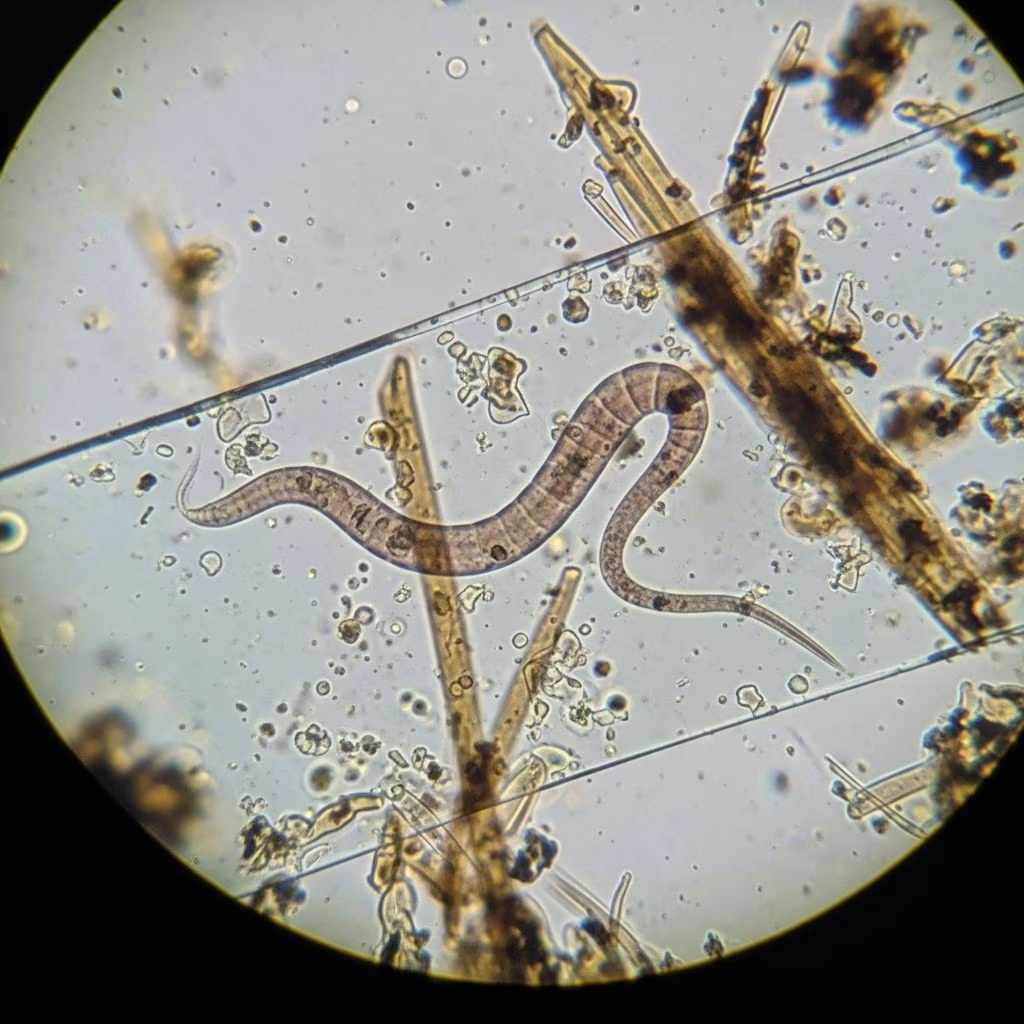
Whipworms represent a uncommon intestinal parasite affecting cats, primarily in warmer climates, with infections often going unnoticed until severe cases emerge. These nematodes, residing in the large intestine, pose minimal threat in light infestations but can lead to serious health complications when burdens grow heavy.
Understanding the Nature of Whipworms
Whipworms, scientifically known as Trichuris felis, derive their name from their distinctive whip-like shape, featuring a thin anterior end and thicker posterior. In cats, they anchor themselves to the cecal and colonic walls, feeding on tissue fluids and blood. Unlike more prevalent parasites like roundworms, whipworms are exceptionally rare in feline populations, especially in temperate regions of North America.
The lifecycle begins when a cat ingests embryonated eggs from contaminated soil, water, or feces. Eggs hatch in the small intestine, with larvae migrating to the large intestine to mature over several weeks. Infective eggs require 9-21 days in the environment to become viable, emphasizing the role of sanitation in breaking the cycle.
Risk Factors and Prevalence
Geographically, whipworm infections cluster in tropical and subtropical areas, such as parts of the Caribbean and South America, where warm, moist conditions favor egg survival. Cats with outdoor access, those in multi-pet households, or in regions with poor sanitation face heightened risks. Kittens and immunocompromised adults are particularly vulnerable, though overall incidence remains low.
- Outdoor roaming increases exposure to contaminated environments.
- Shared litter boxes or contact with infected animals facilitates spread.
- Neglected hygiene allows eggs to persist in soil for months.
Recognizing Clinical Signs
Many cats harbor whipworms asymptomatically, with light infections causing no discernible issues. Heavy infestations, however, trigger notable symptoms due to inflammation, tissue damage, and blood loss in the intestines.
| Symptom | Description | Severity Indicator |
|---|---|---|
| Bloody Diarrhea | Feces with fresh blood or mucus | Common in moderate to heavy loads |
| Weight Loss | Progressive thinning despite normal appetite | Due to malabsorption and chronic inflammation |
| Dehydration | Lethargy, dry gums, sunken eyes | From fluid loss in diarrhea |
| Anemia | Pale gums, weakness | Blood loss from worm attachment sites |
| Malaise | Reduced activity, poor coat condition | General sign of systemic impact |
Owners should monitor for these indicators, especially in at-risk cats, as early detection prevents escalation.
Diagnostic Approaches
Veterinarians rely on fecal analysis as the cornerstone of diagnosis, given the microscopic size of eggs and worms. Standard methods include:
- Fecal Flotation with Centrifugation: Concentrates eggs for microscopic identification; recommended by experts for all cats.
- PCR Testing: Detects whipworm DNA in samples sent to labs, ideal when eggs are absent.
- Antigen Tests: Specialized assays for parasite proteins, enhancing accuracy.
Testing frequency varies: four times yearly for kittens, twice for adults, aligned with lifestyle risks. Direct smears or bloodwork may support findings in severe cases.
Treatment Protocols
Once confirmed, treatment centers on anthelmintics to eliminate adult worms and larvae. Cats respond well, with high success rates and minimal side effects.
- Fenbendazole (Panacur®): Administered orally at 50 mg/kg for 3 days; effective and commonly prescribed.
- Combination Dewormers: Products like febantel, pyrantel pamoate, and praziquantel for broad-spectrum coverage.
- Follow-up Dosing: Repeat after 2-3 weeks and retest stool to confirm clearance.
Supportive care includes fluids for dehydration, nutritional support, and environmental decontamination. Prognosis excels with prompt intervention.
Environmental Management
Treatment alone insufficient; eggs persist in surroundings. Key steps include:
- Daily feces removal from litter boxes and yards.
- Disinfect surfaces with effective agents against resilient eggs.
- Wash bedding at high temperatures.
- Restrict outdoor access during recovery.
Cleaning paws post-outdoor activity reduces reingestion risks.
Prevention Strategies for Long-Term Protection
Proactive measures form the best defense, as no cat-specific monthly whipworm preventives exist. Integrate these into routine care:
- Regular fecal exams per veterinary guidelines.
- Maintain impeccable litter hygiene.
- Use broad-spectrum parasite controls where applicable.
- Avoid high-risk areas and monitor multi-cat dynamics.
For outdoor cats, combine hygiene with periodic deworming every 3-4 months if risks persist.
Potential Complications and Monitoring
Untreated heavy infections risk intestinal hemorrhage, secondary bacterial overgrowth, or anemia-induced organ strain. Post-treatment, schedule rechecks at 2-4 weeks and 2-3 months. Watch for recurrence signs, adjusting protocols as needed.
FAQs on Whipworms in Cats
Are whipworms contagious between cats?
Yes, via shared environments with infective eggs; isolate affected cats and sanitize thoroughly.
Can humans contract whipworms from cats?
Rarely; T. felis is feline-specific, unlike canine strains.
How long do whipworm eggs survive outdoors?
Up to months in moist, warm soil; desiccation kills them quickly.
Is fenbendazole safe for kittens?
Generally yes, under vet supervision; dosing adjusts by age and weight.
What if symptoms persist after treatment?
Retest and consider resistant strains or coinfections; consult your vet.
Holistic Care Integration
Bolster immunity with balanced nutrition, stress reduction, and routine wellness exams. While whipworms are rare, vigilance ensures robust health. Collaborate with veterinarians for tailored plans, emphasizing prevention’s role in parasite-free living.
References
- Whipworms in Cats – Causes, Treatment and Associated Conditions — Vetster. Accessed 2026. https://vetster.com/en/conditions/cat/whipworms
- Whipworms in Cats — PetMD. Accessed 2026. https://www.petmd.com/cat/conditions/infectious-parasitic/whipworms-cats
- Trichuris vulpis – Companion Animal Parasite Council — CAPC. Accessed 2026. https://capcvet.org/guidelines/trichuris-vulpis/
- Whipworms in Small Animals – Digestive System — Merck Veterinary Manual. Accessed 2026. https://www.merckvetmanual.com/digestive-system/gastrointestinal-parasites-of-small-animals/whipworms-in-small-animals



