

Understanding Whipworm Infections in Dogs
Whipworms are parasitic intestinal worms that affect dogs of all ages and breeds. These parasites attach to the cecum and colon of a dog’s digestive system, causing varying degrees of discomfort and health complications. Understanding whipworm infections is essential for dog owners who want to maintain their pet’s health and well-being. Unlike some other parasitic infections, whipworms can persist for extended periods and pose particular challenges due to their resilient eggs and complex lifecycle.
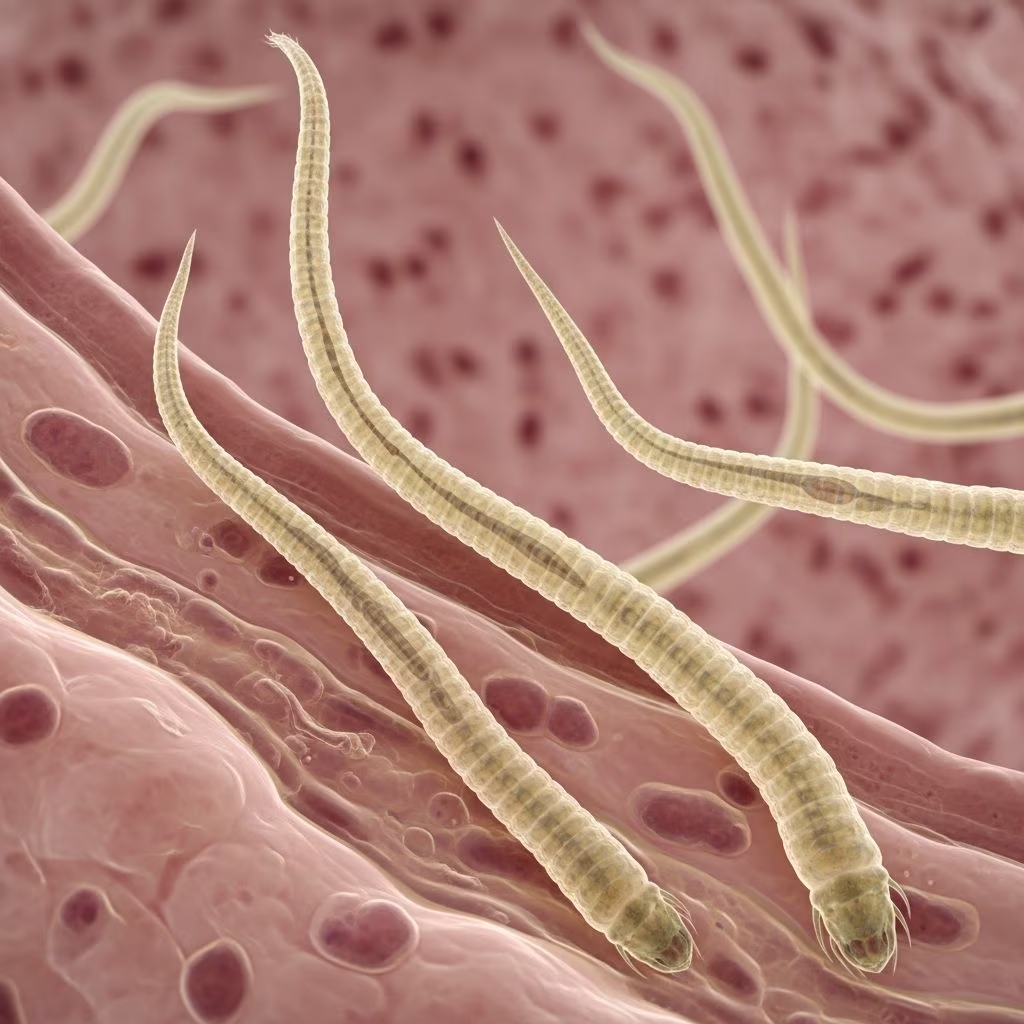
The scientific name for the whipworm parasite is Trichuris vulpis. These worms get their name from their distinctive whip-like appearance, with a thin anterior end and a thicker posterior end. Dogs contract whipworms by ingesting embryonated eggs from contaminated soil or environments where infected dogs have defecated. The parasite’s eggs are remarkably hardy and can survive in moist, warm environments for up to five years, making environmental contamination a significant concern for dog owners.
Symptoms and Clinical Signs of Whipworm Infection
The symptoms of whipworm infection in dogs vary depending on the severity of the infestation and the individual dog’s overall health status. In mild infections, dogs may show no noticeable signs at all, making diagnosis challenging without veterinary testing. However, as the infection progresses or becomes more severe, various clinical signs may emerge.
Common Symptoms Include:
- Chronic diarrhea, often with mucus or blood
- Bloody or mucoid stools
- Straining to defecate (tenesmus)
- Weight loss
- Anemia and lethargy
- Pale mucous membranes
- Poor coat appearance
- Dehydration
- Decreased appetite
- Soft stools
When whipworms attach to the cecum and colon, they cause irritation to the intestinal lining. The more whipworms present, the greater the irritation becomes, which can lead to more severe symptoms including weight loss, bloody stools, and anemia. This irritation causes a decrease in quality of life and body condition score, and can be especially dangerous in puppies, senior dogs, and dogs with compromised immune systems.
In severe whipworm infections, dogs may experience vomiting, weakness, decreased heart rate, muscle tremors, and abdominal pain. Rarely, heavy infections can cause a serious intestinal condition called intussusception or even death. It’s important to note that weight loss and bloody diarrhea may also be symptoms of other serious diseases and parasites, so consulting a veterinarian is crucial when these signs appear.
Diagnosis of Whipworm Infections
Veterinarians diagnose whipworm infections primarily through fecal examination. During a fecal test, your veterinarian will examine a sample of your dog’s stool under a microscope to look for whipworm eggs. However, diagnosing whipworms can be challenging because the eggs are not consistently shed in every bowel movement, which can lead to false negatives on initial testing.
If your veterinarian suspects whipworm infection but the initial fecal exam is negative, they will typically recommend repeating the fecal examination, especially if your dog exhibits blood in the stool or other suspicious symptoms. Some veterinary laboratories use special algorithms specific to their diagnostic tests that may improve detection rates. The diagnosis process may require multiple fecal samples collected over several weeks to confirm the presence of whipworms definitively.
Treatment Options for Whipworm Infections
Several effective medications are available for treating whipworm infections in dogs. The key to successful treatment is understanding that all medications must be repeated monthly for three months to clear the infection completely. This extended treatment timeline is necessary because of the whipworm’s long prepatent period—the time during which immature worms are not susceptible to anthelmintic medications.
Approved Anthelmintic Medications:
Your veterinarian may prescribe one of several effective anti-worm medications to kill the parasites in your dog’s system:
- Febantel (Drontal Plus) — Often combined with pyrantel pamoate and praziquantel for broad-spectrum parasite control
- Fenbendazole (Panacur) — Administered at 50 mg/kg for 3 consecutive days, repeated at 3 weeks and 3 months after initial diagnosis
- Milbemycin oxime (Interceptor Plus) — Can be used as both treatment and long-term prevention
- Moxidectin — Available in topical and oral formulations
- Oxantel — An alternative anthelmintic option approved for whipworm treatment
Treatment Schedule:
Most whipworm treatments follow a specific protocol. Initial treatment is administered at the time of diagnosis, with follow-up treatments at 3 weeks and 3 months after the initial dose. This schedule ensures that newly emerging adult worms are eliminated as they mature through the lifecycle. Some veterinarians may recommend administering treatments at one-month intervals rather than at specific intervals, which can also be effective.
Additional Supportive Care:
In cases of severe whipworm infections, additional medications may be necessary to manage uncomfortable symptoms. Fluid therapy or nutritional support might be needed for dogs experiencing significant dehydration, anemia, or malnutrition. Your veterinarian will assess your dog’s overall condition and recommend supportive treatments as needed alongside antiparasitic medications.
Monthly Heartworm Preventatives as Treatment
An alternative and often simpler approach to whipworm treatment is using monthly heartworm preventatives that contain whipworm medication. Many modern heartworm prevention products include active ingredients effective against whipworms, offering dual protection with a single monthly dose. These preventatives may contain:
- Milbemycin or moxidectin combinations
- Products like Interceptor, Sentinel, Trifexis, and Advantage Multi
- Combination products with multiple antiparasitic agents
Using a heartworm preventative that includes whipworm coverage is particularly beneficial because it provides ongoing protection after the initial three-month treatment period, reducing the likelihood of reinfection.
Environmental Control and Prevention
One of the most frustrating aspects of whipworm infections is the high re-infection rate due to the extreme hardiness of whipworm eggs in the environment. Whipworm eggs can survive for years in moist soil, making environmental management critical to preventing reinfection.
Environmental Cleanup Measures:
- Thoroughly clean and disinfect kennel areas and dog runs
- Remove feces promptly from yards and living areas to prevent contamination
- Eliminate moist areas where eggs can survive and develop
- Consider sanitizing bedding, food bowls, and other items your dog uses frequently
- Allow affected areas to dry completely, as whipworm eggs require moisture to survive
Prompt feces removal is one of the most effective prevention strategies. Cleaning your dog’s bedding, kennel area, and yard regularly helps destroy whipworm eggs before they can become infective. Eliminating moist areas in your yard is also important, as whipworm eggs thrive in damp environments.
Preventing Whipworm Infections
Prevention is always preferable to treatment when it comes to whipworm infections. Several strategies can help protect your dog from contracting whipworms:
Primary Prevention Methods:
- Keep dogs on monthly parasite preventives year-round
- Practice prompt feces removal from your yard and living areas
- Use caution when bringing pets to areas where other dogs frequent, such as dog parks or communal walking areas
- Maintain clean and dry living environments for your dog
- Avoid exposing your dog to potentially contaminated soil or water
Modern heartworm prevention products have made whipworm infections far less common today than in previous years due to their widespread use and effectiveness. Keeping your dog on a consistent year-round parasite prevention program is one of the most important steps in protecting against whipworm infection.
Reinfection and Long-Term Management
Even after successful treatment, dogs can become reinfected if exposed to contaminated environments. Because whipworm eggs are so resilient and can persist in the environment for years, veterinarians often recommend periodic retreatment as a preventive measure.
If a dog is diagnosed with a whipworm infection, it is advisable to treat it again every three to four months, even if no symptoms are present. This proactive approach helps prevent the establishment of new infections before they become problematic. Many veterinarians recommend periodic fecal exams to monitor for infections and ensure that treatment and prevention strategies are working effectively.
Persistent infection or reinfection is typically due to re-exposure to a contaminated environment rather than treatment failure. By combining medication, environmental control, and ongoing prevention, most dogs respond well to whipworm treatment and remain infection-free.
When to Contact Your Veterinarian
Weight loss, anemia, diarrhea, and bloody stools can be symptoms of other serious diseases and parasites beyond whipworm infections. If you notice any of these symptoms in your dog, contact your veterinarian immediately, as they could indicate a potentially fatal infection or serious health condition requiring prompt diagnosis and treatment.
Additionally, if your dog has been diagnosed with whipworms and is not responding well to treatment or if symptoms persist after completing the recommended treatment protocol, inform your veterinarian. They may recommend further testing or alternative treatment approaches.
Frequently Asked Questions About Whipworms
Q: How long does whipworm treatment take?
A: Whipworm treatment typically requires three months of medication, with doses administered monthly. This extended timeline is necessary because immature whipworms are not susceptible to anthelmintic medications, so multiple doses are needed as new worms mature.
Q: Can humans get whipworms from dogs?
A: Whipworms are species-specific parasites. Dogs get Trichuris vulpis, while humans can only be infected with Trichuris trichiura. Humans cannot contract whipworms from dogs, though good hygiene practices are always recommended.
Q: How often should I have my dog tested for whipworms?
A: Annual fecal exams are recommended for all dogs as part of routine preventive care. Dogs with a history of whipworm infection may benefit from more frequent testing, such as biannual or quarterly exams.
Q: Will a heartworm preventative protect my dog from whipworms?
A: Not all heartworm preventatives include whipworm coverage. Check with your veterinarian about your dog’s specific preventative medication to determine if it provides protection against whipworms.
Q: What is the success rate of whipworm treatment?
A: Most dogs respond well to whipworm treatment when the medication protocol is followed correctly and environmental control measures are implemented. However, reinfection can occur if dogs are re-exposed to contaminated environments.
Q: Are puppies more susceptible to whipworm infections?
A: Puppies can be infected with whipworms, and severe infections are more dangerous in young dogs with developing immune systems. Senior dogs and immunocompromised dogs are also at higher risk for severe complications.
References
- Whipworms in Dogs: Signs, Symptoms, Treatments — American Kennel Club. 2024. https://www.akc.org/expert-advice/health/whipworms-in-dogs/
- Whipworms in Dogs — Cornell University College of Veterinary Medicine, Riney Canine Health Center. 2024. https://www.vet.cornell.edu/departments-centers-and-institutes/riney-canine-health-center/canine-health-topics/whipworms-dogs
- Trichuris vulpis — Companion Animal Parasite Council. 2024. https://capcvet.org/guidelines/trichuris-vulpis/
- Whipworms in Small Animals – Digestive System — Merck Veterinary Manual. 2024. https://www.merckvetmanual.com/digestive-system/gastrointestinal-parasites-of-small-animals/whipworms-in-small-animals
- Whipworms in Small Animals – Digestive System — MSD Veterinary Manual. 2024. https://www.msdvetmanual.com/digestive-system/gastrointestinal-parasites-of-small-animals/whipworms-in-small-animals
- Whipworms in Dogs: Diagnosis, Treatment, and Prevention — Today’s Veterinary Practice. 2024. https://todaysveterinarypractice.com/parasitology/whipworms-in-dogs/
- Whipworm Infections in Dogs — VCA Animal Hospitals. 2024. https://vcahospitals.com/know-your-pet/whipworm-infections-in-dogs



