

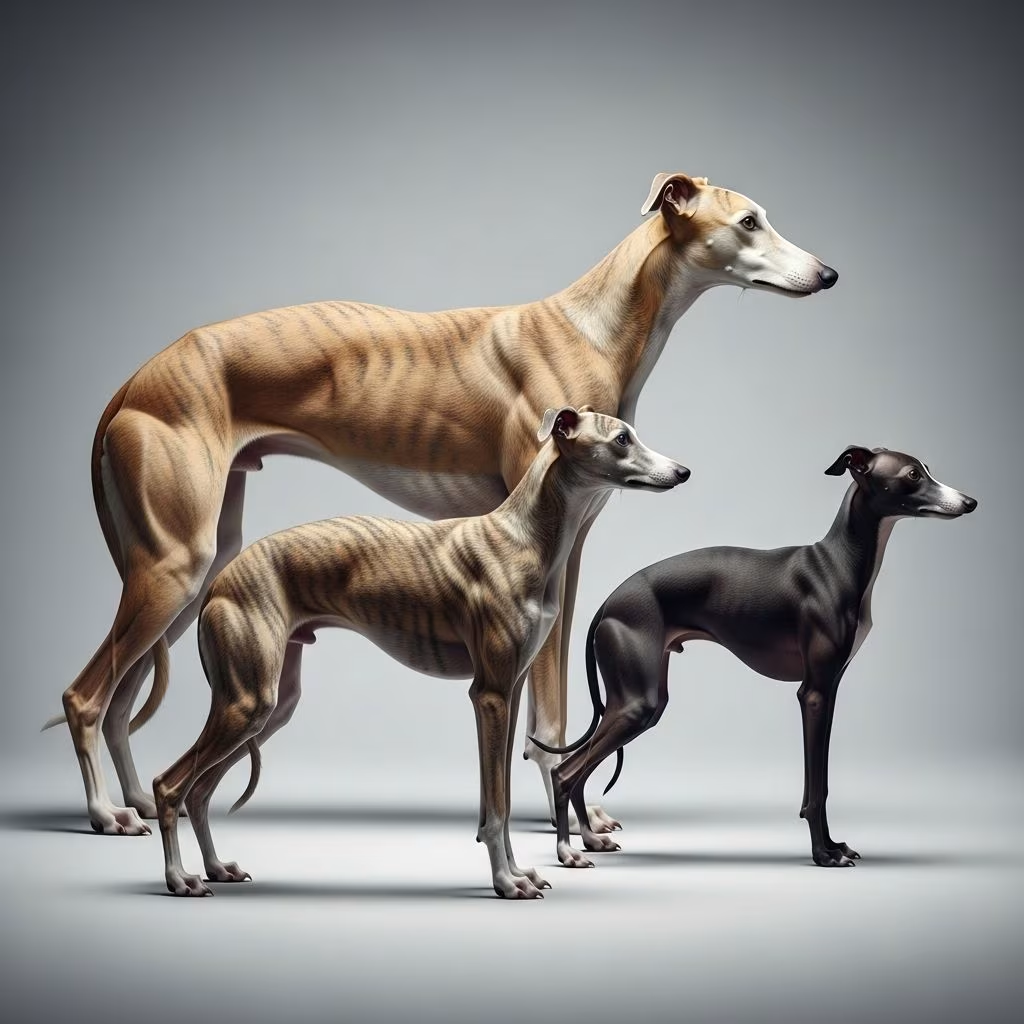
When it comes to elegant, athletic dog breeds with similar appearances, Whippets, Greyhounds, and Italian Greyhounds often come to mind. These three sighthound breeds share a graceful build and keen hunting instincts, yet they are distinctly different in many important ways. Whether you’re considering adding one of these remarkable dogs to your family or simply curious about the differences between them, this comprehensive guide will help you understand each breed’s unique characteristics, temperament, and care requirements.
Overview of the Three Breeds
All three breeds belong to the sighthound family, meaning they hunt primarily by sight rather than scent. This shared heritage gives them their distinctive lean physiques and incredible speed. However, the size differences between these breeds are dramatic, ranging from the toy-sized Italian Greyhound to the impressive Standard Greyhound. Each breed occupies a different position within the dog show world: Greyhounds are part of the Hound Group, Whippets are members of the Hound Group, and Italian Greyhounds are classified in the Toy Group. Despite these classifications, all three share the lithe and graceful physiques characteristic of sighthounds, as well as a lightning-quick instinct for pursuit.
Size Comparison: A Tale of Three Scales
Perhaps the most obvious difference between these three breeds is their size. Understanding the physical dimensions of each breed is crucial when deciding which might be best suited to your living situation and lifestyle.
Greyhound
The Standard Greyhound is the largest of the three breeds by a considerable margin. These magnificent dogs typically stand 27 to 30 inches tall at the shoulder and weigh between 60 to 70 pounds. Their imposing size makes them suitable only for homes with adequate space, and they require dedicated exercise areas for their natural sprinting abilities.
Whippet
Whippets occupy the middle ground in terms of size. They stand 17 to 22 inches tall at the shoulder and typically weigh between 25 to 40 pounds. This medium size makes them more adaptable to various living situations than Greyhounds while still maintaining the athletic build and speed these breeds are known for.
Italian Greyhound
The Italian Greyhound is dramatically smaller than its cousins. These diminutive dogs stand only 12 to 15 inches tall at the shoulder and weigh a mere 7 to 14 pounds, with some individuals weighing as little as 5 pounds. Their fine-boned and artistic appearance makes them suitable for apartment living and portability, though their delicate frames require careful handling.
Physical Characteristics and Appearance
While these breeds share similar facial features and body structure, several distinct physical characteristics set them apart.
Coat Types and Colors
All three breeds have short, smooth coats that require minimal grooming. However, variations exist among them. Whippets come in two coat varieties: smooth coat (uniformly short, smooth, and close to the body) and long coat (longer on the neck, ears, and rear limbs). Italian Greyhounds have short, fine, soft, silky, and satin-like coats. Greyhounds sport sleek, short coats that lie close to their bodies.
Color variations also differ across the breeds. Whippets can be found in a wide variety of colors, including brindle markings. Greyhounds display an equally impressive range of colors. Italian Greyhounds, however, have a more limited color palette. In Europe, they are typically found in shades of grey, black, and isabella, with white markings allowed only on the paws and chest according to FCI standards.
Facial Features
These breeds share similar eye shapes, cheek structure, and overall expressions. Their eyes are typically moderate in size and round to oval in shape, though Italian Greyhounds may also have almond-shaped eyes. All three breeds have small to medium-sized ears and smoothly muscled cheeks that are never chiseled or coarse. Their expressions are uniformly keen and alert, reflecting their hunting heritage.
Temperament and Personality Traits
While physical similarities are striking, the temperament differences between these breeds are substantial and should significantly influence your choice.
Greyhound Temperament
Greyhounds are known for their gentle, quiet, and noble demeanor. Despite their racing heritage, most Greyhounds are surprisingly calm and laid-back. They are affectionate with their families and often enjoy lounging on the couch as much as they enjoy running. However, they retain their strong prey drive and will chase anything that moves, making secure fencing and controlled environments essential.
Whippet Personality
Whippets are easy-going, adaptable, and gentle dogs. They are typically more relaxed than Italian Greyhounds and sleep considerably more. Like Greyhounds, they are capable of high intensity when running and are naturally provoked to chase after anything that runs from them. However, they tend to be more independent than Italian Greyhounds and can tolerate being alone more easily. Whippets are wonderful companions that alternate between bursts of energy and relaxed couch potato cuddle time.
Italian Greyhound Temperament
Italian Greyhounds have almost cat-like temperaments and are notably more energetic and quirky than their larger cousins. Often called “velcro dogs,” they have a tendency to be glued to their owners and form intense attachments. Unlike Whippets, Italian Greyhounds can struggle with separation anxiety. Some individuals may be more aloof or timid when socializing with unfamiliar people. Their small size has traditionally led owners to keep them away from other breeds and children, though proper socialization can help them coexist peacefully with other dogs. Italian Greyhounds stay playful and whimsical well into adulthood, acting like little wind-up toys that never seem to run out of energy.
Exercise and Activity Requirements
While all three breeds are active and enjoy physical pursuits, their exercise needs vary significantly based on their size and energy levels.
Greyhound Exercise Needs
Standard Greyhounds require the most exercise of the three breeds. These dogs are literally “meant to run” and need daily sprint sessions and multiple walks per day. A secure area where they can safely sprint at full speed is ideal. Without adequate exercise, Greyhounds may develop behavioral issues or become destructive.
Whippet Activity Level
Whippets also love to sprint and require regular vigorous exercise. However, they don’t need quite as much activity as Greyhounds. Approximately 60 minutes of exercise daily should be sufficient for most Whippets. They can be perfectly content with shorter walks and play sessions throughout the day, combined with opportunities to run off-leash in secure areas.
Italian Greyhound Exercise Requirements
Toy dogs like Italian Greyhounds typically need between 30 to 60 minutes of physical activity per day. However, despite their small size, Italian Greyhounds might actually have more energy than Whippets and stay more active throughout the day. They don’t require quite as much activity as larger sighthounds, but they still need plenty of mental stimulation and physical exercise to prevent boredom and destructive behavior.
Training and Intelligence
Training these breeds requires different approaches based on their intelligence levels, attention spans, and motivation.
Greyhound Trainability
Greyhounds are intelligent dogs that respond well to consistent, positive training methods. They are naturally gentle and eager to please, which makes basic obedience relatively straightforward. However, their strong prey drive means recall training must be thorough and reliable.
Whippet Training
Whippets are somewhat easier to train than Italian Greyhounds, though they tend to be stubborn. They respond well to positive reinforcement and consistency. Whippets are generally easier to potty train compared to Italian Greyhounds, though this isn’t always guaranteed. Like their larger cousins, they need excellent recall training to be trusted off-leash.
Italian Greyhound Training Challenges
Italian Greyhounds are super clever and enjoy learning tricks, but their attention span is limited and they have their own independent minds. They will often ask “What’s in it for me?” before complying with commands. You cannot expect to train them like herding breeds such as Australian Shepherds. Potty training Italian Greyhounds can be particularly difficult and requires patience and consistency. Like the other sighthound breeds, they need solid recall training due to their prey drive.
Socialization Needs
Proper socialization is essential for all three breeds, though their social needs and challenges differ.
Greyhounds benefit greatly from early socialization with different people, animals, and environments. This helps them develop confidence and reduces fearfulness.
Whippets are generally adaptable and take well to other dogs and children when properly socialized. Their easy-going nature makes them good family pets.
Italian Greyhounds can be more challenging in social situations. Because of their small size, they are traditionally kept away from other breeds and children, leading them to not take well to other dogs initially. However, with positive, careful socialization, they can learn to coexist peacefully with other animals and children.
Health Considerations
Each breed has its own set of health considerations that potential owners should understand.
Greyhounds can be prone to several health issues including bone and joint problems due to their size and athletic nature. Regular veterinary checkups and appropriate exercise are important.
Whippets are generally healthy dogs but can occasionally experience heart issues or eye problems. Regular veterinary care helps catch any issues early.
Italian Greyhounds, despite their small size, are generally hardy dogs. However, their delicate frames make them prone to injuries from falls or rough handling. They can also experience dental issues due to their small mouths, making regular dental care important.
Living Situation Suitability
| Breed | Best Living Situation | Space Requirements | Apartment Suitable |
|---|---|---|---|
| Greyhound | House with yard or access to running space | Large | Challenging |
| Whippet | House or apartment with moderate space | Moderate | Yes |
| Italian Greyhound | Apartment or small house | Small | Excellent |
Grooming and Maintenance
All three breeds are relatively low-maintenance when it comes to grooming. Their short coats require only occasional brushing to remove loose hair. Regular nail trimming, ear cleaning, and dental care are important for all three breeds. Italian Greyhounds may require more frequent dental care due to their small mouths and potential for dental issues.
Frequently Asked Questions
Q: Can Whippets, Greyhounds, and Italian Greyhounds live together?
A: While it’s possible for these breeds to coexist, their strong prey drive requires careful management and proper socialization. Italian Greyhounds may be at risk due to their small size if mixed with larger breeds.
Q: Which breed is best for first-time dog owners?
A: Whippets are often considered the best choice for first-time owners due to their moderate size, trainability, and adaptability. Italian Greyhounds require experienced handling due to their delicate frames and training challenges.
Q: Do these breeds get along with cats?
A: Due to their strong prey drive as sighthounds, living with cats requires careful introduction and supervision. Some individuals can learn to coexist peacefully with proper socialization.
Q: How long do these breeds typically live?
A: Greyhounds typically live 10-13 years, Whippets 12-15 years, and Italian Greyhounds 13-18 years. Smaller breeds often have longer lifespans.
Q: Are these breeds good with children?
A: Greyhounds and Whippets are generally good with children when properly socialized. Italian Greyhounds require careful supervision due to their fragile size and can be injured by rough play.
Q: What is the cost difference between these breeds?
A: Italian Greyhounds and Whippets typically have similar purchase prices, while Greyhounds may vary depending on whether they’re from breeders or rescue organizations that specialize in retired racing dogs.
Choosing Your Perfect Match
Selecting between a Greyhound, Whippet, and Italian Greyhound depends on your lifestyle, living situation, and experience level. If you have a large home with adequate space and enjoy outdoor activities, a Greyhound might be your ideal companion. For those seeking a medium-sized, adaptable dog with moderate exercise needs, a Whippet offers the perfect balance. If you live in an apartment or prefer a portable companion and don’t mind their quirky, high-energy personalities, an Italian Greyhound could be your perfect match.
All three breeds are amazing companions and make excellent additions to the right households. Consider your specific circumstances, preferences, and capabilities when making your decision. Whether you choose a graceful Greyhound, a spirited Whippet, or an adorable Italian Greyhound, you’ll be welcoming an affectionate, athletic, and loyal friend into your home.
References
- Whippet vs. Italian Greyhound: Can You Tell Them Apart? — Canadian Kennel Club. 2021-08. https://ckcusa.com/blog/2021/august/whippet-vs-italian-greyhound-can-you-tell-them-apart/
- Italian Greyhound vs. Whippet: How to Tell the Difference — American Kennel Club. https://www.akc.org/expert-advice/dog-breeds/whippet-vs-italian-greyhound/
- Italian Greyhound vs Whippet – Which Breed is Right for You? — The Life of Nello. https://thelifeofnello.com/italian-greyhound-vs-whippet
- Greyhounds, Italian Greyhounds, and Whippets: Which To Choose? — Rover. https://www.rover.com/blog/italian-greyhound-vs-greyhound/



