

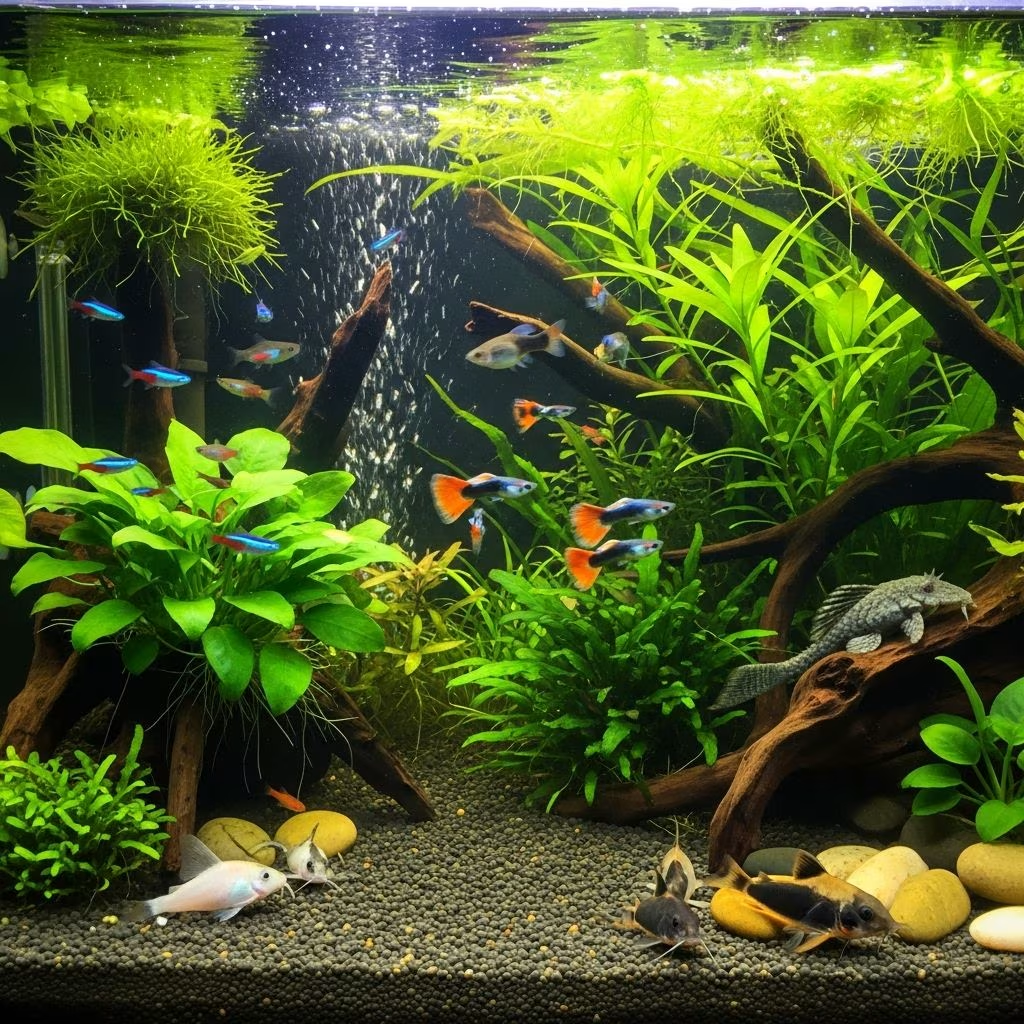
Which Fish Can Live Together in a Community Fish Tank
Creating a thriving community fish tank requires careful consideration of which species can coexist peacefully. A community aquarium brings together multiple freshwater fish species that share similar water requirements and compatible temperaments. Understanding fish compatibility is essential for maintaining a healthy, stress-free environment where all inhabitants can flourish. Whether you’re a beginner or experienced aquarist, selecting the right combination of fish species will determine the success and beauty of your aquatic setup.
Understanding Fish Compatibility
Fish compatibility refers to the ability of different species to coexist peacefully without aggression, stress, or conflict. Not all freshwater fish can live together successfully. Some species are naturally peaceful and social, while others are territorial or aggressive by nature. Pairing incompatible species can result in physical injuries, chronic stress, illness, or even death. The foundation of a successful community tank lies in understanding the behavioral traits and environmental needs of each fish species you plan to keep.
When selecting fish for your community tank, you must recognize that individual fish within a species may have varying temperaments. However, general compatibility guidelines exist based on observed behavioral patterns of specific species. These guidelines help aquarists make informed decisions about which fish are likely to coexist harmoniously.
Key Factors for Fish Compatibility
Several critical factors influence whether fish can successfully live together in a community tank. Understanding each of these elements will guide your species selection and tank setup decisions.
Temperament and Aggression Levels
The most important consideration is the natural temperament of each species. Peaceful fish generally do well with other non-aggressive species, while semi-aggressive or aggressive fish may harass or harm peaceful tank mates. You should avoid combining highly aggressive species with docile ones, as the dominant fish will stress or injure the subordinate species. Aggressive species include many cichlids, aggressive sharks, and certain barb varieties.
Adult Size Compatibility
A fundamental aquarium principle states that if a fish can fit another fish into its mouth, it will likely eat it. Most fish are opportunistic feeders and will consume smaller fish they can swallow, regardless of how peaceful they normally appear. When stocking a community tank, select fish that are roughly similar in adult size. This prevents predatory behavior and ensures all inhabitants have an equal chance of thriving. When introducing new fish to an established tank with territorial species, newcomers should be at least as large as the most aggressive or largest existing fish.
Water Parameters
Fish species have specific water requirements for pH, temperature, hardness (GH), and alkalinity (KH). Some species are highly adaptable and tolerate a wide range of conditions, while others require specific parameters to thrive. Choosing fish with similar water requirements ensures that all inhabitants can live comfortably in the same tank without compromise. Testing your aquarium water and researching the ideal parameters for each species you plan to keep is essential before adding them to your tank.
Tank Size and Space Requirements
A general stocking guideline recommends maintaining approximately one inch of adult fish per gallon of aquarium water. However, this rule can vary based on the species, filtration capacity, and bioload of the fish. Some species are more territorial and require additional space, while others are comfortable in slightly higher densities. Consider the adult size of each fish species, not their juvenile size, when calculating tank capacity. Overcrowding leads to stress, poor water quality, and increased aggression among inhabitants.
Schooling and Social Needs
Many freshwater fish are schooling species and must be kept in groups to exhibit natural behavior and reduce stress. Species like tetras, rasboras, and danios thrive when kept with others of their kind. If your tank space is limited, ensure you have enough room for the minimum group size recommended for schooling species. Failing to provide adequate numbers of schooling fish can result in stress and behavioral problems.
Feeding Habits and Diet
Different fish species have varying dietary requirements and feeding preferences. Some fish are bottom feeders, others are midwater swimmers, and some are surface feeders. Ensure that all species in your community tank can access appropriate food without excessive competition. Additionally, consider whether fish have specialized dietary needs that may be difficult to meet alongside other community inhabitants.
Top Freshwater Fish Species for Community Tanks
The following species are excellent choices for peaceful community aquariums and have proven compatibility records with numerous other species:
Neon Tetras
Neon tetras are small, brightly colored fish that reach approximately 1.5 inches in adult size. These peaceful schooling fish thrive in water temperatures between 70-81°F with a pH of 6.0-7.0. They are easy to care for and compatible with other small, peaceful species like corydoras catfish and rasboras. Keep neon tetras in groups of six or more for optimal health and behavior.
Harlequin Rasboras
Harlequin rasboras are elegant schooling fish with distinctive black markings and reddish coloration. These peaceful fish reach about 2 inches in length and do exceptionally well with tetras, guppies, and gouramis. They require similar water parameters to neon tetras and benefit from being kept in groups. Their active, darting behavior adds visual interest to any community tank.
Corydoras Catfish
Corydoras catfish are peaceful bottom dwellers that provide a valuable service to community tanks by scavenging leftover food and detritus. These social fish thrive in groups and prefer water temperatures of 72-79°F with a pH of 6.8-7.8. They are compatible with mollies, tetras, and other peaceful bottom-dwelling species. Their activity at the tank bottom adds an interesting behavioral dimension to your aquarium.
Cherry Barbs
Cherry barbs are peaceful, schooling fish that add striking red coloration to community tanks. Unlike more aggressive barb species, cherry barbs are non-aggressive and ideal for peaceful communities. They reach approximately 2 inches in length and should be kept in groups of five or more. These fish thrive in water temperatures of 72-79°F with a pH of 6.0-7.0, making them compatible with tetras, rasboras, and guppies.
Dwarf Gouramis
Dwarf gouramis are small, brightly colored fish with labyrinth organs that allow them to breathe atmospheric air. These peaceful fish reach about 3.5 inches and work well with tetras, rasboras, and corydoras. They prefer water temperatures of 72-82°F and a pH of 6.0-7.0. While moderately difficult to care for compared to some community fish, they reward dedicated aquarists with beautiful colors and interesting behavior.
Platies and Swordtails
Platies and swordtails are hardy, peaceful livebearing fish available in numerous color varieties. Both species reach 2-3 inches in length and thrive in water temperatures of 72-78°F with a pH of 7.0-8.4. They are compatible with tetras, rasboras, corydoras, and each other. These fish will reproduce readily if males and females are kept together, providing an interesting biological experience for aquarists.
Mollies
Mollies are adaptable, peaceful livebearers that tolerate various water conditions. These fish reach 3-4 inches and come in multiple color forms. Mollies coexist well with platies, guppies, and peaceful bottom dwellers. While they can adapt to freshwater, they thrive in slightly brackish conditions, though they remain compatible with most standard freshwater community fish.
Guppies
Guppies are among the most popular community fish due to their hardiness, beautiful coloration, and ease of care. These small fish reach 1.5-2 inches and are compatible with most peaceful species. Guppies prefer water temperatures of 72-82°F and a pH of 6.8-7.8. Their rapid reproduction and varied color patterns make them fascinating additions to any community tank.
Fish Species to Avoid in Community Tanks
Certain fish species are poorly suited for community tank environments due to their aggressive nature, predatory behavior, or specialized requirements. African cichlids, large predatory fish, aggressive barb species, bettas (except in specific arrangements), and most territorial fish should be avoided in peaceful community setups. These species require specialized tank conditions, compatibility considerations, or individual housing to thrive appropriately.
Creating a Harmonious Community Tank Environment
Tank Setup and Décor
Beyond species selection, the physical environment significantly impacts compatibility and fish behavior. A well-designed tank includes adequate hiding spaces, plants, and decorations that allow fish to establish territories and retreat when stressed. Live aquatic plants such as Java fern, anubias, and cryptocoryne provide cover, reduce stress, and improve water quality by absorbing nitrates. Caves, driftwood, and rock formations create shelter for bottom-dwelling and shy species.
Filtration and Water Quality
Excellent filtration is crucial for maintaining the water quality necessary for community tank success. High-quality filtration prevents waste accumulation, maintains stable pH and temperature, and reduces stress from poor conditions. Gentle filtration systems like sponge filters are appropriate for species that prefer calm waters, while other communities may benefit from more robust filtration systems. Regular water changes, typically 25-30% weekly, help maintain optimal water parameters and remove accumulated waste.
Introduction Techniques
Introducing new fish to an established community tank requires careful acclimation. Sudden changes in water chemistry or temperature can shock new fish and increase aggression in established inhabitants. Use acclimation methods such as drip acclimation or the floating bag method to gradually introduce new fish to existing water parameters. Introducing fish of similar size simultaneously can reduce aggression compared to adding a single small fish to an aggressive established community.
Compatibility Chart Summary
The following table provides a quick reference for compatibility between common community fish species:
| Species | Tetras | Rasboras | Corydoras | Gouramis | Livebearers |
|---|---|---|---|---|---|
| Tetras | — | Yes | Yes | Yes | Yes |
| Rasboras | Yes | — | Yes | Yes | Yes |
| Corydoras | Yes | Yes | — | Yes | Yes |
| Gouramis | Yes | Yes | Yes | — | Yes |
| Livebearers | Yes | Yes | Yes | Yes | — |
Frequently Asked Questions
Q: Can I keep fish of different sizes together in a community tank?
A: Fish should be roughly similar in adult size to prevent predation. If there’s a significant size difference, larger fish may eat smaller ones, even if both species are generally peaceful. When selecting fish, ensure adults will be comparable in length.
Q: How many fish can I keep in my tank?
A: The general guideline is one inch of adult fish per gallon of aquarium water. However, this can vary based on species, filtration quality, and maintenance frequency. Research the specific needs of your chosen species and consider that some fish produce more waste than others.
Q: What should I do if fish in my community tank start fighting?
A: Fighting often indicates incompatibility, inadequate space, or poor water quality. Separate aggressive fish immediately to prevent injury. Add more hiding spaces, increase tank size if possible, or remove one of the conflicting species. Also test water parameters to ensure they’re within appropriate ranges.
Q: Can I keep only one of a schooling species?
A: Most schooling fish are stressed when kept alone. While they may survive, they won’t exhibit natural behavior and will be more prone to illness and aggression. Keep schooling species in groups of at least six, though larger groups are preferable.
Q: How do I introduce new fish to my established community tank?
A: Acclimate new fish slowly using methods like drip acclimation or the floating bag technique. This allows them to gradually adjust to your tank’s water chemistry and temperature. Float the bag in the tank for 15-20 minutes, then slowly add tank water to the bag over 1-2 hours before releasing the fish.
Q: Are live plants necessary for a community tank?
A: While not strictly necessary, live plants provide numerous benefits including hiding spaces, stress reduction, nitrate absorption, and improved aesthetics. Hardy plants like anubias and java fern are easy to maintain and highly beneficial for community setups.
Q: What water parameters do most community fish prefer?
A: Most peaceful community fish thrive in neutral to slightly acidic water (pH 6.5-7.5) with temperatures between 72-78°F. However, always research specific requirements for each species you plan to keep, as individual species may have different preferences.
References
- Guide: Choosing fish for the freshwater community tank — Seachem Inc. 2025. https://seachem.zendesk.com/hc/en-us/articles/115000157214
- Fish Compatibility: How to Build a Peaceful Community Fish Tank — Aqueon. 2025. https://www.aqueon.com/articles/fish-compatibility
- Top 10 Freshwater Fish to Keep Together in A Community Tank — Splashy Fish Store. 2025. https://splashyfishstore.com/blogs/fish-keeping-101/top-10-freshwater-fish-to-keep-together-in-a-community-tank
- Freshwater Fish Compatibility Chart — LiveAquaria. 2025. https://www.liveaquaria.com/general/general.cfm?general_pagesid=539



