

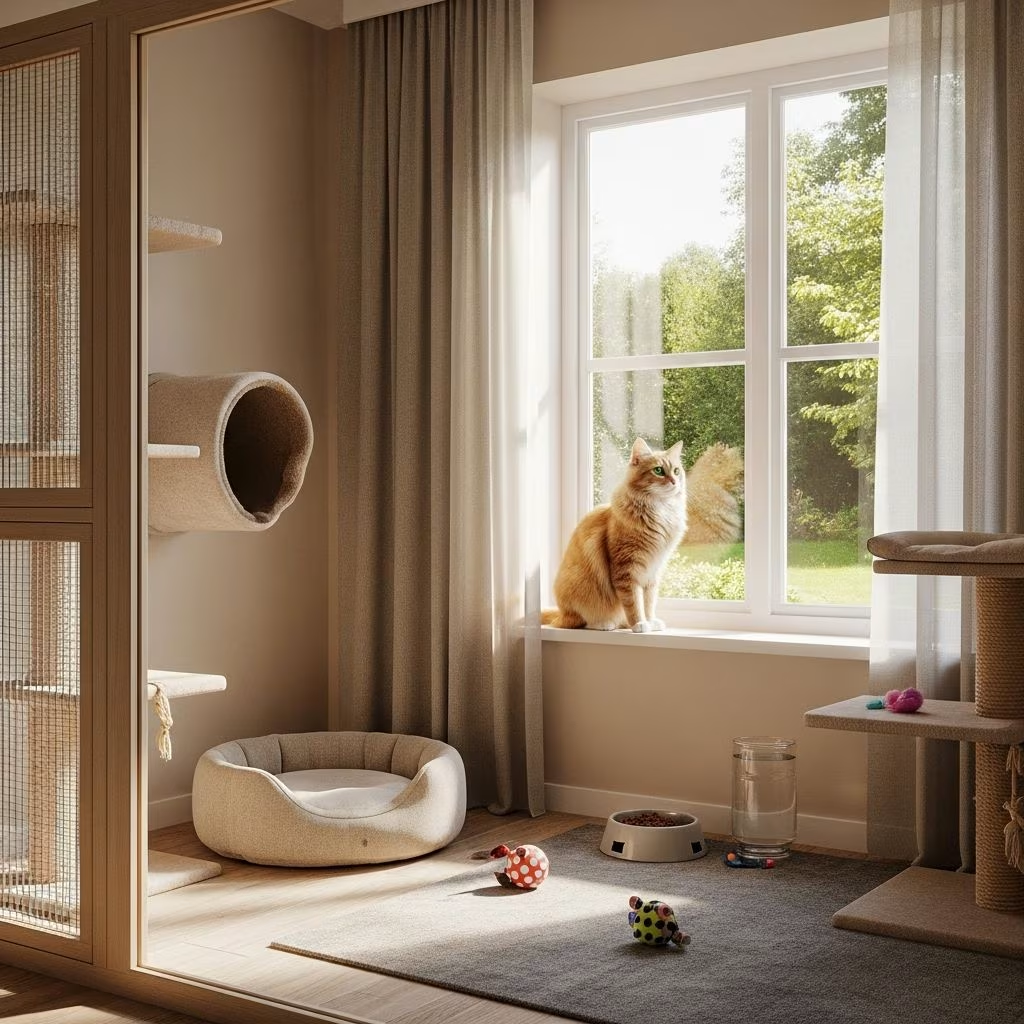
Planning a vacation is exciting, but leaving your cat behind can cause worry. Cats are independent creatures, yet they thrive in familiar environments with proper care. The best option depends on your cat’s personality, trip length, and available resources. Common choices include leaving them at home with a sitter, boarding at a facility, or staying with friends or family. Each has pros and cons, but prioritizing your cat’s comfort and safety is key. This guide covers all viable options, preparation tips, and factors to consider for peace of mind.
Can You Leave Your Cat at Home Alone?
Many cat owners wonder if it’s safe to leave their feline companion home alone during a short trip. Adult cats can typically manage for 24-48 hours with ample food, water, and a clean litter box, but longer absences increase risks like dehydration, litter overflow, or health issues going unnoticed. Kittens under four months or senior cats need more frequent checks due to higher vulnerability. Search results emphasize that while possible for brief getaways, daily visits from a trusted person are ideal for multi-day trips to monitor eating, litter use, and behavior.
- Pros: Stays in familiar surroundings, reducing stress; lower cost for short trips.
- Cons: Potential for accidents, boredom, or illness without supervision; not suitable for extended vacations.
To prepare, clean the home thoroughly, secure hazards, provide multiple water sources, and use automatic feeders. Install cameras for remote monitoring. Experts recommend against leaving cats alone beyond 24 hours without check-ins.
Option 1: Hire a Professional Cat Sitter
A professional cat sitter visits your home daily (or more), feeding, playing, cleaning litter boxes, and administering medications. This is often the top choice as it keeps your cat in its territory, minimizing stress. Services like Rover or local pros offer insured, experienced caregivers with updates via photos or apps.
Benefits include personalized care, familiarity for the cat, and flexibility for trip length. Costs vary by location and visits—expect $20-50 per visit. Vet references and client reviews ensure reliability.
- Daily feeding and fresh water.
- Litter box cleaning to prevent overflows.
- Playtime and affection to combat loneliness.
- Health monitoring and emergency protocols.
Tip: Test the sitter pre-trip with a short absence. Provide detailed instructions on routines, diet, and quirks.
Option 2: Ask a Friend or Family Member
Enlisting a trusted friend or relative to stay over or visit is budget-friendly. It’s ideal if they know your cat and can commit to the schedule. However, ensure their home (if relocating the cat) is cat-proofed and free of aggressive pets.
Pros: Personal attention, no extra cost, emotional comfort from known people. Cons: Strains relationships if issues arise (e.g., spraying or allergies); less structured than pros. For home stays, they handle check-ins; for boarding at theirs, introduce gradually.
| Aspect | Home Stay | Their Home |
|---|---|---|
| Stress Level | Low (familiar) | Medium-High (new environment) |
| Cost | Free/Gifts | Free/Gifts |
| Supervision | Daily Visits | Constant |
| Risks | Minimal | Conflicts with residents/pets |
Prepare a care packet: food samples, vet info, toys, and litter.
Option 3: Cat Boarding Facilities or Kennels
Boarding kennels provide professional oversight in dedicated cat areas. Look for clean, quiet spaces with separate dog zones, climate control, and daily cleaning. Staff monitor health, feeding, and play.
Benefits: 24/7 supervision, illness detection, consistent routines, medication administration. Drawbacks: Higher stress from new smells/sounds; costs $25-60/night. Book early and tour facilities—check for windows, spacious suites, and webcams.
- Supervised entire stay.
- Same feeding schedule as home.
- Daily kennel cleaning.
- Calming environments with toys.
Suitable for social cats or when home sitting isn’t feasible.
Taking Your Cat on Vacation with You
For adventurous owners, traveling with your cat is possible via pet-friendly hotels, carriers, and ID tags. Pros: No separation. Cons: Stressful car/plane rides, hotel restrictions, litter logistics. Use pheromone sprays and familiar bedding. Not ideal for all cats—assess temperament first.
Tips for Leaving Your Cat at Home
If opting for home-alone or sitter scenarios, meticulous prep ensures safety. From search insights, key steps include:
- Clean thoroughly: Remove toxins, secure cords/windows.
- Food/Water setup: Automatic feeders/timers, multiple bowls, fountains.
- Litter box: Extra clean, multiple boxes if multi-cat home.
- Entertainment: Toys, scratching posts, puzzle feeders.
- Monitoring: Pet cameras (e.g., with night vision), noise from TV/radio.
- Sunlight access: Open blinds for warmth/basking.
- Supplies stock: Extra food, meds, cleaning products.
- Comfort items: Your worn clothing for scent.
Autofeeders like Arf Pets dispense timed portions, preventing overeating.
How Long Can You Leave a Cat Alone?
Guidelines vary: 24 hours max for most adults without check-ins; 48 hours with auto-setup. Kittens/seniors: Never over 12-24 hours. Multi-day trips demand sitters/boarding. Factors: Age, health, multi-cat households.
| Cat Type | Max Alone Time | Recommendations |
|---|---|---|
| Adult Healthy | 24-48 hours | Daily sitter visits for longer |
| Kitten <4 months | 12-24 hours | Constant supervision |
| Senior/Health Issues | 12 hours | Professional care |
Signs of Separation Anxiety in Cats
Cats may exhibit distress: excessive meowing, destructive scratching, overeating, litter avoidance, or hiding. Mitigate with routines, pheromones (Feliway), and gradual alone-time training pre-trip.
Frequently Asked Questions (FAQs)
What is the best place to leave my cat while on vacation?
The best option is usually a professional in-home sitter, keeping your cat comfortable at home with daily care.
Can I leave my cat alone for a week?
No, daily check-ins are essential beyond 48 hours to prevent health risks.
How much does cat boarding cost?
Typically $25-60 per night, varying by facility and services.
Is it better to board or use a sitter?
Sitters reduce stress by maintaining home environment; boarding offers constant supervision.
What if my cat has special needs?
Inform sitters/kennels of meds, diet, or behavior; choose experienced pros.
Should I take my cat on vacation?
Only if they’re travel-tolerant; otherwise, home care is safer.
With these strategies, you can vacation worry-free. Always prioritize your cat’s well-being for a happy return.
References
- Leaving Cats Alone While On Vacation: 15 Tips To Follow — Comforted Kitty. 2023. https://comfortedkitty.com/leaving-cat-alone-vacation/
- 10 Tips to Serenely Prepare for Your Vacation When You Have a Cat — Nomador. 2023. https://www.nomador.com/blog/pets/10-tips-preparing-vacation-for-cats
- Where can I leave my cat while on vacation? — Animal Clinic of Grayson. 2024-05-15. https://www.acvcgrayson.com/site/blog/2024/05/15/where-leave-cat-vacation
- Cats and Vacations — PetMD. 2012-03-01. https://www.petmd.com/blogs/thedailyvet/lhuston/2012/mar/cats_vacations_sitters-13025
- What To Do With Your Pets When You Go On Vacation — Val Talks Pets. 2024-05-31. https://valtalkspets.com/2024/05/31/what-to-do-with-your-pets-when-you-go-on-vacation/
- Leaving Cats at Home While on Vacation — My Wanderlusty Life. 2023. https://www.mywanderlustylife.com/leaving-cats-at-home-while-on-vacation/



