

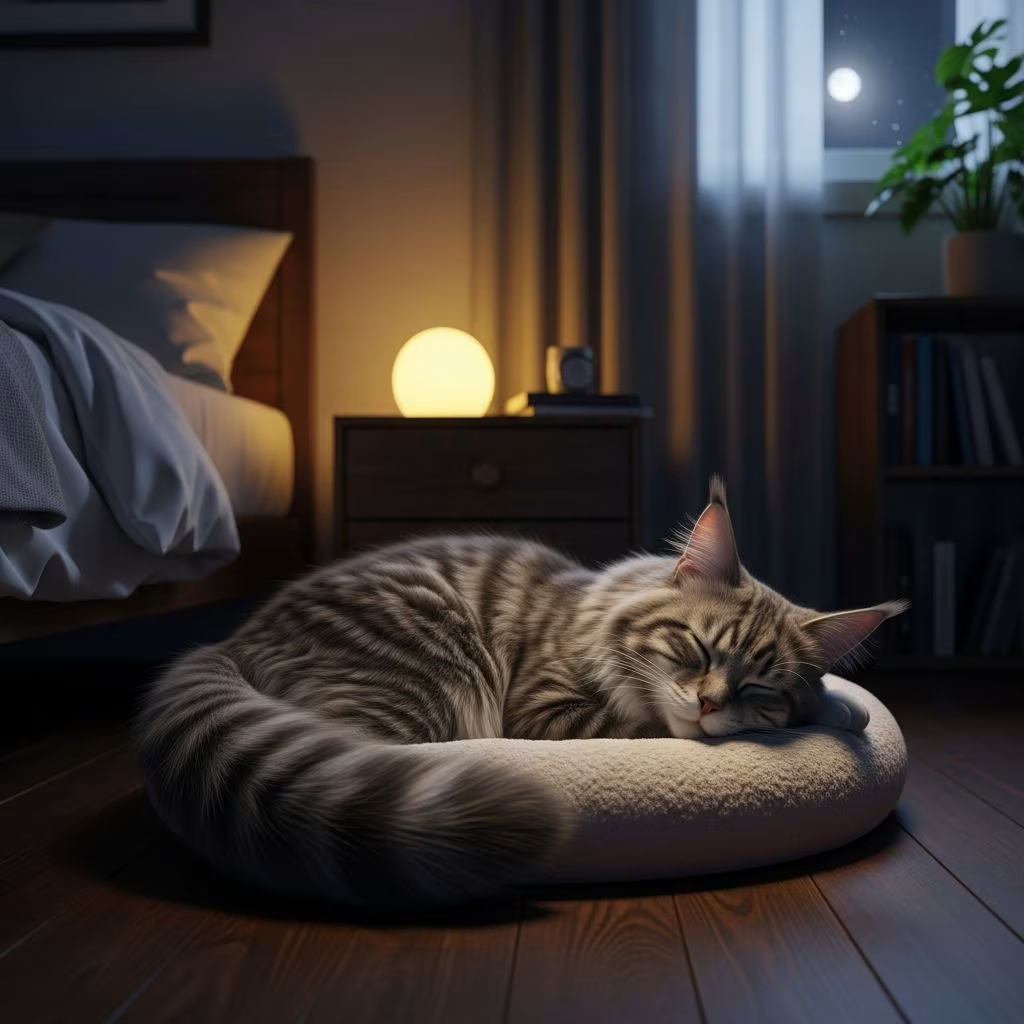
Cats are crepuscular animals, most active at dawn and dusk, sleeping up to 16 hours a day in short bursts. Choosing the right sleeping spot at night balances their natural instincts with household harmony and safety. Factors like trust, temperature, and health influence where they rest best.
Understanding Cat Sleep Patterns
Cats sleep 12-16 hours daily, preferring elevated, warm, quiet spots mimicking wild perches. At night, they may seek your bed for security or wander, reflecting comfort levels. Positions reveal mood: curled up for warmth and protection, belly up for total trust.
Common positions include:
- Curled Up (Crescent): Conserves heat, protects organs; signals chill or caution.
- Belly Up: Vulnerable pose shows deep trust and safety.
- Loaf Position: Paws tucked, alert rest; quick naps, not deep sleep.
- Side Sleeping: Relaxed deep sleep, limbs out; indicates security.
These habits guide spot selection for optimal rest.
Should Cats Sleep in Your Bed?
Many owners enjoy co-sleeping for bonding, but weigh pros and cons. Cats on beds signal affection and trust, often curling near your feet or head.
Pros:
- Strengthens bond; reduces anxiety.
- Monitors health via breathing, positions.
- Warmth shared mutually.
Cons:
- Allergies worsen from dander.
- Disrupted sleep from movement.
- Parasite risks if unclean.
If allergies or sleep issues arise, alternatives exist. Train gradually with treats to new spots.
Pros and Cons of Cats Sleeping with You
| Aspect | Pros | Cons |
|---|---|---|
| Emotional | Bonding, security for cat | Dependency, separation anxiety |
| Health | Easy monitoring | Allergens, scratches, zoonoses |
| Sleep Quality | Warmth | Interruptions, kicking off bed |
Decide based on lifestyle; many thrive co-sleeping safely.
Best Alternative Sleeping Spots for Cats
If bed-sharing isn’t ideal, provide appealing alternatives:
- Cat Bed or Tree: Elevated, plush for security.
- Warm Blanket Nook: Heated pads mimic body heat.
- Window Perch: Views entertain, cool air.
- Covered Crate: Den-like for shy cats.
Place near you initially for transition. Scented with your items eases adjustment.
Creating the Perfect Cat Sleeping Area
Ideal setup: quiet, 70-85°F, soft yet supportive. Washable fabrics prevent allergens. Multiple options cater to preferences—some love open beds, others enclosed caves.
Tips:
- Use pheromone diffusers for calm.
- Avoid drafts, loud areas.
- Rotate spots to prevent boredom.
Safety Considerations for Cat Sleeping Areas
Prioritize hazards: no cords, small objects, toxic plants. Supervise kittens. For multi-pet homes, separate if tensions exist. Vets recommend clean, parasite-free zones.
Cat Sleeping Positions and What They Mean
Positions offer insights:
- Superman: Belly down, paws stretched; ultimate relaxation.
- Paws Over Face: Blocks light, shy rest.
- Upright Seated: Brief vigilance naps.
- Hidden Away: Stress or illness sign; vet check needed.
Track changes for health cues.
How to Train Your Cat to Sleep in a Specific Spot
Positive reinforcement works:
- Choose cozy spot.
- Place food/toys there evenings.
- Use clicker training, rewards.
- Gradual bedtime routine: play, feed, bed.
- Consistency over weeks.
Patience yields results; punish not.
Common Mistakes When Setting Up Cat Sleeping Areas
Avoid:
- Cold floors: Insulate.
- Unstable shelves: Secure firmly.
- Overstimulation: Dim lights.
- Ignoring preferences: Observe habits.
When to Be Concerned About Your Cat’s Sleeping Habits
Red flags: sudden hiding, restlessness, excessive sleep (>20 hrs), twitching without REM. May indicate pain, illness. Consult vet.
Frequently Asked Questions (FAQs)
Is it okay for my cat to sleep in my bed?
Yes, if no allergies or disruptions; fosters trust but clean regularly.
Why does my cat sleep on my chest?
Seeks warmth, heartbeat security; bonding sign.
How can I stop my cat from waking me at night?
Evening play/feed tires them; ignore demands.
What if my cat refuses a new bed?
Scent with your smell, reward use gradually.
Do cats protect owners while sleeping?
Nearby sleep shows vigilance instinct.
More FAQs
Why do cats sleep in weird positions?
Flexibility, comfort; reveals mood.
Should kittens sleep with mom or alone?
Near litter initially, separate weaning.
Conclusion
Tailor sleeping spots to your cat’s needs and your home. Observe positions, adjust for safety—happy cats mean restful nights for all.
References
- 10 Cat Sleeping Positions: What Do They Mean? — Purina US. 2023-05-15. https://www.purina.com/articles/cat/behavior/understanding-cats/cat-sleeping-positions
- 13 Common Cat Sleeping Positions & What They Mean — Furtropolis by Outward Hound. 2024-02-10. https://outwardhound.com/furtropolis/cats/cat-sleeping-positions
- Sleeping Cat Behavior: What’s Normal and What’s Not — Lagniappe Animal Health. 2024-08-20. https://lagniappeanimalhealth.com/blog/sleeping-cat/
- What Do Cat Sleeping Positions Mean for Trust and Comfort? — LadynPet. 2023-11-05. https://ladynpet.com/us/blog/cat-sleeping-positions-meaning/
- What Your Cat’s Sleeping Position Reveals About Their Health — YouTube (Video Transcript). 2023-07-12. https://www.youtube.com/watch?v=62BrXWxljL8



