

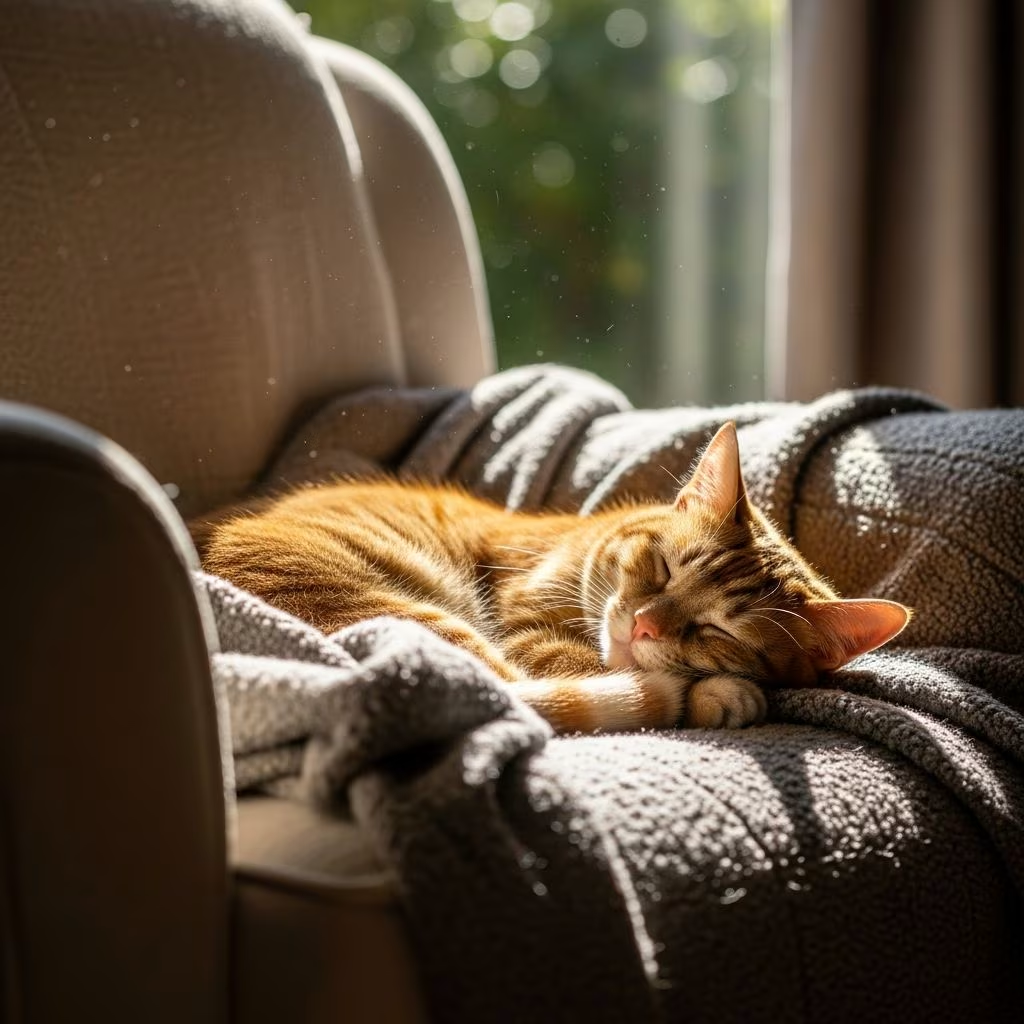
Cats are renowned for their love of sleep, often dedicating 12 to 16 hours a day to rest. Their sleeping preferences are deeply rooted in instincts from wild ancestors, prioritizing warmth, safety, and comfort. Understanding **where cats like to sleep** reveals insights into their mood, health, and bond with you.
This guide covers the top spots cats choose, from elevated perches to human beds, explaining the behavioral and physiological reasons behind each. Whether your cat curls up in a box or snuggles on your chest, these habits signal trust and security.
Why Do Cats Sleep Where They Do?
Cats’ sleeping locations stem from survival instincts. In the wild, they sought high, enclosed, or warm spots to avoid predators and conserve energy. Domestic cats retain these traits, selecting places that feel secure and thermally ideal, as their body temperature hovers around 102°F (39°C).
Sensory factors play a key role: cats’ sense of smell, 14 times stronger than humans, draws them to familiar scents like yours on the bed. They also prefer stable, quiet areas for undisturbed rest. Research shows 62% of cats sleep with owners, highlighting the pull of human warmth and bonding.
1. High Places: Windowsills, Shelves, and Cat Trees
Cats gravitate to **elevated spots** like windowsills, tops of cabinets, or cat trees. These provide a vantage point to survey their territory, mimicking tree-dwelling ancestors who escaped predators from above.
High perches offer security and temperature control—warmer near ceilings in cooler homes. A cat sleeping high feels in control, reducing stress. Provide stable shelves or multi-level cat trees to satisfy this need.
- Benefits: Safety from ground threats, optimal viewing, mild warmth.
- Signs of preference: Relaxed posture, purring while perched.
- Tip: Install window perches for sunbathing naps.
2. Warm Spots: Radiators, Sunny Windows, and Electronics
As warmth-seekers, cats adore **heated areas** like radiators, sunlit floors, or atop running dryers and TVs. Their higher body temperature makes them curl into spots retaining heat, such as curled-up positions that trap body warmth.
Sunny windows combine warmth with bird-watching stimulation. Electronics emit gentle heat, drawing cats despite the hum. These spots signal contentment; a cat loafing (paws tucked) here is relaxed yet alert.
| Sleeping Spot | Why Cats Love It | Health Insight |
|---|---|---|
| Radiators/Sunny Spots | Thermal comfort (up to 102°F ideal) | Deep relaxation |
| Electronics | Gentle, consistent heat | May indicate chilliness |
3. Enclosed Spaces: Boxes, Laundry Baskets, and Igloos
Cats famously squeeze into **boxes** or baskets, seeking ‘denning’ for security. Enclosed spots simulate litter huddles or wild hideouts, reducing stress via tactile comfort.
The ‘in-a-box’ position—head out, body in—offers protection while allowing vigilance. This traces to ancestors hiding from predators. Provide varied boxes; igloo beds mimic this perfectly.
- Instinctual reason: Feels like littermate cuddling.
- Modern twist: Laundry baskets smell like you.
4. Soft Surfaces: Beds, Blankets, and Cushions
**Your bed** tops many cats’ lists due to softness, your scent, and shared warmth. 62% co-sleep with owners, drawn by heartbeat and breathing rhythms reminiscent of kittenhood.
Preferences vary: head for stability and scent, chest for soothing sounds, feet for independence with proximity. Chest-sleepers knead, signaling deep trust.
Decoding Bed Positions
- Near Head: Scent familiarity, minimal movement.
- On Chest: Heartbeat calms like mother’s; high bond.
- At Feet: Warmth without overheating, easy escape.
5. On You: Lap, Chest, or Feet
When cats sleep **on you**, it’s peak affection. Lap or chest spots provide warmth, purr vibrations, and security. Feet offer balance—close but autonomous.
This bonding behavior shows trust; exposed positions like side-sleeping on you expose vitals, only done around safe humans. Research links it to early maternal comfort.
6. Unusual Spots: Sinks, Bags, or Clothing Piles
Cats claim **odd locales** like sinks (cool in summer, enclosed) or bags (scented, contained). These satisfy multi-needs: novelty, scent, enclosure. It’s normal unless excessive, potentially signaling stress.
Monitor for changes; persistent weird spots might indicate illness or anxiety.
Cat Sleeping Positions and What They Mean
Beyond location, **positions** reveal states. Common ones include:
- Curled Ball/Crescent: Conserves heat, protects organs; cautious or cold.
- Loaf: Paws tucked, alert relaxation; content.
- Belly Up: Total trust, deep comfort; vitals exposed.
- Side Sleeping: Muscles relaxed, REM possible; very secure.
- Acrobat/Twisted: Playful deep sleep; no pain.
These pair with spots—curled in boxes for max security.
Creating the Perfect Sleeping Environment for Your Cat
Enhance rest with:
- Multiple options: High, warm, enclosed.
- Temperature: 70-80°F ideal.
- Quiet zones away from dogs/kids.
- Beds: Donut, igloo, heated varieties.
Observe preferences; rotate to prevent boredom. Clean spots regularly for hygiene.
Health Concerns: When Sleeping Habits Change
Normal cats sleep 12-16 hours, more as seniors/kittens. Watch for:
- Excessive sleep: Illness, depression.
- New positions: Pain (e.g., tense curl).
- Avoiding you: Stress or health issues.
Consult vets for abrupt shifts; positions like belly-up signal health, but hiding may indicate problems.
Frequently Asked Questions (FAQs)
Why does my cat sleep on my bed but not my partner’s?
Your scent, warmth, or stillness may appeal more. It’s about comfort, not favoritism.
Is it bad if my cat sleeps in weird positions?
Twisted poses often mean deep relaxation, not discomfort.
How can I stop my cat from sleeping on my head?
Provide alternatives like heated beds; consistency helps redirect.
Do all cats like to sleep in boxes?
Most do for security, but some prefer open spots.
What if my cat suddenly sleeps more?
Could be age, season, or health—vet check recommended.
References
- Cat Sleeping Positions and What They Mean — The Refined Feline. 2023. https://www.therefinedfeline.com/cat-sleeping-positions-and-what-they-mean/
- Where Your Cat Sleeps on Your Bed and What It Means — The Cat Topia. 2023. https://www.thecattopia.com/blog/where-your-cat-sleeps-on-your-bed-and-what-it-means/
- 10 Cat Sleeping Positions: What Do They Mean? — Purina US. 2023. https://www.purina.com/articles/cat/behavior/understanding-cats/cat-sleeping-positions
- 11 Cat Sleeping Positions & The Meaning Behind Them — TotalVet. 2023. https://total.vet/cat-sleeping-positions/
- 20 Cat Sleeping Positions and What They Mean — PetMD. 2023. https://www.petmd.com/cat/general-health/cat-sleeping-positions-and-what-they-mean
- What Do Cat Sleeping Positions Mean for Trust and Comfort? — LadynPet. 2023. https://ladynpet.com/us/blog/cat-sleeping-positions-meaning/
- What Your Cat’s Sleeping Position Says About Their Mood and Health — York Veterinary Hospital. 2023. https://yorkveterinaryhospital.ca/blog/what-your-cats-sleeping-position-says-about-their-mood-and-health/



