

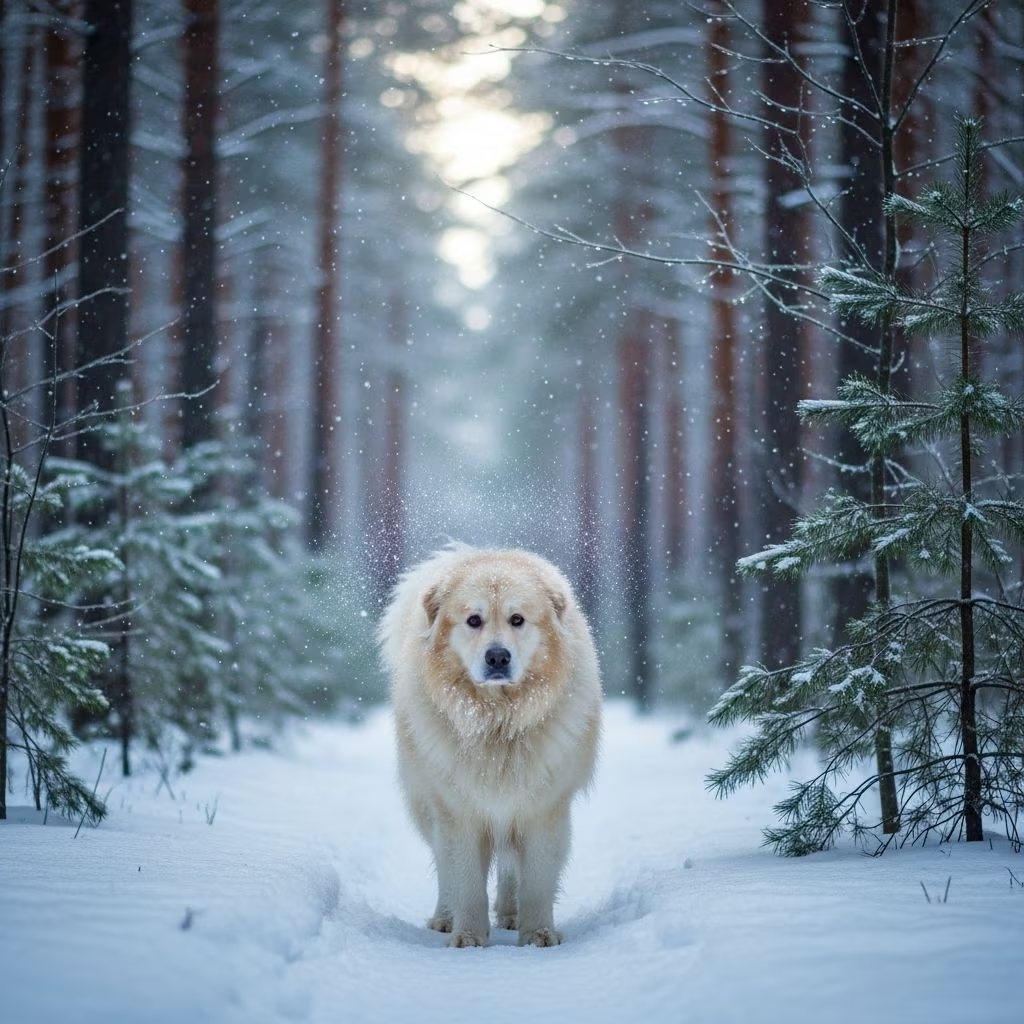
Dogs feel cold differently than humans due to variations in breed, coat thickness, size, age, and overall health. While some breeds thrive in freezing conditions, others face serious risks even at mild winter temperatures. Understanding these factors helps pet owners make informed choices about outdoor time during cold spells.
Factors That Influence a Dog’s Cold Tolerance
Several key elements determine how well a dog handles low temperatures. Coat type plays a major role: thick double coats provide insulation, while short or thin fur offers little protection. Small dogs lose body heat faster because of their higher surface-area-to-volume ratio. Puppies, seniors, and those with medical issues like arthritis or heart conditions chill more quickly.
Breed-specific adaptations matter too. Northern breeds such as Siberian Huskies or Alaskan Malamutes possess dense undercoats and oils that repel moisture, allowing them to endure sub-zero weather. In contrast, tropical or short-haired breeds like Chihuahuas, Greyhounds, or Pit Bulls require extra precautions below 45°F (7°C).
- Coat length: Long and thick coats trap warm air effectively.
- Body fat: Overweight dogs retain heat better than underweight ones.
- Activity level: Moving generates warmth, but resting exposes vulnerabilities.
- Acclimation: Dogs gradually exposed to cold develop better tolerance over time.
Safe Temperature Guidelines for Outdoor Exposure
Veterinary standards provide clear benchmarks for cold exposure. The U.S. Department of Agriculture specifies that temperatures must not drop below 45°F (7°C) for more than four consecutive hours in indoor housing. For non-acclimated dogs, short-haired breeds, puppies, seniors, or those with health issues, the minimum rises to 50°F (10°C). All dogs below 50°F need bedding or heat sources to conserve warmth.
For outdoor activities like walks, keep durations short when air dips below freezing (32°F or 0°C)—ideally 10-15 minutes. Healthy adult dogs may tolerate 20-30°F (-7 to -1°C) for brief periods, but vulnerable pets should stay indoors. Pavement in cold weather can cause frostbite on paw pads; always check surfaces and wipe paws after exposure to remove ice-melting chemicals.
| Air Temperature (°F) | Risk Level for Healthy Dogs | Recommendations |
|---|---|---|
| 50°F and above | Low | Normal activity fine; monitor vulnerable dogs. |
| 45-50°F | Moderate | Shorten walks; provide coats for small/short-haired breeds. |
| 30-45°F | High | Limit to potty breaks; use booties and jackets. |
| 20-30°F | Very High | Outdoor time under 10 minutes; indoor exercise preferred. |
| Below 20°F | Dangerous | Avoid outdoors; risk of frostbite and hypothermia. |
These ranges adjust based on wind chill, humidity, and duration. A 20°F day with 20 mph winds feels like 5°F, amplifying risks dramatically.
Recognizing Hypothermia and Frostbite Symptoms
Hypothermia occurs when a dog’s core temperature falls below 99°F (37.2°C), with normal ranges at 99.5-102.5°F (37.5-39.2°C). Early signs include shivering, lethargy, and hunched posture. Moderate cases show weak pulse, shallow breathing, and gum paleness (90-99°F rectal). Severe hypothermia below 82°F (28°C) leads to stupor, coma, or death without urgent care.
Frostbite targets ears, tail, paws, and scrotum due to poor circulation. Watch for discolored (pale/gray), swollen, or blistered skin, along with pain, limping, or reluctance to move. Immediate veterinary attention is essential; do not rub affected areas, as this worsens damage.
- Mild hypothermia: Shivering, whining, paws cold to touch.
- Moderate: Confusion, slow heart rate, dilated pupils.
- Severe: Unconsciousness, fixed pupils—call vet immediately.
Essential Gear and Home Protection Strategies
Outfit vulnerable dogs with weatherproof coats covering the neck to tail base, ensuring a snug fit without restricting movement. Booties protect paws from ice, salt, and sub-zero ground temps. For home, provide draft-free bedding elevated off floors, heated mats (supervised), or blankets in quiet areas.
Keep garages and outdoor kennels insulated, with straw bedding for absorption. Never leave pets in cars during cold snaps, as interiors plummet rapidly. Indoor exercise options like puzzle toys or flirt poles maintain fitness without exposure.
Special Care for Puppies, Seniors, and Sick Dogs
Puppies under 12 weeks have immature thermoregulation; newborns need 85-90°F (29-32°C) environments. Seniors often have thinner coats and joint pain exacerbated by cold. Dogs with diabetes, hypothyroidism, or heart disease lose heat inefficiently—prioritize them for indoor living.
Monitor body temperature rectally if concerned: lubricate a digital thermometer, insert 1-2 inches, and hold for 60 seconds. Anything outside 100-102.5°F warrants a vet check.
Daily Habits for Cold Weather Preparedness
Increase calorie intake by 10-20% for outdoor dogs to fuel heat production, using high-quality food. Fresh, unfrozen water prevents dehydration, which hinders warmth retention. Regular grooming removes mats trapping moisture but avoids over-bathing to preserve natural oils.
Schedule vet checkups before winter to address vulnerabilities. Train recall commands for safe, short yard relief instead of long walks.
FAQs
At what temperature should I stop walking my dog?
Below 32°F (0°C), limit walks to 10 minutes for most dogs, shorter for small breeds or those with health issues. Use the ‘paw test’: if ground freezes your hand in 5 seconds, skip the walk.
Can dogs sleep outside in winter?
Only acclimated, healthy adult dogs in insulated shelters above 45°F (7°C). Vulnerable pets must stay indoors between 50-85°F.
How do I warm a cold dog safely?
Move to a warm room, wrap in blankets, offer warm (not hot) fluids. Use skin-to-skin contact or warm water bottles. Seek vet care for moderate symptoms.
Do all dogs need sweaters?
No, but small, thin-coated, or inactive dogs benefit greatly below 45°F.
What if my dog refuses to come inside?
Northern breeds may resist; provide a heated shelter option and monitor hourly.
References
- Animal Care Tech Note: Temperature Requirements for Dogs — USDA APHIS. 2023. https://www.aphis.usda.gov/sites/default/files/ac-tech-note-temp-req-dogs.pdf
- How Cold Is Too Cold for Your Dog? — PetMD. 2024. https://www.petmd.com/dog/care/how-cold-too-cold-dog
- What Temperature Is Too Hot or Too Cold to Walk Your Dog? — GoodRx. 2024. https://www.goodrx.com/pet-health/dog/what-temperature-too-hot-for-dogs-to-walk
- Normal Dog Temperature: When to Worry About Your Pet’s Health — Halo Collar. 2023. https://www.halocollar.com/blog/dog-health/normal-dog-temperature/
- Normal Rectal Temperature Ranges — Merck Veterinary Manual. 2024. https://www.merckvetmanual.com/multimedia/table/normal-rectal-temperature-ranges
- Cold weather animal safety — American Veterinary Medical Association. 2023. https://www.avma.org/resources-tools/pet-owners/petcare/cold-weather-animal-safety



