

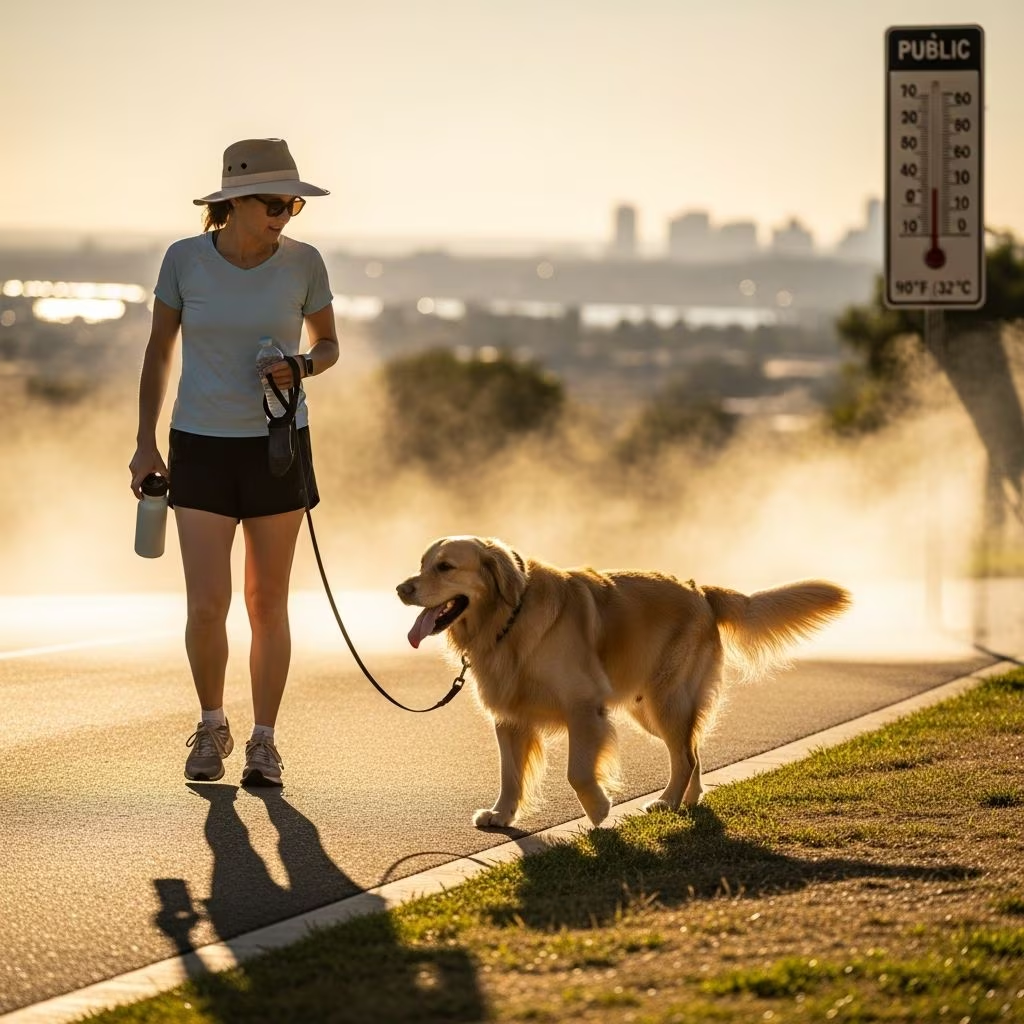
As temperatures rise during the warmer months, pet owners face a critical question: when is it too hot to walk your dog? What feels pleasantly warm to us can quickly become dangerously hot for our four-legged companions. Understanding the risks and recognising the signs of heat-related stress isn’t just good pet parenting—it could literally save your dog’s life.
Understanding the Heat Stroke Risk
Heat stroke in dogs is far more prevalent than many pet owners realise. Research from the British Veterinary Association (BVA) reveals alarming statistics: vets see five times more heat-stroke cases during heatwaves, with one in four affected dogs dying. Further research by the Royal Veterinary College (RVC) shows that nearly 60 percent of annual heat-stroke cases occurred during just 40 days that comprised the five heatwave periods of 2022, highlighting how concentrated the risk can become during extreme weather.
The danger lies in how dogs regulate their body temperature. Unlike humans, dogs cannot sweat through their skin; they rely primarily on panting to cool themselves. When the external temperature is too high, panting becomes ineffective and their body temperature can quickly escalate to dangerous levels.
Which Dogs Are Most Vulnerable?
While all dogs face heat risks, certain groups are particularly vulnerable:
- Overweight or obese dogs
- Dogs with thick, double coats
- Those with underlying health conditions, particularly respiratory or heart problems
- Black or dark-coloured dogs (who absorb more heat)
- Puppies and senior dogs with compromised thermoregulation
- Brachycephalic (flat-faced) breeds like Bulldogs and Pugs
Breeds such as Corgis with double coats begin to feel uncomfortable when temperatures exceed 85 degrees Fahrenheit. Similarly, Chihuahuas struggle with heat regulation due to their size and physiological characteristics, making them particularly prone to overheating during summer months.
What Triggers Heat Stroke in Dogs?
Understanding the cause of heat-related illness helps pet owners recognise risk factors. Research shows that exercise is the trigger in over 51 percent of heat-stroke cases, with a hot environment causing 31 percent of cases. Notably, 68 percent of exercise-related heat-stroke events occurred after just walking in the heat—not intensive exercise. This means even a leisurely stroll during the hottest part of the day can pose serious risks.
Dr. Rachel Warnes of the Oregon Humane Society emphasises this danger: “Even a short walk can cause heat stroke on a summer day.” This underscores the importance of careful timing and duration when planning outdoor activities.
The 5-Second Pavement Test: Your Essential Safety Tool
One of the most effective yet simplest ways to assess whether it’s safe to walk your dog is the 5-second rule. Here’s how it works:
- Place the back of your hand firmly on the pavement
- Try to hold it there for 5 seconds
- If you cannot comfortably keep your hand on the surface for the full 5 seconds, it’s too hot for your dog’s paws
This test is crucial because asphalt and concrete can become 30°F to 60°F hotter than the air temperature. So when the air temperature is a seemingly moderate 85°F, the pavement could reach 130°F or higher—hot enough to burn paw pads in under a minute. Hot surfaces not only cause painful burns but also contribute to overheating as heat travels up through their pads into their body.
Planning Walks During Cooler Times
The golden rule for summer dog walking is straightforward: time is everything. Early morning walks and evening outings are ideal when the sun isn’t at its strongest. Not only are air temperatures cooler, but pavements and surfaces have also had time to cool down.
Optimal walking times include:
- Early morning walks before 8 AM (some sources recommend before 10 AM)
- Evening walks after 7 PM
If you have a dog with high energy levels that needs significant exercise, Dr. Warnes recommends “short, frequent walks and also walking early in the morning or in the evening.” This approach allows your dog to burn energy safely while minimising heat exposure.
The mantra from veterinary professionals is simple but vital: when in doubt, don’t go out. Your dog won’t mind missing one walk, but heat stroke can have consequences that last far longer than any fleeting heatwave.
Protecting Your Dog’s Paws
Your dog’s paws are particularly vulnerable during hot weather. Beyond the pavement test, several protective measures can safeguard these sensitive areas:
Paw Booties and Protective Gear
Dog booties or paw balms create a barrier between sensitive pads and hot pavement. Dr. Fox suggests protecting their feet with booties and/or paw balms, though it’s important to note that paw balms require multiple applications before they start to take effect. This is especially important for dogs that must walk across hot, rough surfaces like pavement or sand that can damage paw pads.
Route Selection
Whenever possible, choose shaded routes through parks or woodland areas. Stick to grass, dirt, or shaded trails rather than sun-baked sidewalks. This approach significantly reduces the risk of paw pad burns and helps keep your dog’s body temperature lower during walks.
Recognising Signs of Overheating and Heat Stroke
Being able to identify warning signs is essential for any dog owner. Heat exhaustion and heat stroke exist on a spectrum, and early intervention can prevent serious complications.
Signs of Heat Exhaustion
- Excessive panting
- Weakness or lethargy
- Drooling
- Disorientation or confusion
- Rapid heartbeat
- Bright or pale gums
Signs of Heat Stroke (More Severe)
- Extremely rapid breathing
- Collapse or inability to stand
- Seizures
- Elevated body temperature over 104 degrees Fahrenheit (40 degrees Celsius)
- Unresponsiveness
- Pale or discoloured gums
If you notice any of these symptoms, move your dog to a cool area immediately and contact your veterinarian. Heat stroke is a medical emergency that requires urgent professional attention.
Modifying Exercise During Warm Spells
During periods of warm weather, your approach to exercise should change significantly. Rather than eliminating activity entirely, adapt your routine to keep your dog mentally and physically stimulated safely:
- Shorten walk duration, but increase frequency—multiple short walks are safer than one long walk
- Choose shaded routes through parks or woodland areas
- Swap energetic games for mental stimulation activities in a cool space
- Consider indoor training sessions or puzzle toys (such as a frozen Kong toy or lickimat)
- Provide enrichment activities that don’t require outdoor exercise
Creating Cool Retreats at Home
Your home should become a canine cooling centre during hot weather. Transform your living space to help your dog stay comfortable:
- Set up fans in your dog’s favourite spots to promote air circulation
- Close curtains or blinds to block direct sunlight and reduce indoor temperatures
- Provide cooling mats or elevated beds for better air circulation underneath
- Designate bathroom tiles or other cool surfaces as ‘chill zones’
Hydration: The Foundation of Heat Safety
Keeping your dog properly hydrated is critical during warm weather. Make water irresistible and readily available:
- Place multiple bowls around your home and garden
- Add ice cubes to their water bowl to keep it cool and appealing
- Carry a collapsible bowl and water bottle when out for walks
- Offer frozen treats such as ice cubes made from diluted low-sodium chicken broth
- Always bring water on walks and take breaks in shaded areas to prevent overheating
Breed-Specific Considerations
Different breeds have different heat tolerance levels. Understanding your specific breed’s vulnerabilities helps you provide appropriate care:
Dachshunds: Being low to the ground, they are more susceptible to hot pavement and heat radiating off surfaces. Pet parents should also monitor their pups for sunburn, especially if they have a short-haired Dachshund or one with a lighter coat. Walking on grass or shady paths whenever possible is essential for this breed.
Short-nosed breeds (Bulldogs, Pugs, French Bulldogs): These breeds are more susceptible to heat stroke and should be monitored closely. Their facial structure makes breathing less efficient, particularly when they’re warm.
Double-coated breeds (Corgis, German Shepherds, Huskies): While their coats provide excellent insulation, they can lead to rapid overheating. Once temperatures exceed 85 degrees Fahrenheit, these dogs can start to feel uncomfortable.
Frequently Asked Questions
Q: At what temperature is it too hot to walk my dog?
A: There’s no single temperature threshold that applies to all dogs, as factors like breed, age, health status, and humidity affect heat tolerance. However, use the 5-second pavement test as your guide: if the pavement is too hot for your hand, it’s too hot for your dog’s paws. Generally, aim to avoid walking during peak heat hours (10 AM to 7 PM) when temperatures and surface temperatures are highest.
Q: Can I use paw balm instead of booties for protection?
A: Paw balms can provide some protection, but they require multiple applications before they become effective. Dog booties offer more reliable protection against hot surfaces and are often the better choice for extremely hot days. Consider using both as part of a comprehensive protection strategy.
Q: How often can I walk my dog during hot weather?
A: Instead of one long walk, plan for multiple short, frequent walks during cooler times of the day. This approach allows your dog to get necessary exercise and bathroom breaks while minimising heat exposure.
Q: What should I do if my dog shows signs of heat exhaustion?
A: Move your dog to a cool area immediately, provide water to drink, and contact your veterinarian. You can also apply cool (not cold) water to their body, particularly around the neck, armpits, and groin areas where major blood vessels are close to the surface.
Q: Are indoor activities enough during extreme heat?
A: Yes, during extreme heat events, focusing on indoor activities, mental stimulation through puzzle toys, and training sessions is perfectly appropriate and often preferable to outdoor exposure. Quality mental exercise can tire a dog just as effectively as physical exercise.
The Bottom Line: Keeping Your Dog Cool This Summer
Keeping your dog cool isn’t about restricting their summer fun—it’s about ensuring they can enjoy the warmer months safely. With proper preparation, awareness of the risks, and smart adaptations to your routine, both you and your dog can make the most of the sunshine without compromising their health.
The key principles are straightforward: plan walks for early morning or evening hours, use the 5-second pavement test before every outdoor activity, provide constant access to cool water and shaded spaces, and remain vigilant for signs of overheating. Remember that heat-related illness can develop quickly and have serious or fatal consequences. When in doubt about whether it’s too hot for outdoor activities, err on the side of caution. Your dog won’t mind missing one walk, but heat stroke can have consequences that last far longer than any fleeting heatwave.
By implementing these strategies and remaining attentive to your dog’s needs, you’ll ensure they stay safe, comfortable, and healthy throughout the summer season.
References
- How to Keep Your Pets Safe During Extreme Heat Waves — Kinship. https://www.kinship.com/pet-health/how-to-keep-your-pets-safe-during-extreme-heat
- How to Keep Your Dog Cool This Summer — Kinship. https://www.kinship.com/uk/dog-health/how-to-keep-dog-cool-heat-stroke
- When Is It Too Hot to Walk Your Dog? Understanding the 5-Second Rule — Kindred Pet Care. https://kindredpetcare.com/blog/too-hot-to-walk-dog-5-second-rule
- Every Dog’s Biggest Warm Weather Need, According to Their Breed — Kinship. https://www.kinship.com/dog-health/dogs-warm-weather-need-by-breed



