

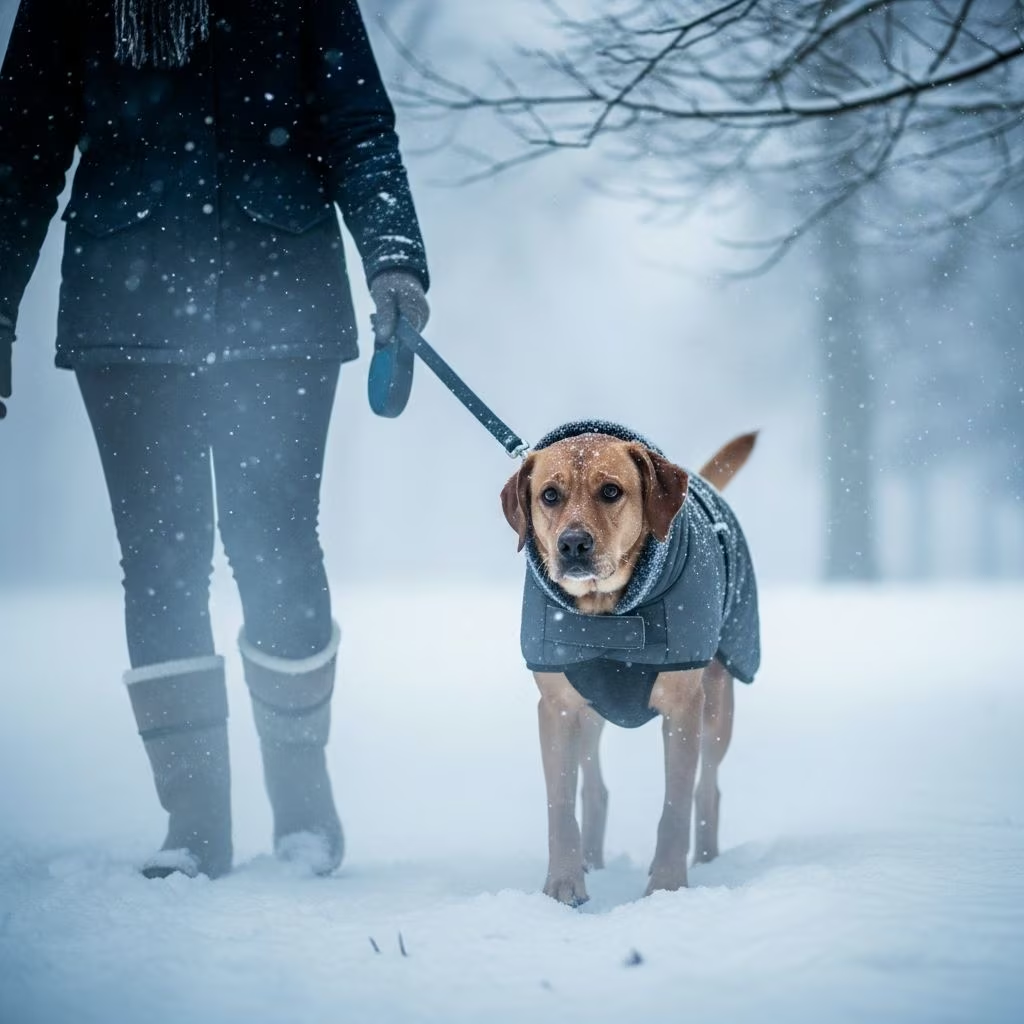
Winter walks in the UK bring crisp air and frosty excitement, but biting winds, damp chills, and icy paths can make conditions harsh for dogs. While breeds like Siberian Huskies thrive in cold, others shiver quickly. This guide covers safe temperatures, risks, duration tips, cold signs, protective strategies, and indoor options to keep your dog healthy and happy year-round.
How cold is too cold to walk your dog?
Dogs’ cold tolerance varies by breed, size, age, health, and acclimation. Small, thin-coated, senior, or puppy dogs feel cold faster than large, thick-coated northern breeds. UK winters rarely drop below freezing extremes, but wind chill and wet conditions amplify risks like hypothermia and frostbite.
Monitor temperatures below 7°C (45°F), where discomfort begins for vulnerable dogs. At 0°C (32°F) and lower, all dogs face heightened risks, especially with wind or dampness. Acclimatised dogs adjust gradually, but sudden drops demand caution.
Dog walk temperature chart
| Temperature (°C / °F) | Small/Thin-Coated Dogs | Medium-Coated Dogs | Large/Thick-Coated Dogs |
|---|---|---|---|
| Above 7°C (45°F) | Safe for normal walks | Safe for normal walks | Safe for normal walks |
| 4-7°C (39-45°F) | Short walks (15-20 min), gear up | Normal walks OK | Normal walks OK |
| 1-4°C (34-39°F) | Very short walks (10-15 min), coat/booties | Short walks (20-30 min) | Normal with monitoring |
| 0°C to -1°C (32-30°F) | Potty breaks only, full gear | Very short (15 min), gear | Short walks (20-30 min) |
| Below -1°C (30°F) | Indoor only, no walks | Potty breaks with gear | Very short with caution |
This chart draws from veterinary guidelines; adjust for wind chill, rain, and your dog’s specifics. Puppies, seniors, and those with health issues need extra care at higher temps.
Should you walk your dog in the winter?
Yes, exercise remains essential for physical health, mental stimulation, and routine. Skipping walks entirely risks obesity, boredom, and behavioural issues like winter reactivity—increased agitation from shorter outings and less daylight. Balance safety with activity: shorten walks, gear up, and add indoor alternatives on harsh days.
How long should you walk your dog in the winter?
- Small breeds: 15-20 minutes max in freezing conditions; potty breaks suffice below 0°C.
- Medium breeds: 20-30 minutes, monitoring closely.
- Large/thick-coated breeds: Up to 30-45 minutes if comfortable.
Walk during warmer midday hours (11am-2pm) to minimise exposure. Watch for fatigue; end early if needed. Frequent short trips prevent energy buildup better than one long, risky outing.
How to tell if your dog is getting too cold
Recognise these signs promptly to avoid hypothermia or frostbite:
- Shivering or trembling uncontrollably
- Lifting paws off ground or excessive paw-licking
- Slowing pace, reluctance to move, or tail-tucking
- Whining, anxiety, or disorientation
- Gum paleness or rapid breathing
If spotted, return indoors immediately, warm gradually with blankets (no direct heat), and consult a vet for severe symptoms like lethargy or collapse.
Tips for walking your dog in cold weather
- Check forecasts: Use wind chill and precipitation data; avoid ice or salted paths.
- Dress appropriately: Coats for thin-coated dogs; booties for paw protection against ice melt chemicals.
- Warm-up paws: Wipe paws post-walk to remove irritants; moisturise if cracked.
- Shorten and schedule smartly: Midday walks; multiple brief outings.
- Stay visible: Reflective gear for dark UK winter days.
- Indoor prep: Acclimate to gear indoors first.
Practice booties gradually; many dogs adapt with treats. Northern breeds may need less, but all benefit from monitoring.
Alternatives to walking in cold weather
Can’t walk? Keep your dog active indoors to combat cabin fever:
- Indoor fetch/tug: Use halls or soft toys; add obstacles for agility.
- Puzzle toys/chews: Long-lasting options release energy mentally.
- Training sessions: Teach tricks via Zoom classes or apps; 10-15 minutes daily.
- Hide-and-seek: Hide treats around home for sniffing fun.
- Massage/play: Gentle rubs plus interactive toys.
- Doggy daycare: Indoor playgroups for socialisation and exercise.
These maintain fitness, reduce reactivity, and suit extreme cold. Combine with short potty breaks.
FAQs
Q: What temperature is too cold for small dogs?
A: Below 4°C (39°F), limit to potty breaks with full gear; indoor exercise preferred under 0°C (32°F).
Q: Do dogs need coats in winter?
A: Thin-coated breeds like Greyhounds or Pugs do; thick-coated ones like Huskies often don’t, but test tolerance.
Q: Are dog booties necessary?
A: Ideal for icy/salted paths to prevent cuts, chemicals, frostbite; introduce slowly.
Q: Can puppies go on winter walks?
A: Very short only above 7°C; vulnerable to cold, prioritise warmth.
Q: What causes winter reactivity in dogs?
A: Shorter walks, less daylight, routine changes lead to frustration; counter with indoor activity.
Q: How to protect paws from de-icing salts?
A: Booties or paw wax; rinse and dry paws after walks.
References
- Cold-Weather Walking Tips for You and Your Dog — Emancipet. 2025-01-01. https://emancipet.org/blog/2025/01/cold-weather-walking-tips-for-you-and-your-dog/
- When Is it Too Cold to Walk Your Dog? UK Guide — Kinship. Accessed 2026. https://www.kinship.com/uk/dog-lifestyle/when-too-cold-to-walk-dog
- How Cold Is Too Cold for Dogs? — Kinship. Accessed 2026. https://www.kinship.com/dog-health/how-cold-is-too-cold-for-dogs
- Surviving Snowy Winter With Your Dog — Kinship. Accessed 2026. https://www.kinship.com/dog-health/surviving-snowy-winter-your-dog
- Winter Reactivity in Dogs — Kinship. Accessed 2026. https://www.kinship.com/dog-behavior/winter-reactivity-dogs



