

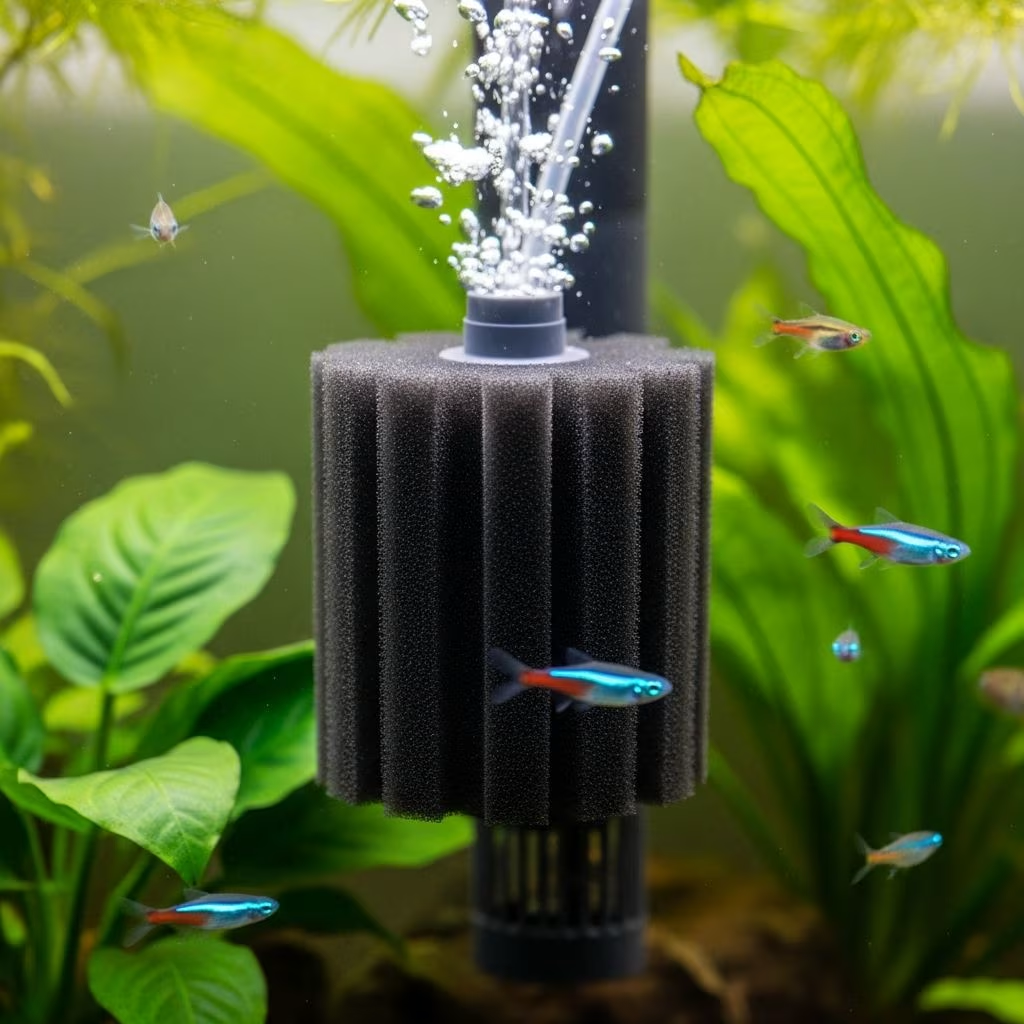
When to Use Sponge Filters for Fish Tanks
Sponge filters represent one of the most underrated and cost-effective filtration solutions available to aquarium hobbyists today. Many people dismiss them in favor of more expensive options like canister or hang-on-back filters, yet sponge filters deliver exceptional performance for a fraction of the cost. Understanding when and how to use sponge filters can significantly improve your aquarium management while keeping your budget in check. Whether you’re a beginner just starting your aquatic journey or an experienced aquarist looking for reliable supplementary filtration, sponge filters offer versatile solutions for various tank setups and situations.
What is a Sponge Filter and How Does It Work?
A sponge filter is a deceptively simple yet highly effective filtration device that has been trusted by fish keepers for decades. The basic sponge filter consists of just three essential components: a porous foam sponge that sits inside your tank, an air pump positioned outside the tank, and airline tubing connecting the two. When you turn on the air pump, it forces air through the tubing into the hollow center of the sponge. This air rises through the sponge, creating bubbles that generate suction, which draws water through the sponge walls from all directions.
The filtration process happens in two distinct stages. Initially, the sponge provides mechanical filtration by physically trapping debris, uneaten food, fish waste, and other solid particles as water passes through its porous structure. This keeps your water visibly clean and prevents ammonia buildup. Over time, as the sponge develops, beneficial bacterial colonies establish themselves throughout the foam matrix. Once this biological filtration kicks in, these good bacteria work to detoxify harmful ammonia and nitrites, converting them into less toxic nitrates. This dual-action filtration creates a healthy, stable aquarium environment without requiring chemical filtration media.
Key Advantages of Sponge Filters
Sponge filters offer numerous compelling benefits that make them an excellent choice for many aquarium situations:
- Affordability: Sponge filters are remarkably inexpensive compared to other filtration systems, making them accessible to hobbyists on any budget. Once purchased at a low initial cost, they last a long time before requiring replacement.
- Simplicity: With minimal mechanical parts and straightforward operation, sponge filters are virtually impossible to break and require no complex setup or additional equipment.
- Gentle Water Flow: The soft current produced by sponge filters is ideal for protecting delicate aquatic life like fish fry and shrimp that could be harmed by stronger suction.
- Quiet Operation: Sponge filters produce significantly less noise than many alternative filtration systems, though using air stones can further reduce bubble noise.
- Power Outage Protection: Unlike powered filters that stop working during electrical outages, beneficial bacteria on sponge filters remain active in oxygenated water, giving them a better chance of survival.
- Easy Maintenance: Cleaning a sponge filter is straightforward – simply rinse it in old tank water to preserve beneficial bacteria.
- Versatility: Sponge filters work effectively in freshwater, saltwater, and brackish aquarium environments.
When to Use Sponge Filters: Ideal Scenarios
Breeding and Fry Tanks
One of the most popular uses for sponge filters is in breeding tanks and fry nurseries. When raising fish fry and other tiny aquatic creatures, the gentle current produced by sponge filters is absolutely crucial. Young fish are fragile and can be injured or killed by the strong suction of conventional filters. The customizable nature of sponge filters allows you to adjust the current intensity using air pump regulators, creating the perfect conditions for delicate fry to thrive without stress or danger.
Shrimp and Invertebrate Tanks
Shrimp and other small invertebrates benefit tremendously from sponge filter setups. The soft suction prevents these creatures from being sucked into the filter intake, which is a common problem with more powerful filtration systems. Additionally, the surface area of sponge filters provides an excellent grazing surface for shrimp to feed on biofilm and algae, supplementing their diet naturally.
Planted Aquariums
Sponge filters are particularly well-suited for planted tanks where you want to minimize water disturbance and maintain a gentle environment for rooted plants. The moderate water circulation prevents excessive plant movement while still providing adequate water quality maintenance. Modern sponge filter designs often feature colors that blend seamlessly with planted tank aesthetics.
Hospital and Quarantine Tanks
Setting up a quarantine or hospital tank becomes remarkably simple with sponge filters. You can stack multiple sponge filters on a single air pump line, and when you need to establish a hospital tank, you simply remove one pre-seeded sponge filter that already contains established beneficial bacterial colonies, immediately providing biological filtration for the quarantined fish.
Small Aquariums
For small nano tanks, desk aquariums, or betta fish bowls, sponge filters provide adequate filtration without taking up excessive space or creating strong currents that could stress the inhabitants. Their compact design makes them perfect for space-limited setups.
Supplementary Filtration
Sponge filters also work excellently as supplementary filters alongside your primary filtration system. Placing a sponge filter at the intake of a canister filter helps capture large particles before they reach the canister, preventing blockages and extending the life of your primary filter. This two-stage approach also protects small fish and shrimp from being sucked into powerful filter intakes.
Limitations and When NOT to Use Sponge Filters
While sponge filters excel in many situations, they do have limitations worth considering:
- Large Tank Capacity: Sponge filters work best in smaller to medium-sized aquariums. For large tanks, you’ll need proportionally larger sponges or multiple units.
- Limited Chemical Filtration: Unlike canister or hang-on-back filters that can incorporate activated charcoal, sponge filters cannot provide chemical filtration.
- Moderate Flow Requirements: Heavily stocked tanks or those with high bioload may require more substantial filtration than a single sponge filter can provide.
- Aesthetic Considerations: Some aquarists prefer the hidden filtration of hang-on-back or canister filters over the visible presence of sponge filters, though modern designs improve aesthetics significantly.
Optimizing Sponge Filter Performance
To get the best results from your sponge filter, consider these optimization strategies:
- Choose Appropriate Porosity: Select sponges with 20 ppi (pores per inch) medium porosity that easily collect particulates without clogging too quickly.
- Use Air Collars: Installing an air collar diffuses air into smaller, more consistent bubbles, reducing noise while creating more stable and continuous water flow.
- Add Flow Accessories: Curved uplift tubes and horizontal flow designs distribute filtered water more effectively throughout the tank.
- Consider Water Circulation: Running your sponge filter with a powerhead increases water circulation and particle removal efficiency.
- Regular Maintenance: Rinse your sponge in old tank water weekly during established cycles to remove excess detritus while preserving beneficial bacteria.
Sponge Filter vs. Other Filtration Systems
| Feature | Sponge Filter | Hang-On-Back Filter | Canister Filter |
|---|---|---|---|
| Cost | Very Affordable | Moderate | Expensive |
| Noise Level | Quiet | Moderate | Quiet |
| Maintenance | Simple | Moderate | Complex |
| Water Flow | Gentle | Moderate to Strong | Adjustable |
| Chemical Filtration | No | Yes | Yes |
| Power Outage Protection | Yes | No | No |
| Best For | Fry, Shrimp, Small Tanks | General Purpose | Large, Heavily Stocked |
Frequently Asked Questions
Q: Can I use a sponge filter in a large aquarium?
A: Yes, you can use sponge filters in large aquariums, but you’ll need to use a larger sponge filter or multiple units to provide adequate filtration for the increased bioload. The key is matching the sponge filter size to your tank volume and stocking level.
Q: How often should I clean my sponge filter?
A: During the established cycle, rinse your sponge filter weekly in old tank water to remove excess detritus. This maintains water flow while preserving the beneficial bacterial colonies essential for biological filtration.
Q: Are sponge filters suitable for fish-in cycling?
A: Sponge filters work well for fish-in cycling since they develop biological filtration relatively quickly. However, frequent water changes are still necessary to manage ammonia levels during the cycling process.
Q: Can I use a sponge filter with an undergravel filter?
A: Yes, sponge filters can work alongside undergravel filters as supplementary filtration, creating redundancy and improving overall water quality maintenance.
Q: Do sponge filters require a specific air pump?
A: Sponge filters work with standard aquarium air pumps. Choose a pump with appropriate CFM (cubic feet per minute) rating for your sponge filter size and desired water flow rate.
Q: Will sponge filters harm my fish or plants?
A: No, sponge filters are safe for all aquarium inhabitants. Their gentle current protects delicate fish and invertebrates, and they won’t damage plants or other decorations.
Conclusion
Sponge filters deserve far greater recognition than they typically receive in the aquarium hobby. Their combination of affordability, simplicity, reliability, and effectiveness makes them an invaluable tool for virtually any aquarist. Whether you’re raising delicate fry, maintaining a peaceful shrimp tank, establishing a quarantine setup, or supplementing your primary filtration system, sponge filters deliver consistent results without requiring significant investment or complex maintenance routines. By understanding when to deploy sponge filters and how to optimize their performance, you can maintain superior water quality while focusing your resources on other aspects of your aquarium hobby. Don’t overlook these humble filters – they represent some of the best value and most practical solutions available to modern aquarium keepers.
References
- Benefits of Using Aquarium Sponge Filters — iMountain Tree. 2024. https://www.imountaintree.com/aquarium-sponge-filter-benefits/
- Sponge Filters: The Easiest Fish Tank Filter Ever — Aquarium Co-Op. 2024. https://www.aquariumcoop.com/blogs/aquarium/sponge-filters-the-easiest-fish-tank-filter-ever
- A Guide to Easy Fish Tank Filters: The Sponge Filter — Aquacadabra. 2024. https://aquacadabra.com/blogs/news/a-guide-to-easy-fish-tank-filters-the-sponge-filter



