

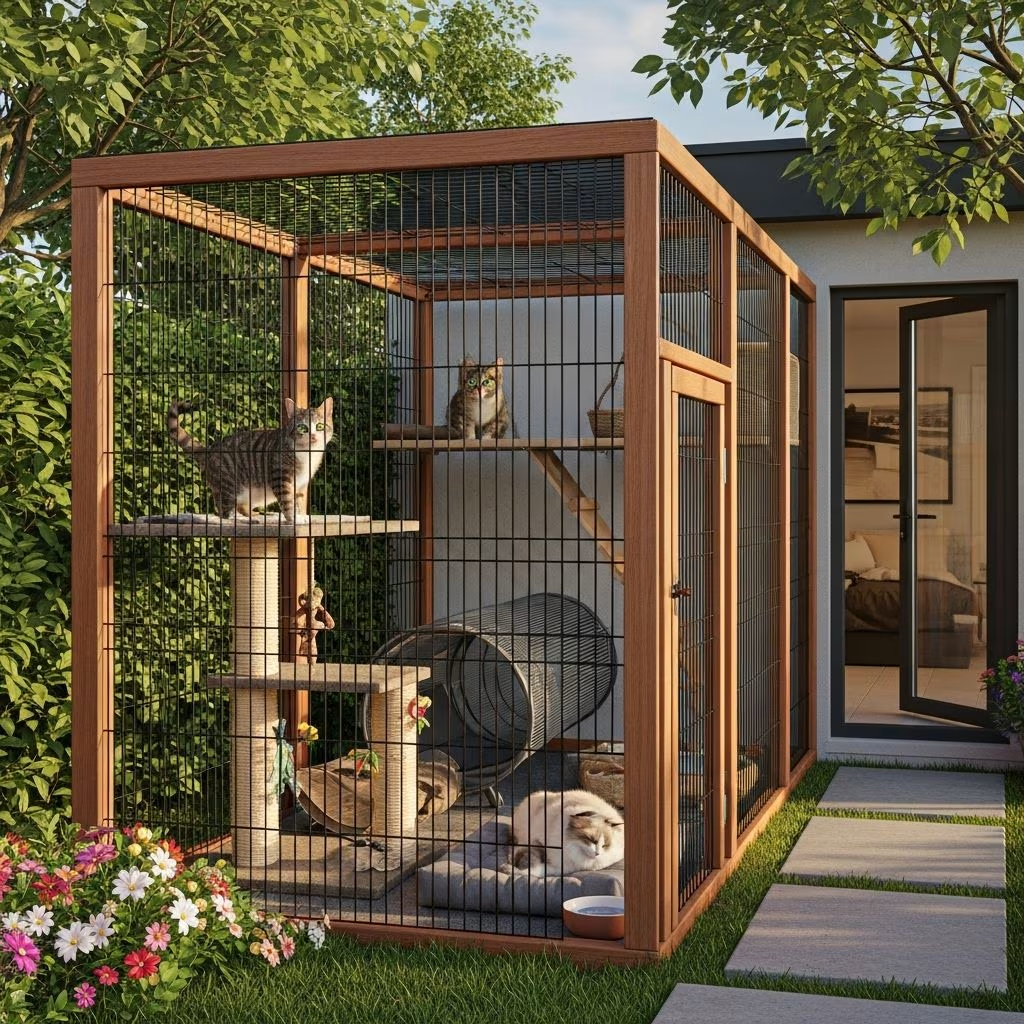
Cats are naturally curious creatures who love exploring their surroundings and claiming cozy spots as their own territory. However, there are times when temporarily confining your feline friend to a smaller space becomes necessary. While a separate room might seem like an obvious solution, it often provides too much area depending on the reason for confinement. Additionally, cats possess remarkable agility in jumping and climbing, making it challenging to keep them contained using conventional methods like baby gates or cardboard boxes. A cat pen or enclosure offers a practical solution that not only keeps your cat safely confined but can also become a comfortable and enjoyable space for your feline family member when set up properly.
When Your Cat Needs a Pen or Enclosure
Understanding the right situations for using cat pens and enclosures helps you make informed decisions about your pet’s welfare and safety. Different scenarios call for temporary confinement, and recognizing these situations ensures your cat receives appropriate care.
Illness or Injury
A sick or injured cat requires careful management to ensure proper recovery. Confining your cat to a smaller space becomes particularly important during recovery periods. Cats recovering from surgery or bone fractures need to restrict their movements significantly, preventing complications that could arise from excessive activity. A cat enclosure provides the ideal environment for this restricted movement, allowing your feline to rest while remaining safe and contained. The confined space also helps prevent your cat from accidentally reopening incisions or worsening injuries through excessive jumping or climbing.
Mom Cat and Kittens
Pregnant or nursing mother cats require a private, secure space for themselves and their kittens. This sanctuary provides essential comfort during the vulnerable kitten-rearing period. A cat enclosure serves multiple protective functions: it keeps kittens safe from other pets in your home who might be overly curious, shields the vulnerable newborns from disturbances, and gives the mother cat a secure territory where she can nurse and care for her litter without stress. The enclosed space also prevents kittens from wandering into dangerous areas of your home before they’re ready for more freedom.
Safety While Traveling
Traveling with your cat presents unique challenges, as movement and unfamiliar environments create stress for most felines. A portable cat enclosure provides significantly more space than a standard cat carrier, giving your cat room to stretch, move, and relax during overnight stops. When you arrive at your final destination, whether it’s a new home or temporary accommodation, the enclosure becomes a secure base where your cat can acclimate to new surroundings at her own pace. This gradual introduction to a new environment reduces anxiety and helps your cat feel safe during the transition period.
Outdoor Playtime
Outdoor cat enclosures, commonly known as catios, have gained tremendous popularity among cat parents seeking to provide outdoor experiences safely. These fully enclosed structures allow cats to enjoy fresh air, sunshine, and natural stimulation while remaining completely protected from outdoor hazards. While many catios are permanent installations, temporary outdoor cat pens and tents offer flexibility for renters or those wanting to test outdoor access before committing to permanent structures. These portable solutions allow your cat to experience the outdoors safely during pleasant weather.
Indoor Playtime
Beyond practical necessities, cat pens and enclosures enhance your indoor cat’s quality of life. Many cat parents find that their cats genuinely enjoy these spaces for daytime play, hiding, and napping. A dedicated play enclosure provides enrichment opportunities, creates a defined territory your cat can claim as her own, and offers a safe space separate from household activity. Cats naturally seek enclosed spaces for security, making well-designed enclosures attractive features in your home environment.
Types of Cat Enclosures Available
The variety of cat confinement situations has led to the development of multiple enclosure styles, each with specific advantages. Understanding the differences helps you select the option best suited to your needs.
Cat Pens
Cat pens are an excellent choice for kitten play areas and temporary containment. These pens feature open tops, allowing mother cats to move freely in and out while tending to their kittens. Most kittens cannot yet jump or climb out of open-top pens, making this design ideal for the nursing phase. The IRIS 4-panel exercise play pen exemplifies this category, offering a spacious play area while remaining lightweight and portable. For enhanced security, the IRIS Nylon Mesh Security Roof can be added to create a fully enclosed space when needed. This flexibility makes open-top pens adaptable to various situations as your kitten grows.
Cat Tents
Portable cat tents provide comfortable play spaces while remaining easy to set up and store. Many modern cat tents can be fully closed to create a secure, enclosed environment. Popular options include the Outback Jack kitty compound and the Paws and Pals portable play pen, both of which offer transformable designs that adapt to your needs. These tents typically feature mesh panels for visibility and ventilation, allowing your cat to see her surroundings while remaining safely contained. The portability of tent-style enclosures makes them perfect for cats whose outdoor time varies seasonally or for pet parents who travel frequently.
Cat Cages
Fully enclosed cat cages provide maximum security for outdoor time and situations requiring complete confinement. These structures are closed on all sides and the top, creating a secure barrier against outdoor predators and escape attempts. The IRIS Multi-Story wire cat play pen represents this category, offering multiple levels for climbing and movement while maintaining complete enclosure. Wire cages provide excellent visibility while ensuring your cat remains entirely safe during supervised outdoor time. The strength of properly constructed cages makes them ideal for situations where security is paramount.
Cat Enclosure Safety Essentials
Proper setup and maintenance of cat enclosures directly impacts your cat’s safety and comfort. Following established safety guidelines protects your feline during confinement.
Assembly and Maintenance
Begin by ensuring your cat enclosure or pen is correctly assembled according to manufacturer instructions. Improper assembly can create structural weaknesses that compromise safety. Before each use, carefully inspect your enclosure for potential hazards such as loose strings, frayed mesh, sharp edges, or broken components. Address any damage immediately, as even small defects can cause injury during active play. Regular maintenance between uses prevents accidents and extends your enclosure’s lifespan.
Essential Supplies Inside the Enclosure
When your cat occupies an enclosure, provide everything necessary for comfort and wellbeing:
- Cat toys for mental stimulation and physical activity
- Comfortable cat bed for resting and security
- Food and water bowls with fresh supplies
- Litter box for bathroom needs
- Climbing or scratching structures for enrichment
Supervision and Time Limits
Cat enclosures and pens are designed for temporary use only, never as permanent housing. Always supervise your cat while she’s confined to an enclosure, checking frequently to ensure she remains comfortable and safe. Establish reasonable time limits for confinement based on your cat’s age, health, and reason for containment. Kittens may tolerate shorter periods than adult cats, while injured or recovering cats may spend more time confined but still require regular monitoring. Extended confinement can lead to behavioral issues and stress, so use these spaces judiciously.
Choosing the Right Enclosure for Your Situation
Your decision should consider multiple factors including your cat’s age, health status, living situation, and the specific reason for confinement. A kitten needing a safe play area has different requirements than an injured adult cat requiring recovery rest. Similarly, outdoor access needs differ significantly from temporary medical confinement. Assess your specific situation honestly, considering both your cat’s personality and your home environment.
For renters, portable options prove invaluable since permanent installations often violate lease agreements. Pet parents with outdoor space might invest in a permanent catio structure for regular use. Those traveling frequently benefit from collapsible, lightweight enclosures. Consider your budget, available space, and how frequently you’ll need the enclosure when making your selection.
Creating a Pleasant Enclosure Experience
While cat pens and enclosures serve practical purposes, they can become places your cat genuinely enjoys. Enhance the experience by adding vertical space for climbing, cozy hideaways, and stimulating toys. Rotate toys regularly to maintain interest and prevent boredom. Position the enclosure where your cat can observe household activity or outdoor scenery, providing mental enrichment. When set up thoughtfully and used appropriately, these spaces become positive additions to your cat’s environment rather than sources of stress.
Comparing Enclosure Options
| Enclosure Type | Best For | Advantages | Disadvantages | Permanence |
|---|---|---|---|---|
| Open-Top Cat Pen | Kitten rearing and play | Allows mother access; lightweight; affordable | Not escape-proof for older cats; limited weather protection | Temporary/Portable |
| Cat Tent | Flexible indoor/outdoor play | Portable; can be fully enclosed; various sizes available | May not withstand heavy use; mesh can snag | Temporary/Portable |
| Wire Cat Cage | Outdoor time; recovery periods; security | Fully enclosed; durable; multi-level options | Less portable; can look institutional; takes more space | Semi-permanent/Portable |
| Permanent Catio | Regular outdoor access; established homes | Spacious; custom designs; seamless integration | Expensive; requires installation; permanent commitment | Permanent |
Frequently Asked Questions About Cat Pens and Enclosures
Q: How long can my cat safely stay in an enclosure?
A: Cat enclosures are designed for temporary use only. Duration depends on the situation—kittens might enjoy supervised playtime for a few hours, while a recovering cat might need rest periods of several hours multiple times daily. However, enclosures should never be used as permanent housing. Always monitor your cat’s stress levels and provide frequent breaks.
Q: Can I use a cat enclosure outdoors year-round?
A: Most portable cat enclosures are designed for temporary outdoor use during pleasant weather. Permanent catio structures can provide year-round access with proper design and weatherproofing, but temporary tents and pens should be used seasonally or stored during harsh weather to prevent damage and ensure your cat’s comfort.
Q: What size enclosure do I need for my cat?
A: Larger is generally better, as cramped spaces increase stress and limit movement. A minimum of 32 square feet is recommended for comfortable temporary confinement, though more space provides additional enrichment opportunities. Consider your cat’s age, activity level, and the intended duration of use when selecting size.
Q: Can multiple cats share one enclosure?
A: Yes, multiple cats can share an enclosure if it’s large enough and they have a harmonious relationship. Ensure sufficient space so cats can maintain distance from each other, provide multiple resources like litter boxes and water bowls, and monitor interactions for signs of stress or conflict.
Q: Are cat enclosures escape-proof?
A: Quality enclosures are highly resistant to escape when properly assembled and maintained, though determined or particularly athletic cats may occasionally find ways out. Regular inspection for weak points and secure assembly are essential. Wire cages and fully enclosed structures offer better security than open-top pens.
Q: Can I leave my cat alone in an enclosure?
A: Cat enclosures should only be used under close supervision. Never leave your cat unattended for extended periods, as emergencies or injuries can occur. Brief supervised periods are appropriate, but confinement without supervision should be avoided except during nighttime rest in a fully equipped, secure space.
Q: What’s the difference between a catio and a cat enclosure?
A: Catios are typically larger, more permanent outdoor structures, often attached to homes and designed for regular use. Cat enclosures are generally smaller, portable, and temporary solutions. Catios often provide more space and amenities, while enclosures offer flexibility and easier storage.
References
- When to Use a Cat Pen or Cat Enclosure — Chewy. 2024. https://www.chewy.com/education/cat/pet-parenting/when-to-use-a-cat-pen-or-cat-enclosure
- What is the Difference Between a Catio, Cat Fencing, and a Cat Enclosure — ProtectaPet. 2024. https://protectapet.com/blogs/blog/what-is-the-difference-between-a-catio-cat-fencing-and-a-cat-enclosure
- Cat Enclosures – What You Should Know — Burwood Veterinary Clinic. 2024. https://burwoodvet.com/cat-enclosures-what-you-should-know/



