

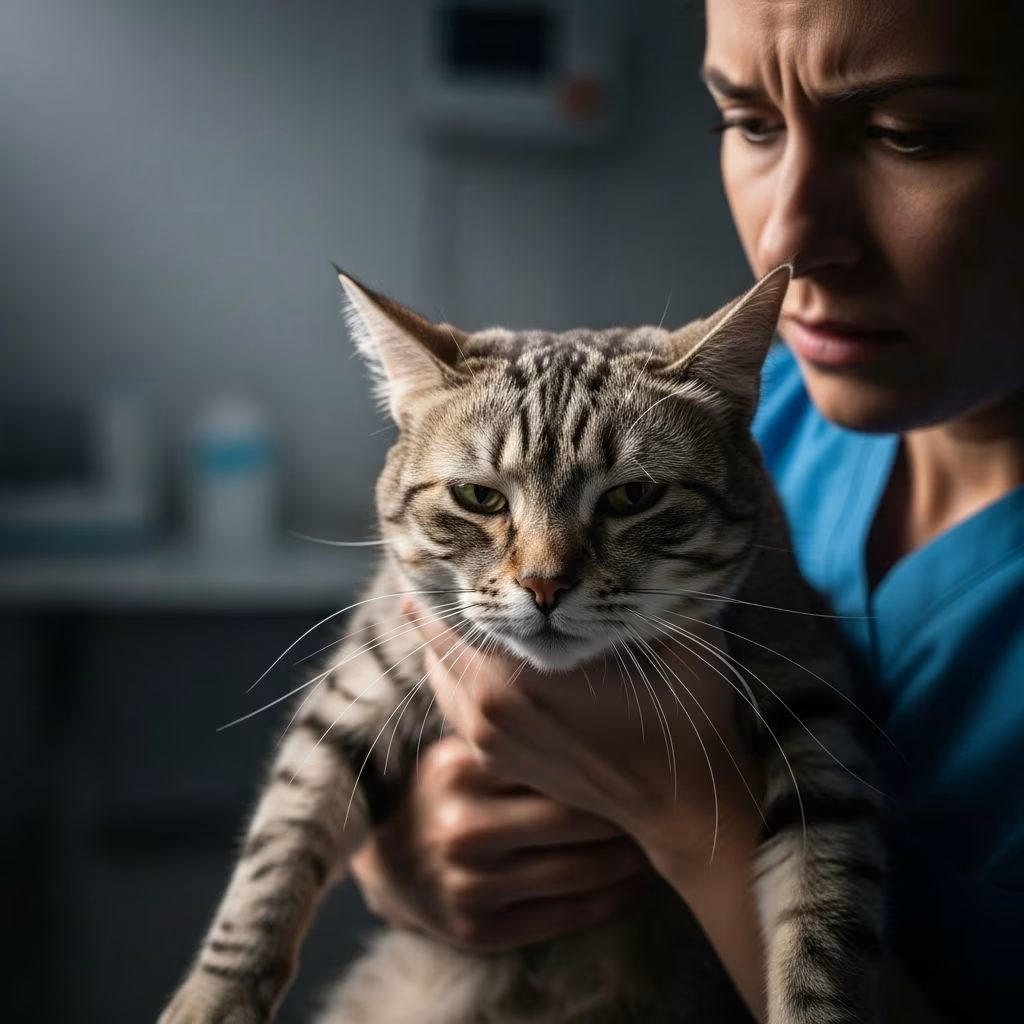
As a devoted cat owner, nothing is more distressing than seeing your feline companion in distress. Knowing when to take your cat to an emergency vet can mean the difference between life and death. Cats are masters at hiding pain and illness, so subtle changes can signal serious problems. This guide outlines critical symptoms requiring immediate attention, drawing from veterinary expertise to help you act swiftly.
Emergency situations often arise unexpectedly, especially at night or weekends when regular vets are closed. Common culprits include urinary blockages, respiratory distress, toxins, and trauma. By familiarizing yourself with these signs, you’ll be better prepared to make informed decisions. Always err on the side of caution—if in doubt, call an emergency vet for advice.
Difficulty Breathing or Respiratory Distress
Trouble breathing is one of the most urgent cat emergencies. Cats normally breathe quietly through their nose; any open-mouth breathing, wheezing, gasping, coughing, or rapid shallow breaths demands immediate vet care. Look for pale or blue-tinged gums/tongue, indicating oxygen deprivation.
Causes include asthma, pneumonia, heart disease, or fluid in the lungs. Delaying can lead to collapse or death. In the ER, expect oxygen therapy, diagnostics like X-rays, and medications. Recovery varies but early intervention is key. Noisy breathing, extended neck, or exaggerated abdominal effort while breathing are red flags.
Collapse, Lethargy, or Unconsciousness
If your cat collapses, won’t wake up, or shows extreme lethargy (not eating/drinking for days, prolonged hiding), rush to the ER. This could stem from low blood sugar, heart issues, toxins, or shock. Check for pale gums, cold extremities, or weakness.
Severe lethargy differs from normal sleepiness—your cat may be unresponsive to touch or food. In end-stage illness, signs like prolonged immobility signal the need for humane euthanasia discussions. Emergency stabilization with IV fluids and diagnostics is crucial.
Frequent or Severe Vomiting
Occasional vomiting isn’t always emergent, but frequent episodes (multiple times in hours) or lasting over 24 hours require urgent care. Watch for blood, dehydration (sunken eyes, tacky gums), or accompanying lethargy. Causes: obstructions, pancreatitis, kidney disease.
Non-productive retching or vomiting after meals signals potential blockages. ER treatment includes anti-nausea meds, fluids, and imaging. Untreated, it leads to dangerous dehydration.
Inability to Urinate or Urinary Blockages
Urinary obstruction, especially in male cats, is life-threatening within 24-48 hours. Straining in the litter box with no urine, crying in pain, or bloody urine means GO NOW. Blockages cause toxins to build up, leading to kidney failure or rupture.
Females can suffer too, but males’ narrow urethras make it critical. ER involves catheterization, fluids, pain relief; surgery may follow. Prevention: wet food, water fountains.
Seizures or Neurological Issues
Seizures—uncontrolled shaking, paddling, drooling, loss of consciousness—are emergencies. Even one lasting over a few minutes or clusters needs immediate care to prevent brain damage. Causes: epilepsy, toxins, metabolic issues.
Other signs: sudden paralysis, dragging limbs, stumbling, dilated pupils. ER stabilizes with anticonvulsants; diagnostics pinpoint cause.
Suspected Poisoning or Toxin Ingestion
If your cat ingests lilies, antifreeze, human meds, chocolate, or strings/ribbons, seek help before symptoms appear. Call poison control or ER immediately. Symptoms: drooling, vomiting, tremors, collapse.
Foreign bodies like thread cause intestinal obstruction, requiring surgery. Act fast—some toxins cause irreversible damage quickly.
Trauma or Accidents
Car hits, falls, bites, burns, or heavy bleeding won’t wait. Even “minor” trauma can hide internal injuries like fractures or organ damage. Check for lameness, swelling, open wounds.
Eye injuries, unknown wounds, or animal attacks need prompt debridement to prevent infection.
Heatstroke or Overheating
Cats pant or breathe open-mouthed only in severe distress. Hot cars, high ambient heat cause rapid organ failure. Cool gradually en route, but prioritize ER for fluids and monitoring.
Abdominal Pain or Bloating
A swollen, painful, or bloated abdomen signals GDV, obstructions, or peritonitis. Vomiting, restlessness, or hunched posture are clues. Ultrasound and surgery often needed.
Sudden Behavior Changes
Unexplained aggression, hiding, appetite loss persisting days warrants a check. Rule out pain, illness, or stress. Acute changes post-new pets may resolve, but monitor closely.
Other Critical Signs
- Bleeding: Uncontrolled from any site.
- Jaundice: Yellow gums from liver issues.
- Severe Diarrhea: Bloody or prolonged >24hrs.
- Eyes: Inflammation, cloudiness, trauma.
- Coughing: Constant, foamy, or bloody.
Common Cat Emergencies: Urgency and Treatment Table
| Emergency | Urgency | Treatment | Recovery Time |
|---|---|---|---|
| Urinary Blockage | Critical (24-48 hrs) | Catheter, fluids, possible surgery | 2-4 days hospital |
| Respiratory Distress | Critical | Oxygen, meds, diagnostics | Days to ongoing |
| Foreign Body | Immediate | Surgery | 7-10 days |
| Seizures | Immediate | Anticonvulsants, tests | Varies |
| Heatstroke | Critical | Cooling, IV fluids | Days |
This table summarizes high-risk issues based on vet insights.
What to Do in a Cat Emergency
Stay calm: Assess breathing, bleeding, consciousness. Muzzle if aggressive (fear biting). Transport securely in carrier. Call ahead for instructions. Provide history: onset, symptoms, toxins, meds.
Don’t induce vomiting or give human meds—can worsen.
Preventing Cat Emergencies
Regular vet checkups, vaccinations, parasite control. Keep toxins inaccessible, provide litter boxes (1 per cat +1), encourage hydration. Spay/neuter reduces risks. Microchip for lost trauma cases.
Frequently Asked Questions (FAQs)
Q: How do I know if my cat’s vomiting is an emergency?
A: Multiple episodes in hours, blood, dehydration, or lethargy mean yes. Call vet.
Q: Can I wait until morning for urinary straining?
A: No—especially males. It’s often fatal quickly.
Q: What if my cat ate something suspicious?
A: Contact poison hotline/ER immediately, even without symptoms.
Q: Is panting normal for cats?
A: No—signals heatstroke or distress. Emergency.
Q: When in doubt, what should I do?
A: Call the emergency vet. Better safe.
References
- How to Know When to Take Your Cat to the Emergency Vet — VEG. Accessed 2026. https://www.veg.com/post/cat-emergency-vet
- When Should You Take Your Cat to the Emergency Vet? — Whisker. Accessed 2026. https://www.whisker.com/blog/take-my-cat-to-the-emergency-vet
- When to Take Your Dog or Cat to the Emergency Vet — Aurora Veterinary Hospital. 2024-06-15. https://www.auroraveterinaryhospital.com/site/blog/2024/06/15/dog-cat-emergency-vet
- When to Bring Your Pet to the ER Vet — AERCMN. Accessed 2026. https://aercmn.com/when-to-bring-your-pet-to-the-er-vet/
- When to Take Your Cat to the Emergency Vet | Vet Explained — YouTube (Dr. Anna Foster). Accessed 2026. https://www.youtube.com/watch?v=Z4GBukvWgrQ
- When to Visit an Emergency Vet Clinic — Pieper Veterinary. Accessed 2026. https://www.pieperveterinary.com/emergency-services/when-to-visit-the-emergency-room/



