

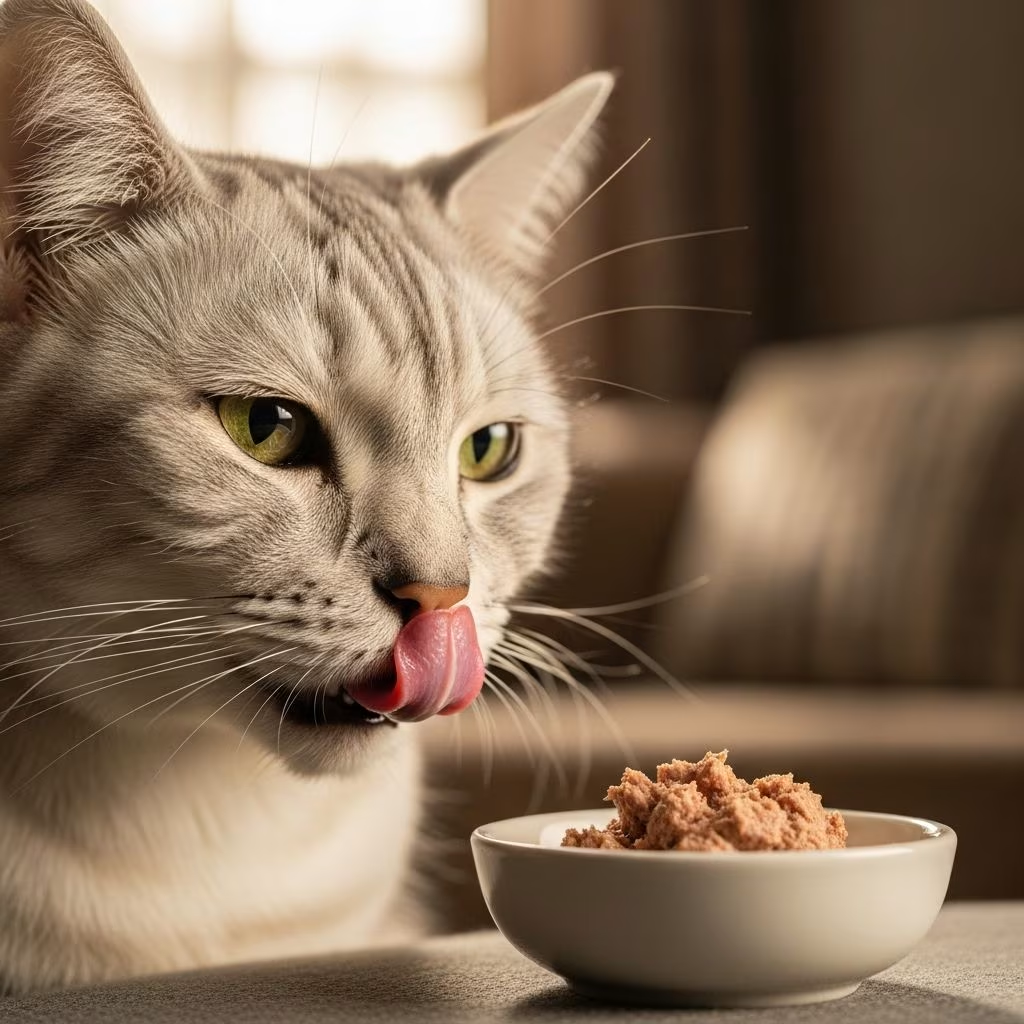
As cats enter their golden years, their dietary requirements evolve significantly. Typically, felines are considered seniors around age 7 to 11, when physical changes like reduced dental efficiency and kidney function begin to influence eating habits. Introducing soft cat food at this stage can enhance comfort, improve hydration, and ensure nutrient absorption, promoting overall vitality.
Recognizing the Shift to Senior Status
Cats age at different rates based on breed, genetics, and lifestyle. For instance, indoor cats may live longer and show senior signs later than outdoor ones. Key indicators include weight fluctuations, decreased activity, and dental wear. Veterinary guidelines suggest monitoring for these from age 7, as nutritional needs adjust to support joint mobility, immune response, and organ health.
Soft food becomes particularly relevant when hard kibble poses challenges. Aging teeth loosen, gums recede, and conditions like stomatitis emerge, making chewing painful. Studies from veterinary associations emphasize that palatable, moist textures aid intake without strain.
Health Benefits of Soft Diets for Aging Felines
Soft cat food offers multiple advantages tailored to senior physiology. Higher moisture content combats dehydration, a common issue as kidney function declines. This form also delivers concentrated nutrients in smaller volumes, ideal for cats with diminished appetites.
- Hydration Boost: Wet foods contain 70-80% water, supporting urinary tract health and reducing chronic kidney disease risks prevalent in seniors.
- Dental Relief: Avoids abrasion on worn teeth, preventing further damage while maintaining oral hygiene through natural licking action.
- Palatability: Aroma and texture entice picky eaters, ensuring consistent calorie intake to prevent muscle loss.
- Digestive Ease: Pre-digested proteins and fibers suit slower metabolisms, minimizing gas or upset.
Combining wet and dry options balances benefits, but vets often prioritize soft varieties for cats over 11.
Ideal Age to Introduce Soft Varieties
There’s no universal switch point; it hinges on individual health assessments. Begin evaluating at 7 years during routine checkups. If dental exams reveal tarter buildup or mobility loss, transition promptly. For breeds prone to early aging like Persians, consider soft food by age 5-6.
| Age Range | Common Signs | Recommended Action |
|---|---|---|
| 7-10 years | Mild weight loss, selective eating | Introduce mixed diet gradually |
| 11+ years | Dental pain, low energy | Primary soft food with vet approval |
| 14+ years (geriatric) | Appetite decline, kidney concerns | 100% soft, monitored nutrition |
This phased approach aligns with AAFCO life-stage guidelines, ensuring caloric control while addressing excesses in phosphorus or sodium.
Step-by-Step Transition Strategies
Abrupt changes risk refusal or gastrointestinal distress. Experts unanimously advocate a 7-10 day gradual mix-in to acclimate taste buds and gut flora.
- Days 1-2: Blend 25% soft food with 75% current diet. Warm to room temperature for appeal.
- Days 3-4: Equal 50/50 portions, observing stool consistency and enthusiasm.
- Days 5-7: 75% soft, 25% old; adjust if vomiting occurs.
- Day 8+: Full switch, with treats to reinforce positivity.
For dry-to-wet shifts, use flat plates for easier access and crush kibble initially. If resistance persists beyond two weeks, extend to 40 days as some sensitive cats require.
Overcoming Common Transition Hurdles
Not all seniors adapt seamlessly. Picky eaters may ignore new textures, while digestive sensitivities cause loose stools or flatulence.
- Monitor for red flags: prolonged refusal, lethargy, or elimination changes—prompt vet consultation essential, as these signal hyperthyroidism or renal issues.
- Enhance appeal: Top with low-cal treats like pureed tuna or chicken broth (under 4 calories each).
- Feeding tweaks: Maintain routine times; play pre-meal to stimulate hunger.
Vets may recommend appetite stimulants or prescription diets if underlying conditions exist.
Selecting Premium Soft Foods for Seniors
Choose AAFCO-approved formulas labeled for ‘senior’ or ‘mature’ support. Prioritize moderate protein (30-40%), controlled phosphorus (<0.5%), and omega-3s for anti-inflammatory effects.
Popular vet-endorsed options include seafood entrees for hydration and antioxidants. Avoid human scraps; opt for vet-formulated treats like lickable purees.
Holistic Senior Nutrition Beyond Texture
Soft food is one piece of the puzzle. Pair with:
- Portion control to combat obesity or cachexia.
- Supplements like glucosamine for joints, per vet advice.
- Regular weigh-ins and bloodwork to track phosphorus levels.
Vegetable snacks (e.g., steamed carrots) provide fiber without calories.
Frequently Asked Questions
Can all senior cats eat soft food?
Most benefit, but those with specific allergies or preferences may need hybrids. Consult a vet for tailored plans.
How often should I feed soft food?
2-4 small meals daily preserves appetite and aids digestion in aging systems.
Is soft food more expensive?
Often yes, due to moisture, but portion efficiency offsets costs for many owners.
What if my cat rejects soft food entirely?
Try flavors, warming, or vet-prescribed alternatives; never force fasting over 24 hours.
Does soft food clean teeth like dry?
No, but reduced chewing stress outweighs this; dental diets or brushing compensate.
Long-Term Monitoring for Success
Post-transition, track body condition score monthly. Aim for ideal weight to sustain lean mass. Annual senior panels detect needs early. With proactive adjustments, soft food can extend quality life years.
Transitioning thoughtfully transforms mealtime challenges into nourishing routines, letting your senior purr contentedly.
References
- Transitioning to Senior Cat Food — PetAssure. Accessed 2026. https://www.petassure.com/maxscorner/transitioning-to-senior-cat-food/
- Senior Cat Nutrition: A Nutritional Guide for Aging Cats — PetMD. Accessed 2026. https://www.petmd.com/cat/nutrition/senior-cat-nutrition
- Changing Cat Food: How to Transition Your Cat to New Food — Purina. Accessed 2026. https://www.purina.com/articles/cat/feeding/guides/changing-cat-food
- Cat Food – Know When and Why to Change Their Food — Hill’s Pet. Accessed 2026. https://www.hillspet.com/cat-care/nutrition-feeding/changing-cat-food
- Our Guide to Switching Your Cat’s Food — Wellness Pet Food. Accessed 2026. https://www.wellnesspetfood.com/blog/our-guide-to-switching-your-cats-food/
- Feeding Mature, Senior, and Geriatric Cats — VCA Animal Hospitals. Accessed 2026. https://vcahospitals.com/know-your-pet/feeding-mature-senior-and-geriatric-cats
- Tips and Timelines for Transitioning Your Pet to a New Food — AAHA. 2026. https://www.aaha.org/wp-content/uploads/globalassets/05-pet-health-resources/nutritionalresources/petparent/aaha-tips-and-timelines.pdf



