

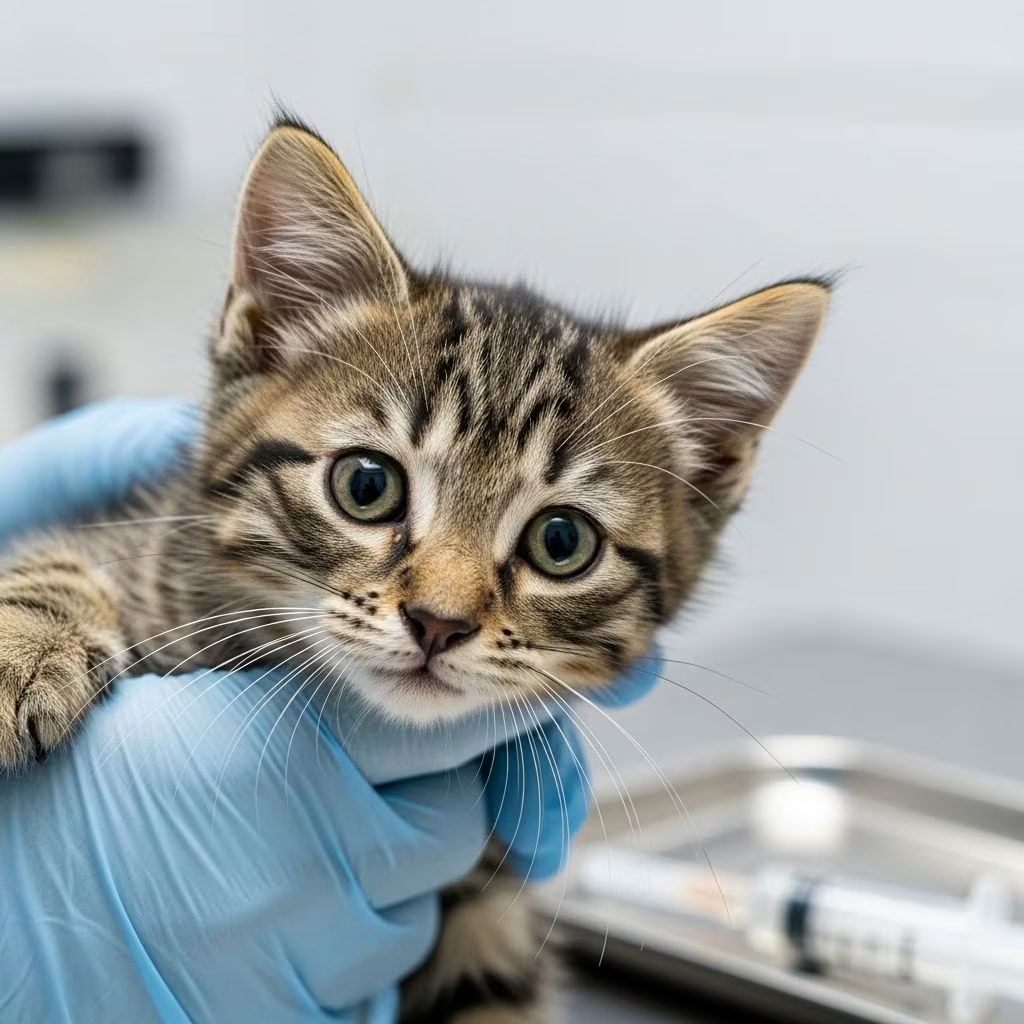
Kittens are highly susceptible to intestinal parasites like roundworms and hookworms, which they can inherit from their mother or acquire from the environment. Deworming should begin early, typically between 2-6 weeks of age, and follow a structured schedule to ensure complete elimination and prevention. Early intervention prevents serious health issues such as diarrhea, vomiting, poor growth, and potentially fatal blockages.
Why Deworm Kittens?
Intestinal worms pose significant risks to young kittens, whose developing immune systems struggle to fight infestations. Kittens can be born with roundworms via transplacental transmission or infected through nursing mother’s milk containing larvae. Common parasites include roundworms (Toxocara cati), hookworms (Ancylostoma spp.), and tapeworms, leading to symptoms like pot-bellied appearance, lethargy, weight loss, and anemia.
Without timely deworming, worms compete for nutrients, causing malnutrition, stunted growth, and intestinal obstructions. Severe cases can result in death, especially in kittens under 8 weeks. Regular deworming aligns with parasite life cycles—typically 4-6 weeks—targeting eggs, larvae, and adults at different stages for comprehensive control.
Common Types of Worms in Kittens
- Roundworms: Spaghetti-like worms visible in vomit or feces; most common in kittens, transmissible to humans (zoonotic).
- Hookworms: Tiny worms that attach to intestinal walls, causing blood loss and anemia; acquired via skin penetration or ingestion.
- Tapeworms: Segmented, rice-like segments around anus; often from flea ingestion.
- Whipworms: Less common in cats but cause chronic diarrhea if present.
These parasites thrive in multi-cat environments, shelters, or homes with outdoor access, making proactive deworming essential.
Kitten Deworming Schedule
Veterinarians recommend starting deworming as early as 2 weeks old for high-risk kittens, with most protocols beginning at 2-4 weeks. The schedule accounts for maternal immunity waning post-weaning and targets multi-stage parasite life cycles. Always consult a vet for personalized plans based on lifestyle, health, and fecal tests.
| Age | Deworming Action | Notes |
|---|---|---|
| 2 weeks | First dose (if high-risk) | Targets prenatal infections |
| 4 weeks | Second dose | Standard start for most kittens |
| 6 weeks | Third dose | Post-weaning protection |
| 8 weeks | Repeat | Every 2-4 weeks interval |
| 10-12 weeks | Repeat | Continue biweekly/monthly |
| Every 2-4 weeks until 6 months | Monthly thereafter | Transition to preventives |
| Adult (6+ months) | Every 1-3 months | Indoor: quarterly; Outdoor/hunting: monthly |
For breeding queens, deworm prior to mating, at birth, and during lactation alongside kittens to break transmission cycles. Newly adopted kittens should be dewormed immediately, repeated in 2 weeks, then follow standard schedule.
Signs Your Kitten Needs Deworming
Monitor for these indicators of worm infestation:
- Vomiting or diarrhea, often with visible worms
- Swollen ‘pot-bellied’ abdomen
- Lethargy, weakness, or poor appetite
- Weight loss or failure to gain weight
- Visible worms in feces, vomit, or around anus
- Anemia (pale gums), coughing, or scooting
Fecal exams confirm parasites; symptoms may appear subtle in early stages, so adhere to schedules preventively.
How to Deworm a Kitten Safely
Never use over-the-counter dewormers without vet guidance—dosage errors can harm kittens. Prescription broad-spectrum products like pyrantel pamoate, fenbendazole, or emodepside/praziquantel are safest, administered orally or via injection.
- Consult vet for fecal test and product recommendation.
- Calculate dose by weight (e.g., 2.5-5 mg/lb pyrantel).
- Administer directly into mouth or mix with food if palatable.
- Repeat as scheduled; combine with flea control to prevent tapeworms.
Avoid human or dog products; opt for cat-specific formulas.
What to Expect After Deworming
Dewormers take 2-4 days to kill adults, with full clearance in 2-3 weeks. Expect:
- Increased appetite and energy post-treatment.
- Possible soft stools or mild diarrhea (common, resolves quickly).
- Visible dead worms in feces 1-3 days later.
- Second dose often needed 10-14 days later for larvae.
If symptoms persist beyond 3 weeks, recheck with vet—reinfection or resistance possible. Monitor weight and stool quality.
Preventing Worms in Kittens
Prevention surpasses treatment:
- Monthly all-in-one preventives (e.g., covering heartworm, fleas, intestinal worms).
- Keep litter boxes clean daily; dispose waste properly.
- Restrict outdoor access; supervise hunting.
- Flea control: Fleas transmit tapeworms.
- Regular vet checkups with fecal tests.
- Hygiene: Wash hands after handling kitten/litter; keep play areas clean.
For multi-pet homes or fosters, quarantine new arrivals and deworm collectively.
FAQs
Can you deworm a kitten at home?
Yes, with vet-approved OTC like pyrantel, but prescription options are safer and broader-spectrum. Always weigh the kitten and follow dosing precisely.
How often should you deworm a kitten?
Every 2-4 weeks from 2-6 months, then quarterly for adults; more frequent for outdoor cats.
At what age can you deworm a kitten?
As early as 2 weeks; standard at 4-6 weeks when weaned.
What if my kitten has diarrhea after deworming?
Mild cases are normal; use gentle starters like pyrantel. If severe/persistent, contact vet.
Are worms in kittens contagious to humans?
Yes, roundworms are zoonotic—practice hygiene, especially with children.
Frequently Asked Questions
References
- Kitten Deworming Schedule: When, Why & How To Deworm Cats — Pawlicy Advisor. 2023. https://www.pawlicy.com/blog/kitten-deworming-schedule/
- Kitten & Puppy Deworming Schedule — Revival Animal Health. 2024. https://www.revivalanimal.com/learning-center/kitten-puppy-deworming-schedule-revival-animal-health
- Worming Schedule for Puppies, Dogs, Kittens and Cats — Valley Vet. 2023. https://www.valleyvet.com/library/worming-schedule-dogs-cats.html
- How Often Should You Really Deworm a Cat? — Elanco Your Pet & You. 2024. https://yourpetandyou.elanco.com/us/parasites/intestinal-worms/how-often-to-deworm-a-cat
- GI Parasites — Kitten Lady. 2022. http://www.kittenlady.org/giparasites
- CAPC Guidelines — Companion Animal Parasite Council. 2025. https://www.petsandparasites.org/resources/capc-guidelines



