

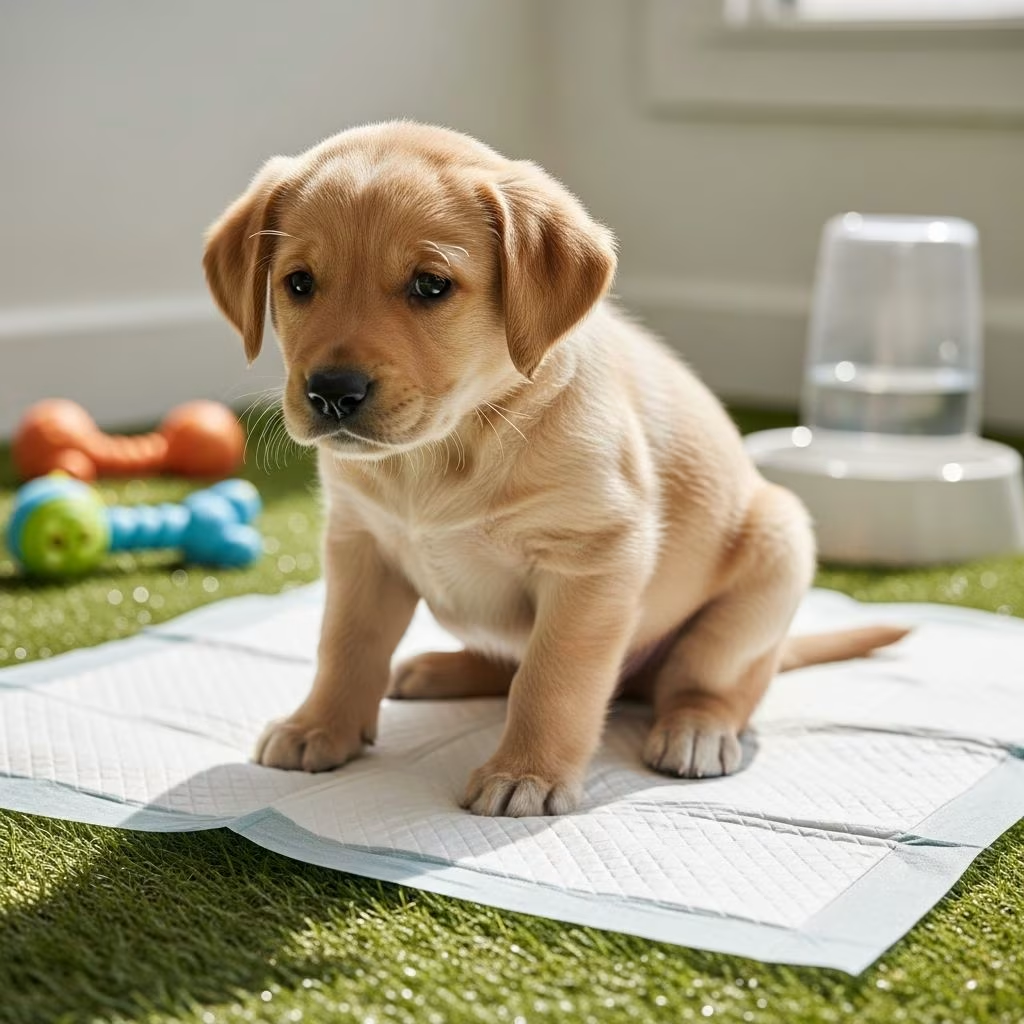
When Should a Puppy Be Toilet-Trained?
Toilet training is one of the most important aspects of puppy care, and understanding the right time to begin is crucial for success. Many new puppy owners wonder when their pup is ready to learn bathroom habits, and the answer depends on several factors including age, bladder control, and individual development. The good news is that with consistency, patience, and positive reinforcement, most puppies can be successfully toilet-trained between four to six months of age, though some may take longer.
Understanding Puppy Development and Bladder Control
Before diving into training techniques, it’s essential to understand your puppy’s physical capabilities. A young puppy’s bladder and nervous system are still developing, which directly impacts their ability to control when and where they go to the bathroom. The general rule of thumb is that a puppy can hold their pee for approximately as many hours as they are months old, plus one hour. This means a two-month-old puppy can hold it for about three hours, while a four-month-old puppy can typically hold it for five hours.
This biological reality is crucial because attempting to toilet train a puppy before their body is physically ready will only result in frustration for both you and your pup. Therefore, most experts recommend beginning toilet training around 8 to 12 weeks of age, which is typically when puppies arrive at their new homes and when their bladders are starting to develop more control.
Week One: Getting Started with Toilet Training
The first week of toilet training sets the foundation for success. During this critical period, focus on introducing your puppy to their new environment while beginning the training process gently and consistently.
- Begin to show your puppy the ropes: Introduce them to their new home and help them become comfortable with designated areas where they are allowed to explore.
- Start a potty schedule: Establish a consistent routine for bathroom breaks and communicate this schedule to all family members.
- Introduce family rules: Ensure everyone in the household understands the toilet training plan so consistency is maintained.
- Expect accidents: Stay calm and patient—accidents are a normal part of the learning process and should never result in punishment.
- Frequent outdoor trips: Take your puppy outside every half hour when they are awake and active to maximize opportunities for success.
- Observe behavior patterns: Watch closely to identify what your puppy does right before they pee and poop, helping you recognize their signals.
The Potty Rule of Thumb
Understanding how long your puppy can physically hold their bladder is fundamental to toilet training success. This knowledge prevents setting unrealistic expectations and reduces unnecessary accidents.
Bladder capacity by age:
- Two-month-old puppy: Can hold it for 3 hours
- Three-month-old puppy: Can hold it for 4 hours
- Four-month-old puppy: Can hold it for 5 hours
- Five-month-old puppy: Can hold it for 6 hours
- Six-month-old puppy: Can hold it for 7 hours
It’s important to note that this rule applies when your puppy is sleeping, alone, or just lying around. When your puppy is out and about playing, eating, or interacting with people, they need more frequent bathroom breaks. During these active times, stick to your regular schedule rather than relying solely on the age-plus-one formula.
Creating a Consistent Potty Training Schedule
Consistency is the cornerstone of successful toilet training. Puppies thrive on routine and learn best when they know what to expect. Establishing a predictable schedule helps your puppy develop good bathroom habits and significantly reduces accidents.
Key Timing for Bathroom Trips
Certain times naturally coincide with your puppy’s urge to pee or poop. Taking advantage of these moments greatly increases your chances of success:
- Immediately upon waking up from sleep or naps
- Right after eating meals
- Following playtime or exercise
- Before bedtime
Age-Based Potty Training Schedule
As your puppy grows, you can gradually extend the time between bathroom breaks:
- 8 to 12 weeks: Take them out every one to two hours throughout the day, plus after eating, playing, and napping
- 3 to 4 months: Take them out every two to three hours; maximum hold time is three to four hours
- 4 to 5 months: Take them out every two hours; maximum hold time is three to four hours
- 5 to 6 months: Take them out every three hours; maximum hold time is five to six hours
Finding a Special Potty Area
Designating a specific potty area is one of the most effective training strategies. This focused approach prevents unnecessary distractions and helps your puppy understand exactly what you want them to do.
When you take your puppy to the designated area, your goal is to have them use the bathroom right away—not to go for a walk or explore. Walks and potty breaks serve different purposes. Always bring your puppy to the designated potty area first, allow them to relieve themselves, reward them generously, and then take them on a walk if desired. This separation helps your puppy clearly understand that the potty area is for bathroom purposes only.
The designated spot will eventually retain the scent of your puppy’s previous bathroom visits, which serves as a natural reminder and encourages them to use that location. The familiar smell becomes a powerful tool in reinforcing the behavior you want to establish.
Recognizing Your Puppy’s Bathroom Signals
Every puppy has unique behaviors that signal they need to go to the bathroom. Learning these individual cues allows you to anticipate accidents and get your puppy outside in time.
Common signs that your puppy needs a bathroom break include:
- Sniffing the floor intensely
- Whining or making vocal sounds
- Circling or spinning
- Hiding or sneaking off out of view
- Scratching at the door
- Becoming restless or anxious
- Pacing back and forth
Whenever you notice these signals, take your puppy directly to their designated potty area. By responding promptly to these cues, you’ll prevent accidents and reinforce the connection between the signal and the desired behavior.
Establishing a Verbal Cue
Using a consistent verbal cue helps your puppy understand what you want them to do. Choose a simple, one-word command such as “potty,” “go,” or “outside” and use it every single time you take your puppy to their designated bathroom area. This consistency creates a mental association between the word and the action, and over time, your puppy will recognize the cue and prepare to eliminate.
Ensure that everyone in your household uses the same verbal cue. This unified approach prevents confusion and accelerates the learning process. When your puppy successfully uses the bathroom after hearing the cue, immediately praise them enthusiastically and offer treats as a reward.
Limiting Access and Creating a Controlled Environment
One of the most effective ways to prevent accidents is to limit your puppy’s access to the entire home, especially when you cannot supervise them directly. A puppy that can roam freely throughout the house has numerous opportunities to have accidents in undesirable locations, which complicates training.
Consider implementing these management strategies:
- Use a puppy pen or playpen to create a confined area when you cannot watch them
- Keep your puppy on a leash when indoors to maintain visual contact
- Close doors to restrict access to certain rooms
- Use baby gates to section off areas of the home
- Crate train your puppy for times when you need them to be safely contained
A crate is particularly useful because puppies naturally avoid soiling their sleeping area. When properly introduced and used, a crate teaches your puppy to hold their bladder, reinforcing the toilet training process.
Preparing for Successful Toilet Training
Before beginning toilet training, gather the necessary supplies to set yourself up for success and handle inevitable accidents efficiently.
Essential Supplies
- Potty bag (go bag): Pack treats or other rewards, plenty of waste bags, and a leash in a bag kept by the door for quick access
- Enzymatic cleaners: Have enzymatic cleaners and stain removers readily available to effectively clean any accidents
- Pee pads (optional): If using pee pads as a training tool, have an adequate supply
- Treats and rewards: Use high-value treats that your puppy loves for immediate positive reinforcement
Handling Accidents and Setbacks
Accidents are an inevitable part of toilet training. How you respond to accidents significantly impacts your puppy’s learning experience. Never punish your puppy for accidents, as this creates fear and confusion rather than understanding. Instead, stay calm and patient, clean up thoroughly with enzymatic cleaner, and continue with your training plan.
If accidents occur frequently, evaluate whether you’re taking your puppy out frequently enough, if there’s a dietary issue, or if your puppy is genuinely ready for training. Sometimes, a step backward in your training approach can lead to faster progress overall.
Timeline for Toilet Training Success
While every puppy is unique, most puppies can be reliably toilet-trained within four to six months of consistent training. Some puppies may take longer, and that’s perfectly normal. The speed of training depends on factors including the individual puppy’s maturity, consistency of the training program, and the ability of all caregivers to follow the same routine.
Progress is often not linear. Your puppy may seem to have it figured out and then have a regression, particularly during times of stress, illness, or household changes. Remain patient and consistent, as these setbacks are temporary and part of the normal learning process.
Frequently Asked Questions
Q: What is the minimum age to start toilet training a puppy?
A: Most puppies are ready to begin toilet training around 8 to 12 weeks of age. At this point, their bladder control is developing sufficiently to start basic training, though accidents will still happen frequently.
Q: Can a puppy be toilet-trained before 8 weeks?
A: While you can begin introducing the concept earlier, expecting reliable results before 8 weeks is unrealistic. Puppies younger than this lack the physical and neurological development necessary for bladder control.
Q: How long does it typically take to toilet train a puppy?
A: Most puppies become reliably housetrained within 4 to 6 months of consistent training. Some puppies may take several months longer, which is entirely normal.
Q: What should I do if my puppy has an accident in the house?
A: Remain calm and avoid punishment. Clean the accident thoroughly with an enzymatic cleaner to remove all traces of scent, which helps prevent repeat accidents in the same spot.
Q: Is it better to use puppy pads or go straight to outdoor training?
A: This depends on your living situation and preference. Outdoor training is often more direct, but puppy pads can be useful for apartment dwellers or during times when frequent outdoor access isn’t possible.
Q: Why is my puppy having accidents after seeming housetrained?
A: Regressions are common during stressful periods, dietary changes, or illness. Return to basics with your training routine, ensure frequent bathroom breaks, and consult your veterinarian if accidents persist.
Q: Should everyone in the household follow the same toilet training plan?
A: Absolutely. Consistency across all caregivers is essential for successful toilet training. Ensure dog walkers, family members, and anyone caring for your puppy follows the same schedule, cues, and techniques.
References
- How to Potty Train a Puppy: Tips and Techniques — Kinship. Accessed January 15, 2026. https://www.kinship.com/dog-behavior/potty-train-a-puppy
- When Should a Puppy Be Toilet-Trained? — Kinship. Accessed January 15, 2026. https://www.kinship.com/dog-behavior/when-should-a-puppy-be-toilet-trained
- How to Potty Train a Puppy: From Pee Pad to Outside — Kinship. Accessed January 15, 2026. https://www.kinship.com/dog-behavior/how-to-train-puppy-to-pee-outside
- How to Potty Train Puppies: A Comprehensive Guide for Success — American Kennel Club. Accessed January 15, 2026. https://www.akc.org/expert-advice/training/how-to-potty-train-a-puppy/
- Puppy Guide: Early Training and Toilet Training — Kin Vet Community. Accessed January 15, 2026. https://www.kinvet.co.uk/dogs/puppy-guide/



