

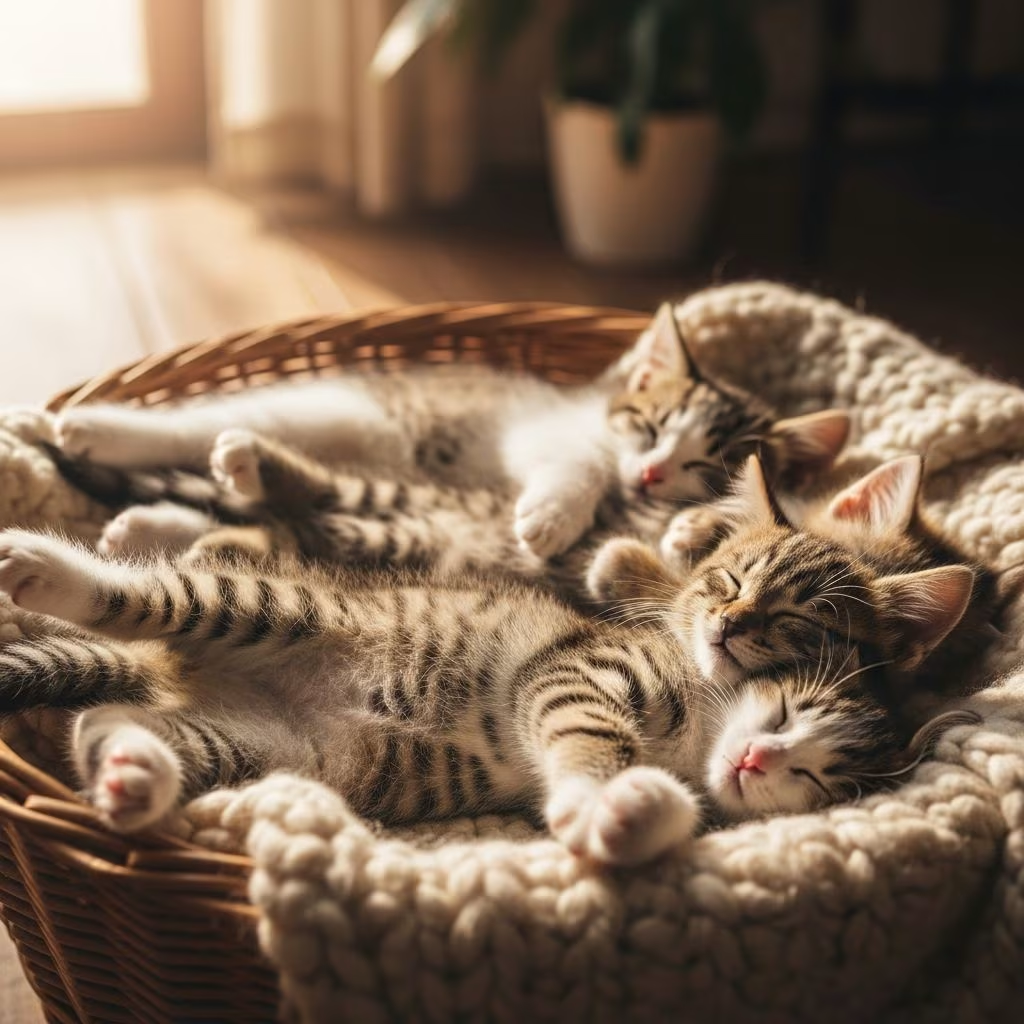
Kittens typically begin to calm down between 12 to 18 months of age, transitioning from their peak hyperactivity around 6-12 months to more moderate adult cat behavior.
Understanding the Hyperactive Kitten Stage
New kitten owners often marvel at the boundless energy of their tiny companions. From dawn dashes to midnight zoomies, this vigor is a natural part of feline growth. Kittens are wired for play to hone hunting skills, build muscle, and explore their world. Peak frenzy usually hits between 3-12 months, driven by rapid physical and neurological development.
During this period, expect frequent pouncing, chasing shadows, and climbing everything in sight. This isn’t mischief but essential practice for survival instincts. Recognizing it as developmental helps owners respond with patience rather than frustration.
Key Developmental Milestones by Age
Kitten behavior evolves predictably through stages. Here’s a breakdown of what to anticipate:
- 0-2 Weeks (Neonatal): Mostly sleeping and nursing, with minimal movement. They wiggle toward warmth and mother’s milk, eyes closed, ears folded.
- 2-4 Weeks: Eyes open around day 10-14, first wobbly steps emerge. Curiosity sparks as senses awaken; they hiss at new smells and knead instinctively.
- 4-8 Weeks: Coordination surges—walking, running, jumping from low spots. Play-fighting with siblings teaches boundaries; litter box use begins.
- 8-12 Weeks: Energy spikes with confident climbing and pouncing. Socialization window peaks; handling now shapes lifelong temperament.
- 3-6 Months: Adolescence arrives—bold exploration, toy preferences solidify, independence grows. Object play peaks around 5 months.
- 6-12 Months: Prime hyperactivity; they’ll leap high, chase tails, and demand interactive play. Ranking behaviors may appear in multi-cat homes.
- 12-18 Months: Gradual mellowing; play remains but in shorter bursts. They act more like young adults, sleeping 12-16 hours daily.
| Age Range | Key Behaviors | Owner Tips |
|---|---|---|
| 0-4 Weeks | Sleepy, sensory development | Gentle handling, warm environment |
| 4-12 Weeks | Play onset, exploration | Socialize daily, introduce toys |
| 3-6 Months | Peak energy, independence | Scheduled play sessions, scratching posts |
| 6-18 Months | Adolescent zoomies | Enrichment toys, training consistency |
Factors Affecting When Your Kitten Calms
Not all kittens mellow at the same pace. Breed plays a role—high-energy breeds like Bengals or Abyssinians stay playful longer, sometimes into year two. Neutering around 4-6 months can reduce roaming and aggression, subtly tempering energy.
Diet fuels activity; kitten formulas high in protein support growth but excess calories amp hyperactivity. Ensure balanced nutrition with ample wet food for hydration. Environment matters too—bored kittens in sparse homes amplify chaos, while enriched spaces channel energy productively.
Health issues like hyperthyroidism or parasites can mimic endless energy; regular vet checks rule these out.
Strategies to Manage Kitten Energy
Channel that vigor constructively to speed the path to calmer days:
- Interactive Play: 15-20 minutes twice daily with wand toys mimics hunting. Tire them out before bedtime.
- Vertical Space: Cat trees, shelves promote climbing without furniture destruction.
- Scratching Solutions: Multiple posts coated in catnip; trim nails biweekly.
- Training Basics: Use clicker training for sit, come; reward calm behavior to reinforce it.
- Rest Zones: Cozy beds in quiet spots encourage napping cycles.
Consistency is key—establish routines for meals, play, and litter to build security, reducing anxious energy.
Nutrition’s Role in Calming Kittens
Proper feeding supports steady development. From 4 weeks, transition to kitten kibble and wet food, providing 3-4 meals daily. By 6 months, twice-daily feeding suffices as metabolism slows.
Incorporate omega-3s from fish oil for brain health, potentially easing behavioral extremes. Avoid free-feeding to prevent obesity, which can exacerbate restlessness. Fresh water always; fountains appeal to playful instincts.
Health Checks for Hyperactive Kittens
Monitor for red flags: sudden energy surges post-12 months might signal worms or thyroid issues. Vaccinations at 6-8 weeks, boosters quarterly, plus deworming keep them thriving.
Spay/neuter by 5 months prevents hormonal spikes extending kittenhood. Annual exams track growth curves—kittens double birth weight by 10 weeks, reaching adult size by 10 months.
Breed-Specific Energy Timelines
- Siamese/Oriental: Vocal and athletic; calm around 18-24 months.
- Persian: Gentler; mellow by 12 months.
- Domestic Shorthair: Average; 12-18 months typical.
From Kitten Chaos to Adult Serenity
By 2 years, most cats settle into 14-18 hour sleep patterns, with play in 10-15 minute sessions. Patience pays off—your wild kitten becomes a lap companion.
Frequently Asked Questions
At what age do kittens stop being hyper?
Most calm between 12-18 months, though playfulness lingers.
Why is my 6-month-old kitten so crazy at night?
Circadian rhythms; evening play tires them for sleep.
Does neutering calm kittens faster?
It reduces certain behaviors but doesn’t drastically shorten energy phase.
How much play do kittens need daily?
30-60 minutes of interactive sessions.
When can kittens eat adult food?
After 12 months, when growth slows.
References
- Kitten Development Stages and Kitten Age Chart — PetMD. 2023. https://www.petmd.com/cat/care/kitten-development-understanding-kittens-major-growth-milestones
- 5 Kitten Behavioral Milestones You Should Know — Kinship. 2024. https://www.kinship.com/cat-behavior/kitten-behavior-milestones
- The Complete Guide to Your Kitten’s Growth Stages — Brown Vet Hospital. 2023. https://brownvethospital.com/blog/kitten-stages-of-growth/
- How Old Is That Kitten? Kitten Progression: At-a-Glance — Alley Cat Allies. 2022. https://www.alleycat.org/resources/kitten-progression/
- Decoding Kitten Behavior — Purina US. 2024. https://www.purina.com/articles/cat/kitten/behavior/decoding-kitten-behavior
- Developmental Stages of Kitten Behavior — Safe Haven Humane. 2023. https://safehavenhumane.org/developmental-stages-of-kitten-behavior/
- Developmental Stages of Kitten Behavior — PAWS. 2022. https://www.paws.org/resources/developmental-stages-of-kitten-behavior/



