

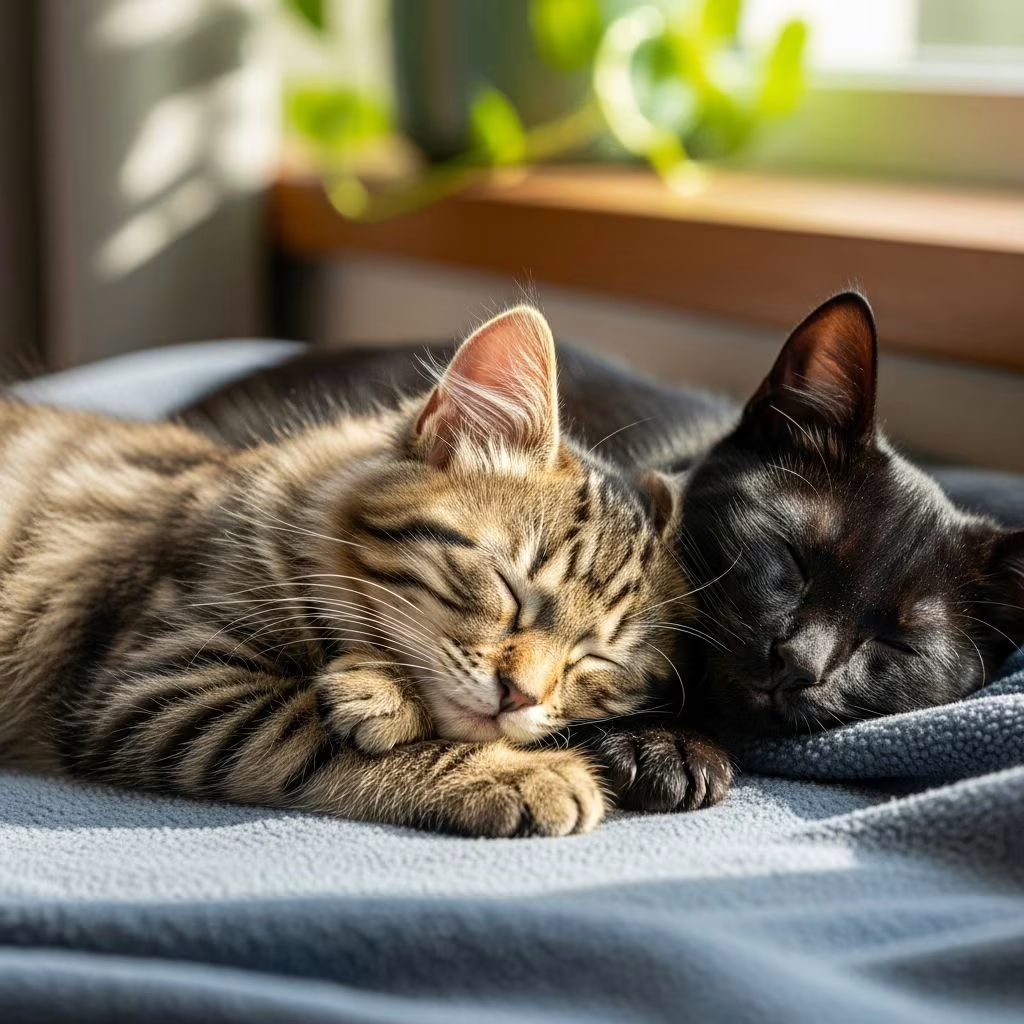
Kittens typically begin to mellow out between 12 and 24 months of age, transitioning from their peak playful and exploratory phase into more relaxed adult cat behavior as their physical and social development matures.
Understanding Kitten Growth Milestones
Kitten development unfolds in distinct stages, each marked by rapid changes in physical abilities, sensory maturation, and behavioral patterns. These phases shape how energy levels evolve over time.
Newborn to Early Weeks: The Foundation Phase (0-3 Weeks)
In the first few weeks, kittens focus primarily on survival and basic sensory development. They spend about 90% of their time sleeping, with limited movement like crawling toward their mother for warmth and nursing. Eyes typically open around 5-14 days, and they gain 10-30 grams daily.
- Behavior centers on rooting for milk and purring to communicate comfort.
- Hearing and smell begin developing, but coordination is minimal—mostly wiggling or scooting.
- Social interaction is limited to littermates and mother, building early bonds.
This quiet phase sets the stage for later bursts of activity, as neurological systems strengthen.
Emerging Explorer Stage (4-8 Weeks)
By 4 weeks, kittens’ senses sharpen: smell matures fully, hearing improves, and vision advances. They start walking steadily, running short distances, and engaging in playful interactions like pouncing and stalking littermates.
| Age | Key Developments | Behavior Shifts |
|---|---|---|
| 4 Weeks | Improved coordination; litter box exploration | Curious walking, basic play, self-grooming attempts |
| 6 Weeks | Full sight; jumping ability | Social play-fighting, grooming perfection, eager exploration |
| 7-8 Weeks | Adult-like sleep patterns; climbing skills | High energy spikes, running, chasing |
These weeks mark the onset of noticeable playfulness, as kittens learn social cues through observation of their mother.
Peak Playfulness: The Juvenile Surge (2-6 Months)
From 7-14 weeks, kittens enter their most active play period. Social and object play skyrockets, honing coordination via belly-ups, ambushes, chasing tails, and pouncing.
- Energy manifests in leaping, pawing, and mouthing toys or hands.
- They become more independent, exploring boldly and forming preferences for toys or resting spots.
- Grooming becomes routine, and scratching posts gain importance.
By 3-6 months, the ranking period begins. Kittens test dominance within their “litter,” including humans and other pets, amid continued curiosity and play.
Adolescence: The Extended Energy Peak (6-18 Months)
Adolescence prolongs the hyper phase, with kittens challenging boundaries, exploring dominance, and—if unsterilized—showing sexual behaviors. Play remains intense: climbing cat trees, zooming around homes, and nocturnal antics are common.
This stage mimics teenage rebellion in humans, with heightened independence and occasional mischief like nipping or knocking items off shelves.
- Sleep decreases as active time increases, peaking around 7 weeks but sustaining through months.
- Socialization windows close gradually; early exposure to people, sounds, and handling fosters calmer adults.
- Physical maturity nears, but mental maturity lags, leading to erratic energy.
Factors Influencing When Kittens Calm Down
Not all kittens mellow at the same pace. Breed, environment, health, and care play roles.
| Factor | Impact on Calming Age | Tips |
|---|---|---|
| Breed | High-energy breeds like Bengals stay playful longer (up to 2-3 years) | Channel energy with breed-specific toys |
| Sterilization | Neutering/spaying around 4-6 months reduces roaming and aggression | Consult vet for timing |
| Environment | Enrichment delays frustration-fueled hyperactivity | |
| Diet & Health | Balanced kitten food supports steady growth; issues like worms prolong energy oddly | Regular check-ups, age-appropriate nutrition |
Well-socialized kittens from calm mothers tend toward earlier mellowing.
Practical Strategies to Encourage Calming
While waiting for natural maturation, proactive steps help manage energy safely.
Daily Play Routines
Schedule 15-30 minute sessions twice daily with wand toys, lasers, or balls to mimic hunting. Tire them out before bedtime to curb night zoomies.
- Rotate toys to maintain interest.
- Use interactive play over solo toys initially.
Training Essentials
Positive reinforcement teaches boundaries. Reward calm sitting with treats; redirect biting to toys.
- Ignore unwanted attention-seeking; never punish physically.
- Litter training solidifies by 4 weeks; consistency prevents issues.
Environmental Enrichment
Cat trees, window perches, and puzzle feeders satisfy instincts. Scratching posts in multiple spots prevent furniture damage.
Gradual introductions to new people/animals during 2-7 weeks maximize socialization.
Health Monitoring
Regular vet visits ensure vaccinations, deworming, and spay/neuter. Monitor for overactivity signaling pain or nutrition gaps.
Signs Your Kitten is Maturing Toward Calm
Watch for reduced frantic play, increased self-grooming, longer naps, and preference for quiet observation over constant motion. Full calming often aligns with adulthood around 2 years, though some retain playfulness lifelong.
Frequently Asked Questions (FAQs)
How long does the hyper kitten phase last?
Most kittens peak in energy from 2-12 months, calming significantly by 18-24 months.
Why is my 6-month-old kitten so destructive?
Adolescent exploration and teething drive this; provide outlets like posts and toys.
Can I speed up the calming process?
Exercise, training, and sterilization help, but patience is key—growth dictates pace.
Is it normal for kittens to be nocturnal?
Yes, especially 7+ weeks; evening play shifts their schedule.
What if my kitten never calms down?
Consult a vet to rule out medical issues; some breeds stay energetic.
References
- Kitten development from birth to adulthood — Royal Canin US. Accessed 2026. https://www.royalcanin.com/us/cats/kitten/kitten-development-from-birth-to-adulthood
- Kitten Development Stages and Kitten Age Chart — PetMD. Accessed 2026. https://www.petmd.com/cat/care/kitten-development-understanding-kittens-major-growth-milestones
- Developmental Stages Of Kitten Behavior — SF SPCA (sfadopt.com). Accessed 2026. https://www.sfadopt.com/media/Education/DevelopmentalStagesOfKittenBehavior.pdf
- 5 Kitten Behavioral Milestones You Should Know — Kinship. Accessed 2026. https://www.kinship.com/cat-behavior/kitten-behavior-milestones
- The Complete Guide to Your Kitten’s Growth Stages — Brown Vet Hospital. Accessed 2026. https://brownvethospital.com/blog/kitten-stages-of-growth/



