

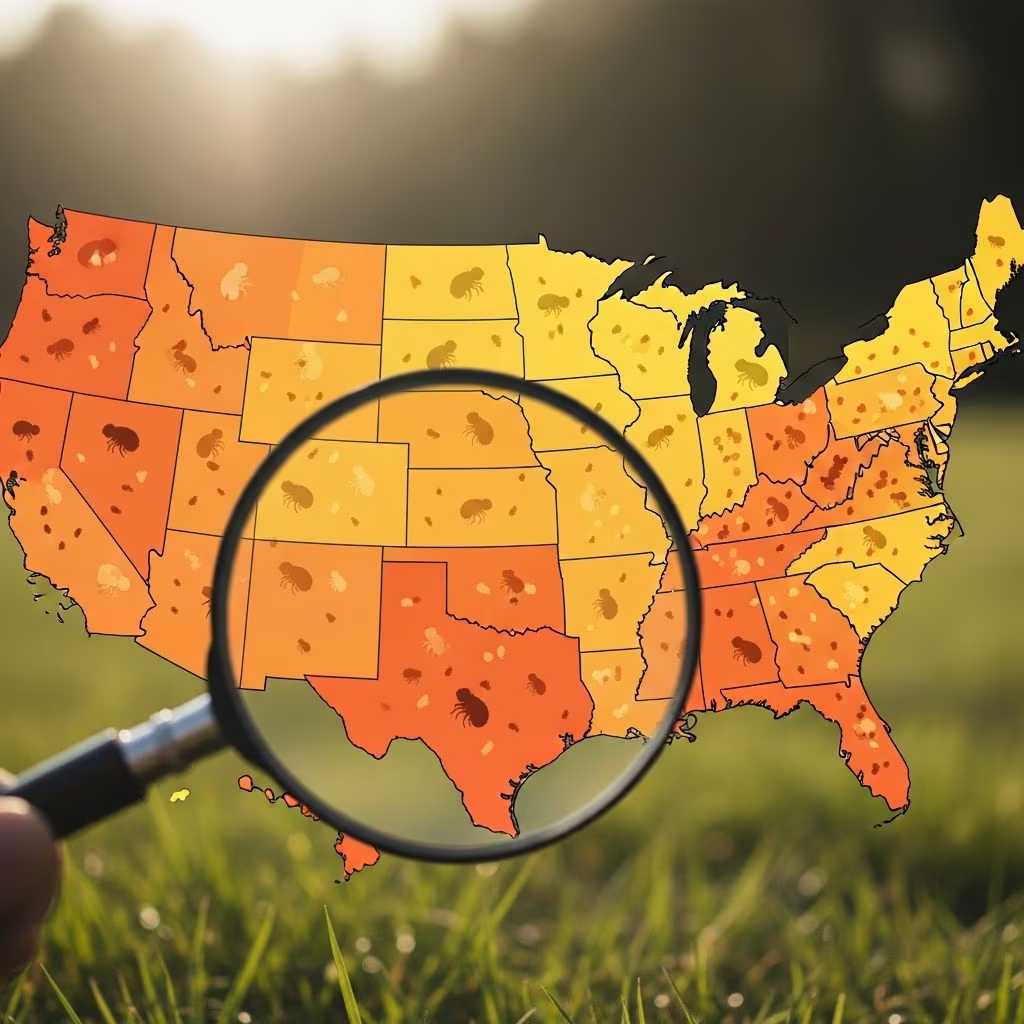
When Is Flea Season? A Complete State-by-State Guide
Flea season is a critical period for pet owners, as fleas become increasingly active and pose significant health risks to cats and dogs. Understanding when flea season occurs in your specific state is essential for implementing timely prevention strategies and protecting your beloved pets from infestation and disease transmission. Fleas thrive in warm, humid conditions and can cause serious health complications including anemia, allergic reactions, and the transmission of dangerous diseases such as bartonellosis and tapeworms.
The timing of flea season varies dramatically across the United States, ranging from as short as five months in northern states to year-round activity in warmer climates. Climate, geographic location, and seasonal temperature changes all play crucial roles in determining when you need to be most vigilant about flea prevention. By knowing exactly when flea season peaks in your area, you can better protect your pets and maintain their health throughout the year.
Understanding Flea Activity and Temperature
Fleas are temperature-sensitive parasites that become dormant when conditions are too cold. Generally, sustained temperatures of 10°F (-12°C) are needed to kill ticks and fleas outdoors and put their life stages into proper dormancy. This means that in regions experiencing harsh winters, flea activity significantly decreases during the coldest months. However, fleas can survive indoors year-round in heated homes, making winter protection in heated environments still necessary.
Fleas thrive most actively in temperatures ranging from 70 to 85 degrees Fahrenheit with humidity levels of 70% or higher. When outdoor temperatures consistently reach the 60-degree mark for several consecutive days, fleas begin to awaken from dormancy and become active on wildlife and pets. This activation typically occurs in spring as weather warms, with peak flea activity lasting through the summer and early fall months until temperatures drop below their survival range again.
National Flea Season Overview
Across the United States, flea season generally begins in spring when temperatures start to rise consistently. For most pet owners, this means increased vigilance starting in March or April. Flea season typically peaks during the warmer months of summer and early fall, with September, October, and November seeing particularly high flea populations as fleas seek warm indoor environments as outdoor temperatures decline.
The end of flea season varies significantly by geography. In northern states with harsh winters, flea season may end by November or even earlier. In southern states with mild winters and subtropical or tropical climates, flea season either extends well into December or persists year-round. Understanding these patterns helps pet owners transition between seasonal prevention protocols or maintain consistent year-round protection as needed.
State-by-State Flea Season Timeline
Different regions of the United States experience varying flea seasons based on their climate and geography. Here is a comprehensive breakdown of flea season by state:
| Flea Season Duration | States Affected |
|---|---|
| January-December (Year-Round) | Alabama, Arizona, California, Florida, Georgia, Hawaii, Louisiana, Mississippi, Nevada, North Carolina, Oregon, South Carolina, Texas, Washington |
| February-December | Arkansas |
| March-December | Delaware, Idaho, Illinois, Indiana, Kansas, Kentucky, Maryland, Missouri, New Mexico, Ohio, Oklahoma, Pennsylvania, Tennessee, Utah, Virginia, West Virginia |
| April-December | Connecticut, Massachusetts, Michigan, New Jersey, New York, Rhode Island |
| April-November | Colorado, Iowa, Maine, Minnesota, Montana, Nebraska, New Hampshire, South Dakota, Vermont, Wisconsin |
| May-November | North Dakota, Wyoming |
| May-October | Alaska |
Year-Round Flea Season States
Fourteen states experience year-round flea activity due to their warm climates and favorable conditions for flea survival and reproduction. These states include Alabama, Arizona, California, Florida, Georgia, Hawaii, Louisiana, Mississippi, Nevada, North Carolina, Oregon, South Carolina, Texas, and Washington. In these regions, pet owners must maintain consistent flea prevention throughout the entire year without seasonal breaks.
States like Florida and Hawaii, with their tropical and subtropical climates, provide ideal conditions for fleas to thrive perpetually. The combination of warm temperatures and high humidity creates an environment where fleas can complete their life cycle continuously. Pet owners in these states should work closely with their veterinarians to establish year-round prevention protocols rather than seasonal treatments.
Extended Season States (February-December)
Arkansas experiences an extended flea season lasting from February through December. This long season reflects the state’s transition climate, where early spring warmth can activate fleas earlier than in northern states, and the extended fall allows continued flea activity well into winter months.
Long Season States (March-December)
A large group of states experiences flea season from March through December, including Delaware, Idaho, Illinois, Indiana, Kansas, Kentucky, Maryland, Missouri, New Mexico, Ohio, Oklahoma, Pennsylvania, Tennessee, Utah, Virginia, and West Virginia. These states represent a diverse geographic range with varying climates but share a common pattern of early spring flea activation and late fall flea presence.
In these states, pet owners should begin flea prevention in March when temperatures warm and continue treatment through December. This nine-month protection period reflects the extended transitional seasons in these regions, where spring arrives earlier than in northern states but winter cold eventually halts outdoor flea activity.
Mid-Length Season States (April-December)
Connecticut, Massachusetts, Michigan, New Jersey, New York, and Rhode Island experience flea season from April through December. These northeastern and mid-Atlantic states typically see temperatures warm enough for flea activation starting in April, with the season extending through the fall and into early winter.
Pet owners in these states should begin spring prevention efforts in April and maintain treatment through December to ensure comprehensive protection during the eight-month flea season window.
Moderate Season States (April-November)
Colorado, Iowa, Maine, Minnesota, Montana, Nebraska, New Hampshire, South Dakota, Vermont, and Wisconsin experience a moderate flea season spanning eight months from April through November. These states in the northern plains, upper Midwest, and northeastern regions have distinct seasons where spring flea activation occurs in April and flea activity ceases by November as temperatures drop.
Wisconsin, in particular, is recognized as one of the highest-risk areas for tick infestation during its flea and tick season, making early prevention and awareness especially important for residents.
Shorter Season States (May-November)
North Dakota and Wyoming have the shortest flea seasons among continental U.S. states, with flea activity lasting only from May through November. These northern plains states experience later spring warming and earlier fall cooling, which compresses the flea season into a seven-month window. North Dakota residents enjoy one of the shortest flea and tick seasons in the country.
Unique Season States (May-October)
Alaska experiences the shortest flea season in the United States, with activity occurring only from May through October. The extreme northern climate and harsh winters eliminate flea activity for most of the year, providing Alaskan pet owners with a distinct advantage in managing flea prevention.
Regional Breakdown of Flea and Tick Seasons
Southeast Region
The southeastern United States, including Florida, Georgia, and the Carolinas, experiences year-round flea activity. Florida, in particular, has subtropical and tropical climates with rainy seasons beginning in May, creating humid conditions ideal for flea proliferation. Year-round vigilance is essential in these states.
South-Central Region
Texas, Louisiana, Arkansas, and Oklahoma have extended flea seasons due to warm climates. Texas residents must contend with year-round flea activity, while Arkansas and Oklahoma experience slightly shorter seasons beginning in February and March respectively, extending through December.
Midwest Region
The Midwest experiences moderate flea seasons with geographic variation. Northern states like North Dakota, South Dakota, and Minnesota have shorter seasons (April to November), while southern Midwest states like Missouri, Illinois, and Indiana experience longer seasons (March to December). Michigan’s position along the Great Lakes provides slightly more temperate weather, sometimes extending the flea season into December.
Northeast Region
Northeastern states including New York, Massachusetts, Connecticut, and New Jersey experience flea seasons from April through December. Pennsylvania presents special considerations, as residents in southern Pennsylvania experience longer seasons extending into December, while those in northern and central regions have somewhat shorter seasons.
Northwest Region
The Pacific Northwest states of Washington and Oregon experience year-round flea activity due to coastal, temperate climates. Idaho, Montana, and Wyoming have shorter seasons, with Montana starting in April and Wyoming having one of the shortest seasons from May to November.
Southwest Region
Arizona, Nevada, New Mexico, and California experience year-round flea seasons due to warm, dry climates. The combination of warm temperatures throughout the year creates persistent flea activity requiring continuous prevention measures.
When Fleas Are Most Active
Fleas are most active during warm and humid conditions, typically in the spring and summer months. September, October, and November represent peak flea season months across much of the United States. During this period, fleas become increasingly desperate to find warm hosts as outdoor temperatures decline, leading to higher indoor infestations as fleas seek shelter in heated homes.
The female flea begins laying eggs within 48 hours of finding a susceptible host animal. A single female flea can produce approximately 30 eggs daily and may live on an animal for several weeks. This rapid reproduction rate means that even small initial infestations can quickly develop into serious problems if left untreated.
Health Risks Associated with Fleas
Fleas pose numerous health risks to cats and dogs beyond simple itching and discomfort. These parasites can transmit serious diseases including anemia, Lyme disease, Rocky Mountain spotted fever, heartworm disease, and bartonellosis. Flea allergy dermatitis is particularly common in sensitive pets, causing excessive scratching, hair loss, and skin infections.
Young animals, senior pets, and immunocompromised animals face heightened risks from flea infestations. Some pets may develop severe reactions to flea saliva, experiencing disproportionate symptoms even from minimal flea exposure. Understanding the serious health consequences of flea infestations reinforces the importance of consistent, year-round prevention.
Prevention Strategies by Season
Effective flea prevention requires different strategies depending on your state’s flea season. For year-round flea states, veterinarians typically recommend consistent monthly prevention treatments throughout the entire calendar year. For states with defined flea seasons, prevention protocols can typically begin one month before peak flea activity and continue one month after flea season ends to ensure comprehensive protection.
Modern flea prevention options include topical treatments, oral medications, collars, and environmental controls. Consult your veterinarian to determine the most appropriate prevention method for your specific pet, considering factors such as age, weight, health status, and lifestyle.
Frequently Asked Questions
Q: Can fleas survive winter outdoors?
A: Fleas cannot survive sustained outdoor temperatures below 10°F (-12°C). However, fleas readily survive indoors in heated homes year-round, requiring continued prevention even during winter months in colder climates.
Q: When should I start flea prevention in my state?
A: Start flea prevention one month before your state’s flea season begins. For example, if flea season starts in March in your state, begin prevention in February. Consult your veterinarian for specific recommendations based on your location and pet’s needs.
Q: Is year-round flea prevention necessary in my state?
A: If you live in a year-round flea state (like Florida, Texas, or California), year-round prevention is strongly recommended. Even in states with defined seasons, indoor protection during winter months is advisable.
Q: What temperature activates fleas from dormancy?
A: Fleas typically become active when temperatures consistently reach 60°F or above for several days. They thrive most actively in temperatures between 70-85°F with 70% or higher humidity.
Q: Are ticks active during the same season as fleas?
A: Tick seasons generally align with flea seasons but may have slight variations. Ticks typically become active in early spring and remain active through late fall, with peak activity during warmer months. Some tick species, like the black-legged tick, remain active into early spring.
Q: What should I do if I find fleas on my pet?
A: Contact your veterinarian immediately for appropriate treatment. Additionally, treat your home environment by vacuuming thoroughly, washing pet bedding in hot water, and considering professional pest control if the infestation is severe.
References
- Flea and Tick Prevention — Oklahoma State University Extension. 2021. https://extension.okstate.edu/articles/2021/ticks_winter_pets.html
- Flea Season Guide by State — PetFriendly Box. 2024. https://petfriendlybox.com/resource-center/when-is-flea-season
- When Is Flea Season? — Chewy. 2024. https://www.chewy.com/education/cat/flea-and-tick/when-is-flea-season
- Be Smart About Flea and Tick Prevention This Year — DelavanLakes Veterinary Clinic. 2024. https://delavanlakesvet.com/news/be-smart-about-flea-and-tick-prevention-this-year/
- When Is Flea and Tick Season? — Only Natural Pet. 2024. https://www.onlynaturalpet.com/blogs/holistic-healthcare-library/when-is-flea-tick-season
- Ultimate Guide to Flea and Tick Seasons — Dutch. 2024. https://www.dutch.com/blogs/general/flea-and-tick-season



