

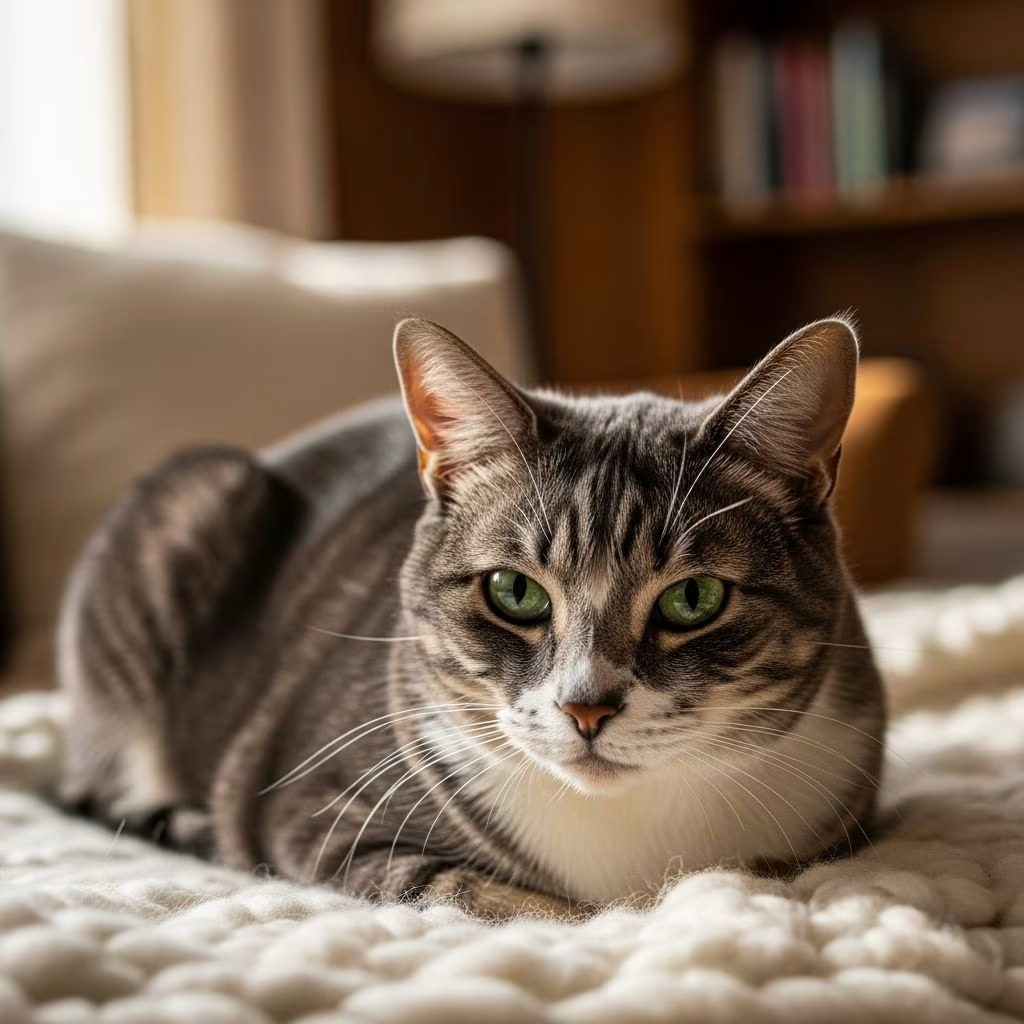
Cats typically enter their senior years between 7 and 11 years old, depending on veterinary guidelines and individual health factors. This transition marks a shift toward proactive care to manage age-related changes and extend quality life.
Understanding Feline Life Stages
Feline aging doesn’t follow a rigid timeline like in humans; instead, it varies by breed, genetics, lifestyle, and overall health. Veterinary organizations provide frameworks to categorize cats into mature, senior, and geriatric phases, helping owners anticipate needs.
- Mature Phase (7-10 years): Equivalent to human middle age (around 44-56 years), cats may show subtle signs like reduced activity.
- Senior Phase (11-14 years): Comparable to 60-72 human years, with increased risk for chronic conditions.
- Geriatric Phase (15+ years): Like 76+ human years, focusing on comfort and palliative support.
These human equivalents illustrate accelerated feline aging after maturity, where each additional cat year roughly equals four human years.
Factors Influencing Senior Status
Not all cats age uniformly. Smaller breeds or indoor cats often reach senior status later, while those with health histories or outdoor exposure may qualify earlier.
| Factor | Impact on Aging |
|---|---|
| Breed/Size | Smaller cats live longer; seniors around 11-12 years vs. larger breeds at 7-8. |
| Genetics | Predispositions to kidney issues or cancer accelerate decline. |
| Lifestyle | Indoor, neutered cats age slower than ferals or intact ones. |
| Past Health | Chronic conditions like diabetes advance senior needs. |
The American Association of Feline Practitioners (AAFP) sets 10 years as the senior threshold, but many vets start enhanced screenings at 7. The Feline Veterinary Medical Association aligns, noting some cats senior by 8.
Spotting the Signs of Aging
Senior cats excel at masking discomfort, making early detection vital. Watch for these common indicators:
- Weight fluctuations—loss from muscle wasting or gain from inactivity.
- Lethargy and excess sleep, signaling pain or organ fatigue.
- Appetite shifts, possibly tied to dental pain or nausea.
- Mobility issues like reluctance to jump, hinting at arthritis (affects 90% over 10).
- Sensory decline—cloudy eyes, hearing loss, or disorientation.
- Coat changes—dullness, matting, or dandruff from poor grooming.
- Behavioral shifts—anxiety, aggression, or litter box avoidance.
- Increased thirst/urination, early kidney disease flags.
Cognitive dysfunction, akin to dementia, impacts 80% of cats over 15, with symptoms like night yowling or house soiling.
Common Health Challenges in Older Cats
Seniors face heightened risks for specific ailments, demanding vigilant monitoring.
- Chronic Kidney Disease (CKD): Prevalent in 30-50% of seniors; early bloodwork detects rising creatinine.
- Hyperthyroidism: Overactive thyroid causing weight loss despite voracious eating; common post-10 years.
- Arthritis/Osteoarthritis: Joint degeneration limits movement; pain management improves life quality.
- Dental Disease: Affects 80% over 5, worsening with age; leads to eating issues.
- Cancer: Intestinal, skin, and lymphoma rise sharply in geriatrics.
- Hypertension: Linked to kidney/thyroid issues; routine checks prevent organ damage.
- Diabetes: Insulin resistance from obesity or pancreatitis history.
Early intervention via biannual exams catches these subtly, as cats hide symptoms until advanced.
Veterinary Care Essentials for Seniors
Frequency ramps up: every 6 months from age 7 equals human annual checkups adjusted for lifespan. Exams include:
- Physical assessment—weight, coat, eyes, joints, lymph nodes.
- Blood panels—CBC, chemistry (kidney/liver enzymes, protein), thyroid, glucose.
- Urinalysis—detects concentrating ability loss in CKD.
- Blood pressure measurement—from 10 years or at-risk.
- Imaging—ultrasound/X-rays for hidden masses if indicated.
- Vaccine/Parasite screens—FeLV/FIV/heartworm, even indoors.
Such protocols enable proactive management, potentially adding years.
Nutrition and Diet for Aging Cats
Senior diets address renal health, muscle maintenance, and digestibility. Transition at 7 years per vet advice.
- High-Quality Protein: Maintains lean mass; avoid low-protein myths for kidney health.
- Controlled Phosphorus: Slows CKD progression; check blood levels annually.
- Omega-3 Fatty Acids: Reduce inflammation for joints/heart.
- Antioxidants: Combat oxidative stress for cognition/coat.
- Calorie Adjustment: Prevent obesity while ensuring intake; wet food aids hydration.
Bloodwork guides switches—e.g., renal diets if phosphorus elevates. Fresh water fountains encourage drinking.
Home Environment Adaptations
Modify spaces for comfort:
- Ramps/steps for high perches to ease jumping.
- Low-sided litter boxes for arthritic legs.
- Soft bedding and heated mats for joint relief.
- Multiple water/food stations to reduce travel.
- Quiet zones amid routine to curb anxiety.
- Gentle play with wand toys for mental stimulation.
Daily grooming assists coat care; pheromone diffusers soothe stress.
Boosting Longevity and Quality of Life
With tailored care, cats routinely hit 15-20 years. Key strategies:
- Consistent weigh-ins and photo logs track changes.
- Supplements like glucosamine for joints, pending vet OK.
- Weight management via portion control and activity.
- Regular dental home care—brushing with pet-safe paste.
- Monitor for cancer via baseline imaging if prone.
Emotional bonds and stable routines enhance well-being, mirroring human geriatrics.
Frequently Asked Questions (FAQs)
What age is a cat senior?
Generally 7-11 years; AAFP says 10+, but vets often start at 7.
How often should senior cats see the vet?
Every 6 months from age 7 for exams and bloodwork.
What food is best for senior cats?
Senior formulas with moderated protein/phosphorus, high palatability.
Do senior cats need special litter boxes?
Yes, low-entry designs accommodate mobility issues.
Can senior cats still play?
Absolutely—gentle interactive toys maintain muscle and joy.
References
- Cat Senior Care | Hickory Veterinary and Specialty Hospital — Hickory Veterinary and Specialty Hospital. Accessed 2026. https://www.hickoryvet.com/services/cats/senior-cat-care
- Senior Cat Age: At What Age Is My Cat a Senior? – Chewy — Chewy. Accessed 2026. https://www.chewy.com/education/cat/health-and-wellness/senior-cat-age-at-what-age-is-my-cat-a-senior
- Feeding Mature, Senior, and Geriatric Cats | VCA Animal Hospitals — VCA Animal Hospitals. Accessed 2026. https://vcahospitals.com/know-your-pet/feeding-mature-senior-and-geriatric-cats
- When Is a Cat Considered a Senior? What To Expect When Your … – PetMD — PetMD. Accessed 2026. https://www.petmd.com/cat/general-health/when-is-cat-considered-senior
- When Is My Cat Considered A Senior? Tips For Geriatric Pet Care – Banning Vet — Banning Veterinary Hospital. 2022-06-30. https://www.banningvet.com/site/blog/2022/06/30/when-is-my-cat-considered-a-senior-tips-for-geriatric-pet-care
- Senior Cat Care, What To Know About Caring For A Geriatric Cat – Standiford Veterinary — Standiford Veterinary Hospital. Accessed 2026. https://standifordveterinary.com/services/cats/senior-cat-care.html
- Senior Status? Understanding Your Senior Pet’s Life Stage – AAHA — American Animal Hospital Association (AAHA). Accessed 2026. https://www.aaha.org/resources/senior-status-understanding-your-senior-pets-life-stage/



