Puppy Barking Timeline: 4 Key Phases From Whimpers To Yips
Discover the typical age puppies begin barking, stages of vocal growth, reasons behind it, and expert strategies for healthy communication development.
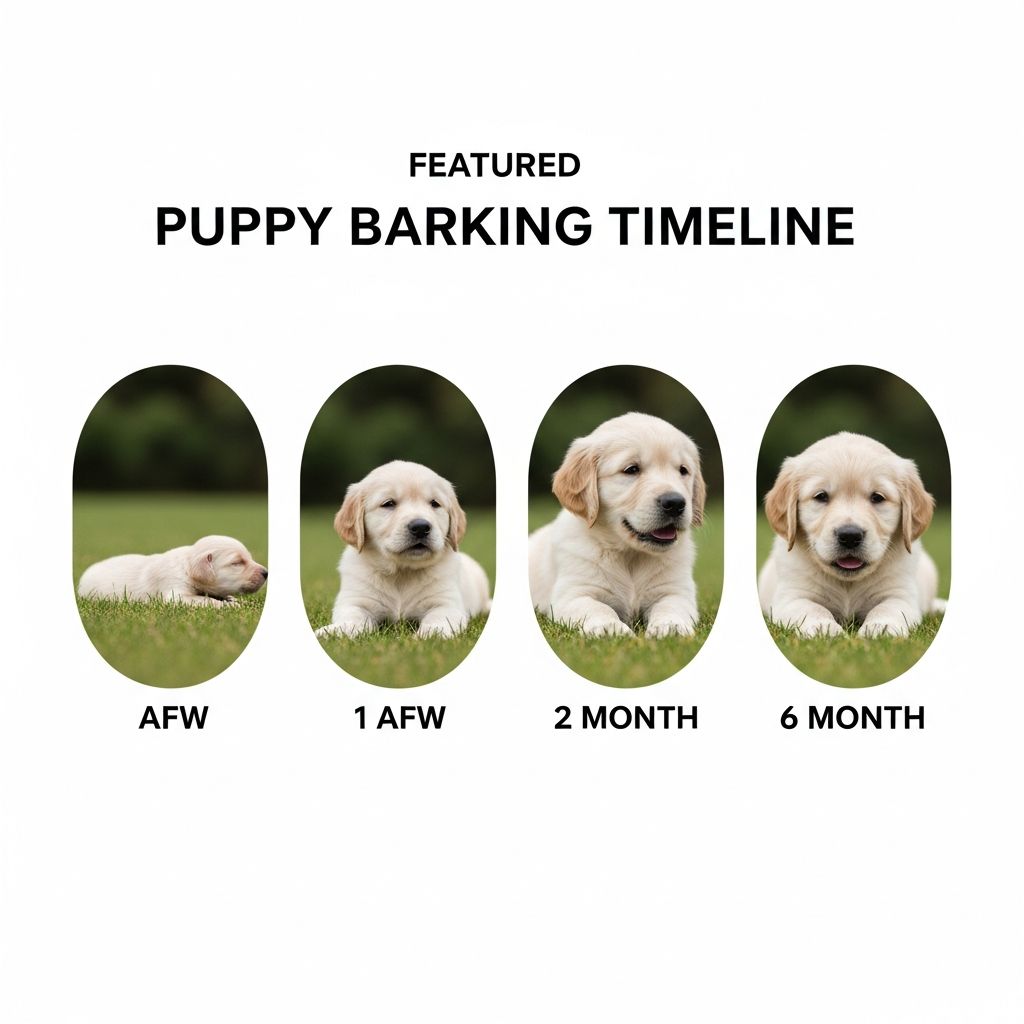
Puppy Barking Timeline: From First Whimpers to Confident Yips
Puppies typically begin producing their first recognizable barks between 6 and 8 weeks of age, marking a key milestone in their vocal and social development.
The Foundations of Puppy Vocalization
Newborn puppies enter the world with limited communication tools. For the initial days and weeks, they rely on instinctual sounds like soft whimpers, sighs, or grunts to signal basic needs such as hunger, cold, or the need for maternal comfort. These early noises are not barks but essential cries that ensure survival by drawing the mother’s attention.
During the neonatal phase, from birth to about 2 weeks, puppies are mostly silent except when distressed. Their vocal cords exist from birth, but coordinating breath, muscle strength, and intent takes time. As eyes open and ears function around 2-3 weeks, vocalizations evolve into more varied whines and grunts, aiding interactions with littermates and the dam.
Emergence of the First Barks
Around 6-8 weeks, puppies transition to true barking—short, high-pitched yips or yelps often triggered by excitement, play, or surprise. This timing aligns with heightened social awareness, eye and ear maturation, and the onset of purposeful communication.
- 6-7 weeks: Experimental yaps during play or exploration.
- 8 weeks: More intentional barks for attention, food, or interaction with humans and dogs.
- Variability: Some start at 4-5 weeks if exposed to barking adults; others delay until 12 weeks or later.
This period coincides with weaning and potential rehoming, amplifying barks as puppies seek connection.
Factors Shaping Barking Onset and Style
Not all puppies bark on the same schedule. Genetics, environment, and experiences play crucial roles.
| Factor | Influence on Barking | Examples |
|---|---|---|
| Breed | Large breeds may have deeper tones earlier; small breeds stay high-pitched longer. | Rottweilers develop adult-like barks sooner. |
| Environment | Barking dogs nearby accelerate learning via imitation. | Quiet homes delay vocal experimentation. |
| Social Exposure | Early human/dog interactions prompt purposeful sounds. | Litter play fosters group communication. |
| Health/Individuality | Some pups are naturally quieter; delays rarely indicate issues. | No concern if barking starts by 3-4 months. |
Quiet puppies aren’t abnormal; some rarely bark lifelong, while early vocalizers often become talkative adults.
Developmental Stages of Puppy Communication
Puppy growth follows distinct phases where barking refines.
Transitional Phase (2-4 Weeks)
Puppies stand, walk tentatively, and produce initial barks amid developing senses. Play begins, introducing bark-like sounds.
Socialization Phase (3-12 Weeks)
Critical window for vocal learning. By 7-9 weeks, coordination improves; 8-10 weeks brings fear periods where barks signal alarm. Training starts here for positive associations.
Ranking Phase (3-6 Months)
Barking tests social hierarchies with humans and dogs. Teething and exploration heighten vocal use; another fear stage at 4 months may increase alert barks.
Adolescence (6-18 Months)
Barks mature, used for dominance, territory, or sexual signals if intact. Consistent training prevents escalation.
Common Reasons Puppies Bark
Barking communicates needs, emotions, or instincts. Recognizing triggers aids management.
- Attention-Seeking: Most frequent in young pups craving interaction.
- Excitement/Play: Yips during fun activities.
- Fear/Alert: Response to novel stimuli, especially in fear periods.
- Territorial: Guarding resources or family early on.
- Frustration/Boredom: Blocked access to toys, walks, or prey-like sights.
- Basic Needs: Hunger, thirst, potty urges, or isolation distress.
Sudden increases, like at 6 months, reflect testing limits, akin to toddler rebellion.
Strategies for Healthy Barking Habits
Early intervention shapes lifelong behavior. Focus on positive reinforcement over punishment.
- Observe Patterns: Note triggers to address root causes, like more exercise for boredom barks.
- Ignore Attention Barks: Turn away silently; reward quiet moments.
- Teach Commands: “Quiet” or “Enough” paired with treats after ceasing bark.
- Enrich Environment: Toys, puzzles reduce frustration; crate training prevents isolation barking.
- Socialize Broadly: Expose to sounds/people from 8 weeks to desensitize fear barks.
- Professional Help: If persistent past 6 months, consult vets/trainers for underlying issues.
Responding to every bark reinforces it; consistency builds calm dogs.
Breed-Specific Barking Traits
Temperament influences vocal style:
- High-Barking Breeds: Terriers, herding dogs (e.g., Border Collies) vocalize readily.
- Moderate: Labs, Goldens bark situationally.
- Quiet: Basenjis rarely bark; others like Bulldogs grunt more.
Choose breeds matching lifestyle; research prevents surprises.
When to Worry About Puppy Barking
Normal variability exists, but consult vets if:
- No barks by 4 months with social exposure.
- Sudden excessive barking post-illness/injury.
- Barking with aggression, trembling, or appetite loss.
These may signal pain, anxiety, or developmental delays.
FAQs
Can puppies be trained not to bark at all?
No—barking is natural communication. Aim for controlled, purposeful use via training.
Why does my 4-month-old puppy bark more now?
Adolescent testing and ranking phases increase experimentation.
Is it bad if my puppy barks at strangers?
Common in socialization phase; counter with positive exposures and desensitization.
How do I stop nighttime barking?
Establish routines: last potty, quiet crate time, white noise. Ignore non-emergency cries.
Does neutering reduce barking?
May lessen hormone-driven barks in adolescence, but training is primary.
Long-Term Vocal Development
By adulthood, barks convey nuanced messages: short yaps for play, prolonged for alerts. Lifelong enrichment and mental stimulation keep communication balanced, preventing nuisance barking. Patience during puppyhood yields a well-adjusted companion.
References
- When Do Puppies Start Barking? Understanding Your Pup’s Vocal Development — Orea Teai. 2023. https://www.oreateai.com/blog/when-do-puppies-start-barking-understanding-your-pups-vocal-development/9cbc9bda960b8cc9a44eaf575e0fb163
- When Do Puppies Start Barking? — Spark Paws. 2023. https://www.sparkpaws.com/blogs/community/when-do-puppies-start-barking
- How Old Are Puppies When They First Learn to Bark? — Pets4Homes. 2023. https://www.pets4homes.co.uk/pet-advice/how-old-are-puppies-when-they-first-learn-to-bark.html
- Developmental Stages of Puppy Behavior — Seattle Humane. 2025-01-30. https://www.seattlehumane.org/resource-library/developmental-stages-of-puppy-behavior/
- Puppy Barking: Expert Tips for Managing Noisy Puppies — Purina. 2023. https://www.purina.com/articles/dog/puppy/behavior/puppy-barking
Similar Articles







Read full bio of Sneha Tete