

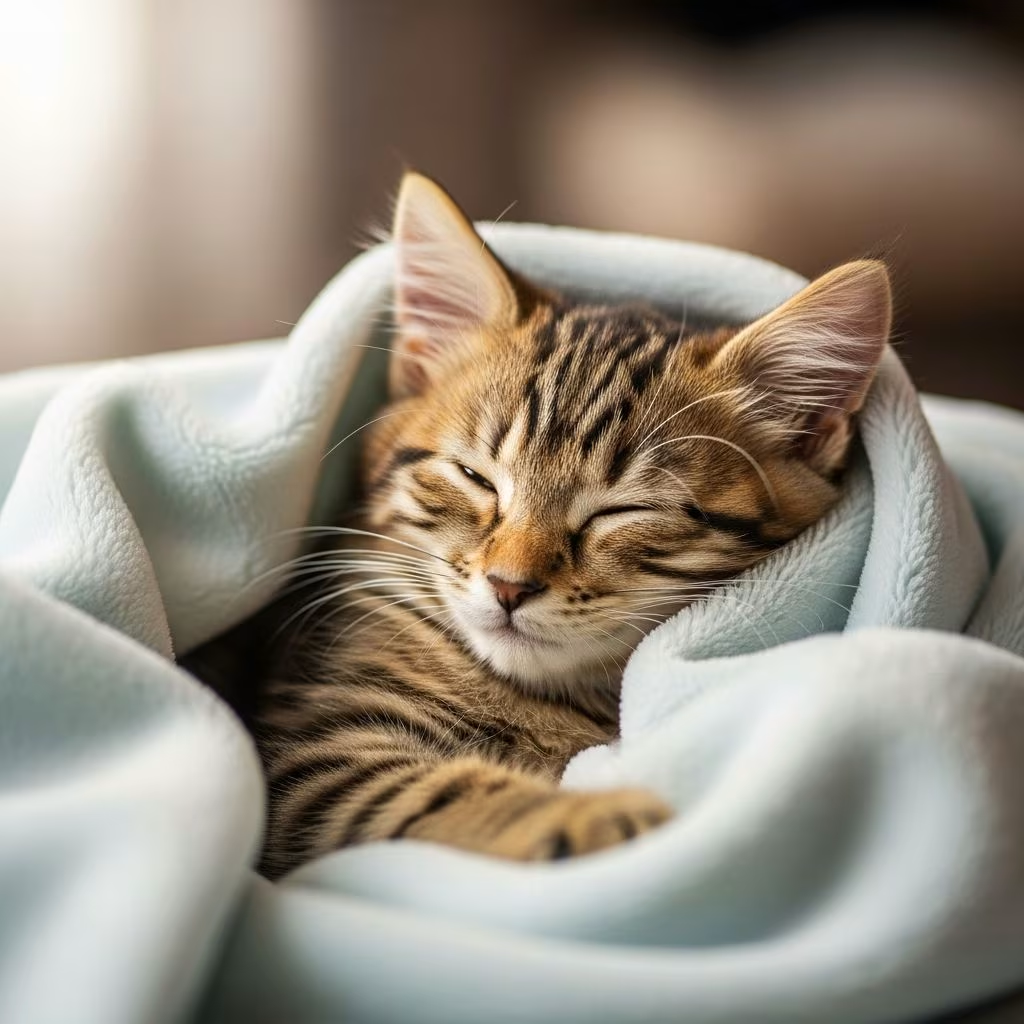
Understanding the journey from boundless kitten energy to a more serene adult cat helps owners set realistic expectations. Kittens exhibit peak playfulness during specific growth phases before gradually maturing around 1-2 years old, influenced by breed, environment, and care.
Early Foundations: Birth to 8 Weeks
The initial weeks form the base for future temperament. Newborn kittens focus on survival basics, with behaviors evolving rapidly as senses develop.
- Neonatal Phase (0-2 Weeks): Kittens rely fully on their mother, learning to orient to sounds. Eyes open around week two, and they begin wobbly movements.
- Socialization Onset (2-4 Weeks): Hearing and smell mature; they start interacting with littermates, attempting walks, and showing early competition for space.
- Exploration Builds (4-8 Weeks): Coordination improves with running, jumping from low heights, and litter box use by week five. Play with siblings emerges, honing hunting skills.
During this period, frequent handling by humans fosters confidence, reducing future fearfulness. Veterinary sources emphasize keeping kittens with mothers until at least 8 weeks for proper emotional development.
Peak Playfulness: 2-6 Months
This is when most owners notice intense zooming and mischief, as kittens refine motor skills and social bonds.
| Age Range | Key Behaviors | Development Focus |
|---|---|---|
| 9-12 Weeks | Pouncing, chasing toys, tail-chasing | Learning cat identity through play |
| 3-6 Months | Climbing, ambushing, increased vocalization | Ranking establishment in household |
Energy spikes around 7 weeks, with reduced sleep and more exploration. Kittens climb cat trees, defend play areas, and groom proficiently. Social play like belly-ups and hugging strengthens sibling ties, while object play builds coordination. Owners often see kittens testing boundaries, scratching furniture, and preferring specific toys, signaling growing independence.
Adolescent Challenges: 6-18 Months
Adolescence mirrors human teens, with heightened exploration and dominance testing. Play remains high, but preferences solidify.
- Energy persists but matures; kittens challenge household roles, including humans.
- Sexual behaviors may appear if not spayed/neutered, adding restlessness.
- Grace replaces clumsiness; they navigate shelves and windows adeptly.
This phase demands consistent training. Spaying/neutering around 6 months curbs unwanted urges and calms demeanor. Interactive toys channel energy, preventing destructive habits.
Maturity Milestone: 1-2 Years and Beyond
Most cats settle by 12-18 months, though some breeds like Bengals stay playful longer. Full emotional maturity hits around age 2-3, akin to a 25-year-old human.
Expect calmer routines: shorter play bursts, more napping (12-16 hours daily), and selective affection. Factors accelerating calm include:
- Neutering: Reduces hormones driving hyperactivity.
- Environment: Vertical spaces and puzzles tire them mentally.
- Diet and Health: Balanced kitten food supports steady growth; check for issues like hyperthyroidism mimicking energy.
Factors Influencing Calm-Down Timeline
Breed plays a role: Siamese remain energetic past year one, while Persians mellow sooner. Single kittens without siblings may stay hyper longer due to unmet play needs. Early socialization (2-7 weeks) creates adaptable adults less prone to anxiety-driven antics.
Health checks are vital; excessive energy post-18 months warrants vet visits for nutritional or medical causes.
Practical Strategies for a Smoother Transition
Help your kitten mature gracefully with these evidence-based tips:
- Scheduled Play Sessions: 15-20 minutes twice daily mimics hunting, promoting fatigue.
- Enrichment Tools: Cat trees, wand toys, and food puzzles prevent boredom.
- Socialization Continuation: Expose to new stimuli up to 6 months for confidence.
- Routine Establishment: Fixed feeding and litter times build security.
- Positive Reinforcement: Reward calm behaviors with treats to encourage relaxation.
Patience is key; punishing play worsens issues. Instead, redirect to appropriate outlets.
Breed-Specific Expectations
| Breed | Typical Calm Age | Notes |
|---|---|---|
| Domestic Shorthair | 12-18 Months | Balanced energy |
| Bengal/Abyssinian | 2+ Years | High activity retained |
| Persian/Ragdoll | 9-12 Months | Naturally laid-back |
Common Concerns and Solutions
Owners worry about endless zooming. Normal up to 1 year, but persistent issues post-maturity signal needs adjustment. Track behavior in a journal for vet discussions.
Frequently Asked Questions
At what age do kittens stop being so hyper?
Typically by 12-18 months, with full maturity around 2 years. Individual variation applies.
Why is my 6-month-old kitten still crazy?
Adolescence peaks here; provide outlets and consider neutering.
Can I speed up the calming process?
Yes, through play, enrichment, and spay/neuter, but avoid forcing it.
What if my kitten never calms down?
Consult a vet to rule out health problems after 18 months.
Do girl kittens calm faster than boys?
No significant difference; neutering impacts both equally.
References
- The Complete Guide to Your Kitten’s Growth Stages — Brown Vet Hospital. 2023. https://brownvethospital.com/blog/kitten-stages-of-growth/
- Kitten Development Stages and Kitten Age Chart — PetMD. 2024-01-15. https://www.petmd.com/cat/care/kitten-development-understanding-kittens-major-growth-milestones
- Developmental Stages Of Kitten Behavior — SF SPCA. 2022. https://www.sfadopt.com/media/Education/DevelopmentalStagesOfKittenBehavior.pdf
- 5 Kitten Behavioral Milestones You Should Know — Kinship. 2023-06-10. https://www.kinship.com/cat-behavior/kitten-behavior-milestones
- Developmental Stages of Kitten Behavior — PAWS. 2021. https://www.paws.org/resources/developmental-stages-of-kitten-behavior/



