

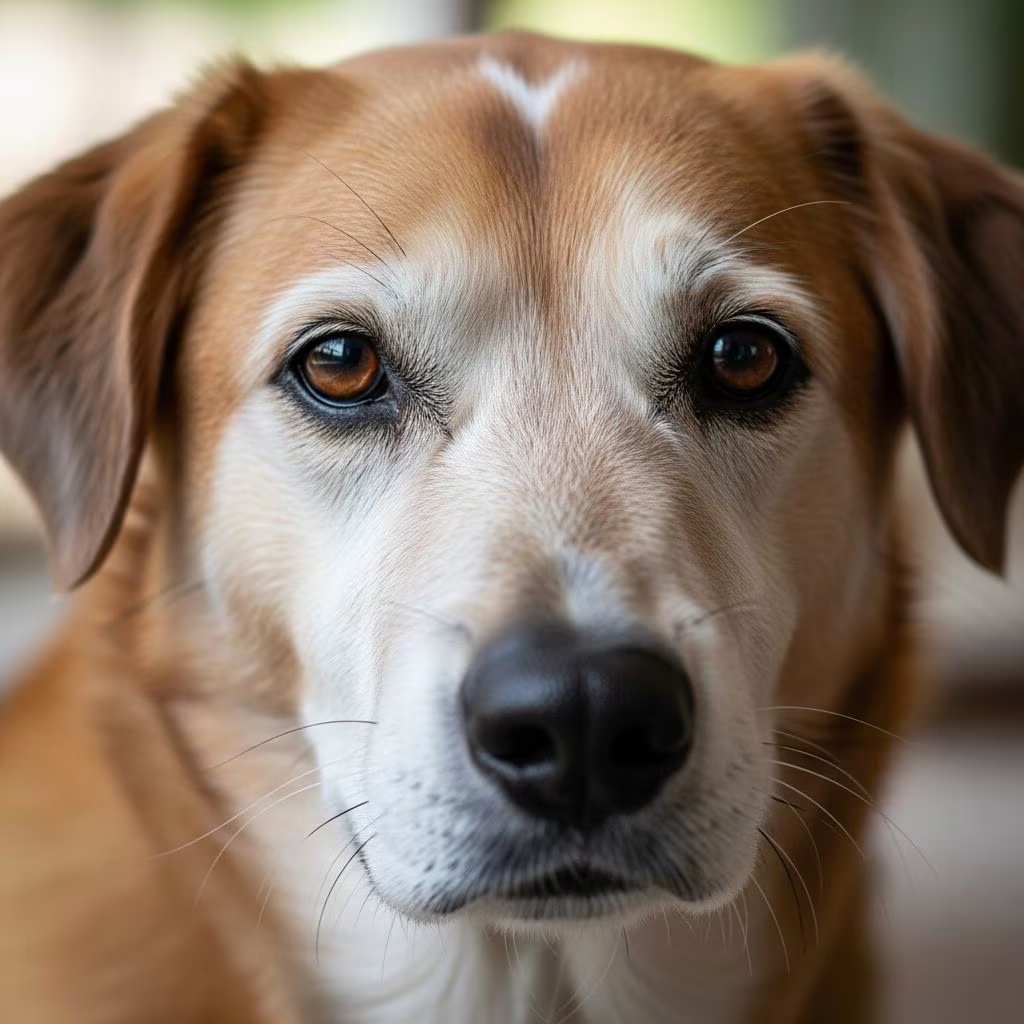
Dogs commonly begin showing gray hairs around their muzzles and faces starting at age 5 to 7 years, though this varies by breed, size, and individual health. Larger breeds may gray earlier due to faster aging, while smaller ones hold onto their color longer. Premature graying before age 5 often signals other factors beyond natural maturity.
The Natural Timeline of Canine Graying
Canine aging accelerates compared to humans because dogs’ metabolisms run faster, compressing life stages into shorter periods. Most dogs reach senior status between 7 and 10 years, with initial gray strands appearing on the face, particularly the muzzle, as early as 5 years in some cases. This mirrors human graying but happens quicker due to elevated metabolic rates that wear down cellular processes rapidly.
Small breeds (under 20 pounds) might not show prominent gray until 9-11 years, medium breeds around 8-10, and large breeds (over 50 pounds) as young as 5-7. These timelines stem from genetic predispositions and size-related lifespan differences, where bigger dogs experience heightened physiological demands.
- Small breeds: Graying often starts post-8 years.
- Medium breeds: Visible changes around 7-9 years.
- Large/giant breeds: Earliest signs by 5-7 years.
Factors Triggering Early Gray Hairs
While age drives typical graying, several influences can prompt white or gray fur in younger dogs, sometimes as early as 1-2 years. Understanding these helps pet owners respond appropriately.
Genetic Predispositions by Breed
Genetics dominate graying patterns, with certain breeds carrying the ‘graying gene’ that dilutes eumelanin—the dark pigment in fur—over time. This results in fur growing out progressively lighter, more noticeable in black or dark-coated dogs and long-haired varieties. Breeds prone to early graying include those with dominant genes for this trait, even in mixed breeds inheriting from purebred lines.
| Breed | Typical Graying Age | Notable Traits |
|---|---|---|
| Poodles | 2-5 years | Non-shedding coat highlights changes |
| Schnauzers | 3-6 years | Genetic dilution of dark pigments |
| Weimaraners | Early adulthood | Silver-gray base color shifts |
| Collies | 4-7 years | Visible on sable or black coats |
| Greyhounds | Young adults | Short coat shows progression |
These breeds often display gradual fading rather than patchy white, distinguishing genetic graying from other causes.
Stress and Anxiety’s Impact on Coat Color
Chronic stress accelerates graying in dogs under 5 years, akin to human experiences where anxiety prompts pigment loss. A study in Applied Animal Behaviour Science analyzed 400 dogs, finding those with high anxiety, impulsivity, or fear responses to stimuli showed significantly more facial graying. Stress disrupts melanocyte stem cells responsible for pigment production, leading to white hairs.
Common stressors include:
- Boredom from lack of mental stimulation.
- Frustration in confined or routine-heavy environments.
- Fear of loud noises, strangers, or other animals.
- Separation anxiety during owner absences.
Signs accompanying stress-graying: pacing, heavy breathing, loss of appetite, or withdrawal from play. Addressing these through enrichment, training, or medication can slow progression.
Nutritional Shortfalls Affecting Pigmentation
Deficiencies in copper, zinc, and certain B vitamins impair melanin synthesis, causing premature fading. Copper, vital for tyrosinase enzyme activity in pigment production, when lacking, leads to diluted coat colors. Studies link poor diet directly to pigmentation changes, emphasizing balanced nutrition for coat vitality.
Ensure diets include:
- High-quality proteins for amino acid support.
- Omega fatty acids for shine and health.
- Trace minerals via vet-recommended supplements if needed.
Health Conditions Behind Unexpected Graying
Premature graying flags potential issues like hypothyroidism—the most frequent culprit—affecting metabolism and coat quality. Symptoms include weight gain, lethargy, cold intolerance, and dull fur. Less commonly, liver or kidney dysfunction impairs toxin clearance, indirectly causing pigment loss. Vitiligo, an autoimmune loss of melanocytes, creates patchy white areas.
Veterinary diagnostics via bloodwork can identify thyroid levels or organ function, often treatable with daily medication restoring normal pigmentation in reversible cases.
Distinguishing Normal vs. Concerning Graying
Not all gray warrants alarm; muzzle frosting in seniors is cosmetic. Concern arises if:
- Gray appears before 3 years extensively.
- Accompanied by coat thinning, skin issues, or behavioral shifts.
- Sudden patchy white rather than gradual spread.
Dark-coated dogs highlight changes more than light ones, and short fur masks progression better than long coats.
Steps to Support Your Dog’s Coat Health
Though genetic graying proves irreversible, lifestyle tweaks mitigate stress and nutrition-driven cases:
- Vet Consultation: Rule out hypothyroidism or deficiencies with tests.
- Diet Optimization: Switch to senior formulas rich in antioxidants, fatty acids for coat support.
- Stress Reduction: Daily exercise, puzzle toys, consistent routines.
- Grooming Routine: Regular brushing stimulates follicles, distributes oils.
For aging dogs, nutrition targeting vitality aids brain function, immunity, and shiny coats despite gray.
Embracing Your Dog’s Changing Appearance
Gray fur symbolizes wisdom and shared life adventures. Many owners celebrate ‘silver seniors’ with gentle care, recognizing it as a badge of resilience. Focus on quality years ahead through proactive health management.
Frequently Asked Questions (FAQs)
Is premature graying in dogs reversible?
If caused by treatable conditions like hypothyroidism or nutrition gaps, yes—improvement follows correction. Genetic cases persist.
Does dog size affect graying speed?
Yes, larger dogs gray earlier due to faster metabolism and shorter lifespans.
Can stress really turn dog fur white?
Research confirms links in young dogs, with anxiety correlating to facial graying.
What diet helps prevent early graying?
Balanced kibble with copper, zinc, omegas; consult vets for breed-specific needs.
Should I worry about muzzle gray in a 2-year-old?
Check for stress or health issues if widespread; isolated strands may be genetic.
References
- Premature Graying Around the Muzzle of Young Dogs — Applied Animal Behaviour Science (via Hill’s Pet Nutrition summary). 2016. https://www.hillspet.com/dog-care/behavior-appearance/dogs-muzzle-hair-graying
- Noticing Premature Gray Hair on Your Pup? — Sit Means Sit Dog Training. Accessed 2026. https://sitmeanssit.com/dog-training-mu/dog-training-frederick/noticing-premature-gray-hair-on-your-pup/
- Why is My Dog Getting White Hair at a Young Age? — Spark Paws. Accessed 2026. https://www.sparkpaws.com/blogs/community/why-is-my-dog-getting-white-hair-at-a-young-age
- Why Premature Graying in Dogs Can Be Grounds for Worry — CBS Philadelphia (Pet Project video transcript). 2025-08-31. https://www.youtube.com/watch?v=xXooK-J5fvc
- Why Is My Dog Going Grey So Early? — Dan’s Pet Care. Accessed 2026. https://danspetcare.com/pets/why-is-my-dog-going-grey-so-early



