

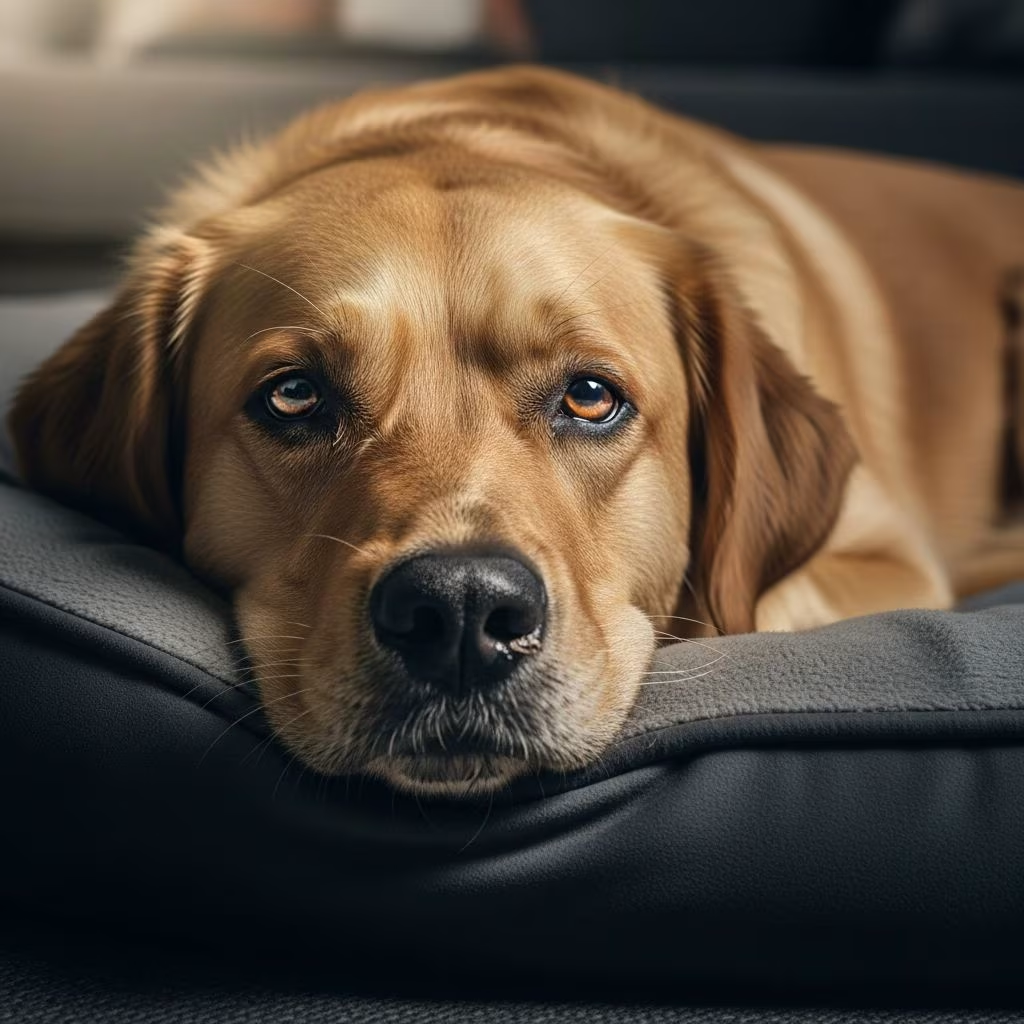
Dog diarrhoea is a common issue that many pet owners encounter, often triggered by something as simple as a dietary indiscretion or stress. However, what starts as a minor upset can quickly escalate into a life-threatening emergency if not monitored closely. Understanding the difference between harmless loose stools and dangerous diarrhoea is crucial for every dog owner. This guide breaks down the warning signs, causes, home care tips, and when to seek immediate veterinary attention to keep your furry friend safe.
Understanding Dog Diarrhoea: The Basics
Diarrhoea in dogs refers to the production of loose, watery stools more frequently than normal. It can be classified as acute (sudden onset, lasting less than 48 hours) or chronic (persisting beyond that timeframe). Acute cases are often self-limiting, but vigilance is key because dogs dehydrate rapidly due to their small body size relative to surface area, especially puppies, seniors, and small breeds.
Normal dog stool is firm, segmented, and easy to pick up. Diarrhoea varies in appearance: small-bowel diarrhoea tends to be larger volumes of watery stool, while large-bowel diarrhoea involves smaller amounts with straining, mucus, or blood. Recognizing these patterns helps determine severity.
Common Causes of Diarrhoea in Dogs
Diarrhoea can stem from various sources, ranging from benign to severe:
- Dietary indiscretion: Eating garbage, table scraps, or sudden food changes disrupts gut flora.
- Infections: Bacterial (e.g., Salmonella), viral (e.g., parvovirus in unvaccinated pups), or parasitic (e.g., giardia, worms).
- Stress: Travel, boarding, or household changes can trigger colitis.
- Toxins/Poisoning: Ingestion of antifreeze, rodenticides, chocolate, grapes, or household chemicals leads to rapid symptoms.
- Underlying diseases: Pancreatitis, kidney disease, or inflammatory bowel disease cause chronic issues.
- Medications/Foreign bodies: Antibiotics or swallowed objects like toys obstruct the gut.
While many cases resolve with fasting and hydration, certain causes like parvovirus or poisoning demand urgent intervention.
Red Flags: When Diarrhoea Becomes an Emergency
Not all diarrhoea requires a vet visit, but specific red flags signal danger. If your dog shows any of these, contact a veterinarian immediately—don’t wait beyond 24 hours.
| Symptom | Description | Why It’s Dangerous |
|---|---|---|
| Blood in stool | Bright red (fresh blood from lower gut) or black/tarry (digested blood from upper GI) | Indicates bleeding, infection, or clotting disorders like rat poison ingestion |
| Prolonged duration | More than 24-48 hours, or worsening | Rapid dehydration, electrolyte imbalance, or organ strain |
| Lethargy/weakness | Unusual tiredness, collapse, or reluctance to move | Dehydration, sepsis, or systemic illness |
| Vomiting | Especially if repeated or with diarrhoea | Obstruction, toxin, or severe infection accelerating fluid loss |
| Dehydration signs | Dry gums, sunken eyes, skin tenting, dry nose | Can lead to shock or organ failure within hours |
| Abdominal pain/bloating | Hunched posture, whining, distended belly | GDV, obstruction, or pancreatitis |
| Loss of appetite | Refusal of food/water | Signals pain or systemic disease |
Puppies, seniors, and toy breeds are at higher risk due to faster dehydration rates. Bloody diarrhoea, especially with parvovirus-like symptoms (profuse, foul-smelling stool), is life-threatening.
Types of Diarrhoea: Small vs Large Bowel
Distinguishing bowel involvement aids assessment:
- Small-bowel diarrhoea: Large volumes, watery, weight loss, increased appetite initially. Causes: infections, toxins.
- Large-bowel diarrhoea: Frequent small amounts, straining, mucus/blood. Causes: colitis, parasites, stress.
Mixed types or black stool (melena) suggest upper GI issues needing urgent care.
What to Do at Home for Mild Cases
For short-lived, mild diarrhoea without red flags:
- Fast: Withhold food 12-24 hours but provide water.
- Hydrate: Offer ice cubes or electrolyte solutions (vet-approved, not Pedialyte without guidance).
- Bland diet: After fasting, feed boiled chicken/rice in small portions for 3-5 days.
- Probiotics: Plain yogurt or vet-recommended to restore gut flora.
- Monitor: Track stool quality, frequency, and behaviour.
Never give human meds: Imodium, Pepto-Bismol, or NSAIDs can worsen issues or cause toxicity. Avoid dairy, fatty foods, or resuming normal diet too soon.
When to Call the Vet or Go to Emergency
Err on caution: if symptoms persist >24 hours, worsen, or include red flags, seek help ASAP. Provide details: onset time, stool description, diet changes, possible toxins. Vets may recommend exams, bloodwork, imaging, or hospitalization for fluids.
For suspected poisoning (e.g., rodenticides causing pale gums, weakness), induce vomiting only if vet instructs (within 2 hours of ingestion). Antifreeze shows staggering/thirst first.
Preventing Dangerous Diarrhoea
Proactive steps reduce risks:
- Keep toxins secured: meds, cleaners, rodenticides, human foods.
- Vaccinate/deworm regularly against parvo, etc..
- Gradual diet transitions.
- Secure trash; supervise outdoors.
- Annual check-ups for early disease detection.
Frequently Asked Questions (FAQs)
Q: How long is too long for dog diarrhoea?
A: Over 24-48 hours, or if accompanied by other symptoms, see a vet immediately to prevent dehydration.
Q: Is blood in dog stool always an emergency?
Q: Is blood in dog stool always an emergency?
A: Yes, especially bright red, large amounts, or with straining—indicates inflammation or bleeding.
Q: Can I treat my dog’s diarrhoea at home?
A: Only mild cases; use fasting and bland diet. Never use human drugs.
Q: What dehydration signs require urgent care?
A: Dry/sticky gums, sunken eyes, lethargy—test by pinching skin (should snap back quickly).
Q: Is puppy diarrhoea more dangerous?
A: Yes, they dehydrate fastest and risk parvo.
Final Thoughts
Diarrhoea turns dangerous fast in dogs—know the signs, act swiftly, and trust your instincts. Prompt vet care saves lives, preventing escalation from mild upset to organ failure or death. Monitor closely, prevent exposures, and prioritise health check-ups for a happy, healthy pup.
References
- When Your Dog Has Diarrhea or Vomiting — And When It’s Serious — 1st Pet Vet. 2023. https://1stpetvet.com/pet-health-information/when-your-dog-has-diarrhea-or-vomiting-and-when-its-serious/
- The First Signs of Poisoning in Dogs: An Urgent Guide — GSVS. 2024. https://gsvs.org/blog/signs-of-poisoning-in-dogs-urgent-guide/
- When should I worry if my dog has diarrhea? — La Jolla Vet. 2022. http://www.lajollavet.com/when-should-i-worry-if-my-dog-has-diarrhea.html
- Common Causes of Diarrhea in Dogs — Center Star Vet. 2023-09-15. https://www.centerstarvet.com/site/blog/2023/09/15/common-causes-diarrhea-dogs
- When Is Dog Diarrhea an Emergency? — Glenwood Pet Hospital. 2024. https://glenwoodpethospital.com/blog/when-is-dog-diarrhea-an-emergency/
- When Should I Worry About My Dog’s Diarrhea? — AKC Pet Insurance. 2023. https://www.akcpetinsurance.com/blog/when-to-worry-about-dog-diarrhea
- Dog Diarrhea: How to Know What’s Causing It — AnimalBiome. 2024. https://www.animalbiome.com/blogs/pet-health/dog-diarrhea-what-you-need-to-know



