

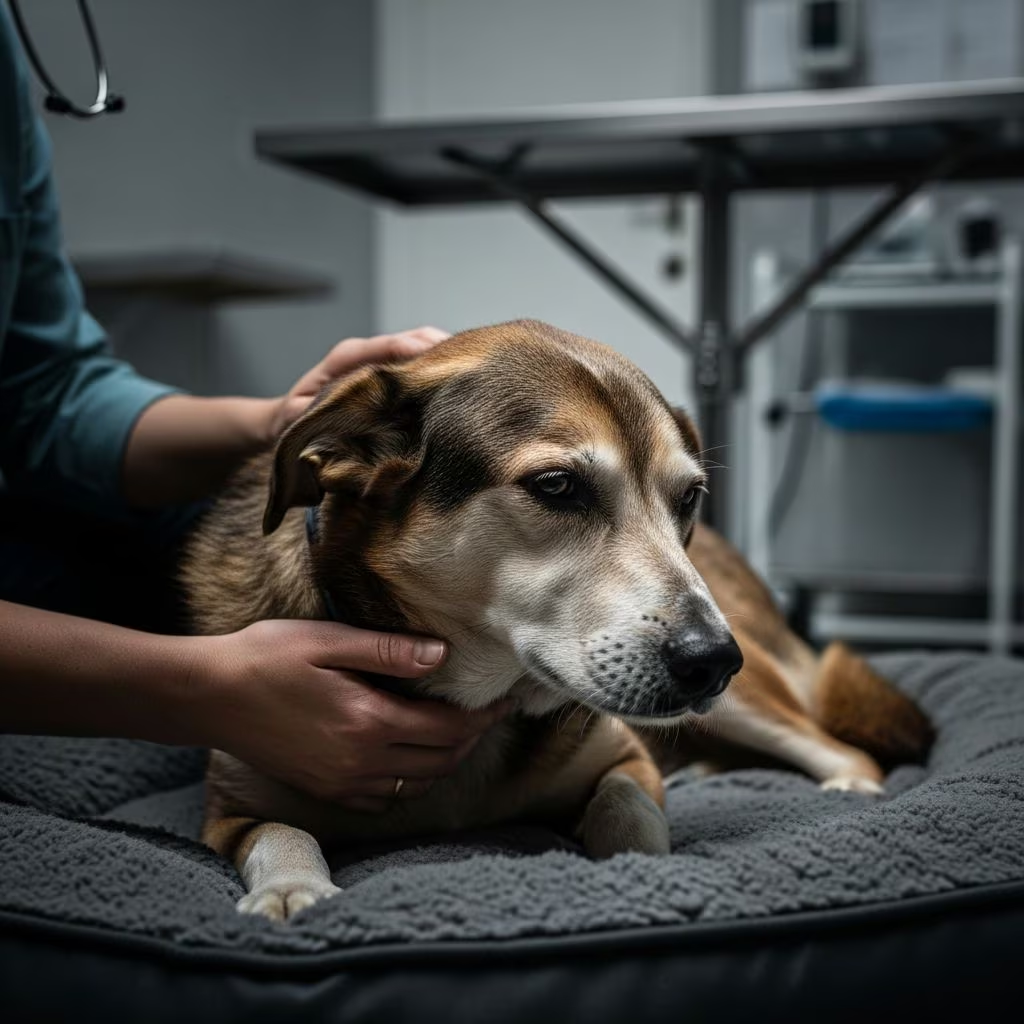
Dog diarrhea is a common issue that most pet owners encounter at some point. While occasional loose stools can often be managed at home, certain symptoms can indicate a serious underlying condition requiring immediate veterinary intervention. Understanding the difference between mild digestive upset and potentially life-threatening diarrhea can be crucial for your dog’s health.
Understanding Dog Diarrhea: The Basics
Diarrhea in dogs occurs when the digestive system expels loose or watery stool more frequently than normal. This can result from various causes ranging from dietary indiscretion to serious infections. The gastrointestinal tract’s rapid transit of material through the intestines prevents proper water absorption, leading to the characteristic loose stools.
Most cases of acute diarrhea resolve within 24-48 hours with simple home care. However, vigilance is essential as puppies, senior dogs, and small breeds dehydrate rapidly and are at higher risk for complications.
Types of Dog Diarrhea: Small vs Large Bowel
Recognizing the type of diarrhea helps determine severity. Small-bowel diarrhea typically produces large volumes of watery, sometimes fatty stool without straining. Signs include:
- Large, goopy stools
- Fatty or frothy appearance
- Occasional blood or mucus
- No straining to defecate
- Possible weight loss and poor coat condition
Large-bowel diarrhea presents differently with small amounts of stool passed frequently:
- Increased defecation frequency
- Straining while defecating
- Blood and mucus in stool
- Urgency and accidents in the house
- Visible inflammation around the anus
| Type | Characteristics | Common Causes |
|---|---|---|
| Small-Bowel | Large volume, watery, no straining | Parasites, infections, dietary issues |
| Large-Bowel | Small volume, frequent, straining, mucus/blood | Colitis, stress, anal gland issues |
Red Flags: When Diarrhea Becomes an Emergency
Certain symptoms accompanying diarrhea demand immediate veterinary attention. These red flags indicate potentially life-threatening conditions:
- Blood in stool: Bright red blood (hematochezia) suggests lower GI bleeding; black, tarry stool (melena) indicates upper GI issues
- Repeated vomiting or inability to keep water down
- Lethargy, weakness, or collapse
- Dehydration signs: dry gums, sunken eyes, skin tenting
- Abdominal pain or bloating
- Mucus-covered stool with straining or pain
- Diarrhea lasting more than 24-48 hours
Bloody diarrhea is particularly alarming. Large amounts or consistent bleeding suggests bacterial/viral infections, hemorrhagic gastroenteritis, parvovirus, or cancer. Puppies with parvo can deteriorate rapidly, making early intervention critical.
Common Causes of Serious Dog Diarrhea
Several conditions can trigger dangerous diarrhea episodes:
- Parvovirus: Highly contagious, life-threatening especially in unvaccinated puppies. Causes severe bloody diarrhea and rapid dehydration
- Foreign body obstruction: Swallowed objects cause partial blockages leading to mucus stool, vomiting, and pain
- Pancreatitis: Inflammation of the pancreas causes severe vomiting and bloody diarrhea
- Bacterial infections (Salmonella, Clostridium): Produce toxins causing hemorrhagic diarrhea
- Parasites: Whipworms, hookworms cause bloody stools with mucus
- Toxins/Poisoning: Rat bait, certain medications cause bloody diarrhea and collapse
Recognizing Dehydration in Dogs
Dehydration escalates any diarrhea case to emergency status, particularly in vulnerable dogs. Check for these signs:
- Dry, sticky gums (normal gums are moist and pink)
- Sunken eyes
- Skin tenting: Pinch skin on neck; it should snap back immediately
- Lethargy and weakness
- Rapid heart rate and weak pulse
- Cold extremities
Puppies and small breeds can become critically dehydrated within hours. Even mild dehydration impairs organ function and requires veterinary fluids.
What to Do When Your Dog Has Diarrhea
Home Care for Mild Cases (First 24 Hours)
For simple diarrhea without red flags:
- Withhold food for 12-24 hours but provide fresh water
- Small, frequent water sips to prevent vomiting
- bland diet after fasting: boiled chicken/rice (50/50 ratio)
- Probiotics: Plain yogurt or vet-recommended canine probiotics
- Rest: Limit activity and stress
When to Call the Vet Immediately
Don’t wait if your dog shows any emergency symptoms. Call ahead to describe symptoms and receive guidance. Puppies, seniors, and diabetics require earlier intervention.
Prevention: Keeping Diarrhea at Bay
Minimize diarrhea episodes through proactive care:
- Consistent high-quality diet – avoid table scraps and diet changes
- Up-to-date vaccinations including parvo protection
- Regular deworming and fecal exams
- Heartworm prevention (many include intestinal parasite control)
- Stress reduction – consistent routine helps anxious dogs
- Proper grooming – clean anal area prevents irritation
Diagnostic Process at the Vet
Your veterinarian will likely perform:
- Physical exam and hydration assessment
- Fecal analysis for parasites/infections
- Bloodwork to check organ function
- Imaging (X-rays/ultrasound) for obstructions
- Parvo snap test for puppies
Treatment varies by cause but may include IV fluids, anti-nausea medication, antibiotics, and hospitalization for severe cases.
Frequently Asked Questions (FAQs)
Is bloody diarrhea always an emergency in dogs?
Yes, bloody diarrhea is a veterinary emergency. Bright red blood indicates lower GI bleeding; black tarry stool signals upper GI problems. Both require immediate attention.
How long is too long for dog diarrhea?
Diarrhea lasting more than 24-48 hours, especially with other symptoms, requires veterinary evaluation. Puppies and seniors shouldn’t go beyond 24 hours.
Can I give my dog Imodium for diarrhea?
No. Human anti-diarrheal medications can be toxic and mask serious symptoms. Always consult your vet first.
What does mucus in dog poop mean?
Mucus indicates colon inflammation. When accompanied by blood, straining, or lethargy, it signals a potential emergency requiring prompt veterinary care.
Will my dog be okay with mild diarrhea?
Most mild cases resolve with fasting and a bland diet within 24 hours. Monitor closely for dehydration or worsening symptoms.
Key Takeaways for Dog Owners
- Most diarrhea is mild but monitor for red flag symptoms
- Blood, lethargy, dehydration = emergency
- Puppies, seniors, small breeds need faster intervention
- Never use human medications
- Prevention through vaccination and parasite control saves lives
- When in doubt, call your vet – early treatment prevents complications
By recognizing when diarrhea turns dangerous, you can ensure your dog receives timely care. Trust your instincts – you know your dog best. Prompt action can make all the difference between a quick recovery and a life-threatening situation.
References
- When Your Dog Has Diarrhea or Vomiting — And When It’s Serious — 1st Pet Veterinary Hospital. 2024. https://1stpetvet.com/pet-health-information/when-your-dog-has-diarrhea-or-vomiting-and-when-its-serious/
- Slime or Mucus in Dog Poop: Recognizing Emergency Signs — Garden State Veterinary Specialists. 2024. https://gsvs.org/blog/slime-dog-poop-emergency/
- When should I worry if my dog has diarrhea? — La Jolla Vet. 2024. http://www.lajollavet.com/when-should-i-worry-if-my-dog-has-diarrhea.html
- Common Causes of Diarrhea in Dogs — Center Star Veterinary. 2023-09-15. https://www.centerstarvet.com/site/blog/2023/09/15/common-causes-diarrhea-dogs
- Diarrhea in Dogs: When is It an Emergency? — Ferguson Animal Hospital. 2024-06-15. https://www.fergusonanimalhospital.com/site/blog/2024/06/15/diarrhea-dogs
- When Should I Worry About My Dog’s Diarrhea? — AKC Pet Insurance. 2024. https://www.akcpetinsurance.com/blog/when-to-worry-about-dog-diarrhea
- Dog Diarrhea: What You Need to Know — AnimalBiome. 2024. https://www.animalbiome.com/blogs/pet-health/dog-diarrhea-what-you-need-to-know



