

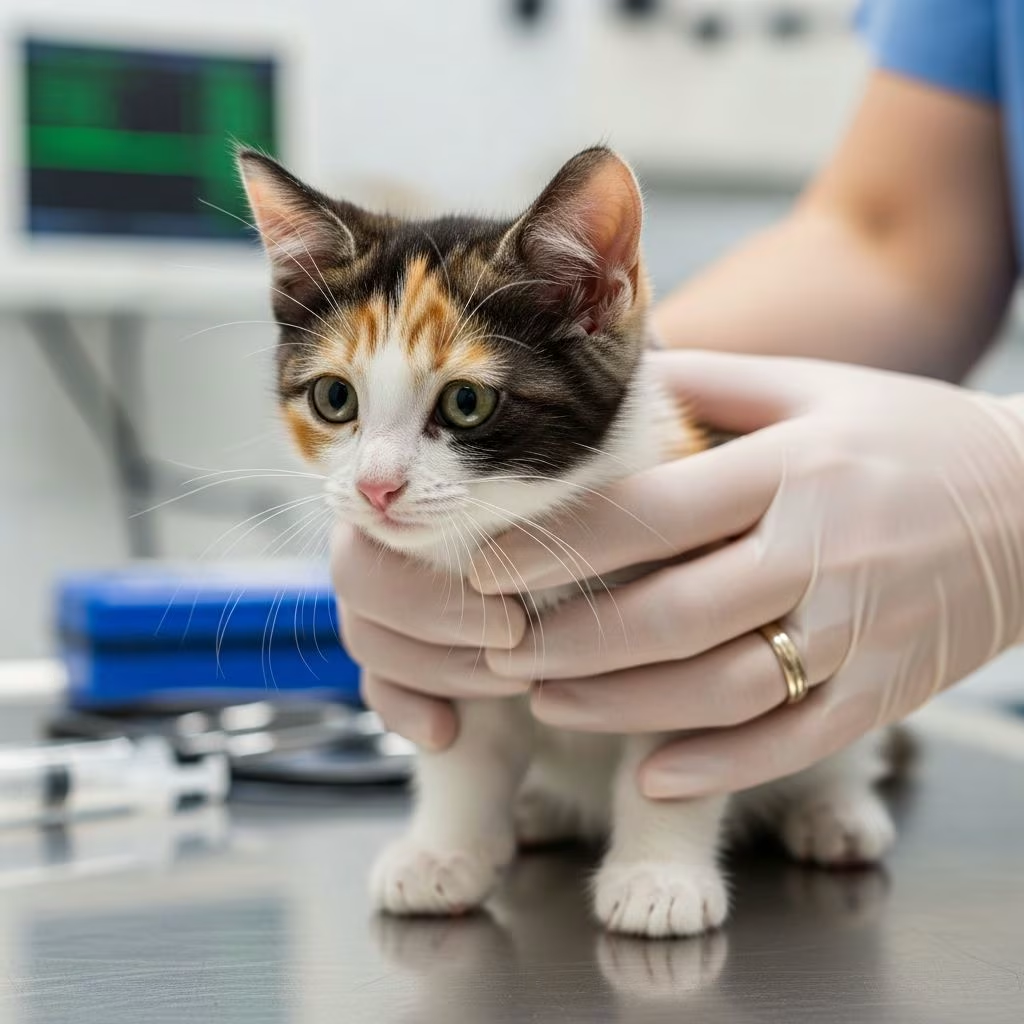
Spaying your kitten is a crucial decision that impacts her health, behavior, and the broader issue of pet overpopulation. Traditionally, veterinarians recommended waiting until six months, but current guidelines from organizations like the American Association of Feline Practitioners (AAFP) suggest earlier intervention, often as young as 8 weeks or 2 pounds, especially for shelter kittens. This article explores the optimal timing, benefits, risks, recovery process, and frequently asked questions to help you make an informed choice.
Why Spay Your Kitten?
Spaying, or ovariohysterectomy, involves surgically removing a female cat’s ovaries and uterus to prevent reproduction. This routine procedure offers lifelong benefits. Primarily, it eliminates the risk of unwanted litters, addressing the cat overpopulation crisis where millions of felines enter shelters annually. Female kittens can experience their first heat as early as four months, leading to rapid pregnancies that exacerbate homelessness.
Health advantages are significant: spaying before the first heat cycle virtually eliminates mammary cancer risk and prevents uterine infections like pyometra, a potentially fatal condition. For males, neutering curbs roaming, fighting, and urine marking. Early spaying also aligns with vaccination schedules, as kittens are typically fully immunized by five months.
- Population control: Prevents unplanned litters, reducing shelter strain.
- Cancer prevention: Lowers mammary tumors by up to 91% if done before first heat.
- Behavioral improvements: Reduces aggression and yowling in heat.
- Longevity boost: Spayed cats often live longer, healthier lives.
Ideal Age to Spay a Kitten
The best age depends on context: for pet kittens, 4-5 months is ideal; for shelters, as early as 6-8 weeks (2 pounds). The AAFP endorses pediatric spay/neuter for healthy kittens, citing shorter surgery times and faster recovery. Cats reach sexual maturity around 5 months, so intervening before puberty maximizes benefits.
| Context | Recommended Age | Weight Minimum | Source |
|---|---|---|---|
| Pet Kittens | 4-6 months | 2-3 lbs | AAFP, Purina |
| Shelter Kittens | 8 weeks | 2 lbs | Shelter Medicine |
| Early Pediatric | 6-8 weeks | 1.5-2 lbs | AVMA Guidelines |
For owned cats, waiting until after initial vaccines (around 12-16 weeks) ensures safety. Consult your vet for breed-specific advice, as larger breeds may benefit from slight delays.
Early Spaying: Benefits and Considerations
Pediatric spaying (under 16 weeks) is safe and routine in high-volume shelters. Studies show no increased anesthesia risks when protocols are followed, with surgeries taking half the time of adults. Benefits include immediate population control—shelters spay before adoption to prevent offspring—and cost savings.
However, early spay can lead to taller, leaner body frames due to delayed growth plate closure. Overweight kittens may face minor orthopedic risks, like femoral issues, but these are rare with proper diet. Indoor cats have low breeding risk, so 5 months post-vaccination is a balanced choice.
Spaying vs. Neutering: Key Differences
While spaying targets females, neutering (orchiectomy) removes male testicles. Both prevent reproduction but differ in procedure complexity—spaying is more invasive, requiring abdominal incision. Neutering is simpler, often outpatient.
- Spaying: Removes reproductive tract; prevents heat, pregnancy, cancers.
- Neutering: Stops testosterone; curbs marking, roaming.
Males are typically neutered at 4-5 months to preempt behavioral changes like spraying.
Risks and Myths About Early Spaying
Concerns about very early spaying persist, but evidence debunks major risks. No links to increased cancer or incontinence in cats (unlike some dogs). Anesthesia is safer now with modern monitoring. Post-op, monitor for infection, but complication rates are under 1%.
Myths include stunted growth (false—cats may grow larger) and personality changes (behavior improves overall). Always choose board-certified vets.
The Spaying Procedure: What to Expect
Spaying is performed under general anesthesia. Pre-op, vets conduct exams, bloodwork for older cats. Surgery removes ovaries/uterus via a small incision, closed with absorbable sutures. Time: 20-60 minutes; recovery: 10-14 days. Costs range $200-500, lower in shelters.
- Pre-op fasting (12 hours).
- Anesthesia and monitoring.
- Surgery and incision care.
- Home recovery: cone, rest, no jumping.
Post-Op Care for Spayed Kittens
Recovery is quick for kittens. Keep her confined 7-10 days, monitor the incision for swelling/redness. Pain meds are given; appetite returns in 24-48 hours. Prevent licking with e-collars. Full activity resumes in 2 weeks. Feed kitten food to manage weight gain risk—spaying slows metabolism.
- Check incision twice daily.
- No baths for 10 days.
- Gradual diet transition.
- Vet check-up at 7-10 days.
Can You Spay an Adult Cat?
Yes, spaying is safe at any age, even seniors (with bloodwork/thyroid checks). Benefits persist, though mammary cancer risk rises post-first heat. Never too late for health gains.
Cost of Spaying and Financial Assistance
Average cost: $250-600. Low-cost clinics, shelters offer $50-150. Programs like ASPCA grants help. Trap-Neuter-Return (TNR) for ferals is subsidized.
Frequently Asked Questions (FAQs)
What’s the earliest age to spay a kitten?
Healthy kittens can be spayed at 6-8 weeks or 2 pounds, per shelter guidelines. For pets, 4 months is common.
Is early spaying safe?
Yes, with proper vet protocols. Risks are minimal, benefits substantial.
Will spaying change my kitten’s personality?
No, it reduces heat-related behaviors; core personality remains.
How long is recovery?
10-14 days full recovery; restrict activity first week.
Can overweight kittens be spayed early?
Yes, but manage weight to avoid bone issues.
What’s the difference between spay and neuter?
Spay for females (ovaries/uterus); neuter for males (testicles).
This comprehensive guide ensures you’re equipped for your kitten’s spaying journey. Always consult your veterinarian for personalized advice.
References
- How Old Do Cats Have to Be to Get Spayed or Neutered? — Purina Pet Expert Team. 2025-06-05. https://www.purina.com/articles/cat/kitten/health/when-spay-or-neuter-kitten
- When Is the Best Time to Spay or Neuter a Kitten? — All Bay Animal Hospital. 2024-08-15. https://www.allbayanimalhospital.com/site/blog/2024/08/15/spay-neuter-kitten-age
- Is There an Optimal Age for Cat Spay or Neuter? — Today’s Veterinary Practice. 2021. https://todaysveterinarypractice.com/wp-content/uploads/sites/4/2020/12/TVP-2021-0102_Spay_Neuter_Age.pdf
- Recommendation: Spay/Neuter Healthy Kittens at 6 Weeks/1.5 Pounds — Shelter Medicine. N/A. https://www.sheltermedicine.com/library/resources/recommendation-spay-neuter-healthy-kittens-at-6-weeks-1-5-pounds
- Spaying and Neutering — American Veterinary Medical Association (AVMA). N/A. https://www.avma.org/resources-tools/pet-owners/petcare/spaying-and-neutering



