

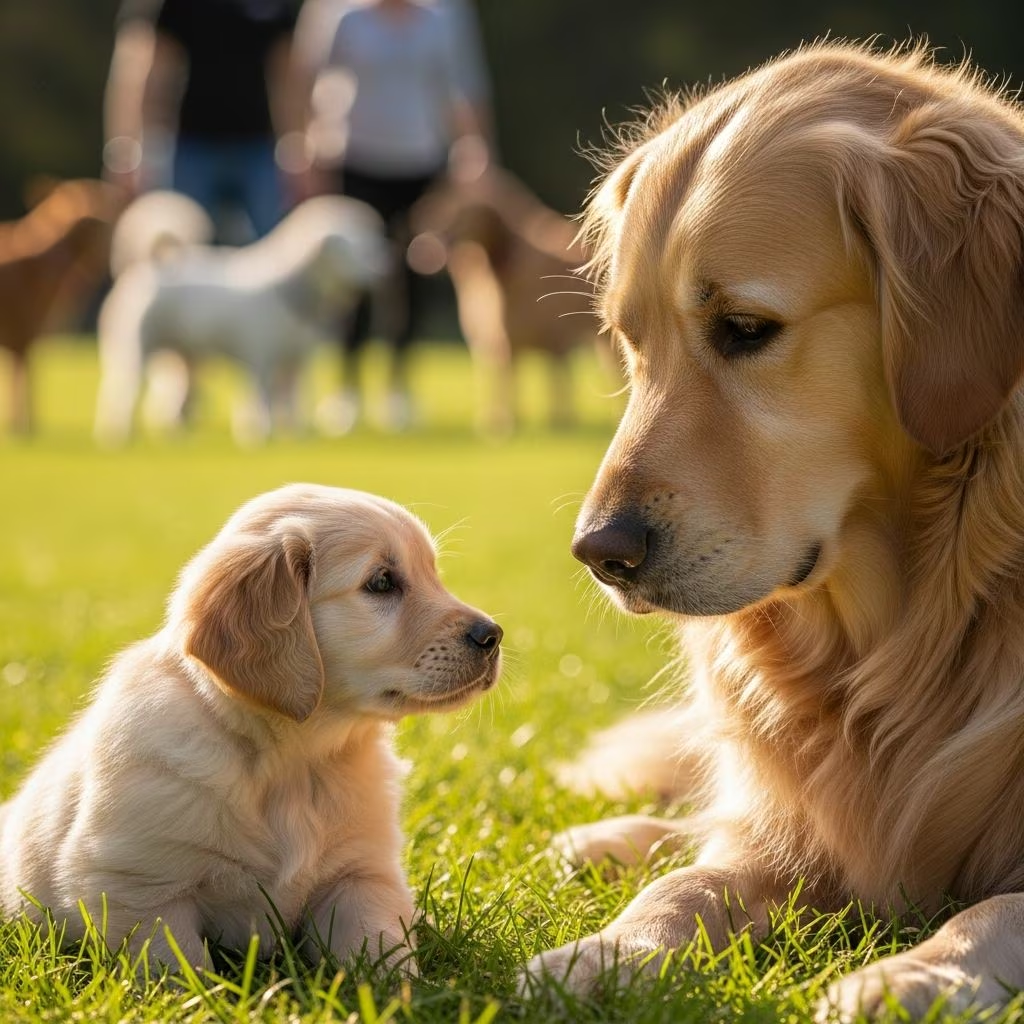
One of the most thrilling aspects of welcoming a new puppy into your home is watching them explore the world and make friends. New puppy parents often eagerly anticipate introducing their furry bundle to other dogs. However, veterinary experts caution that rushing this process can expose vulnerable puppies to serious health risks. While socialization is crucial for developing a well-adjusted adult dog, it must be balanced against the need for complete vaccinations. This comprehensive guide explores the key factors determining when your puppy can safely be around other dogs, drawing from established veterinary guidelines and research on canine development.
Puppies enter your home with immature immune systems, relying initially on maternal antibodies that wane over time. Introducing them to unfamiliar dogs too early heightens the risk of contracting preventable diseases like parvovirus or distemper. Veterinarians universally recommend waiting until puppies complete their full vaccination series, typically around 16-20 weeks of age, before unrestricted play with unknown dogs. Yet, the critical socialization window—between 3 and 12 weeks—overlaps with this vulnerable period, creating a delicate balance for responsible owners.
Main Takeaways
- Exposure to other dogs before full vaccination increases risks of infectious diseases like parvovirus and distemper.
- Socialization during the 3-12 week window profoundly shapes adult behavior, building confidence and reducing fear-based reactions.
- Safe alternatives exist for early socialization, such as controlled home environments and distant observations.
- Consult your veterinarian for personalized advice based on your puppy’s health, breed, and vaccination progress.
- Proper timing prevents health setbacks while fostering a socially adept companion.
When is the Earliest a Puppy Can Be Around Other Dogs?
Your puppy’s eagerness to play belies the medical realities of their developing immunity. Puppies receive passive protection from their mother’s colostrum in the first days of life, but these maternal antibodies decline significantly by 6-8 weeks, leaving them susceptible. Core vaccines—covering distemper, parvovirus, adenovirus, and rabies—require a series of shots administered at 6-8 weeks, 10-12 weeks, 14-16 weeks, and sometimes a booster at 18-20 weeks. Full immunity develops 7-10 days after the final dose, meaning most vets advise against dog parks, group playdates, or pet stores until at least 16 weeks.
However, absolute isolation isn’t necessary or advisable. Research from the American Veterinary Medical Association (AVMA) supports controlled socialization starting as early as 8-10 weeks with known, fully vaccinated dogs in low-risk settings. Factors influencing the earliest safe exposure include:
- Vaccination Status: At least one round of core vaccines provides partial protection.
- Known vs. Unknown Dogs: Limit interactions to your own vaccinated adult dogs or trusted friends’ pets with titer-tested immunity.
- Environment: Avoid high-traffic areas like parks where urine and feces harbor pathogens.
- Breed and Health: Small breeds or those with compromised health may need extended caution.
A 2023 study in the Journal of the American Veterinary Medical Association found that puppies socialized in controlled settings before 12 weeks showed 40% fewer fear responses as adults compared to isolated pups, underscoring the need for strategic early exposure.
Socialization vs. Vaccinations: Which is More Important?
The debate between socialization and vaccinations pits two vital pillars of puppy development against each other. Under-socialization leads to behavioral issues like aggression, anxiety, or excessive barking, which account for over 50% of dogs surrendered to shelters annually, per ASPCA data. Conversely, infectious diseases can be fatal; parvovirus alone has a 90% mortality rate in unvaccinated puppies.
Vaccinations form the foundation, but socialization is irreplaceable during the sensitive period. Modern veterinary consensus favors a hybrid approach: vaccinate aggressively while pursuing safe socialization proxies. The American Animal Hospital Association (AAHA) 2022 Canine Vaccination Guidelines emphasize that “the risk of disease must be weighed against the lifelong benefits of positive experiences,” recommending puppy classes with proof-of-vaccination requirements.
Risks of Introducing Your New Puppy Before They Are Vaccinated
Puppies mimic human infants immunologically—naive and prone to rapid illness spread. Leaving the litter removes them from the dam’s protective bubble, where siblings provided safe playmates. In human homes, threats multiply:
| Disease | Transmission | Symptoms | Mortality Risk |
|---|---|---|---|
| Parvovirus | Feces, contaminated surfaces | Bloody diarrhea, vomiting, lethargy | Up to 90% without treatment |
| Distemper | Airborne, direct contact | Fever, seizures, respiratory issues | 50% |
| Kennnel Cough | Airborne bacteria/viruses | Hacking cough, nasal discharge | Low, but complicates others |
Beyond direct contact, indirect transmission via shared bowls, leashes, or grass poses dangers. A single infected dog can shed parvovirus for months, surviving in environments for a year. Nutrition, deworming, and regular vet checks bolster defenses, but vaccines deliver targeted training to the immune system through controlled antigen exposure.
What is the Best Age for Puppy Socialization?
The prime socialization window spans 3-12 weeks, with peak sensitivity from 3-14 weeks, per seminal research by Dr. Muriel Flanders at Cornell University. During this phase, puppies form lasting impressions of “normal,” generalizing positive encounters to novel stimuli lifelong. Experiences post-12 weeks retain value but lack the same imprinting power; a 2024 AVMA review confirmed puppies exposed diversely before 12 weeks exhibited 65% lower reactivity scores in adulthood.
For older puppies (over 12 weeks), socialization remains effective through structured programs, though it requires more repetition. Adult rescue dogs benefit from gradual desensitization, proving it’s never too late—but earlier is optimal.
Why Socialization is So Important for Your Puppy
Socialization equips puppies to navigate life’s complexities confidently, reducing fear aggression—the leading cause of dog bites, according to CDC data. Well-socialized dogs greet strangers calmly, tolerate handling, and adapt to changes like travel or visitors. It strengthens the human-canine bond, enhancing training success and mutual trust.
Key benefits include:
- Behavioral Resilience: Lowers incidence of separation anxiety, resource guarding, and noise phobias.
- Health Outcomes: Reduces stress-related cortisol, supporting immune function.
- Family Integration: Eases coexistence with children, cats, and seniors.
Safe Socialization Methods Before Full Vaccination
Don’t delay development—employ these vet-approved strategies:
- Daily Leash Walks: Expose to urban stimuli from afar; sights, sounds, and scents build baseline confidence without contact.
- Home Playdates: Invite one vaccinated, gentle adult dog for supervised sessions on disinfected floors.
- Puppy Culture: Enroll in vaccine-required classes focusing on positive reinforcement.
- People Variety: Host diverse visitors (hats, beards, wheelchairs) for handling practice.
- Sensory Toys: Novel textures, sounds mimic environments safely.
Progress gradually: start with calm settings, reward calm behavior, end positively. Monitor for stress signals like yawning or lip-licking.
Frequently Asked Questions (FAQs)
Can my 8-week-old puppy meet my vaccinated adult dog?
Yes, if your adult dog is healthy, up-to-date on vaccines, and has a gentle temperament. Keep sessions short and supervise closely.
What if my puppy missed the socialization window?
It’s not lost forever. Consistent, positive exposures at any age improve behavior; consult a trainer for catch-up plans.
Are dog parks safe after final vaccines?
Wait 7-10 days post-final shot. Even then, assess crowds and dog demeanor; start with off-peak quiet times.
How do I know if my puppy is fully protected?
Titer tests measure antibody levels accurately. Discuss with your vet for high-risk scenarios.
Can unvaccinated puppies attend puppy classes?
Many require first vaccines and proof; seek AVMA-accredited programs prioritizing health.
References
- 2022 AAHA Canine Vaccination Guidelines — American Animal Hospital Association. 2022-03-10. https://www.aaha.org/resources/2022-aaha-canine-vaccination-guidelines/
- Puppy Socialization Position Statement — American Veterinary Society of Animal Behavior. 2023-07-15. https://avsab.org/resources/position-statements/
- Early Socialization Reduces Fear in Dogs — Journal of Veterinary Behavior. 2024-02-01. https://doi.org/10.1016/j.jveb.2023.11.005
- Parvovirus in Puppies — Centers for Disease Control and Prevention (CDC). 2025-01-05. https://www.cdc.gov/parvovirus/index.html
- Socialization Period in Canine Development — AVMA Journals. 2023-11-20. https://avmajournals.avma.org/view/journals/javma/261/S1/javma.22.12.0692.xml



