

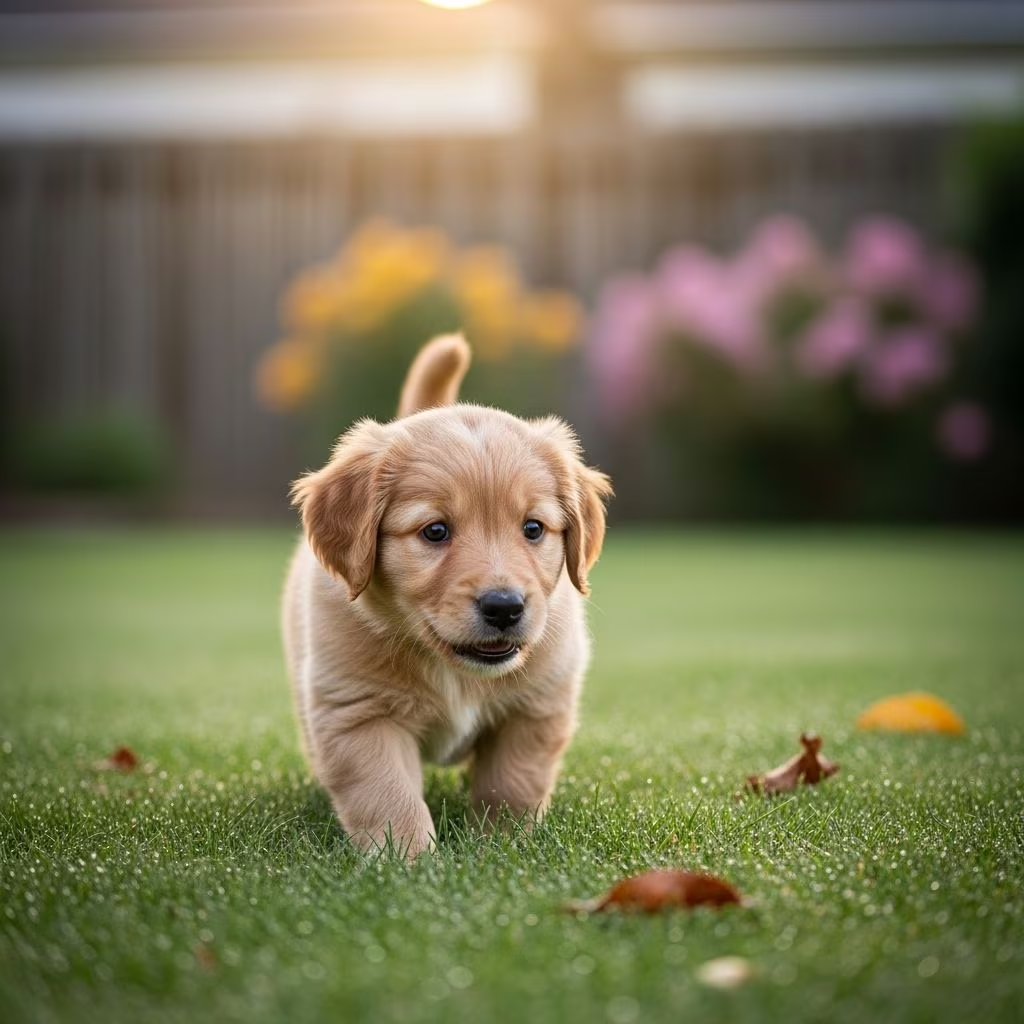
New puppy parents often wonder about the right time to let their furry bundle explore the great outdoors. The key concern is protecting them from serious diseases like parvovirus and distemper until their immune systems are fully protected by vaccinations. Puppies can generally start backyard potty training as early as 6-8 weeks, but public outings like walks or dog parks must wait until 16-22 weeks old, two weeks after their final core vaccine booster.
This timeline balances health risks with the critical need for socialization during the puppy’s sensitive developmental window. Delaying outings too long can lead to fearfulness, while rushing exposes them to life-threatening illnesses. Below, we break down the vaccination schedule, safe activities by age, risks involved, and expert tips for safe exposure.
Puppy Vaccination Timeline: The Foundation of Outdoor Safety
Understanding your puppy’s vaccination schedule is crucial for determining outdoor readiness. Core vaccines protect against distemper, hepatitis (adenovirus), parainfluenza, parainfluenza (DHPP), and rabies. Puppies receive their first shots at 6-8 weeks, boosters every 3-4 weeks until 16-20 weeks.
- 6-8 weeks: First DHPP vaccine. Maternal antibodies from mom wane, but puppy has partial protection.
- 10-12 weeks: Second DHPP booster; rabies often at 12 weeks (takes 28 days to be effective).
- 14-16 weeks: Third DHPP booster; optional leptospirosis vaccine starts here.
- 16-20 weeks: Final booster. Puppies are fully vaccinated two weeks later, around 18-22 weeks.
Consult your vet for breed-specific or local adjustments, as some high-risk areas recommend extended protocols. Full immunity isn’t guaranteed until this point because vaccines need time to build antibodies.
When Can Puppies Go Outside for the First Time?
Puppies can safely go into your own fenced backyard immediately upon coming home, typically at 8 weeks old, for potty training and short supervised play—as long as no sick animals or wildlife have accessed it recently. Clear feces from foxes, cats, or stray dogs first to minimize parasite and disease risks.
Public areas? Wait until fully vaccinated. At 18-22 weeks, puppies can visit parks, pet stores, and meet unfamiliar dogs. Before then, exposure to contaminated soil, urine, or feces risks deadly viruses like parvo, which survives years in the environment.
| Age | Safe Outdoor Activities | Risks if Not Followed |
|---|---|---|
| 0-8 weeks | Carry in arms/sling for sights/sounds; indoor socialization | Parvo, distemper from any contact |
| 8-16 weeks | Private backyard only; known vaccinated dogs | High disease transmission in public |
| 18+ weeks | Walks, parks, public outings | Minimal with full vax |
When Can Your Puppy Go on a Walk?
Traditional leash walks in public start at 18 weeks, post-final booster. Until then, practice in low-risk spots: your backyard, a friend’s clean yard, empty parking lots, or quiet sidewalks with no dog traffic. Avoid standing water, wildlife areas (Giardia risk), and unknown dogs.
Rabies vaccine at 12-15 weeks adds protection but takes 28 days to fully activate. Early walks build confidence but prioritize safety—carry your puppy if needed to observe traffic and people without ground contact.
Safe Ways to Socialize Puppies Before Full Vaccinations
Socialization peaks between 3-14 weeks; missing it risks behavioral issues later. The American Veterinary Medical Association endorses controlled exposure starting one week after first vaccines (around 9 weeks). Strategies include:
- Carrying puppy in a sling to pet-friendly stores for people exposure (no floor contact).
- Inviting pre-vetted, vaccinated friends/dogs to your home or yard.
- Drive-thru windows, quiet streets via stroller, or puppy classes with vaccination proof.
- Desensitize to sounds (vacuums, cars) indoors first.
These methods expose puppies to 100+ positive experiences weekly without health risks, preventing fear of new stimuli.
Risks of Taking Puppies Outside Too Early
Unvaccinated puppies face parvovirus (bloody diarrhea, 90% mortality untreated), distemper (neurological damage), leptospirosis (liver/kidney failure), and parasites like Giardia. Transmission occurs via feces, urine, or soil—even from apparently healthy carriers. Dog parks are hotspots; one infected dog contaminates for months.
Backyard exceptions apply if secured: fence gaps sealed, no strays, recent cleaning. Supervise closely—puppies sniff everything.
Puppy Potty Training Outdoors
Begin immediately in your yard post-first vaccines (6-8 weeks). Use consistent spot, praise successes, and schedule meals/potty breaks. Consistency builds habits fast. If weather extremes, limit time; mild temps suit even newborns briefly.
Special Considerations for Different Environments
- Urban apartments: Use balconies or short elevator potty trips to clean lobbies; strollers for street views.
- Rural areas: Higher wildlife risk—avoid ponds, fox scat.
- Hot/cold climates: Paws burn on hot pavement; hypothermia in tiny breeds below 50°F.
- Adopted older pups: Verify vaccine history with vet titers if unsure.
Frequently Asked Questions (FAQs)
Can puppies go outside at 8 weeks?
Yes, in your secure backyard for potty training, but avoid public areas until 18 weeks.
How long after vaccines can a puppy go outside?
Two weeks after the final DHPP booster, typically 18-22 weeks total.
Is it safe to carry a puppy outside before vaccinations?
Yes, for socialization—keeps paws off ground.
What if my puppy meets a vaccinated dog early?
Okay in controlled settings like your yard, but confirm their status.
Can 12-week puppies go to dog parks?
No—wait for full series; parks harbor viruses.
Final Tips from Vets
Partner with your veterinarian for a tailored plan. Deworming, flea prevention, and titer tests add layers of protection. Early, safe outings create confident adult dogs—patience now pays lifelong dividends.
References
- When Can a Puppy Go Outside Safely? — PetMD. 2023-10-15. https://www.petmd.com/dog/general-health/when-can-puppy-go-outside
- When Can Your Puppy Go Outside? Timeline Explained — Rover.com. 2024-05-20. https://www.rover.com/blog/when-can-puppies-go-outside/
- When Can Puppies Go Outside? — Puppy School UK. 2023-11-01. https://www.puppyschool.co.uk/puppy-advice/when-can-puppies-go-outside
- When Can My Puppy Go Outside? — Lakeland Animal Clinic. 2024-02-12. https://lacvets.com/blog/when-can-my-puppy-go-outside/
- When Can my Puppy Start Going Outside? — North Jersey Animal Hospital. 2023-08-30. https://northjerseyanimalhospital.com/blog/when-can-my-puppy-start-going-outside/
- When Can Puppies Go Outside? — Purina US. 2024-01-10. https://www.purina.com/articles/dog/puppy/getting-a-puppy/when-can-puppies-go-outside



