

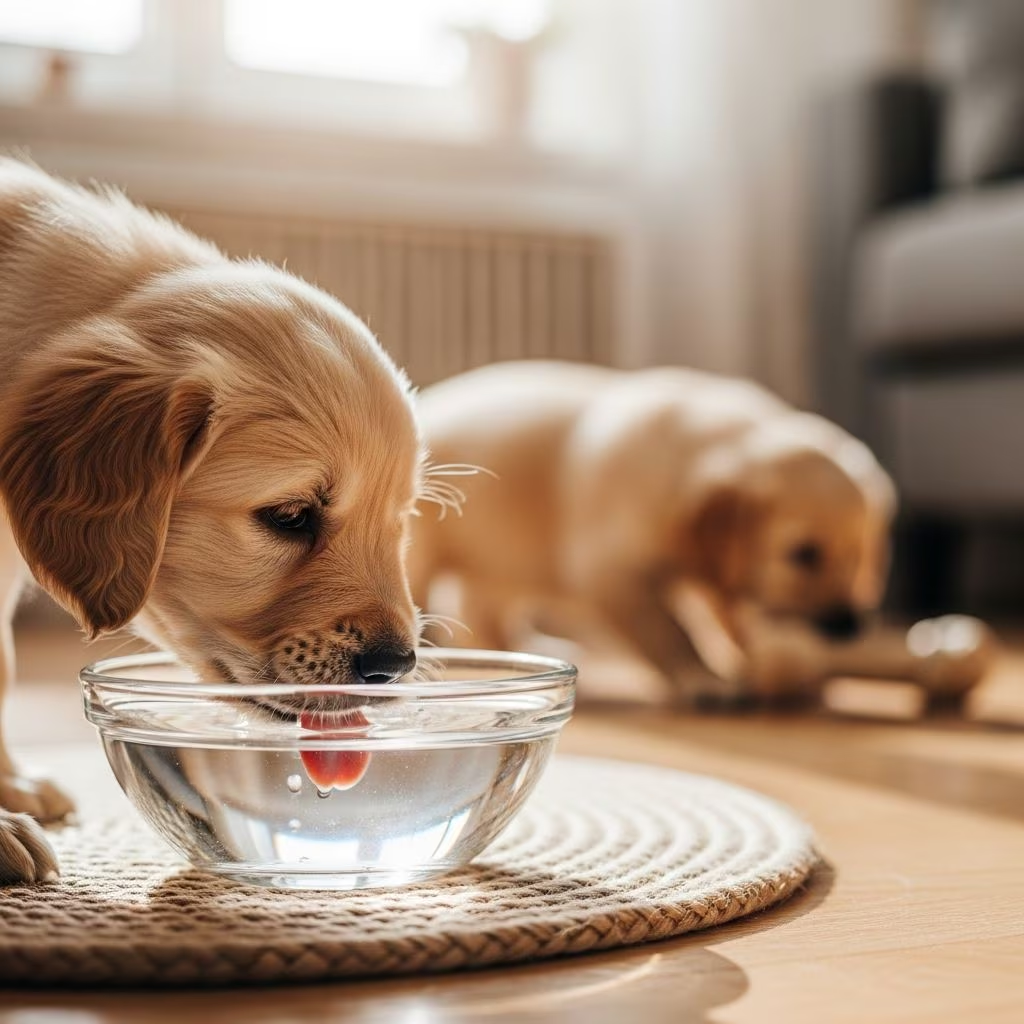
While puppies get most of their hydration from their mother’s milk early in life, they can typically start being introduced to water at three to four weeks old. Proper hydration is crucial for their growth and health, and understanding the weaning process helps new puppy owners support this transition smoothly.
In this comprehensive guide, we’ll explore the importance of hydration, the right age to introduce water, step-by-step weaning instructions, and answers to common questions. Whether you’re a breeder raising a litter or preparing to bring home your first puppy, this article provides vet-backed advice to ensure your furry friends thrive.
The Importance of Proper Hydration
Hydration is fundamental to a puppy’s health, supporting digestion, temperature regulation, nutrient absorption, and organ function. Newborn puppies receive all necessary fluids from their mother’s milk, which is about 75-80% water, providing perfect hydration tailored to their needs. As puppies grow, their fluid requirements increase, especially during weaning when they shift to solid foods that contain less moisture.
Dehydration in puppies can lead to serious issues like lethargy, dry gums, sunken eyes, and even organ failure if untreated. Puppies are particularly vulnerable because their small bodies lose fluids quickly through play, heat, and rapid metabolism. According to veterinary guidelines, well-hydrated puppies have elastic skin, moist gums, and bright eyes. Monitoring intake becomes essential post-weaning.
For puppies 4-8 weeks old, aim for about 0.5 to 1 cup (120-240 ml) of water daily, increasing to 1-2 cups for 8-12 weeks as they eat more solids. Older puppies (3-6 months) may need 2-4 cups, calculated as 0.5-1 ounce per pound of body weight daily. Activity level, weather, and diet influence these amounts—active or hot-weather puppies require more.
| Age Group | Daily Water Needs | Notes |
|---|---|---|
| 0-3 weeks | From mother’s milk | No separate water needed |
| 3-4 weeks (weaning start) | Introduce gradually | Shallow bowl, monitor interest |
| 4-8 weeks | 0.5-1 cup (120-240 ml) | Increase with solid food |
| 8-12 weeks | 1-2 cups (240-480 ml) | Free access daytime |
| 3-6 months | 2-4 cups (480-960 ml) | 0.5-1 oz per lb body weight |
Maintaining fresh, clean water in a stable bowl prevents spills and encourages drinking. Change water multiple times daily to avoid bacteria, especially for young puppies exploring with their mouths.
When Can Puppies Start Drinking Water?
Puppies can be introduced to water as they’re weaned off milk, typically at about three to four weeks of age. This timeline aligns with when most puppies begin showing interest in solid foods and their mother’s milk no longer fully meets hydration needs. Toy breeds may lag slightly, starting closer to four weeks, while larger breeds might experiment earlier around 21 days.
Puppies still nursing get sufficient water from mom or puppy milk replacer if bottle-fed. Initial disinterest in standalone water is common because early weaning foods are very watery. Veterinary experts recommend starting water exposure a few days before solid mush to familiarize them with lapping.
Offer water in a shallow, heavy, flat bowl or low-sided dish to accommodate clumsy paws and short snouts. Place it near the dam and litter for easy access. Puppies learn by mimicking mom and siblings. By 6-8 weeks, when fully weaned, they should drink independently from age-appropriate bowls.
- 21-28 days: Begin weaning; introduce shallow water dish alongside watery kibble mush.
- 4 weeks: Puppies lap water experimentally; keep available constantly.
- 6-8 weeks: Fully transitioned; provide bowl matching size.
- Tips: Clean bowls daily; elevate for larger breeds as they grow.
Work closely with your veterinarian, especially for first-time litters, to tailor advice to breed, health, and environment. Premature introduction risks digestive upset, while delaying can lead to dehydration during weaning stress.
How to Wean A Puppy Off Milk
Weaning transitions puppies from liquid milk to solid food over 2-5 weeks, starting around 3-4 weeks and completing by 6-8 weeks. This gradual process prevents nutritional gaps, digestive issues, and behavioral stress. Here’s a step-by-step guide:
- Week 3-4: Introduce watery mush. Soak high-quality puppy kibble in warm water or puppy milk replacer until mushy (like watery grits). Offer small amounts 4-6 times daily, separate from mom briefly to encourage eating. Keep water dish nearby.
- Week 4-5: Firm up consistency. Reduce soaking time for semi-moist food. Puppies’ baby teeth emerge, aiding chewing. Feed 3-4 times daily; milk feedings decrease as interest in solids grows.
- Week 5-6: Mostly solids. Minimal moisture in food; rely on bowl water. Transition to 3 meals daily. Monitor weight gain and stool quality.
- Week 6-8: Full dry kibble. Puppies eat unsoaked food; hydration solely from water. Adjust bowl size and provide constant access (except bedtime).
Throughout, ensure hygiene: use shallow pans early to minimize drowning risk or spills. Gradually separate from mom to foster independence. Signs of successful weaning include steady weight gain (5-10% weekly), firm stools, and enthusiastic eating/drinking.
Common challenges include refusal (try warming food), diarrhea (slow pace), or aggression (ensure enough for litter). Consult a vet for supplements if mom’s milk is insufficient or puppies are orphans.
For nighttime: Puppies under 12 weeks can’t hold bladders long (10-30 min post-drink). Remove water 2-3 hours before bed during potty training to minimize accidents, but never deprive daytime access. By 9 months, most sleep through nights without water removal.
Frequently Asked Questions
When can I wean puppies off milk?
Puppies can start to be weaned off their mother’s milk or a bottle when they’re about three or four weeks old. They are usually fully weaned by about six to eight weeks of age.
When can puppies drink water and eat food?
Puppies can be introduced to water and watery food when they’re starting to be weaned, at about 21 to 28 days old. They should be allowed to experiment with water in a shallow bowl at the same age.
When can puppies drink water from a bowl?
Puppies should initially be offered water in a shallow pan or low-walled dish when they begin weaning at about three to four weeks old. As they grow, transition to a size-appropriate bowl.
Why does my dog drink so much water?
Some dogs naturally drink a lot due to metabolism and activity. An unexplained increase could indicate health issues like diabetes or Cushing’s disease—consult a vet.
When can a puppy eat solid food?
Puppies can be started on a mash of solid food at about three to four weeks old. They’re usually ready to eat unmoistened food by about eight weeks.
How much water should a puppy drink daily?
Puppies need about 0.5-1 ounce per pound of body weight daily. A 10-pound puppy should drink 5-10 ounces. Monitor for self-regulation.
Should I leave water out at night?
Avoid leaving water out at night for puppies under 12 weeks during potty training to reduce accidents. Offer 2-3 hours before bed.
References
- New Puppy Care: 0-7 Weeks — PetMD. 2023. https://www.petmd.com/dog/care/new-puppy-care-0-7-weeks
- Vet Minute: How Often Should A Puppy Drink Water? — Revival Animal Health. 2024-05-15. https://www.revivalanimal.com/learning-center/vet-minute-how-often-should-a-puppy-drink-water
- Pet Care Guidelines for Puppies — American Kennel Club. 2025-01-10. https://www.akc.org/expert-advice/health/puppy-weaning-guide/
- Puppy Nutrition and Hydration Standards — ASPCA. 2024. https://www.aspca.org/pet-care/dog-care/puppy-care
- Weaning Puppies: Veterinary Best Practices — Merck Veterinary Manual. 2024-11-20. https://www.merckvetmanual.com/dog-owners/routine-care-and-breeding-of-dogs/weaning-puppies



