
When a Bird Goes Silent: Understanding Avian Vocalization Changes
Discover why your feathered friends stop singing and what it means for their health and well-being.
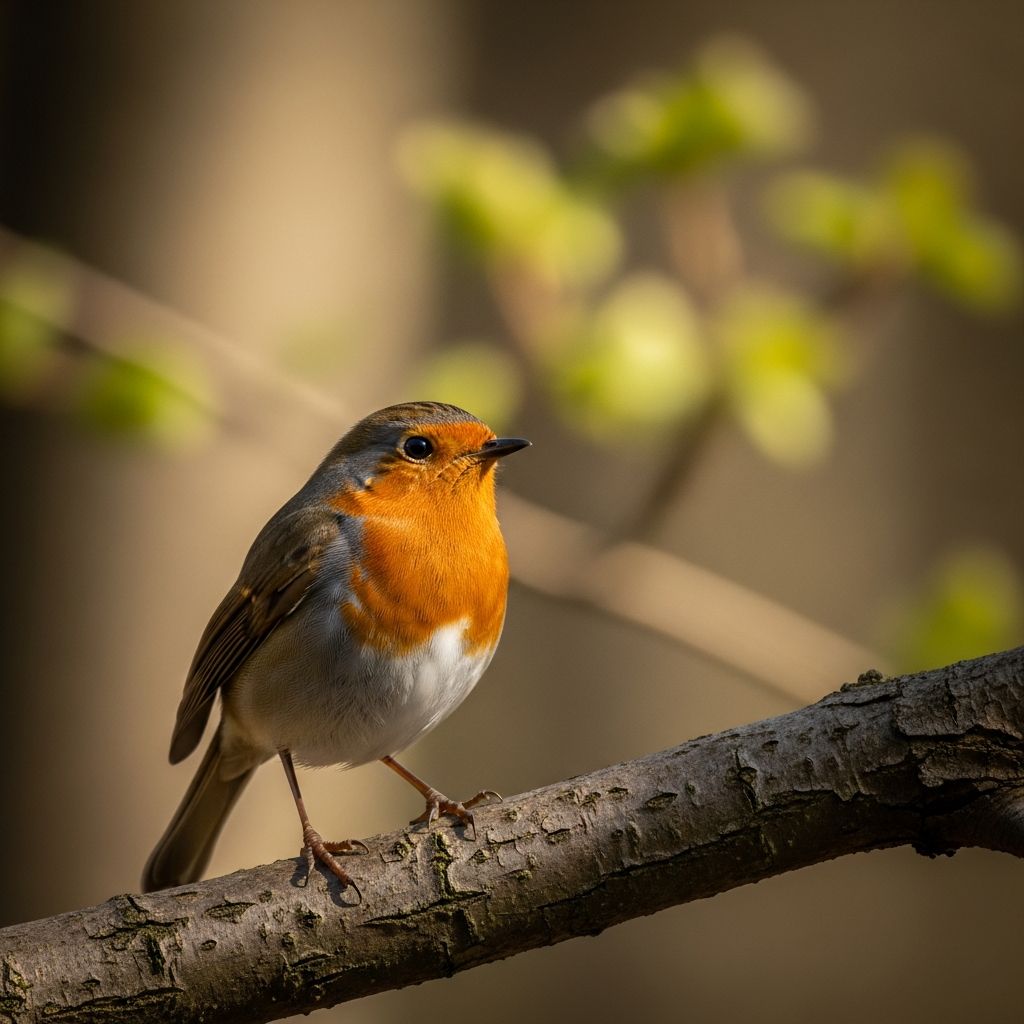
When a Bird Goes Silent: Understanding Why Your Feathered Friend Stops Singing
If you’ve enjoyed the delightful melodies of your backyard birds during spring and early summer, you may have noticed a peculiar silence descending as the weeks progress. This sudden absence of song can be puzzling, especially for bird enthusiasts and pet bird owners alike. However, this quietness is often a completely natural part of the avian lifecycle. Understanding the reasons behind this silence helps you appreciate your feathered companions better and recognize when behavioral changes might signal a genuine concern.
The Natural Rhythm of Bird Vocalization
Bird singing follows a predictable seasonal pattern tied to their reproductive cycles and physiological needs. During spring and early summer, the avian world erupts with intense vocalization as birds establish territories and attract mates. However, as summer progresses into late July and August, this acoustic landscape transforms dramatically. Many bird species reduce or completely cease their singing, creating what might seem like an eerie quiet in spaces previously filled with cheerful chirps and complex melodies.
Why Birds Stop Singing During Breeding Season
The End of Territorial Defense
One of the primary reasons birds go silent relates directly to the completion of their breeding responsibilities. During the nesting season, male birds sing extensively to defend their territories and attract mates. These elaborate songs serve as acoustic boundaries, warning rival males to stay away from claimed territory. However, once the breeding season concludes and chicks have fledged, this territorial imperative disappears. Birds no longer need to invest energy in these exhausting vocal performances because the conditions that necessitated them no longer exist.
Parental Obligations Take Priority
Parent birds face enormous demands once eggs hatch and nestlings emerge. Altricial species—birds born naked, blind, and completely dependent on parental care—require constant attention from their caregivers. Nestlings and fledglings grow at astonishing rates, often doubling or tripling their body weight within just a few weeks. This rapid development demands enormous quantities of protein and nutrients, forcing parent birds to spend nearly every waking moment foraging for food. Whether hunting insects, gathering worms, or collecting berries and seeds, these tireless foraging expeditions consume virtually all available energy and time, leaving little opportunity or motivation for singing.
Multiple Parental Responsibilities
Beyond foraging, parent birds undertake numerous time-consuming tasks:
– Brooding: Especially for altricial young, parents must spend significant time sitting on nestlings to maintain their body temperature, as chicks cannot regulate their own heat for the first days or weeks- Nest Sanitation: Parent birds meticulously remove fecal sacs from nests to prevent parasites and predators from being attracted to waste, requiring trips far from the nest- Protection and Teaching: Once young fledge, parents teach them survival skills, including how to find food and avoid predators
When parents dedicate nearly all their available energy to ensuring the survival and growth of the next generation, there simply isn’t sufficient surplus energy for vocal displays. Evolutionary pressures have trained birds to prioritize offspring survival over other activities.
The Molting Season Effect
Understanding Molt and Energy Demands
Late summer represents a particularly demanding period for many bird species, as they enter their annual molt—a process of shedding old, worn-out feathers and growing new ones. This physiological transformation is incredibly energy-intensive. Feathers are primarily composed of keratin, a protein that requires substantial nutritional intake to produce. During molt, a bird’s body prioritizes this vital process, redirecting energy away from other activities, including singing.
Vulnerability and Behavioral Changes
During a full molt, birds may lose substantial numbers of feathers simultaneously, particularly large flight feathers on the wings and tail. This temporary impairment of flight efficiency and maneuverability creates vulnerability to predators. In response, birds instinctively become quieter and more secretive, reducing any behaviors that might draw predator attention. Since singing is an energetically costly activity requiring muscular effort, breath control, and complex brain processing, birds conserve energy by significantly reducing or completely stopping their vocalizations during molt.
The Metabolic Cost of Song
The elaborate songs of the breeding season are extraordinarily expensive to produce in terms of energy expenditure. When a bird’s body is focused on regrowing an entirely new set of feathers, it cannot afford to waste resources on complex vocal displays. Birds instinctively understand this physiological reality and adjust their behavior accordingly.
Hormonal Influences on Vocalization
Testosterone and Song Control
The drive to sing is primarily controlled by hormones, particularly testosterone in males. During spring breeding season, testosterone levels surge dramatically, directly activating the brain’s song control system—a specialized network of neural nuclei responsible for learning, producing, and coordinating complex vocalizations. This hormonal surge enhances a bird’s motivation to sing, increases song frequency and complexity, and contributes to aggressive territorial displays.
Seasonal Brain Changes
As the breeding season concludes, hormone levels decrease significantly, reducing both the motivation and physiological capacity for complex song production. Remarkably, the actual brain structures responsible for song control can even shrink outside the breeding season. This adaptive mechanism conserves energy during periods when singing is unnecessary, representing an elegant evolutionary solution to seasonal energy constraints.
Migration Preparation and Energy Allocation
Building Reserves for the Journey
For migratory species, late summer marks the critical beginning of preparations for their arduous journey south. This involves building up fat reserves and sometimes gathering in flocks. Energy that might otherwise go into singing is diverted toward these essential migratory preparations. While some birds might sing during migratory stopovers, the intense, sustained singing characteristic of the breeding season is largely absent during pre-migration periods.
Physiological Priorities
Migration represents one of nature’s most demanding physical challenges. Many species undertake thousand-mile journeys that test their physical limits. Every available calorie must be preserved for this marathon effort, making singing an unaffordable luxury during preparation phases.
When Silence Becomes Concerning
Normal Behavioral Silence vs. Health-Related Silence
While seasonal silence is completely natural, there are circumstances where a bird’s quietness might indicate a health problem requiring veterinary attention. Understanding the distinction between normal behavioral changes and concerning silence is essential for pet bird owners and concerned observers.
Signs That Silence May Indicate Problems
– Sudden Unexpected Silence: If your pet bird suddenly stops vocalizing outside normal seasonal patterns, this warrants attention- Accompanying Physical Symptoms: Silence combined with ruffled feathers, loss of appetite, lethargy, or unusual behavior indicates potential illness- Isolation or Behavioral Changes: A normally social bird becoming withdrawn and silent alongside other behavioral shifts suggests health concerns- Loss of Interest in Activities: Birds that stop singing and simultaneously lose interest in eating, playing, or interacting may have underlying health issues
When to Consult an Avian Veterinarian
If your bird’s silence is accompanied by any of the above symptoms, or if the silence persists longer than typical seasonal patterns for your species, consult an avian veterinarian. These specialists can evaluate your bird’s overall health and identify any underlying conditions affecting vocalization.
Understanding Different Bird Species’ Patterns
Variation Across Species
Not all bird species follow identical vocalization patterns. Some species sing year-round or produce brief resumptions of song to teach young their local song dialect. American Robins, for example, can renest multiple times and may sing to instruct fledglings, though they typically stop new nesting attempts after late July or early August. Other species completely cease vocalization once breeding concludes.
Indoor Pet Birds
Pet birds kept indoors may follow different patterns than wild counterparts, influenced by artificial lighting, temperature consistency, and their environment. Some pet birds vocalize year-round, while others show seasonal patterns. Understanding your specific bird’s normal behavior helps you recognize genuine changes warranting concern.
The Bigger Picture: Natural Cycles and Adaptability
While the lack of song might seem like a disappearance, birds are typically still present and active, just in a quieter, less conspicuous phase as they undergo essential physiological transformations. They’re preparing themselves for the next set of challenges—whether that’s completing molt, teaching fledglings independence, or building energy reserves for migration. This silence represents nature’s elegant solution to competing demands, an adaptive strategy refined through millions of years of evolution.
For bird enthusiasts, this quieter period offers opportunities to observe other bird behaviors often masked by the noise of breeding season. Watching birds forage, interact as family groups, and care for fledglings provides insights into avian life beyond the dramatic spring dawn chorus.
Frequently Asked Questions (FAQs)
Q: Is it normal for birds to stop singing in summer?
A: Yes, it’s completely normal. Most birds significantly reduce or stop singing after breeding season ends, typically by late July or August. This relates to completion of nesting, parental care demands, and upcoming molt or migration.
Q: How long does the silent period typically last?
A: The duration varies by species and individual circumstances. Many birds remain largely silent through late August and September, with some brief resumptions during fall migration periods. Normal singing typically resumes the following spring.
Q: Should I be concerned if my pet bird stops singing?
A: Not necessarily, if the change corresponds with seasonal patterns and your bird shows no other concerning symptoms. However, if silence is sudden, unexpected, or accompanied by physical symptoms like ruffled feathers or appetite loss, consult an avian veterinarian.
Q: Do all bird species go silent in summer?
A: Most species significantly reduce vocalization, but not all go completely silent. Some birds sing year-round or have brief singing periods for teaching offspring. Patterns vary considerably by species.
Q: When should I see a vet about bird silence?
A: Contact an avian veterinarian if your bird’s silence is sudden and unexpected outside normal seasonal patterns, occurs with other behavioral or physical changes, or persists abnormally long.
Q: Can I encourage my bird to sing during silent periods?
A: During natural quiet periods, it’s best to respect your bird’s natural cycle rather than force vocalization. Forcing activity during molt or post-breeding rest periods could stress your bird unnecessarily.
Q: What happens during molt that causes silence?
A: Molt requires enormous energy as birds grow new feathers made of protein. Singing is energetically expensive, so birds conserve energy during this demanding period. Additionally, impaired flight during molt makes birds more vulnerable to predators, so they naturally reduce attention-drawing behaviors.
References
- Why Some Birds Stop Singing in Summer — BirdWatching Magazine. 2024. https://www.birdwatchingdaily.com/beginners/birding-faq/why-some-birds-stop-singing-in-summer/
- Why Do Birds Stop Singing in Late Summer? — National Audubon Society Great Lakes. 2024. https://gl.audubon.org/news/why-do-birds-stop-singing-late-summer
- 5 Reasons Birds Sing Less in Late Summer — Lyric Wild Bird Food. 2024. https://www.lyricbirdfood.com/birding-hub/behavior/5-reasons-birds-sing-less-in-late-summer/
- I’ve Been Hearing Beautiful Bird Songs Every Morning Since Spring — All About Birds, Cornell Lab of Ornithology. 2024. https://www.allaboutbirds.org/news/ive-been-hearing-beautiful-bird-songs-every-morning-since-spring-but-suddenly-im-not-hearing-birds-at-all-what-happened-to-them/
- Why Have All the Birds Stopped Singing? — Rebecca Lexa, Naturalist. 2024. https://rebeccalexa.com/why-have-all-the-birds-stopped-singing/
- Where’s the Birdsong Gone? — Wildlife Watch, The Wildlife Trusts. 2024. https://www.wildlifewatch.org.uk/wheres-birdsong-gone
Similar Articles








Read full bio of medha deb


