

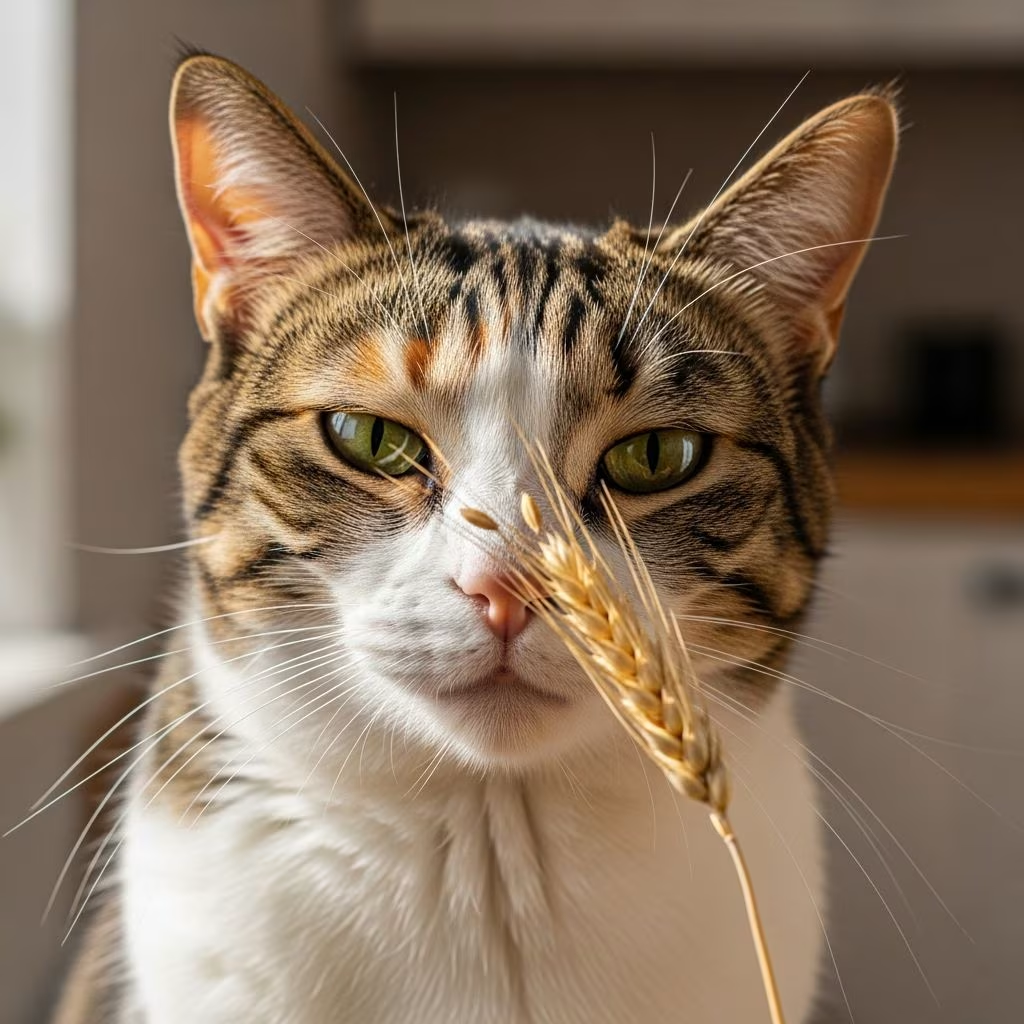
Feline wheat allergies represent a specific type of food sensitivity where cats react adversely to proteins or components in wheat, leading to a range of uncomfortable symptoms. Unlike environmental allergies, these reactions stem directly from dietary exposure and require targeted nutritional adjustments for management.
Recognizing the Signs of Wheat Sensitivity in Felines
One of the hallmark indicators of wheat allergies in cats is persistent itching, often concentrated around the head, neck, ears, and paws. This discomfort prompts excessive grooming, scratching, or biting, which can escalate to noticeable skin changes. Cats may develop red, inflamed areas, small crusty bumps known as miliary dermatitis, or even self-inflicted sores from constant irritation.
Beyond dermatological issues, gastrointestinal disturbances frequently accompany wheat intolerance. Owners might observe recurrent vomiting, loose stools, or diarrhea, sometimes paired with increased bowel movements or anal gland irritation evidenced by scooting behavior. Respiratory signs like sneezing or mild wheezing can also emerge, though less dominantly.
- Itchy skin leading to overgrooming and hair loss, particularly on the face and limbs.
- Skin lesions including redness, scabs, and secondary infections.
- Digestive upset such as vomiting, diarrhea, or flatulence.
- Ear problems with recurrent infections or head shaking.
- Ocular discharge or watery eyes from associated inflammation.
These symptoms often persist year-round, distinguishing food allergies from seasonal environmental triggers. Early recognition prevents secondary complications like chronic infections or coat deterioration.
Why Do Cats Develop Allergies to Wheat?
Food allergies in cats arise from an overactive immune response to certain proteins, with wheat gluten or other grain derivatives acting as common culprits. While beef, chicken, and fish top the list of allergens, grains like wheat affect a notable subset of sensitive felines. Genetic predisposition plays a role, and reactions can manifest suddenly even after years on the same diet.
Wheat enters cat food via fillers, binders, or carbohydrate sources in commercial kibble and wet foods. Cats, as obligate carnivores, may struggle to process these plant-based elements efficiently, heightening allergy risks. Intolerance differs from true allergy; the former causes digestive woes without immune involvement, while allergies trigger systemic inflammation.
Accurate Diagnosis: The Gold Standard Approach
Diagnosing wheat allergies demands ruling out other conditions like flea hypersensitivity or atopy. Intradermal skin tests or blood panels exist but yield high false positives or negatives for food triggers, rendering them unreliable.
The definitive method is a strict elimination diet trial lasting 8-12 weeks. Introduce a novel protein (e.g., duck or venison) paired with a simple carbohydrate like potato, excluding wheat entirely. No treats, flavored meds, or table scraps allowed to avoid cross-contamination. Symptom resolution confirms the allergy; rechallenge with original food provokes recurrence.
| Method | Pros | Cons |
|---|---|---|
| Elimination Diet | Highly accurate; identifies exact triggers | Requires strict compliance; time-intensive |
| Skin/Blood Tests | Quick results | Inaccurate for food allergies; sedation needed for skin tests |
| Vet Exam | Rules out other issues | Not diagnostic alone |
Consult a veterinarian to oversee the process, ensuring nutritional balance and monitoring progress.
Managing and Treating Wheat Allergies Effectively
Once confirmed, lifelong avoidance of wheat forms the cornerstone of treatment. Switch to hydrolyzed protein diets where allergens break down into non-reactive fragments, or novel ingredient formulas sans common grains. Prescription hypoallergenic foods from vets often prove most effective.
Symptomatic relief includes antihistamines, fatty acid supplements for skin health, or short-term steroids for severe flares. Probiotics aid gut recovery, while medicated shampoos soothe dermatitis. Regular vet check-ups track improvements and adjust plans.
- Dietary overhaul: Wheat-free, limited-ingredient kibble or wet food.
- Topical therapies: Oatmeal baths or ear cleaners.
- Medications: Apoquel-like drugs or antibiotics for infections.
- Environmental tweaks: Flea control to prevent mimicking symptoms.
Many cats thrive post-diagnosis, regaining glossy coats and vitality within weeks.
Preventive Strategies for Feline Dietary Health
To avert wheat allergies, opt for high-quality, grain-minimal diets emphasizing meat proteins from kittenhood. Rotate proteins judiciously to build tolerance without overload. Monitor new foods for reactions, introducing singly over days.
Annual wellness exams catch issues early. Hydration via fountains reduces GI strain, complementing allergy-prone digestion.
FAQs on Feline Wheat Allergies
Can all cats outgrow wheat allergies?
No, food allergies are typically lifelong, necessitating permanent dietary changes.
How long until elimination diet shows results?
Expect 8-12 weeks for full symptom abatement; partial relief may appear sooner.
Is wheat the most common cat food allergen?
No, proteins like beef and fish lead, but wheat affects many grain-inclusive diets.
What if symptoms persist after wheat removal?
Reevaluate with vet; other allergens or conditions like IBD may be involved.
Are homemade diets safe for allergic cats?
Possible under vet guidance, but commercial hypoallergenic options ensure completeness.
Long-Term Outlook for Cats with Wheat Sensitivities
With diligent management, cats with wheat allergies lead normal, active lives. Owners report reduced vet visits and happier pets post-dietary shifts. Stay vigilant for new symptoms, as multiple allergies can develop. Collaborate with veterinary dermatologists for complex cases.
(Word count: 1678)
References
- Food Allergies in Cats: Common Symptoms & How to Treat Them — Rawz Natural Pet Food. 2023. https://rawznaturalpetfood.com/food-allergies-in-cats/
- Can Cats Have Allergies? | Allergy Symptoms in Cats — Blue Buffalo. 2024. https://www.bluebuffalo.com/articles/cat/does-your-cat-have-allergies/
- Understanding Dermatitis Caused by Cat Food Allergies — Chino Valley Animal Hospital. 2023-10-15. https://chinovalleyanimalhospital.com/blog/understanding-dermatitis-caused-by-cat-food-allergies/
- Allergies in Cats: Common Allergens & Allergy Treatments — Bond Vet. 2024. https://bondvet.com/blog/allergies-in-cats-common-allergens-allergy-treatments
- Food Allergies in Pets: Signs, Diagnosis, and Treatment — Vet Derm Clinic. 2023. https://www.vetdermclinic.com/food-allergies-in-pets-signs-common-triggers-diagnosis-treatment/
- Understanding and Managing Cat Food Allergies — Earthborn Holistic Pet Food. 2024-01-12. https://www.earthbornholisticpetfood.com/blog/pet-nutrition/understanding-and-managing-cat-food-allergies-symptoms-causes-and-treatment/
- Cat Food Allergies: Symptoms, Causes, and Treatment — PetMD. 2025-02-10. https://www.petmd.com/cat/conditions/digestive/food-allergies-cats
- Food Allergies — Cornell University College of Veterinary Medicine. 2023. https://www.vet.cornell.edu/departments-centers-and-institutes/cornell-feline-health-center/health-information/feline-health-topics/food-allergies



