

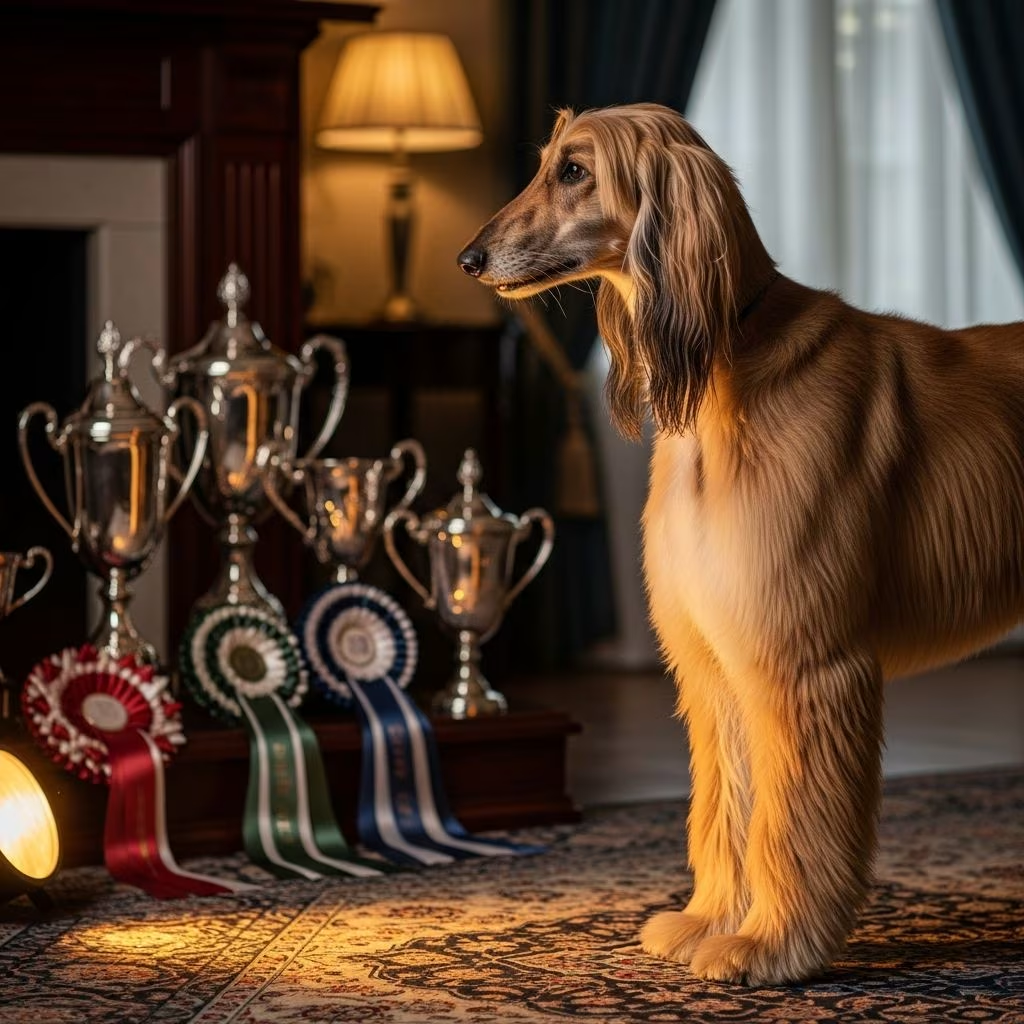
What’s in a Show Dog Name: Understanding Registered Dog Names
When you watch a dog show on television and hear the announcer call out names like “GCH Palacegarden Malarchy” or “Banana Joe V Tani Kazari,” you might wonder what all those letters and words mean. Show dog names are far more complex than the simple names we give our family pets. These formal registered names tell a story about the dog’s pedigree, achievements, and the breeder’s vision. Understanding what goes into a show dog name reveals the traditions, rules, and creativity that have shaped dog breeding for generations.
The Two Names Every Show Dog Has
One of the most surprising facts about show dogs is that they actually have two names: a registered name and a call name. The registered name is the formal name that appears in official records, pedigrees, and dog show programs. This is the name announced by commentators during competitions and printed in official documentation. The call name, on the other hand, is the nickname used by the dog’s owner and family in everyday life. For example, a dog with the registered name “Efbe’s Hidalgo At Goodspice” might simply go by “Charmin” at home. This distinction helps owners manage their dogs’ formal identity while maintaining a practical, personal relationship with their pets.
Breaking Down the Show Dog Name: Components and Structure
A registered show dog name typically contains several key components, each serving a specific purpose in identifying the dog within the breeding and showing community.
Kennel Name
The kennel name is almost always the first part of a registered name and represents the breeding program or organization that produced the dog. The kennel name is the breeder’s mark of ownership and pride in their work. It functions like a family surname, giving the dog a connection to its lineage and breeding history. For instance, a breeder with the kennel name “Crosswood” would register puppies as “Crosswood [additional name],” allowing immediate recognition of which breeding program produced that dog. Breeders invest significant effort in building their kennel’s reputation, so having their name appear first on every registered dog from their program is a point of pride.
Secondary Kennel Names
When show prospects are sold to other breeders, the new owner may add their own kennel name to the dog’s registered name, but it must appear after the original breeder’s kennel name. For example, if a breeder named Alexsea purchases a puppy from Crosswood Kennels, the dog’s registered name might be “Crosswood Alexsea Sky’s the Limit,” with Crosswood listed first and Alexsea second. This maintains the original breeder’s recognition while acknowledging the new owner’s contribution to the dog’s show career.
Personal Name
After the kennel name, breeders add a personal name that reflects their creativity, interests, or the circumstances surrounding the puppy’s birth. Some breeders choose elegant or classical names, while others opt for humorous or themed names. These names might reference mythology, pop culture, historical events, or even current news. The personal name can be as simple as “Sky” or as elaborate as “All About You Haiti,” which was chosen by a breeder who was inspired by storms occurring in Haiti when the litter was born.
Championship and Title Abbreviations
The letters that appear before or after a show dog’s name indicate titles and achievements earned through competition. These abbreviations communicate a dog’s accomplishments in the show ring and other competitions.
Championship Titles
The most common title you’ll see before a dog’s name is “Ch.” (Champion) or “GCh.” (Grand Champion). These letters indicate that the dog has earned points through competition in official dog shows recognized by breed clubs and kennel clubs. To achieve a championship title, dogs typically need to accumulate a specific number of points by winning in breed competition. In Canada, for instance, dogs must win 10 points to earn their championship title. The Grand Champion title represents an even higher level of achievement and recognition in the show ring.
Specialized Achievement Titles
Beyond standard championship titles, dogs can earn various specialized titles that recognize excellence in different areas:
- Dual Champion (DC): Indicates the dog has earned championships in both show rings and other competitions like obedience or field trials
- Canine Good Citizen (CGC): Shows the dog has passed a behavioral evaluation test
- Obedience Titles (CD, UD, OTCh): Recognition for achievements in obedience competitions
- Draft Dog Title (DD): Demonstrates the dog’s ability in pulling or carting competitions
- Versatility (V): Shows excellence across multiple disciplines or competitions
Breeding Achievement Titles
Some titles recognize a dog’s success as a parent rather than as a competitor. Outstanding Sire (OS) and Outstanding Dam (OD) titles indicate that a dog has produced offspring that achieved significant success in the show ring or obedience competitions. These titles celebrate a dog’s contribution to improving the breed through their offspring. Additionally, the Show Dog Hall of Fame (SDHF) designation recognizes dogs that have made extraordinary contributions to their breed and the sport of dog showing.
Why Show Dog Names Are So Long and Complex
The length and complexity of show dog names often perplex the general public, leading to questions about why breeders choose such elaborate monikers. The reasons are rooted in practical breeding traditions and the competitive nature of dog showing.
Ensuring Unique Identity
Kennel clubs maintain registries of all official dog names to prevent duplication. This means each registered dog must have a name that no other dog in the registry uses. As more dogs are registered each year, breeders must become more creative and elaborate with their naming to ensure their choice is original. A simple name like “Max” or “Bella” is far more likely to be already taken than a unique combination like “Vjk-Myst Garbonita’s California Journey.” The system ensures that every dog in official records has a distinct identity that cannot be confused with another dog.
Kerning and Print Layout
Interestingly, printing and kerning practices historically influenced show dog naming conventions. When dog show catalogs and programs were printed, longer names sometimes fit better on the page due to how letters were spaced and formatted. What started as a practical printing consideration became part of the tradition and culture of show dog naming.
Breeder Branding and Recognition
Breeders invest tremendous time, effort, and financial resources into developing their breeding programs. Having their kennel name appear in every registered dog’s name provides continuous brand recognition and builds their reputation within the dog fancy. When a dog from their kennel wins at a major show like Westminster, the kennel name gets announced and recognized, providing marketing value that breeders cherish. This is why breeders often emphasize that having their kennel name in a dog’s registered name is a point of pride.
Themes and Naming Patterns
Many breeders develop distinctive naming patterns or themes that become associated with their kennel’s identity. Rather than choosing random names, successful breeders often follow deliberate strategies that create cohesion and brand recognition within their breeding programs.
Thematic Litter Naming
Some breeders select a theme for each litter and name all puppies around that central concept. For example, a breeder might name one litter after characters from “Game of Thrones,” choosing names like Arya, Jon, and Daenerys for different puppies. The next litter might follow a different theme, such as Egyptian mythology or famous explorers. This thematic approach helps organize the breeder’s records and creates a memorable pattern that clients and other breeders associate with the kennel.
Bloodline Names
Some breeders incorporate names that reference their dogs’ bloodlines or famous ancestors. If a dog is descended from a notable champion, the breeder might include that lineage in the dog’s name. This practice honors the breed’s history and acknowledges the achievements of previous generations of dogs from the kennel.
Personal Interest Themes
Breeders often select names based on their personal interests and hobbies. Names might reference music, literature, history, geography, or current events. A breeder passionate about classical music might name puppies after composers or famous symphonies, while another enthusiast might choose names related to their favorite books or movies. This personalization makes the names more meaningful to the breeder and helps tell the story of their kennel’s culture and values.
Examples of Memorable Show Dog Names
Some of the most famous show dogs have names that are particularly creative, humorous, or unusual. These examples illustrate the diversity and creativity in show dog naming.
Classic and Elegant Names
“Courtenay Fleetfoot of Pennyworth” sounds like it could be from a historical novel, yet this blue fawn and white Whippet was shown over 85 times and won Best in Show at the 1964 Westminster Kennel Club. Such elegant names reflect traditional breeding values and give the dog a distinguished presence.
Humorous and Unconventional Names
Not all show dog names are formal or serious. “Spank Me Hard Call Me Crazy,” a Pomeranian who goes by “Spanky,” won Best in Show at the 2014 Tidewater Kennel Club event. Similarly, “Say It With Bacon,” an Australian Terrier, and “Fulla Bull Soulja Boy,” a French Bulldog, demonstrate that humor and playfulness have a place in the show dog world. These memorable names certainly make the dogs unforgettable.
Pop Culture References
“Banana Joe V Tani Kazari,” a black toy Affenpinscher who goes by “Joe,” won Best in Show at Westminster in 2013. The name’s pop culture connection, combined with its international flair, makes it particularly distinctive. Another example is “Co-Pilot, Wheels Up!” a Golden Retriever known as “Kodi,” which cleverly includes punctuation in the official registered name and reflects the dog’s close bond with its owner.
Unique and Memorable Choices
“Good Enough For Government Work,” a Briard known as “Gibbs,” may have a tongue-in-cheek name, but the dog was a top competitor, winning Westminster Best in Breed three consecutive years until retirement in 2019. “Order in the Court,” a Keeshond known as “Jango,” has five all-breed Best in Show titles to his name, proving that unique names don’t diminish a dog’s competitive success.
The Practical Side: Record Keeping and Breed Recognition
Beyond the creative and personal aspects, show dog names serve important practical functions in the dog showing community. The formal naming system helps maintain accurate records, track lineages, and preserve breed history.
Building Kennel Reputation
When breeders choose to use their kennel name as the first part of every dog’s registered name, they build recognition and reputation within their breed community. Successful breeders develop a reputation where their kennel name becomes synonymous with quality, health, and show success. Over time, this brand recognition becomes invaluable, influencing which puppies potential owners choose and which studs other breeders select for their breeding programs.
Simplifying Record Keeping
For breeders managing multiple litters and dozens of puppies over their breeding career, having a systematic naming structure simplifies record keeping. When every dog begins with the kennel name, breeders can more easily organize records, track pedigrees, and manage their breeding program’s documentation. This organizational system is essential for maintaining the integrity of breed records and ensuring accurate pedigree information.
Frequently Asked Questions About Show Dog Names
Q: Why are show dog names so long and complicated?
A: Show dog names are long to ensure each dog has a unique registered identity within kennel club databases. The complexity reflects the dog’s kennel name, personal name, and sometimes multiple components that tell the dog’s breeding story and heritage. Additionally, historical printing practices influenced the convention of longer names.
Q: What do the letters before a dog’s name mean?
A: Letters like “Ch.” (Champion), “GCh.” (Grand Champion), or “DC” (Dual Champion) indicate official titles the dog has earned through competition in dog shows or other sanctioned events. These letters communicate the dog’s achievements and level of success in the show ring.
Q: Do show dogs actually use their registered names at home?
A: No. Every show dog has two names: a registered name used in official records and shows, and a call name used by the owner at home. A dog with the registered name “Efbe’s Hidalgo At Goodspice” might simply be called “Charmin” by family members in everyday life.
Q: How do breeders decide on their dogs’ names?
A: Breeders use various strategies, including personal interests, thematic patterns, bloodline references, and creative inspiration from pop culture, history, or current events. Each breeder develops their own approach to naming that reflects their kennel’s identity and the circumstances surrounding each litter’s birth.
Q: What is a kennel name?
A: A kennel name is the first part of a registered dog’s name and represents the breeding program or organization that produced the dog. It functions like a surname and appears in the registered names of all dogs produced by that breeding program, providing brand recognition and continuity.
Q: Can multiple breeders’ names appear in a show dog’s registered name?
A: Yes. If a dog is sold to another breeder as a show prospect, the new owner’s kennel name may be added to the registered name, but it must appear after the original breeder’s name. For example, “Crosswood Alexsea Sky’s the Limit” shows both the original breeder (Crosswood) and the new owner’s kennel (Alexsea).
Q: What does “Outstanding Sire” or “Outstanding Dam” mean?
A: These titles (OS and OD respectively) recognize dogs that have produced offspring achieving significant success in show rings or obedience competitions. They celebrate a dog’s contribution to improving the breed through their children rather than their own show achievements.
Conclusion
Show dog names are far more than random combinations of words. They represent a rich tradition that blends practical record-keeping with creative expression, breeder pride, and competitive achievement. From the kennel name that grounds the dog’s identity to the personal name that reflects the breeder’s vision, each component tells part of the dog’s story. The titles and abbreviations that precede or follow the name chronicle the dog’s accomplishments and contributions to their breed. Understanding what goes into a show dog name provides fascinating insight into the world of competitive dog showing and the dedicated breeders who work tirelessly to improve their breeds. Whether a show dog goes by an elegant, humorous, or unusual registered name, behind every name is a breeder’s passion and a dog’s potential to represent their breed with distinction.
References
- Show Dog Names: From Fancy to Bizarre — Dogster. 2024. https://www.dogster.com/lifestyle/show-dog-names
- Here’s Where Those Crazy Show-Dog Names REALLY Come From! — Animalist. 2014-02-12. https://www.youtube.com/watch?v=BgYNsTrcc2A
- What do all those LETTERS mean? — YBF Goldens. 2024. https://ybfgoldens.com/what-do-all-those-letters-mean
- Find Out How Breeders Pick Their Puppy Names — American Kennel Club. 2024. https://www.akc.org/expert-advice/dog-breeding/breeders-share-how-they-pick-puppy-names/
- Dogs’ Titles — Dover Gardens Kennel & Obedience Club Inc. 2024. https://www.doverdog.org.au/dogs–titles.html
- What do those fancy, fanciful names for Westminster show dogs mean? — York Dispatch. 2025-02-10. https://www.yorkdispatch.com/story/entertainment/2025/02/10/what-do-those-fancy-fanciful-names-for-westminster-show-dogs-mean/78393447007/



