
What Vegetables Can Dogs Eat? A Complete Guide
Discover which vegetables are safe and nutritious for your dog's diet and health.
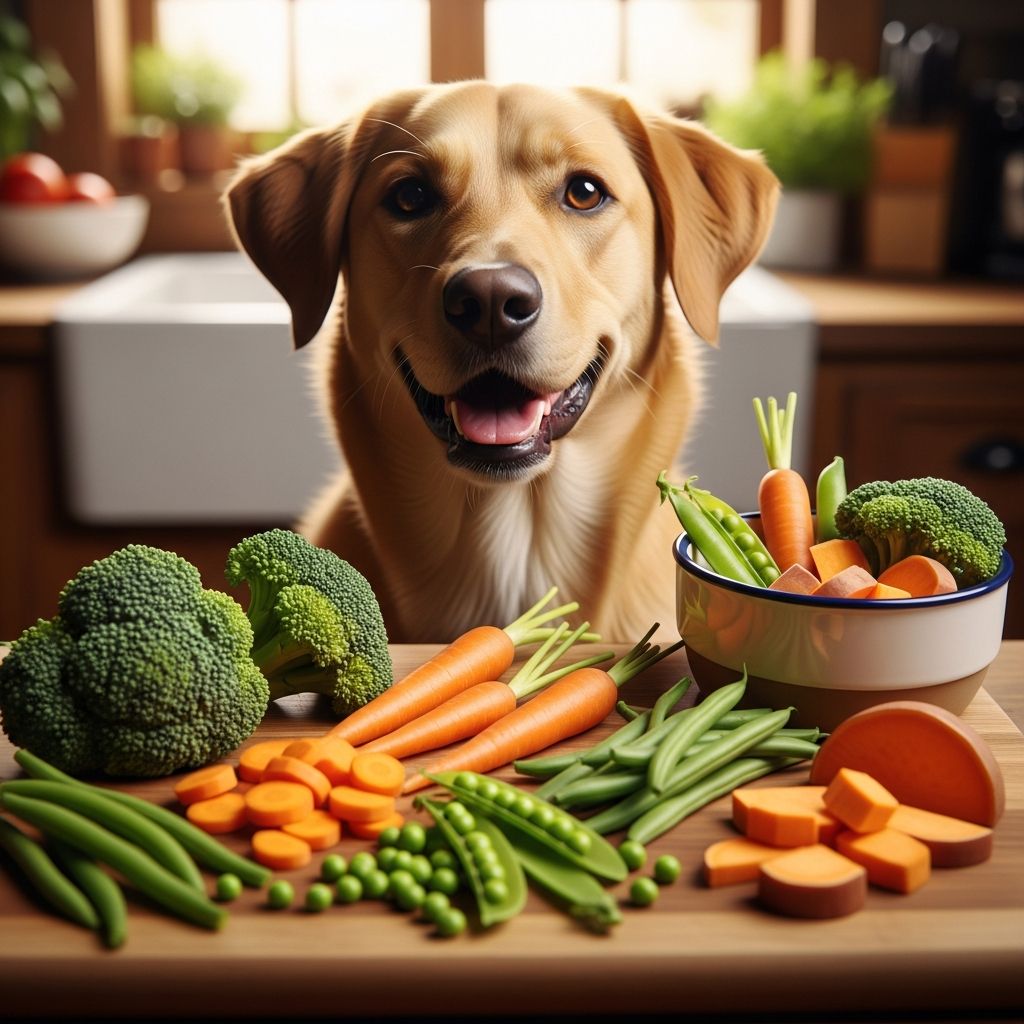
Incorporating vegetables into your dog’s diet can be a wonderful way to provide essential nutrients, fiber, and low-calorie treats that support overall health and wellness. However, not all vegetables are safe for canine consumption, and some require specific preparation methods to ensure your furry friend benefits from them without experiencing adverse effects. Understanding which vegetables are appropriate for dogs, how to prepare them properly, and in what quantities to serve them is crucial for responsible pet ownership.
Safe Vegetables for Dogs
Many vegetables are not only safe for dogs but also offer significant nutritional benefits. When introducing vegetables to your dog’s diet, it’s important to do so gradually and in moderation to avoid digestive upset.
Carrots
Carrots are one of the most popular and beneficial vegetables for dogs. These crunchy vegetables are high in fiber and beta-carotene while remaining low in calories, making them an excellent choice for dogs of all sizes. The act of crunching on a carrot can also benefit your dog’s dental health by helping to clean their teeth naturally. Carrots can be served both raw and cooked, though cooked carrots actually provide more bioavailable nutrients for your dog’s system. When serving carrots, cut them into appropriately sized pieces to prevent choking hazards. Avoid frozen carrots, as they can be choking hazards and may damage your dog’s teeth.
Bell Peppers
Bell peppers are packed with vitamins and antioxidants that support your dog’s health. Red bell peppers are particularly nutrient-rich compared to their green or yellow counterparts. These vegetables are safe to serve raw or cooked and contain beneficial compounds that support immune function and overall wellness. Remove any seeds before serving to your dog.
Broccoli
Broccoli can be a healthy addition to your dog’s diet when served in small quantities. This vegetable provides fiber and essential vitamins that support digestive health and immune function. However, excessive amounts of broccoli can cause stomach irritation due to its high fiber content, so moderation is key. Some dogs may experience gas or bloating from broccoli, so monitor your pet’s response when first introducing it.
Green Beans
Plain, unseasoned green beans are excellent for dogs and can be served fresh, frozen, or cooked. These vegetables are filled with important vitamins, minerals, and fiber while remaining low in calories. Green beans make an ideal training treat or addition to regular meals, and most dogs enjoy their mild flavor and crispy texture.
Sweet Potatoes
Sweet potatoes are a nutritional powerhouse for canine diets, offering vitamins A, B6, and C, along with calcium, potassium, iron, fiber, and beta-carotene. These vegetables are often recommended by veterinarians as healthy treats and frequently appear in homemade dog treat recipes. Always serve sweet potatoes plain and cooked, never raw, and remove the skin. They should be given in moderation as part of a balanced diet.
Peas
Peas are full of protein, vitamins, minerals, and fiber, making them a great addition to your dog’s regular diet. All forms of peas—fresh, frozen, green, snow, sugar snap, English, and garden peas—are safe and healthy for dogs. However, avoid canned peas, which often contain added sodium that may not be suitable for your pet. Peas are commonly included in commercial dog food formulations.
Spinach
In small quantities, spinach is safe for dogs and contains an impressive array of nutrients including potassium, magnesium, vitamins B6, B9, and E, carotenoids, vitamin C, vitamin K, folic acid, iron, and calcium. However, spinach should be limited in your dog’s diet because it is high in oxalic acid, which can block calcium absorption and potentially lead to kidney damage if consumed in large quantities. Always serve spinach cooked and in moderation.
Beets
Beets are safe vegetables for dogs and provide important nutrients like vitamin C, fiber, folate, manganese, and potassium. These root vegetables can benefit your dog’s fur and skin health and contain enzymes that help with digestion and nutrient absorption. Serve beets cooked and in small portions.
Celery
Celery is known to help freshen dog breath and is hydrating and low in calories, making it a great snack option. This vegetable contains vitamins A, B, and C along with nutrients that promote heart health. Remove the strings from celery before serving, as they can pose a choking hazard. Celery can be served raw or cooked.
Cauliflower
Cauliflower is a great source of fiber and vitamin C while being low in fat. However, it should be shared in moderation, as excessive amounts can lead to uncomfortable gas for both you and your pet. Serve small portions of cooked cauliflower to minimize digestive upset.
Brussels Sprouts
These little vegetables are rich in fiber and antioxidants but may cause gas, so they should only be served in moderation. Introduce Brussels sprouts gradually to monitor your dog’s response, and consider serving them cooked rather than raw to ease digestion.
Zucchini
Zucchini is full of vitamins and minerals, including vitamin C, beta-carotene, and folate, while being high in protein and low in calories. This vegetable can be served raw or cooked. Thoroughly cut up zucchini before serving to help your dog’s digestive system process it more easily.
Other Safe Vegetables
Additional vegetables that are safe for dogs include butternut squash, cabbage, asparagus, and kale. Butternut squash should have seeds removed and be cooked for easy digestion. Cabbage is safe in moderation and can promote healthy digestion. Asparagus should be cooked to avoid digestive issues from its tough stalks. Kale should only be given in small portions due to naturally occurring compounds that can’t be processed in large quantities.
Vegetables to Avoid
While many vegetables are safe for dogs, some are toxic and should never be given to your pet. Two particularly dangerous vegetables are garlic and onions, which belong to the allium family and can damage dogs’ red blood cells and cause serious health complications. Additionally, raw potatoes contain solanine, a toxic compound, so potatoes should only be served cooked and plain. Ripe tomatoes are safe in small amounts, but green tomatoes and tomato plants contain solanine and should be avoided entirely.
Preparation Methods and Safety Tips
How you prepare vegetables for your dog is just as important as which vegetables you choose. Follow these guidelines to ensure maximum safety and nutritional benefit:
- Wash thoroughly: Always wash vegetables before serving to remove pesticides and dirt.
- Cut appropriately: Cut vegetables into small, bite-sized pieces to prevent choking hazards.
- Serve plain: Never add salt, seasonings, oils, or other toppings that might upset your dog’s digestive system.
- Cook when necessary: Some vegetables are safer or more digestible when cooked, such as carrots, which become more nutrient-dense when heated.
- Remove harmful parts: Always remove seeds, pits, cores, and strings that could cause choking or blockages.
- Introduce gradually: When adding new vegetables to your dog’s diet, introduce them slowly over several days to monitor for adverse reactions.
- Monitor portions: Vegetables should make up no more than 10% of your dog’s daily caloric intake to maintain a balanced diet.
Vegetables That May Cause Gas and Bloating
Certain vegetables can cause excessive gas and bloating in dogs, particularly broccoli, peas, cauliflower, Brussels sprouts, and cabbage. If your dog experiences digestive discomfort from these vegetables, only offer small amounts or consider removing them from their diet entirely. Every dog has different sensitivities, so observe your individual pet’s response to new foods.
Nutritional Benefits of Vegetables for Dogs
Vegetables provide numerous health benefits when incorporated into your dog’s diet appropriately. They are rich in essential vitamins and minerals that support immune function, eye health, skin and coat quality, and digestive health. The fiber content in vegetables aids digestion and helps maintain healthy weight, particularly for dogs prone to obesity. Additionally, the low-calorie nature of most vegetables makes them ideal treats for weight management and training rewards without contributing excess calories to your dog’s daily intake.
Feeding Guidelines and Recommendations
When incorporating vegetables into your dog’s diet, remember that they should complement, not replace, a complete and balanced commercial dog food or veterinarian-approved homemade diet. Vegetables can serve several purposes in your dog’s nutrition plan: as occasional treats, training rewards, meal toppers, or ingredients in homemade dog treat recipes. Always consult with your veterinarian before making significant dietary changes, especially if your dog has existing health conditions or dietary restrictions.
Frequently Asked Questions
Q: Can dogs eat raw carrots?
A: Yes, dogs can safely eat raw carrots. Raw carrots are crunchy and beneficial for dental health, though they are more nutrient-dense when cooked.
Q: How much vegetable should I feed my dog daily?
A: Vegetables should make up no more than 10% of your dog’s daily caloric intake. The majority of their nutrition should come from a complete and balanced dog food.
Q: Are frozen vegetables safe for dogs?
A: Most frozen vegetables are safe, except frozen carrots, which are choking hazards. Thaw frozen vegetables before serving and cut into appropriate sizes.
Q: Can I give my dog vegetables with added seasonings?
A: No, always serve vegetables plain without salt, garlic, onions, or other seasonings that could be harmful to your dog’s health.
Q: What should I do if my dog eats a vegetable they shouldn’t?
A: Contact your veterinarian immediately if your dog ingests a toxic vegetable like onions, garlic, or raw potatoes. Provide information about the type and amount consumed.
Q: Can vegetables replace dog food in my pet’s diet?
A: No, vegetables should never replace complete and balanced dog food. They should only supplement your dog’s regular diet as treats or meal toppers.
References
- Can Dogs Eat Carrots? Benefits, Risks, and Feeding Tips — PetMD. 2024. https://www.petmd.com/dog/nutrition/can-dogs-eat-carrots
- Safe And Unsafe Fruits And Veggies To Share With Your Dog — Impri Medicine. 2024. https://www.imprimedicine.com/blog/safe-fruits-and-veggies-for-dogs
- Fruits and Vegetables Dogs Can and Can’t Eat — Bow Wow Labs. 2024. https://www.bowwowlabs.com/blogs/news/fruits-and-vegetables-dogs-can-and-cant-eat
- Dog Nutrition: Guide to Dog Food Nutrients — PetMD. 2024. https://www.petmd.com/dog/nutrition/evr_dg_whats_in_a_balanced_dog_food
- What Vegetables Can Dogs Eat? — Insurify. 2024. https://insurify.com/pet-insurance/knowledge/vegetables-dogs-eat/
- Toxic and Dangerous Foods Your Dog Should Never Eat — WebMD. 2024. https://www.webmd.com/pets/dogs/ss/slideshow-foods-your-dog-should-never-eat
Similar Articles








Read full bio of Sneha Tete




