

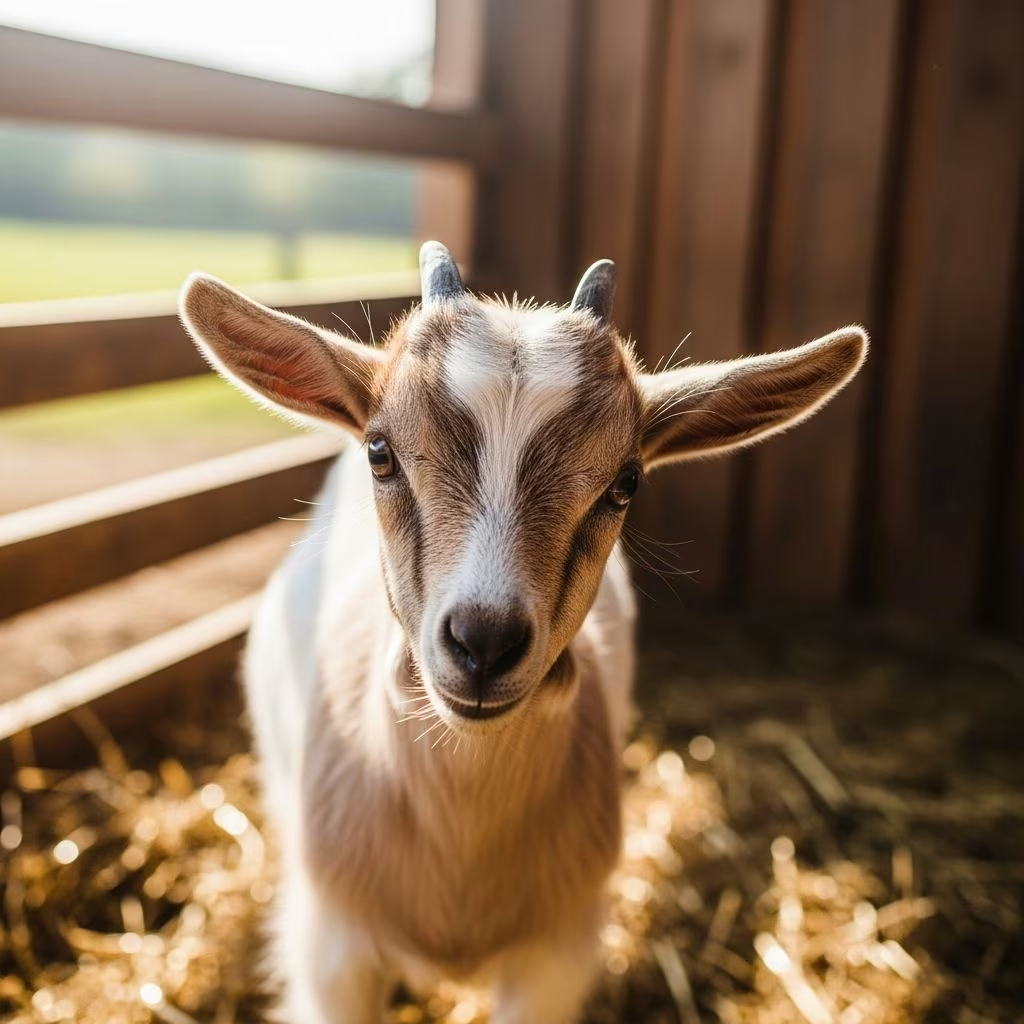
What to Know Before You Adopt a Goat
Goats can make wonderful companions and bring joy to any household. They are incredibly smart, playful, and curious animals that form strong bonds with their owners. Beyond their charming personalities, goats are also practical additions to many properties, serving as excellent lawn mowers by enthusiastically consuming grass, weeds, and vegetation that might otherwise overrun your yard. However, successful goat ownership goes far beyond having a living weed-eater on your property. To ensure a happy and healthy life for your goat, these animals require significant care, attention, and commitment. Goats love to learn tricks, enjoy regular walks, and appreciate consistent grooming. If you are considering adopting a goat, it’s essential to thoroughly understand what’s involved in providing proper care before making this important decision.
Understanding Goat Lifespans and Commitment
One of the first things potential goat owners should understand is the long-term commitment involved. Goats can live up to 18 years when cared for properly. This extended lifespan means that adopting a goat is not a short-term decision but rather a commitment spanning nearly two decades. During all those years, your goat will depend on you for proper nutrition, shelter, medical care, and companionship. When you are prepared to provide these essentials consistently, goats can become wonderful pets and lifelong best friends, rewarding your dedication with affection and entertaining behavior.
Goat Care: The Basics
Successful goat ownership requires understanding and implementing proper care practices across several key areas. Let’s explore each of these essential components in detail.
Nutrition and Feeding Requirements
Providing proper nutrition is fundamental to keeping your goat healthy and content. Goats are natural browsers with diverse palates. In their natural state, they enjoy eating leaves, bark from trees, twigs, vines, and shrubs. In a domestic setting, they require a daily ration of timothy hay as their primary food source, which should form the foundation of their diet.
Beyond hay, goats appreciate a variety of supplementary foods and treats. Safe options include celery, carrots, mango leaves, grapes, bananas, apples, pears, zucchini, and watermelon. These treats not only provide nutritional variety but also enrich your goat’s feeding experience. However, it’s crucial to be aware that some plants can be toxic to goats. Before bringing your new goat home, research the plants and weeds currently growing in your yard or pasture. Identify and remove any vegetation that could be harmful to your animal, as accidental ingestion of toxic plants can cause serious health problems.
In addition to various foods, goats need regular access to loose mineral supplements to maintain proper health. Your local feed store should stock several mineral supplement options specifically formulated for goats. An important consideration: goat minerals from feed stores contain copper, which is toxic to sheep and some other barnyard animals. If your goat will share living space with other farm animals, keep goat mineral supplements in an area exclusively designated for your goat to prevent accidental exposure by other animals.
Shelter and Fencing
Goats are amazing climbers with seemingly impossible escape artist abilities, making secure and appropriate shelter crucial for their safety and containment. Your goat will require sturdy, tall, predator-proof fencing to prevent escapes and protect against predators. However, simply installing fencing is not enough; you must regularly maintain and inspect it, as goats are extremely active and curious creatures that constantly explore their environment and seek new escape routes. Their determination and climbing ability mean they can damage fencing in unexpected ways.
The more pasture or acreage your goat has available to roam freely, the better. This space allows them to engage in natural browsing behaviors and provides room for physical activity. To supplement their living space, consider supplying playground equipment to satisfy your goat’s playful nature. Popular enrichment structures include large tractor tires, picnic tables linked with wooden platforms, wooden half barrels with narrow walkways, old boats, trucks, wagons, or trailers, dog igloos or houses, tree stumps at various heights, jungle gyms, teeter-totters, ramps, and rock walls. Make sure any playground equipment is positioned away from your fencing to prevent goats from climbing to the top and jumping over the fence to escape.
Beyond pasture and play structures, goats need a shelter where they can retreat during nighttime or when facing inclement weather. This shelter should provide protection from rain, extreme heat, cold, and wind while allowing adequate ventilation. A simple three-sided shelter or more elaborate barn structure can work well, depending on your climate and the number of goats you’re keeping.
Medical Care and Health Maintenance
Regular medical care is essential for maintaining your goat’s health and preventing disease. Goats should receive annual tetanus vaccines to protect against this potentially fatal disease. Regular dewormers are also necessary, as parasites can significantly impact your goat’s health. Both vaccines and dewormers are available through feed stores or from your veterinarian.
Hoof care is another critical medical maintenance task that should not be overlooked. Goat hooves require trimming approximately four times per year to prevent overgrowth, which can lead to discomfort, gait problems, and infections. While some experienced goat owners perform this task themselves with patience and proper tools, many prefer to have their veterinarian handle hoof trimming to ensure it’s done correctly and humanely. Establishing a relationship with a veterinarian experienced in treating goats is highly recommended before you bring your goat home.
Enrichment and Environmental Stimulation
Providing an enriching environment is vital for your goat’s mental and physical wellbeing. The good news is that creating enrichment opportunities for your goat doesn’t require significant expense. One of the most effective enrichment methods is providing places for your goat to climb, which satisfies their natural instincts and keeps them mentally stimulated. Here are some easy and inexpensive climbing objects you can create or repurpose:
- Large tractor tires arranged in various configurations
- Picnic tables connected with wooden platforms and walkways
- Wooden half barrels with narrow passages to navigate
- Old boats, trucks, wagons, or trailers converted into climbing and lounging spaces
- Dog igloos or houses mounted for climbing
- Tree stumps at multiple heights to jump between
- Jungle gyms, teeter-totters, ramps, and other playground equipment
- Rock walls or climbing surfaces for exploration
Many of these items can be obtained for free through online classified ads like Craigslist or local community listings, making enrichment accessible even on a budget. Rotating enrichment items periodically or adding new structures keeps your goat’s environment fresh and interesting, preventing boredom and destructive behaviors.
Adopting a Goat: Important Considerations
If you’ve decided that goat ownership aligns with your lifestyle and capabilities, taking the right approach to adoption can significantly increase the likelihood of success. Before making any final decisions, conduct thorough research about goat care requirements, talk with your veterinarian about whether a goat is right for your situation, and speak with others who currently own goats to gain real-world insights into daily life with these animals.
If you’re adopting from an animal sanctuary or rescue organization like Best Friends Animal Society, visiting the facility to meet the specific goat you’re considering is highly recommended. An in-person visit allows you to interact with the animal, assess your compatibility, and ensure it’s a good fit for your home and lifestyle. While a visit isn’t always required, it can definitely improve outcomes by helping both the adopter and the organization make an informed decision about placement.
Preparing Your Home and Life for Goat Ownership
Pre-Adoption Checklist
Before bringing your new goat home, complete these essential preparation tasks. First, verify that local zoning regulations permit goat ownership in your area, as some municipalities have restrictions on farm animals. Second, ensure your fencing is secure and free from escape routes, as mentioned previously. Third, stock necessary supplies including hay, minerals, feed, grooming tools, and basic veterinary supplies. Fourth, identify and remove toxic plants from your yard and pasture. Finally, establish a relationship with a veterinarian who has experience treating goats.
Understanding the Behavioral Aspects
Goats are highly social and intelligent animals that thrive on interaction and stimulation. They genuinely enjoy learning tricks, demonstrating their cognitive abilities and desire to engage with their owners. Regular walking with your goat not only provides essential exercise but also strengthens your bond. Grooming sessions offer opportunities for hands-on care and help your goat develop trust in you. These interactive activities are not luxuries but essential components of responsible goat ownership that contribute to your animal’s emotional wellbeing.
Frequently Asked Questions About Goat Adoption
Q: Can goats live indoors?
A: While goats are primarily outdoor animals requiring space to roam and browse, some owners do keep dwarf goat breeds in homes with sufficient space. However, goats naturally seek outdoor environments and benefit greatly from pasture access, making indoor-only living suboptimal for their wellbeing.
Q: How many goats should I adopt?
A: Goats are herd animals and generally do better with at least one companion. Keeping a single goat can lead to behavioral problems and distress. Adopting two or more goats is typically recommended, provided you have sufficient space and resources.
Q: What is the best time of year to adopt a goat?
A: Spring and early summer are generally ideal for adoption, as they allow your goat to acclimate to their new home before harsh winter weather arrives. However, proper shelter can enable adoption year-round.
Q: Do goats require special vaccinations?
A: Yes, annual tetanus vaccines are essential for all goats. Additionally, your veterinarian may recommend other vaccines based on your regional disease risks and your specific goat’s health status.
Q: How much space do goats need?
A: Generally, goats require at least one-quarter acre per animal, though more space is better. They are active, curious animals that benefit significantly from room to explore, browse, and exercise.
Q: Can goats live with other animals?
A: Goats can often coexist peacefully with other farm animals, but compatibility depends on the individual animals involved. Keep goat mineral supplements separate from sheep and other animals, as they contain copper toxic to those species.
Q: What are signs of a healthy goat?
A: A healthy goat should have a glossy coat, clear eyes, normal eating and drinking habits, regular bowel movements, active and playful behavior, and appropriate weight for their breed and age.
Q: How much does goat ownership cost annually?
A: Annual costs vary based on the number of goats, your location, and veterinary care needs, but typically range from $500 to $2,000 per goat when accounting for feed, medical care, shelter maintenance, and supplies.
Making Your Final Decision
Adopting a goat is a rewarding experience that comes with genuine responsibility. These intelligent, affectionate animals can provide years of companionship, entertainment, and practical benefits. However, their needs are real and substantial, requiring commitment in time, effort, and resources. By thoroughly understanding what goat ownership entails and properly preparing your home and lifestyle, you can create a positive, healthy environment where your goat thrives. Take time to research, consult with experienced goat owners and veterinarians, and honestly assess whether you can meet these animals’ needs for the next 18 years. When you’ve made an informed decision and completed proper preparation, the joy and unique bond that develops between you and your goat will make the effort worthwhile.
References
- What to Know Before You Adopt a Goat — Best Friends Animal Society. Accessed 2025-11-28. https://bestfriends.org/pet-care-resources/what-know-you-adopt-goat
- Goats for Adoption — Best Friends Animal Society. Accessed 2025-11-28. https://bestfriends.org/adopt/adopt-our-sanctuary/barnyard
- How-To Guides and Resources — Best Friends Animal Society. Accessed 2025-11-28. https://bestfriends.org/pet-care-resources/issues/how-guides-and-resources



