
What Can I Give My Dog To Ease Occasional Constipation?
Safe and effective remedies to help your dog overcome occasional constipation quickly.
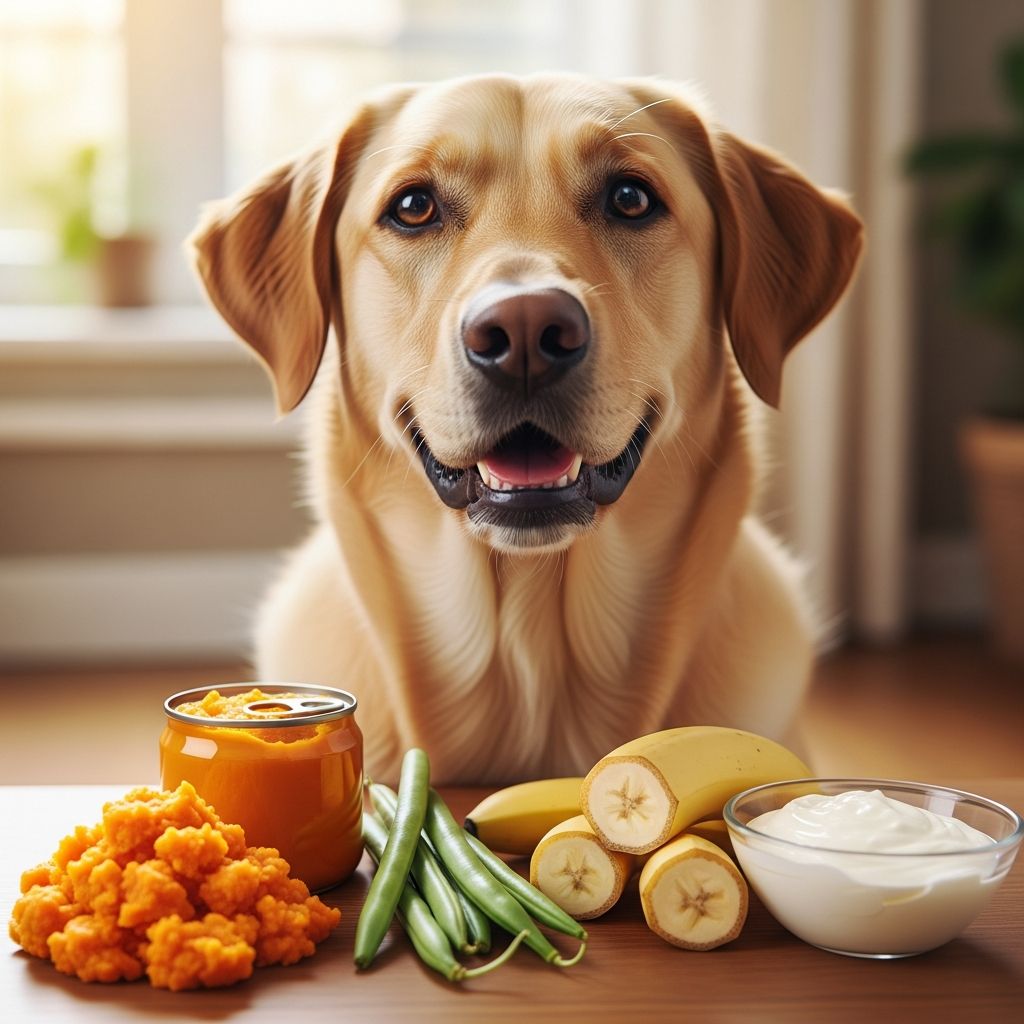
Understanding Dog Constipation and How to Help
Dog constipation is a common health issue that can cause discomfort and concern for pet owners. When your dog hasn’t had a bowel movement in several days or is straining to pass stool, it’s natural to want to help them feel better as quickly as possible. Fortunately, there are numerous safe and effective methods to ease your dog’s occasional constipation, ranging from simple lifestyle adjustments to targeted dietary interventions and supplements.
The good news is that most cases of dog constipation are relatively easy to treat, especially when caught early. Before reaching for prescription medications or making emergency veterinary visits, many pet owners find success with straightforward home remedies and preventative measures. Understanding what causes constipation and what you can safely give your dog to address the problem is essential for responsible pet care.
Use Probiotic Supplements to Support Digestive Health
Probiotic supplements have emerged as one of the most effective tools for supporting healthy digestion in dogs and preventing constipation. These beneficial bacteria help maintain a balanced intestinal microbiome, which is crucial for normal bowel function and overall digestive health.
Over-the-counter probiotic supplements designed specifically for dogs, such as Purina Pro Plan Veterinary Diets FortiFlora, can be highly effective in supporting your dog’s gastrointestinal system. FortiFlora is formulated with probiotics and antioxidants that help maintain good bacteria in your dog’s intestinal tract, directly supporting normal bowel functions and promoting healthy digestion. The convenience of this supplement is noteworthy, as it comes in powder form that you can easily mix into your dog’s food or as a chewable treat, making administration straightforward and stress-free.
Important reminder: Always speak with your veterinarian before giving your pup a new medication or supplement. Your vet can recommend the most appropriate probiotic for your dog’s specific needs and ensure it won’t interact with any existing medications or health conditions.
Increase Your Dog’s Water Intake
Dehydration is one of the most common underlying causes of dog constipation. A dog’s body responds to insufficient water intake by reabsorbing as much water as possible from the feces. This reabsorption process causes hardening of the stool, making it significantly more difficult for your dog to pass it comfortably. Ironically, constipation itself can be a sign that your dog needs more hydration.
To combat this issue, make sure your dog always has access to fresh, clean water throughout the day. Many dogs are motivated by running water, so investing in a dog water fountain can be a game-changer. These fountains circulate water continuously, which appeals to dogs’ natural instincts and often entices them to drink more water than they would from a stationary bowl. The increased hydration helps soften stool as it forms within the digestive tract, making bowel movements easier and more comfortable.
Some pet owners find success adding a tablespoon of unsalted chicken broth to their dog’s water bowl to make drinking more appealing. This low-sodium broth encourages increased water consumption without introducing unnecessary calories or sodium to your dog’s diet.
Offer Canned Food and Increase Moisture Content
Feeding your dog canned food or mixing a small amount of water into their dry food is an excellent way to provide extra hydration. The added moisture in canned food serves a dual purpose: it increases your dog’s overall water intake while also helping to moisten the stool as it forms within the digestive tract. This combination of added hydration and softer stool can make it significantly easier for a constipated dog to pass stool with less discomfort and straining.
Canned dog food typically contains 70-80% moisture, compared to dry kibble which contains only about 10% moisture. This substantial difference in water content makes canned food an excellent choice for dogs struggling with constipation. You don’t necessarily need to switch completely to canned food; even mixing a small amount of water or low-sodium broth into your dog’s regular dry food can provide noticeable benefits.
Pumpkin Puree as a Natural Fiber Source
One of the most popular and well-regarded natural remedies for dog constipation is canned pumpkin. This simple kitchen staple is rich in fiber and has been used by veterinarians and pet owners for years to support digestive health. The fiber in pumpkin helps bulk up stool and stimulates normal bowel movements naturally.
Dosing pumpkin depends on your dog’s size. Small dogs can typically receive one teaspoon of canned pumpkin mixed in with each meal, while larger dogs can often handle up to one tablespoon or slightly more. Start with a smaller amount and increase gradually if needed, monitoring your dog’s response.
Critical note: Be absolutely certain you’re using plain, 100% canned pumpkin—not pumpkin pie filling. Pumpkin pie filling contains added sugars and spices that can upset your dog’s digestive system and may even be harmful. Always read the ingredient label to confirm you have pure pumpkin puree.
Fiber Powder Supplements
Another option your veterinarian may recommend is psyllium powder, often recognized as the active ingredient in products like unflavored Metamucil. Fiber powders work by absorbing water in the intestines and adding bulk to the stool, which stimulates the colon to contract and move the stool along. This natural mechanism helps restore normal bowel function without forcing your dog’s system.
Dosing for fiber powder varies significantly based on your dog’s size and the potential severity of their constipation. Always follow your veterinarian’s specific dosing recommendations, as too much fiber can potentially lead to other digestive issues. Your vet will help you determine the appropriate amount for your individual dog.
Encourage Regular Exercise and Activity
Exercise is a surprisingly powerful tool for relieving dog constipation. Physical activity promotes normal movement within the gastrointestinal tract and can aid significantly in relieving constipation. Movement stimulates the muscles in the digestive system, encouraging the natural propulsion of stool through the intestines.
If your dog is experiencing constipation, consider taking them for an extra walk in the morning or afternoon. Make sure they are well-hydrated before exercising, as exercise on a dehydrated system can actually worsen constipation. Short, frequent walks are particularly effective at stimulating movement of feces through the system. The combination of physical movement with the sensory stimulation of smells from other dogs who have defecated in the area can work remarkably well to trigger your dog’s natural elimination reflex.
Beyond just walking, playtime and regular activity are helpful for moving stool along because they promote blood flow to the digestive tract. This increased circulation supports healthy bowel function and can help normalize your dog’s digestive system. Even indoor play sessions, fetch games, or tug-of-war can provide enough stimulation to help resolve mild constipation.
Dietary Adjustments for Constipation Relief
What you feed your constipated dog plays a crucial role in resolving the issue and preventing future episodes. A constipated dog should eat a well-balanced, high-moisture, high-fiber diet. High-fiber foods help add bulk to the stool and promote healthy bowel movements, while high-moisture foods ensure adequate hydration from food sources.
Some veterinarians recommend switching to a therapeutic diet specifically formulated for digestive health, such as Hill’s Prescription Diet Gastrointestinal Biome, especially if your dog experiences recurrent constipation. These specialized diets are designed with optimal fiber ratios and ingredient combinations to support normal digestion and bowel function. Your veterinarian can recommend whether a therapeutic diet change would be appropriate for your dog’s specific situation.
In addition to diet changes, your vet may recommend adding specific supplements or medications to your dog’s food to address the underlying cause of constipation. Probiotics like FortiFlora are excellent additions to support a constipated dog’s digestive system and help maintain a healthy gut microbiome.
When to Seek Veterinary Care
While many cases of dog constipation can be managed at home with the remedies mentioned above, certain situations warrant professional veterinary evaluation. If your dog has not had a bowel movement for more than three days, is showing signs of severe distress, or if home remedies have not alleviated symptoms after several days, it’s time to contact your veterinarian.
Your veterinarian can assess whether there are underlying causes contributing to the constipation, such as intestinal blockages, medication side effects, or other health conditions. In some cases, more advanced treatments may be necessary, including prescription laxatives, enemas administered by a professional, or other medical interventions. Early professional intervention can prevent complications and ensure your dog receives appropriate care.
Recovery and Long-Term Management
Most cases of dog constipation resolve within a few days with appropriate treatment. Following successful treatment, your veterinarian may recommend a maintenance medication or supplement to prevent future episodes. Psyllium powder is commonly recommended for long-term management in dogs prone to constipation.
Prevention is always better than treatment, so maintaining consistent habits is essential. Always ensure your dog has access to fresh water, provide regular exercise, maintain a balanced diet with adequate fiber, and monitor your dog’s bowel habits. These simple preventative measures can significantly reduce the likelihood of future constipation episodes.
Frequently Asked Questions About Dog Constipation
Q: How long can a dog go without a bowel movement before it becomes a concern?
A: While some variation is normal, if your dog hasn’t had a bowel movement for more than 3-4 days, it’s time to contact your veterinarian. Most healthy dogs have one to two bowel movements daily.
Q: Is pumpkin safe for all dogs to eat?
A: Plain, 100% canned pumpkin is safe for most dogs and is often recommended by veterinarians. However, always check with your vet before introducing new foods, especially if your dog has underlying health conditions.
Q: Can I use human laxatives or stool softeners for my dog?
A: Never use human medications without explicit veterinary approval. Some human medications can be toxic to dogs or inappropriate for their system. Always ask your veterinarian before giving any medication.
Q: What should I do if my dog is straining but nothing is coming out?
A: Severe straining without producing stool can indicate a more serious condition such as an obstruction. Contact your veterinarian immediately if your dog is straining repeatedly without results.
Q: How much water should my dog be drinking daily?
A: Most dogs should drink approximately one ounce of water per pound of body weight daily. A 50-pound dog should drink about 50 ounces (roughly 6-7 cups) of water daily, though this varies based on activity level and climate.
Q: Can anxiety or stress cause dog constipation?
A: Yes, psychological stress can affect your dog’s digestive system and potentially contribute to constipation. Ensuring your dog has a calm environment and regular routine can help prevent stress-related digestive issues.
Q: Are there any foods I should avoid giving to a constipated dog?
A: Yes, avoid bones, fatty foods, and foods high in protein when your dog is constipated, as these can worsen the condition. Stick to bland, easy-to-digest foods and avoid table scraps.
References
- Dog Constipation: Treatment and When To Call Your Vet — PetMD. 2025. https://www.petmd.com/dog/symptoms/dog-constipation
- Constipation in Dogs — VCA Animal Hospitals. 2025. https://vcahospitals.com/know-your-pet/constipation-in-dogs
- Dog Constipation: Signs, Causes and Treatment — Hill’s Pet US. 2025. https://www.hillspet.com/dog-care/healthcare/dog-constipation
- Dog can’t poo: How to help a constipated dog — Vets Now. 2025. https://www.vets-now.com/pet-care-advice/constipation-in-dogs/
- Lactulose (Constulose®, Enulose®, Generlac®, Kristalose®) — PetMD. 2025. https://www.petmd.com/pet-medication/lactulose-constulose-enulose-generlac-kristalose
Similar Articles








Read full bio of medha deb




