

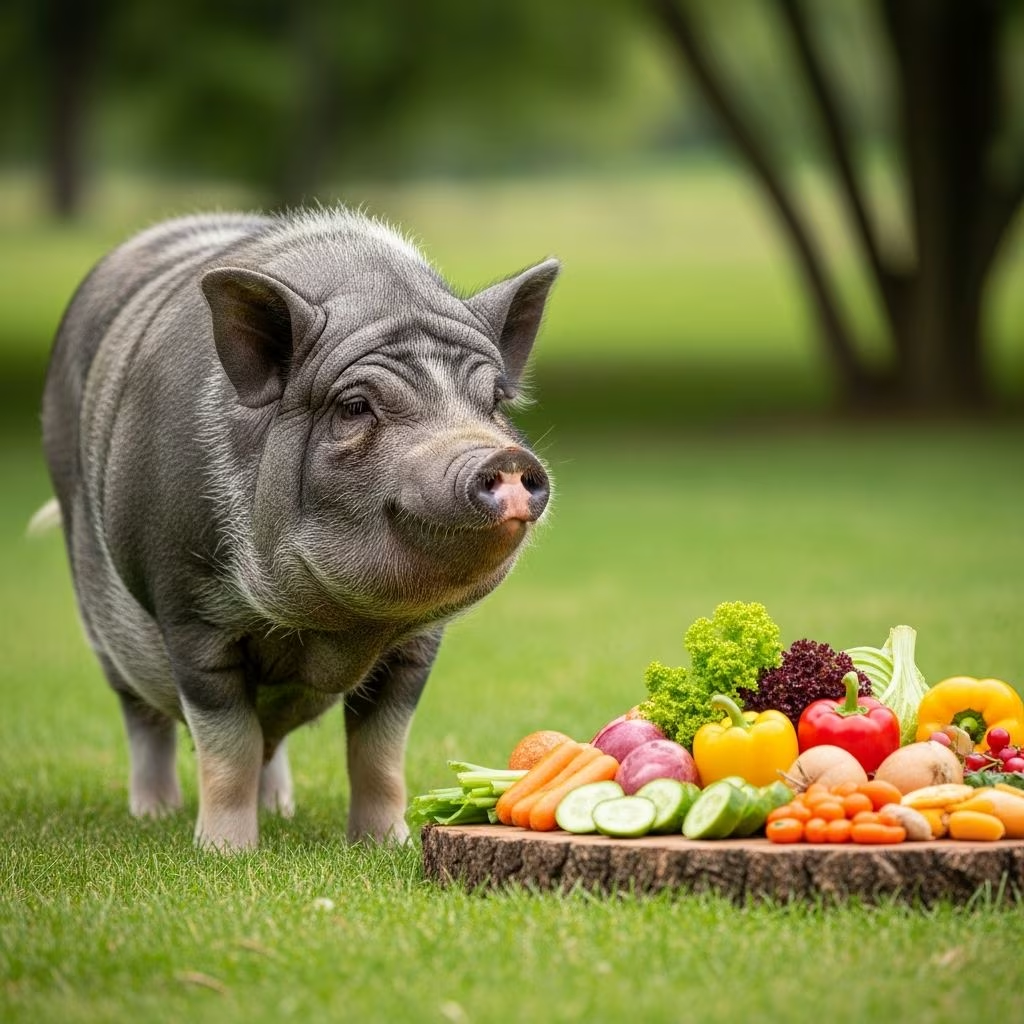
Understanding Your Potbellied Pig’s Nutritional Needs
Potbellied pigs are omnivores with diverse dietary requirements that differ significantly from farm hogs. In their natural habitat, these intelligent animals forage for roots, vegetables, nuts, seeds, berries, worms, insects, raw eggs, and other small creatures. While replicating their wild diet isn’t practical for pet owners, understanding their nutritional needs is essential for maintaining a healthy, happy companion.
The key to successful potbellied pig nutrition lies in providing a balanced, vegetarian diet that mirrors their natural foraging behavior while meeting their specific caloric and nutritional requirements. Unlike farm hogs that are bred to gain weight rapidly, potbellied pigs are naturally efficient at utilizing calories, making them “easy keepers” that require careful portion control and thoughtful meal planning.
Optimal Feeding Schedule and Portions
Establishing a consistent feeding routine is crucial for your potbellied pig’s health and digestive system. The ideal feeding schedule consists of two larger meals per day—breakfast and dinner—supplemented with healthy snacks throughout the day. This approach prevents hunger-related behavioral issues while supporting proper digestion.
A standard meal for a potbellied pig should include three key components:
– A head of cut-up romaine lettuce- One cup of fresh or frozen vegetables- 3/4 to 1 cup of miniature or potbellied pig pellets (such as Mazuri brand)
The exact portion of pellets depends on your individual pig’s age, weight, and snack intake throughout the day. It’s important to adjust portions based on your pig’s body condition and consult with a veterinarian experienced in pig care for personalized recommendations.
Recommended Foods for a Healthy Pig Diet
Vegetable Selections
Vegetables form the foundation of a nutritious potbellied pig diet, providing essential vitamins, minerals, and fiber. Variety is key to ensuring your pig receives diverse nutrients while maintaining interest in their meals. Safe vegetables for potbellied pigs include:
– Broccoli (in moderation)- Cauliflower (in moderation)- Lima beans- Green beans- Sweet potatoes- Corn- Peas- Edamame- Bell peppers- Zucchini
While broccoli and cauliflower are nutritious options, they should be offered sparingly as they can cause bloating and gas in some pigs. Rotating between different vegetables not only provides nutritional balance but also keeps your pig engaged and prevents dietary boredom.
Protein Sources and Supplements
Incorporating eggs into your pig’s diet two or three times weekly provides excellent protein and nutrients. Eggs can be offered cooked or raw, depending on your preference and your pig’s individual tolerance. This occasional protein supplement contributes to muscle maintenance and overall health.
Hay and Fiber
Timothy hay serves a dual purpose in potbellied pig care—it functions as both bedding material and a nutritious snack. Unlike alfalfa or legume hay, timothy hay has the appropriate caloric content for potbellied pigs and won’t contribute excessive nutrients. Pigs should have 24-hour access to unlimited timothy hay, which supports their natural rooting instincts and provides continuous roughage for digestive health.
Healthy Treats and Snacks
Treats should be offered judiciously to prevent weight gain. Dehydrated or dried fruits and unsalted nuts make excellent occasional snacks. Unsalted almonds are particularly popular with potbellied pigs and can be scattered throughout the enclosure to encourage natural foraging behavior, extending mealtime and satisfying their rooting instincts. When offering nuts and dried fruit, remember that these are calorie-dense foods and should represent only a small portion of daily intake.
Temperature Considerations for Feeding
Potbellied pigs, native to humid tropical climates, benefit from temperature-appropriate meal preparation. During winter months, slightly warming vegetables and lettuce prevents your pig from consuming cold food in cold weather, improving palatability and comfort. In hot climates during summer, offering cold lettuce and slightly frozen vegetables can be refreshing and appetizing for your pig.
Foods and Plants Toxic to Potbellied Pigs
Understanding which foods and plants are toxic to potbellied pigs is critical for their safety. These animals require careful dietary management unlike farm hogs, which are often fed diverse foods to maximize growth. Never feed your potbellied pig the following toxic substances:
– Chocolate- Alcohol- Avocados- Ivy and various toxic plants
Beyond these obvious toxins, several common foods should be avoided or limited due to potential health consequences.
Foods to Avoid
Farm or Swine Feed
When purchasing pellets at feed stores, always select pellets specifically formulated for potbellied or miniature pigs. Standard hog or swine feed is formulated to encourage maximum weight gain in minimal time—completely inappropriate for pet pigs who are not being raised for slaughter. This fundamental difference in formulation can lead to excessive weight gain and related health issues.
Dog and Cat Foods
Pet foods designed for dogs and cats contain protein levels far too high for potbellied pigs. These formulations are optimized for carnivorous species with different nutritional requirements, making them unsuitable and potentially harmful for omnivorous pigs.
Processed Human Foods
Cereals, crackers, and other processed foods common in human diets pose multiple problems for potbellied pigs. These foods often contain excessive sodium and sugar while potentially causing dental issues. The artificial ingredients and high sodium content are particularly dangerous for pigs’ health.
Excessive Citrus
While small amounts of citrus are tolerable, excessive citrus consumption should be avoided, particularly in male potbellied pigs. High vitamin C intake can precipitate bladder stones, a painful condition requiring veterinary intervention. Limit citrus fruits significantly or offer them only as very occasional treats.
Managing Obesity in Potbellied Pigs
Obesity represents a significant health concern in pet potbellied pigs, often resulting from well-intentioned overfeeding or inappropriate food choices. The first step in helping an obese pig return to a healthy weight involves transitioning to vegetable-based salad meals. Romaine lettuce provides superior nutritional content compared to iceberg lettuce and should form the foundation of weight-loss diets.
Transitioning to Healthier Eating Habits
Pigs accustomed to “junk food” may initially resist salad-based meals. To encourage acceptance, try these helpful strategies:
– Mince lettuce into very small pieces for easier consumption- Coat salads with canned pumpkin for flavor and nutrition- Add small amounts of unsalted peanut butter for palatability- Mix in applesauce for sweetness- Include small amounts of plain yogurt for creaminess
Use these coatings sparingly—just enough to make the salad more appealing. After approximately one week of consistent feeding, gradually reduce the coating amount. By the second week, attempt removing the coating entirely to assess whether your pig will maintain interest in the salad alone. This gradual transition supports long-term dietary success.
Hydration and Water Management
Fresh water should always be available to your potbellied pig. Adequate hydration is particularly important for male potbellied pigs, as insufficient water intake can lead to urinary crystal formation and potentially life-threatening blockages requiring emergency surgery. If you notice dark-colored urine or straining during urination, encourage increased water consumption. Adding a small amount of juice to water can entice reluctant drinkers, though this should be done judiciously to avoid excessive sugar intake.
Enrichment Through Feeding Practices
Beyond nutrition, feeding practices offer opportunities for mental and physical enrichment. Pigs are highly intelligent animals with strong foraging instincts that should be regularly engaged. Rather than simply placing food in bowls, consider these enrichment strategies:
– Hide food throughout the enclosure or yard to encourage natural rooting behavior- Scatter pellets and treats to extend mealtime and provide mental stimulation- Hang small troughs along fencing with varied portions to encourage exploration- Use food puzzle feeders (including dog puzzle toys adapted for pigs) to require problem-solving- Mix almonds with pellets and distribute throughout the enclosure for foraging engagement
These practices satisfy pigs’ innate behavioral drives while supporting their physical and mental health.
Veterinary Guidance and Individual Considerations
Every potbellied pig has unique nutritional needs based on age, weight, activity level, and individual health considerations. Finding a veterinarian with specific experience in pig care is essential. These specialists can provide personalized dietary recommendations, monitor your pig’s weight and health status, and address any emerging nutritional concerns before they become serious problems.
Frequently Asked Questions About Potbellied Pig Nutrition
Q: How often should I feed my potbellied pig?
A: Potbellied pigs should be fed two substantial meals daily—typically breakfast and dinner—supplemented with healthy snacks throughout the day. This schedule supports digestive health and prevents hunger-related behavioral issues.
Q: Can potbellied pigs eat fruit?
A: Yes, but fruit should be offered sparingly due to high sugar content. Dried or dehydrated fruit works well as occasional treats, but shouldn’t comprise a significant portion of daily intake.
Q: What brand of pellets should I use?
A: Mazuri Mini Pig pellets are a recommended option specifically formulated for miniature and potbellied pigs. Always select pellets designed for potbellied pigs rather than farm hogs or generic pet foods.
Q: Is alfalfa hay safe for potbellied pigs?
A: No, alfalfa hay should be avoided. It contains excessive nutrients and calories inappropriate for potbellied pigs and can cause crystal formation in male pigs’ urine, potentially leading to serious blockages.
Q: How can I help my overweight pig lose weight?
A: Transition gradually to romaine lettuce-based meals coated with appetizing foods like pumpkin or applesauce, then slowly reduce the coating over two weeks. Combine dietary changes with increased exercise and mental stimulation.
Q: What should I do if my male pig isn’t drinking enough water?
A: Add a small amount of juice to encourage water consumption. Monitor urine color and urination patterns; dark urine or straining indicates dehydration requiring veterinary attention, as male pigs can develop dangerous urinary blockages.
References
- What to Feed a Potbellied Pig — Best Friends Animal Society. 2025. https://bestfriends.org/pet-care-resources/what-feed-potbellied-pig
- A Guide to Potbellied Pigs as Pets — Best Friends Animal Society. 2025. https://bestfriends.org/pet-care-resources/guide-potbellied-pigs-pets
- Pet Pigs Care Guide — Catherine Love, DVM. 2024. https://arborviewah.com/pet-care-resources/pig-care-guide



