

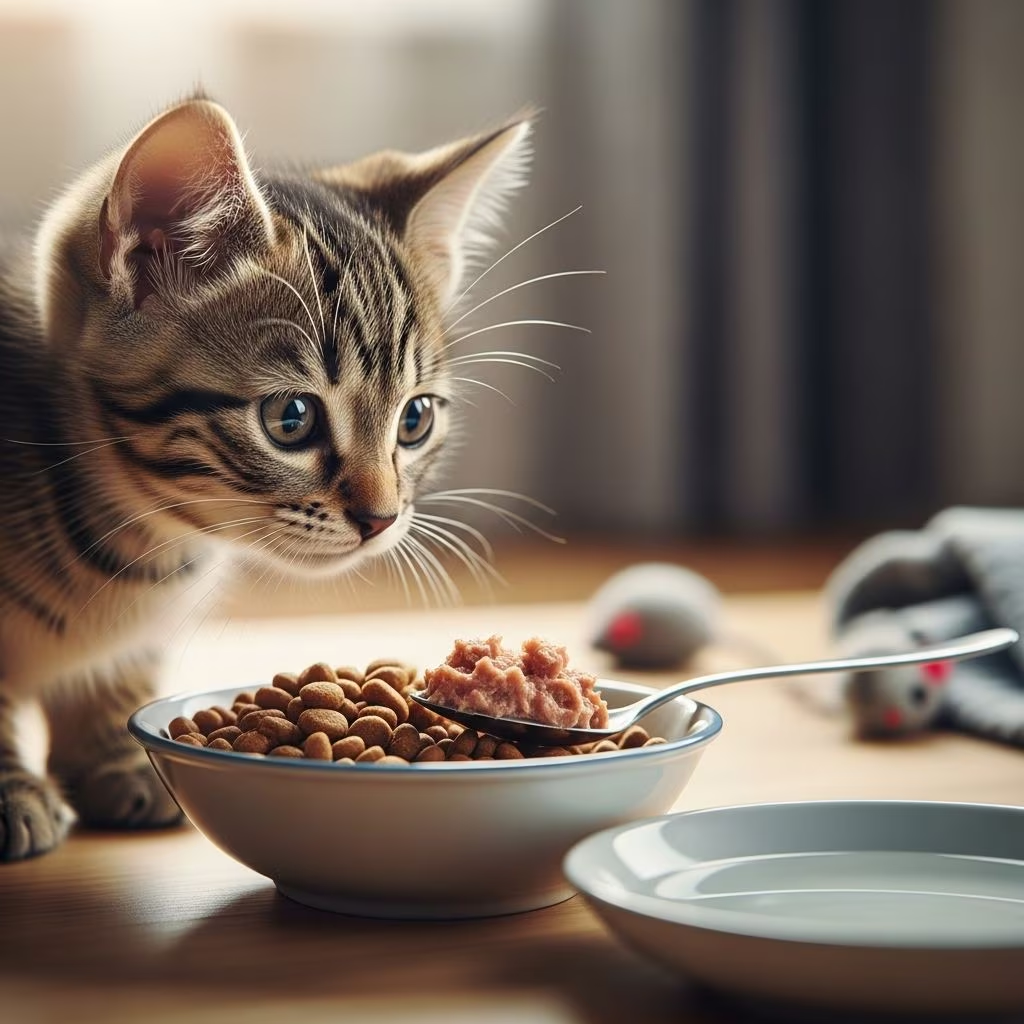
Feeding your kitten properly during their first year of life is one of the most important responsibilities of cat ownership. Kittens have vastly different nutritional needs compared to adult cats, requiring more protein, calories, and essential vitamins and minerals to support rapid growth and development. Understanding what to feed your kitten at each stage ensures they develop into healthy, strong adult cats.
A good rule of thumb for kitten growth is that they should gain approximately one pound per month. A kitten often weighs around one pound at one month, two pounds at two months, and continues this growth pattern through their first year. Proper nutrition directly supports this healthy development and sets the foundation for a long, healthy life.
Understanding Kitten Nutritional Needs
Kittens have different nutritional requirements than adult cats. Their developing bodies require higher levels of protein—at least 26 percent protein is recommended, though more is optimal, especially for young kittens. Additionally, kittens need specific vitamins and minerals including taurine, calcium, phosphorus, and various other micronutrients that support bone development, immune function, and overall growth.
The key is selecting food that is specifically formulated for kittens rather than adult cats. Kitten formulas contain the appropriate calorie density and nutrient ratios necessary for your young feline’s developmental needs. Always look for foods approved by the Association of American Feed Control Officials (AAFCO) to ensure they meet established nutritional standards.
Feeding Newborn Kittens (Birth to 4 Weeks)
Newborn kittens should ideally remain with their mother for nursing. Mother’s milk provides essential nutrients, antibodies, and bonding that formula cannot completely replicate. However, if the mother is unavailable or unable to nurse, you’ll need to bottle feed using a kitten milk replacement formula.
Bottle Feeding Guidelines:
- Use a quality kitten milk replacer such as PetAg’s KMR or Breeder’s Edge Foster Care Feline Milk Replacer
- Mix according to package instructions, typically two parts water to one part formula powder
- Warm the formula before feeding to body temperature
- Prepare fresh formula daily and label with date and time; most mixed formula remains good for 24 hours in the refrigerator
| Age | Weight | Amount per Feeding | Feeding Schedule |
|---|---|---|---|
| 0–1 week | 50–150 grams | 2–6 milliliters | Every 1–2 hours |
| 1–2 weeks | 150–250 grams | 6–10 milliliters | Every 2–3 hours |
During these early weeks, kittens require frequent feedings around the clock, including nighttime feedings. Consistency and patience are essential, as bottle feeding demands significant time commitment.
Feeding Kittens at 4 to 5 Weeks
At four to five weeks, kittens begin the weaning process, though they still rely heavily on mother’s milk or formula. This is an excellent time to introduce them to solid food gradually.
Feeding at this stage includes:
- Mix of mother’s milk or formula with wet kitten food
- Approximately 18 to 22 milliliters of formula per feeding
- Feedings every 6 to 8 hours
- Introduction of wet kitten food mixed with warm water to create a gruel consistency
Begin by offering small amounts of food on your finger or a spoon. Mix the wet kitten food with their milk formula in a saucer to create a slurry that’s easy for them to consume. The soft, warm food encourages eating and makes the transition from nursing more appealing. If your kitten shows interest, gradually increase the ratio of solid food to formula over 1–2 days.
Feeding Kittens at 6 to 8 Weeks (Weaning Period)
The 6 to 8-week period represents the primary weaning stage when kittens transition more substantially to solid food while still nursing or bottle feeding. During this time, you can offer lots of wet food and begin introducing dry kibble.
Feeding recommendations for this age:
- Weight range: 1.8 to 2.6 pounds
- Dry food: 1/4 to 1/3 cup daily
- Wet food gruel: Up to 5 ounces per day or 1½ pouches
- Feeding frequency: Every 6 hours (approximately four meals daily)
At this stage, offer high-quality, complete wet kitten food approved by AAFCO. Purchasing from reputable companies is preferable to cheaper brands, as quality ingredients better support development. The food should be soft and warm to encourage eating.
To create a gruel, mix wet kitten food with water using a blender or fork. Warm the mixture in your microwave in 5-second increments or add warm water and stir. Always verify the temperature is appropriate—not too hot—before serving. You may need to begin the weaning process by allowing the kitten to lick the wet food mixture from your finger, gradually progressing to offering it in a shallow saucer.
Feeding Kittens at 8 Weeks to 5 Months
As kittens mature beyond 8 weeks, they can handle increasing amounts of solid food and can begin consuming both wet and dry food combinations. This is a critical growth period requiring frequent, nutrient-dense meals.
Feeding guidelines for this age range:
- Weight range: 1.5 to 5.75 pounds
- Dry food: 1/3 to 1 cup daily
- Wet food: 3 to 5 servings of 3-ounce portions
- Feeding frequency: Every 6 to 8 hours
Very young kittens should be offered at least some wet food in their diet, as their small teeth cannot chew dry food as effectively as they will as adults. Dry kibble should remain softened with warm water or milk replacer during this period. Gradually reduce the softening liquid as your kitten’s teeth and digestive system mature.
Kittens benefit from a diet containing both wet and dry food, as each provides different advantages. Wet food offers higher moisture content for hydration and is easier to consume, while dry food supports dental health and is convenient for feeding.
Feeding Kittens at 6 Months to 1 Year
By six months, kittens have developed significantly and can transition to fewer daily meals while increasing portion sizes. They’re approaching their adult size, though they continue rapid growth through one year of age.
Feeding guidelines for this period:
- Weight range: 5.75 to 12 pounds
- Dry food: 2/3 to 1¼ cups daily
- Wet food: 1/4 can to 1/2 can per pound of body weight
- Feeding frequency: At least two meals daily
At this stage, you can transition to a schedule similar to adult feeding, though kittens still benefit from twice-daily meals rather than once daily. Offering water at all times alongside their food is essential to maintain proper hydration.
Feeding Methods for Kittens
There are three primary methods for feeding kittens, each with distinct advantages depending on your lifestyle and your kitten’s needs.
Free-Feeding
The free-feeding method allows kittens access to food at all times. Only dry foods can be fed this way, as canned foods should not be left out at room temperature for extended periods due to bacterial growth and insect attraction.
Advantages of free-feeding:
- Kittens can eat multiple smaller meals throughout the day on their own schedule
- Convenient for owners with unpredictable schedules
- Accommodates kittens’ natural preference for frequent small meals
The key to successful free-feeding is placing the correct amount of dry food your kitten requires for the day in the bowl, preventing overfeeding while allowing self-directed meal timing.
Meal Feeding
Meal feeding involves providing food to your kitten at specific times throughout the day, similar to human eating patterns. Both wet and dry foods can be fed using this method.
Advantages of meal feeding:
- Close monitoring of your kitten’s food intake
- Early detection of appetite changes that may indicate illness
- Better portion control and prevention of overfeeding
- Structured routine that many kittens thrive with
Combination Feeding
Combination feeding merges the previous two methods, offering both the flexibility of free-feeding and the monitoring benefits of meal feeding. Serve wet food as meals twice daily while allowing free access to properly portioned dry food throughout the day.
Advantages of combination feeding:
- Kittens can eat dry food meals whenever they choose
- Owner can monitor appetite through wet food consumption
- Provides benefits of both canned and dry food types
- Balances flexibility with appetite monitoring
Switching Kitten Foods
Kittens, like adult cats, can be picky eaters and sometimes finicky about food changes. If you need to switch wet kitten food brands or types, do so gradually to prevent digestive upset.
Steps for switching kitten food:
- Day 1-2: Mix 75% old food with 25% new food
- Day 3-4: Mix 50% old food with 50% new food
- Day 5-6: Mix 25% old food with 75% new food
- Day 7: Offer 100% new food
This gradual transition over approximately one week allows your kitten’s digestive system to acclimate to the new food without causing an upset stomach.
Foods to Avoid Feeding Kittens
Several foods and substances are dangerous for kittens and should never be offered:
- Cow’s milk: Causes diarrhea as many cats become lactose intolerant with age
- Raw eggs: Risk of Salmonella contamination
- Raw meat: Contains bacteria and parasites that can cause illness
- Raw fish: Can lead to vitamin B1 deficiency
- Excessive treats: Feed less than 10% of your kitten’s daily calorie intake as treats
Always consult your veterinarian before introducing new foods, and stick to kitten-specific, high-quality formulations to ensure optimal nutrition and safety.
Frequently Asked Questions
Q: What’s the best kitten food brand?
A: Look for AAFCO-approved foods from reputable companies. Quality matters more than brand prestige. Your veterinarian can recommend brands that meet your kitten’s specific nutritional needs and any dietary sensitivities.
Q: How do I know if my kitten is eating enough?
A: Monitor your kitten’s weight and growth—they should gain approximately one pound per month. Watch for energy levels, coat quality, and regular bowel movements. Your vet can assess if portions are appropriate during wellness checks.
Q: Can I feed my kitten human food?
A: Most human foods are inappropriate for kittens. Stick to kitten-formulated foods. Some plain, cooked vegetables may be offered occasionally, but avoid foods toxic to cats like garlic, onions, chocolate, and grapes.
Q: When should I switch from kitten food to adult cat food?
A: Most kittens can transition to adult food around one year of age. However, some larger breed kittens may benefit from extended kitten nutrition. Discuss the transition timeline with your veterinarian.
Q: Is wet food or dry food better for kittens?
A: Both have benefits. Wet food offers moisture and is easier for young kittens to eat, while dry food supports dental health. A combination approach provides optimal nutrition, especially during the growth phase.
Q: How much water should my kitten drink?
A: Always provide fresh, clean water alongside meals. Kittens eating wet food receive additional moisture from their food, which reduces drinking needs. Monitor water intake and ensure your kitten has constant access to fresh water.
References
- How Much Should You Feed a Kitten? Vet-Approved Chart — Catster. 2024. https://www.catster.com/nutrition/how-much-to-feed-kittens/
- What to Feed a Kitten: Vet-Verified Guide For Each Stage — Catster. 2024. https://www.catster.com/cat-health-care/what-to-feed-kittens/
- Weaning Kittens: Vet-Reviewed Guide for How & When to Do It — Catster. 2024. https://www.catster.com/cat-health-care/weaning-kittens-how-and-when/
- Nutrition For Kittens: Complete Vet-Approved Guide — Catster. 2024. https://www.catster.com/nutrition/kitten-nutrition/
- How to Bottle Feed a Kitten: Vet-Approved Tips & Feeding Chart — Catster. 2024. https://www.catster.com/cat-health-care/how-to-bottle-feed-a-kitten/
- All About Kitten Nutrition — Cat Writers’ Association. https://catwriters.com/wp-content/uploads/wpforms/10412-b834382443defac77398543e515d8acc/A1HealthKittenNutrtition-Arden-Moore-58f27ee7309a416a9249de519e88c896.pdf



