

What to Feed a Dog With Diarrhea
Diarrhea is one of the most common digestive issues dog owners encounter. When your beloved canine companion experiences loose stools or frequent bowel movements, it can be concerning and messy. However, with the right dietary approach and care, most cases of dog diarrhea can be managed effectively at home. Feeding the correct foods during this period is crucial for helping your dog’s digestive system heal and return to normal function.
Understanding Diarrhea in Dogs
Dog diarrhea can result from various causes, including dietary indiscretion (eating something they shouldn’t), food allergies, intestinal parasites, infections, or underlying health conditions. The good news is that for mild cases where your dog is not vomiting or showing other serious symptoms, dietary management combined with rest can work wonders. Most veterinarians recommend a systematic approach that begins with allowing the digestive system time to recover before gradually reintroducing normal foods.
The Importance of a Bland Diet
A bland diet is the cornerstone of treating dog diarrhea at home. This type of diet is specifically designed to be easy on the digestive system, allowing it to heal without additional stress. Bland diets are low in fiber, which helps slow stool production and gives the digestive system an opportunity to reset. The simplicity of bland foods means there are fewer ingredients to irritate the stomach and intestines, making recovery more likely.
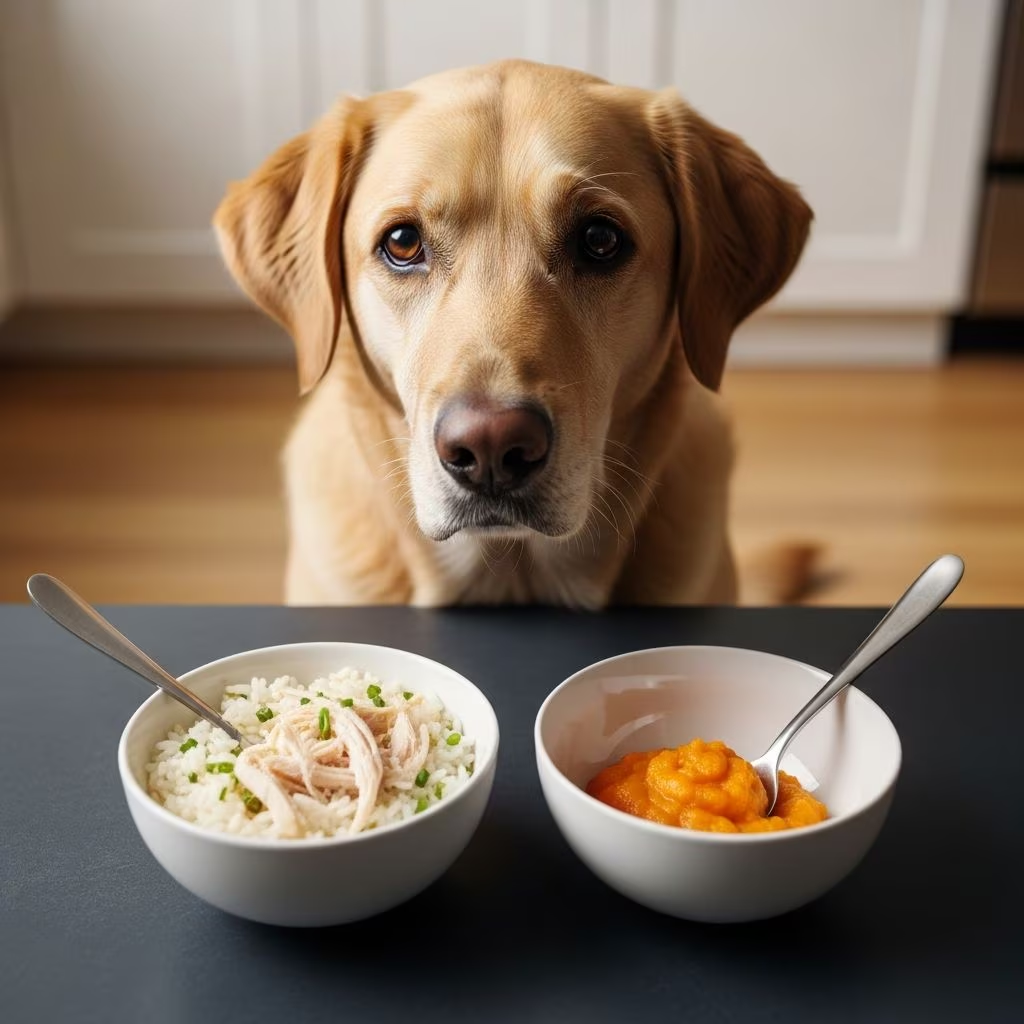
The beauty of a bland diet is that it contains foods dogs can easily process. Chicken is the most digestible of all meat proteins, which is why it’s the primary recommendation in bland diet protocols. When combined with plain white rice, this simple mixture provides both protein and carbohydrates while being gentle enough for a compromised digestive system.
Preparing the Ideal Bland Diet
Creating a bland diet for your dog at home is straightforward and requires minimal ingredients. Here’s what you need to know about preparation:
Ingredients and Proportions
The basic bland diet formula consists of equal parts boiled meat and rice. The ideal ratio is 1:1—for example, one cup of boiled chicken to one cup of cooked rice. This balance ensures your dog receives adequate protein and carbohydrates without overwhelming their system.
Recommended protein sources include:
– Boiled white meat chicken (skinless and boneless)- Boiled lean hamburger (ground beef)- Scrambled eggs
Always boil the meat to remove as much fat as possible. Fat can be difficult for a sensitive digestive system to process and may worsen diarrhea. Never add seasonings, salt, garlic, onions, or any other flavorings—keep it plain.
Portion Sizes and Feeding Schedule
Begin by offering very small amounts, typically just two tablespoons of the mixture per ten pounds of body weight. This cautious approach allows you to gauge whether your dog can tolerate food and keep it down. It’s far better to offer too little initially than too much, as a small meal is easier for the digestive system to process.
During the first day of the bland diet, offer these small portions every two to three hours rather than one large meal. Frequent, small meals are gentler on the recovering digestive system than larger portions eaten less frequently. This feeding schedule continues for approximately 24 hours or until your dog shows signs of improvement.
The Recovery Timeline
Successfully managing dog diarrhea involves a gradual transition over several days. Understanding this timeline helps you know what to expect and when to expect improvements:
Days One Through Two: Initial Bland Diet
After any recommended fasting period (typically 24 hours), begin the bland diet with very small portions every two to three hours. Most dogs tolerate this well, and you should observe their response carefully. If your dog keeps the food down and shows no signs of additional diarrhea, you’re on the right track.
Days Three Through Five: Gradual Increase and Reintroduction
Over the next three days, gradually increase the portion size while decreasing meal frequency. By day three, you should see marked improvement in your dog’s stool consistency. This is when you can begin blending in small amounts of your dog’s regular food alongside the bland diet.
Start by mixing about 75% bland diet with 25% regular food. Gradually increase the proportion of regular food over the next couple of days. This slow transition helps prevent triggering a relapse of diarrhea.
Days Five Through Seven: Full Transition
By day five or six, you can continue to increase the ratio of regular food to bland diet. Most dogs transition back to their normal diet completely by day seven without experiencing setbacks. However, every dog is different, so follow your veterinarian’s specific guidance regarding transition timing.
The Role of Fasting
Some veterinarians recommend a short fasting period before introducing the bland diet. Withholding food for 24 hours gives the digestive system an opportunity to rest and reset. However, this is not always necessary for all dogs. If your dog is not vomiting and is maintaining hydration, feeding small amounts of bland food immediately may be more appropriate.
Fasting is typically recommended for adult dogs with acute, non-chronic diarrhea. For puppies, senior dogs, or those with underlying health conditions, consult your veterinarian before implementing a fasting period, as going without food can be risky for these populations.
Hydration: Essential During Recovery
While dietary management is crucial, maintaining proper hydration is equally important during diarrhea episodes. Diarrhea causes fluid loss that can lead to dehydration and electrolyte imbalances. Ensure your dog always has access to fresh, clean water. Some dogs prefer running water, so a dog water fountain may encourage increased drinking. Monitor your dog’s water intake and consult your veterinarian if you notice signs of dehydration such as lethargy, dry gums, or excessive panting.
Probiotics and Digestive Support
Probiotics are beneficial microorganisms that support healthy gut function and digestion. Adding probiotics to your dog’s diet during diarrhea recovery can help restore the balance of good bacteria in their intestines and promote more formed stools. Many veterinarians recommend probiotic supplements specifically formulated for dogs, such as Purina Pro Plan Veterinary Diets FortiFlora or Nutramax Proviable-DC Capsules.
Fiber additives like canned pumpkin can also be beneficial. Pumpkin is known for its ability to help regulate both diarrhea and constipation due to its soluble fiber content. A tablespoon or two mixed into their bland diet can support digestive health. Other soluble fiber sources include beet pulp, chicory root, oats, and sweet potatoes.
Prescription Veterinary Diets
While homemade bland diets are effective for short-term management, they’re not nutritionally complete for long-term feeding. If your dog’s diarrhea persists beyond a few days, becomes chronic, or if your veterinarian suspects an underlying condition, prescription gastrointestinal diets may be recommended.
Common prescription options include Hill’s Prescription Diet i/d (Intestinal Diet), Purina EN (Gastroenteric Nutrition), and Royal Canin Gastrointestinal Low Fat formulas. These specially formulated foods are designed to be gentle on the digestive system while providing complete and balanced nutrition. Your veterinarian will determine which prescription diet is most appropriate for your dog’s specific situation.
When to Contact Your Veterinarian
While mild diarrhea often resolves with dietary management, certain situations require immediate veterinary attention. Contact your vet if:
– Your dog vomits in addition to having diarrhea- Diarrhea persists beyond five to seven days- Your dog shows signs of lethargy or depression- There is blood in the stool- Your dog appears to be in pain- Your puppy, senior dog, or dog with a pre-existing health condition develops diarrhea- Your dog refuses to eat or seems unwell
These symptoms may indicate a more serious condition requiring professional diagnosis and treatment.
Dietary Considerations for Different Life Stages
Senior Dogs with Diarrhea
Older dogs often have more sensitive digestive systems and may benefit from bland diets consisting of boiled chicken breasts and plain white rice. For senior dogs with consistently sensitive stomachs, prescription diets specifically formulated for digestive care may be beneficial long-term. Always consult your veterinarian before making dietary changes for senior pets.
Puppies with Diarrhea
Puppies have developing digestive systems and should never be fasted without veterinary guidance. If your puppy has diarrhea, contact your vet immediately, as dehydration can be particularly dangerous for young dogs. Your veterinarian may recommend a bland diet with probiotics or prescription puppy food formulated for sensitive digestion.
Foods to Avoid During Diarrhea Recovery
While your dog recovers from diarrhea, certain foods should be strictly avoided:
– High-fat foods and fatty cuts of meat- Spicy or heavily seasoned foods- Dairy products (many dogs are lactose intolerant)- Foods containing artificial ingredients or additives- Treats and table scraps- Grain-free foods (unless specifically recommended by your vet)- Any foods your dog has previously shown sensitivity to
The Bland Diet Advantage
The reason bland diets work so well for dog diarrhea is their simplicity and digestibility. There’s nothing in a plain chicken and rice diet to aggravate the digestive tract. The limited ingredient list reduces the chance of triggering additional digestive upset. Additionally, the low-fat preparation ensures the digestive system doesn’t have to work overtime processing difficult-to-digest fats.
Transitioning Back to Normal Food
Once your dog’s diarrhea has resolved and stool consistency has returned to normal, a gradual transition back to regular food is essential. Rushing this process is a common cause of diarrhea relapse. Mix the bland diet with regular food for four to five days, gradually increasing the proportion of regular food each day. By the end of this transition period, your dog should be fully back on their normal diet without issues.
Long-Term Management for Chronic Diarrhea
If your dog experiences recurring or chronic diarrhea, work with your veterinarian to identify the underlying cause. This may involve testing for parasites, food allergies, or other health conditions. Long-term solutions may include switching to a limited-ingredient diet, prescription gastrointestinal food, or adding probiotics permanently to their meals. A food containing digestive boosters such as pre- and probiotics can help support stomach health and aid digestion.
Frequently Asked Questions
Q: How long should I feed my dog a bland diet?
A: Typically, continue the bland diet for three to five days after the diarrhea resolves and stools return to normal. However, follow your veterinarian’s specific recommendations, as individual cases vary.
Q: Can I use canned pumpkin for dog diarrhea?
A: Yes, canned pumpkin (not pumpkin pie filling) is an excellent source of soluble fiber that can help regulate digestion. Add one to four tablespoons depending on your dog’s size to their bland diet.
Q: Is it necessary to fast my dog before starting a bland diet?
A: A 24-hour fast can give the digestive system time to rest, but it’s not always necessary. If your dog is not vomiting, you can begin a bland diet immediately. Always consult your vet for puppies, seniors, or dogs with health issues.
Q: What if my dog won’t eat the bland diet?
A: Try warming the food slightly to enhance the aroma, or add a small amount of low-sodium broth. However, if your dog refuses to eat or shows other concerning symptoms, contact your veterinarian.
Q: Can I prevent dog diarrhea?
A: While you can’t always prevent diarrhea, you can reduce the risk by feeding high-quality food, preventing access to table scraps and garbage, maintaining a regular feeding schedule, and keeping your dog up-to-date on vaccinations and parasite prevention.
Q: When should I switch to prescription dog food?
A: If diarrhea persists beyond seven days, recurs frequently, or if your veterinarian suspects an underlying condition, prescription gastrointestinal diets may be recommended for better long-term management.
Q: Are there any supplements that help with dog diarrhea?
A: Probiotics, soluble fiber supplements, and foods containing pre- and probiotics can all support digestive health and help manage diarrhea. Discuss supplement options with your veterinarian.
References
- What To Feed a Dog With Diarrhea — PetMD. 2024. https://www.petmd.com/dog/nutrition/what-to-feed-a-dog-with-diarrhea
- The Ultimate Guide to Dog Food Ingredients — Chewy. 2024. https://www.chewy.com/education/dog/food-and-nutrition/dog-food-ingredients
- Dog Diarrhea 101: Causes, What To Do and More — Chewy. 2024. https://www.chewy.com/education/dog/health-and-wellness/dog-diarrhea
- Old Dog Diarrhea: Causes, Treatment, and More — Chewy. 2024. https://www.chewy.com/education/dog/health-and-wellness/old-dog-diarrhea
- Food to Comfort a Dog With Upset Stomach Symptoms — Chewy. 2024. https://www.chewy.com/education/dog/food-and-nutrition/food-comfort-dog-upset-stomach-symptoms
- Choosing the Best Dog Food for Sensitive Stomach Issues — Chewy. 2024. https://www.chewy.com/education/dog/food-and-nutrition/choosing-the-best-dog-food-for-sensitive-stomach-issues



