

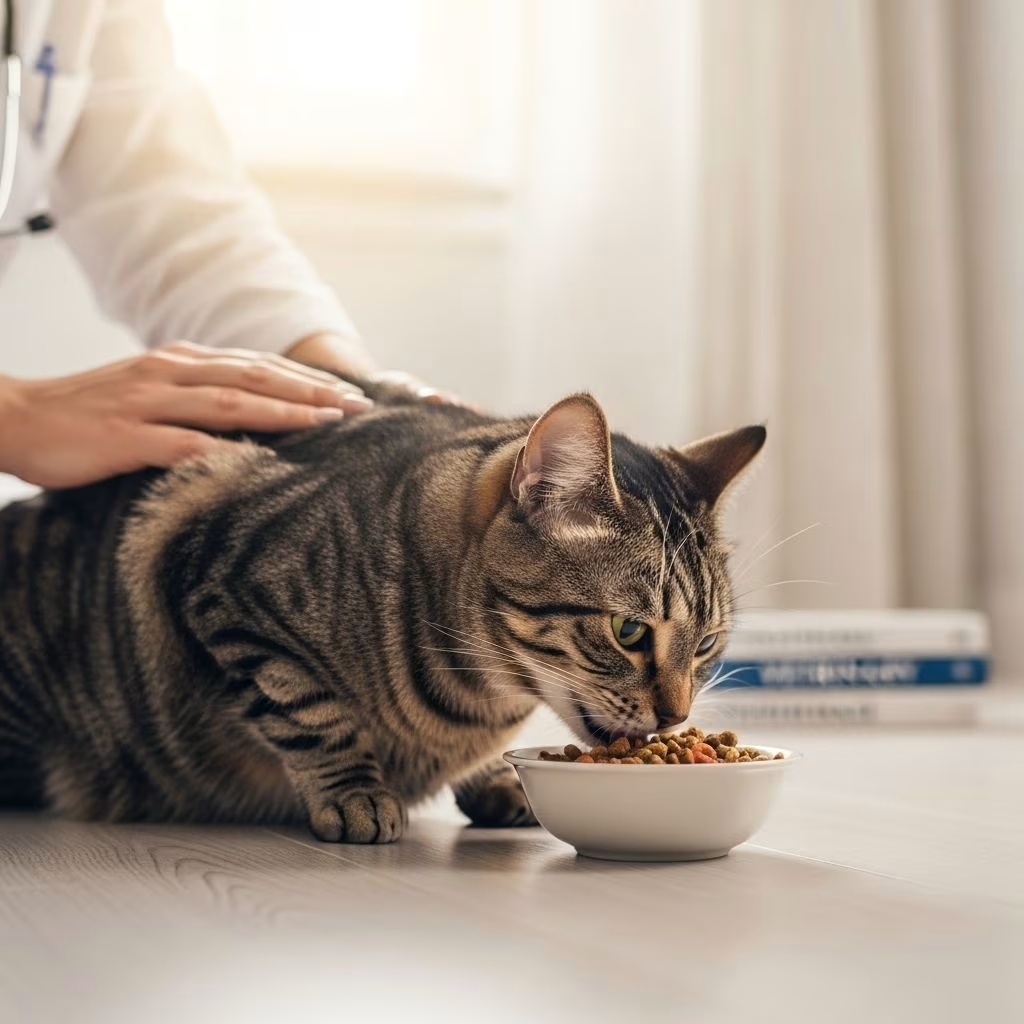
Senior cats often lose weight due to age-related changes, reduced appetite, or health issues, but targeted feeding strategies can help them regain a healthy body condition. This guide covers vet-recommended foods, tips, and precautions to safely support weight gain in elderly felines.
Why Are Older Cats Prone to Weight Loss?
As cats age beyond 11 years, they frequently experience unintentional weight loss from factors like decreased sense of smell and taste, dental problems, or chronic conditions. Maintaining muscle mass and energy levels becomes challenging, impacting their quality of life.
Common Diseases and Illnesses Causing Weight Loss
Several health issues in senior cats contribute to poor appetite and muscle wasting. Key culprits include:
- Inflammatory Bowel Disease (IBD): Causes chronic gastrointestinal inflammation, leading to malabsorption and weight loss.
- Arthritis: Pain reduces mobility and eating enthusiasm.
- Hyperthyroidism: Increases metabolism, burning calories rapidly despite normal or increased eating.
- Chronic Kidney Disease (CKD): Impairs appetite and nutrient processing; affects up to 30-50% of cats over 10 years per veterinary studies.
- Feline Diabetes: Leads to muscle wasting and weight loss even with voracious hunger.
The first step is a veterinary exam to diagnose and treat underlying causes, as diet alone won’t suffice without addressing these.
What Foods Should You Feed an Older Cat?
No universal “senior” standard exists from AAFCO due to varied health needs, so vet guidance is essential. Focus on high-calorie, nutrient-dense foods tailored to your cat’s condition—high protein for muscle support unless kidney issues dictate otherwise.
| Food Type | Benefits for Weight Gain | Considerations |
|---|---|---|
| High-Calorie Senior Formulas | Concentrated energy, easy digestion, omega fatty acids for coat and joints | Vet-approved; monitor for kidney-safe protein levels |
| Kitten Food (Short-Term) | Higher calories, vitamins, minerals for growth-like needs | Not long-term; use per vet advice to avoid excess phosphorus |
| Wet Food | Hydration boost, stronger aroma, higher moisture for kidney health | Warm slightly to enhance appeal |
| High-Protein Meats (e.g., Chicken, Turkey) | Builds lean muscle; obligate carnivore diet foundation | Lean cuts; limit if CKD present |
Supplements like caloric gels or oils (e.g., fish oil for omega-3s) can add 100+ kcal per teaspoon but require vet approval to prevent imbalances.
5 Vet-Approved Tips to Help Your Senior Cat Gain Weight
Implement these practical strategies alongside appropriate foods for optimal results.
1. Warm Up Wet Food
Cats rely heavily on smell; warming wet food to body temperature (about 100°F) releases aromas, stimulating appetite. Microwave for 10-15 seconds, stir, and test temperature to avoid burns. This simple trick can increase intake by making meals more enticing.
2. Offer Snacks Between Meals
Healthy, protein-rich snacks like bite-sized cooked turkey, chicken, or vet-approved treats add calories without overwhelming the stomach. Limit to 10% of daily intake to avoid nutritional imbalance. Examples:
- Boiled chicken shreds (high protein, low fat)
- Freeze-dried meat treats
- Small amounts of plain pumpkin for fiber
Snacking mimics natural grazing, ideal for picky seniors.
3. Add High-Calorie Supplements
Vet-recommended toppers like nutrical paste, MCT oil, or prescription recovery diets provide dense calories. For instance, 1 tsp of fish oil adds healthy fats supporting joints and skin. Always consult via telehealth if needed—over-supplementation risks diarrhea or vitamin excess.
4. Serve Small Meals Frequently
Senior stomachs shrink and digest slower; switch from 2 large meals to 6-8 small ones every 2-3 hours. This reduces nausea, vomiting risk, and encourages steady intake. Total daily calories: aim for 20-30 kcal per pound of ideal body weight, adjusted by vet.
5. Talk to Your Vet
Professional input is non-negotiable. Vets may prescribe appetite stimulants (e.g., mirtazapine), run bloodwork, or recommend therapeutic diets like those for renal or diabetic support. Regular weigh-ins track progress—aim for 1-2% body weight gain weekly.
Essential Nutrients for Senior Cats Gaining Weight
Build diets around these for balanced gain:
- Protein (30-50%): Preserves muscle; sources like chicken/fish. Diabetic cats need 50%+.
- Healthy Fats (20%+): Omega-3/6 from fish oil for anti-inflammatory benefits.
- Fiber: Aids digestion, prevents constipation; pumpkin or beet pulp.
- Low Carbs: Cats thrive on <10% carbs as obligate carnivores.
- Antioxidants/Prebiotics: Boost immunity and gut health.
Avoid fillers like corn/wheat that spike blood sugar.
Foods to Avoid
Steer clear of:
- High-carb dry foods only (dehydration risk)
- Excess treats (over 10% calories)
- Human foods: onions, garlic, dairy (lactose intolerance)
- Low-quality kibble with by-products
Prioritize hydration with fountains or wet food mixes.
Monitoring Progress and Additional Care
Weigh weekly; adjust calories if no gain in 2 weeks. Combine diet with gentle play for muscle tone, dental checks, and pain management for arthritis. Patience yields results—many seniors regain vitality.
Frequently Asked Questions (FAQs)
Q: How much should a senior cat eat to gain weight?
A: 20-30 kcal/lb ideal weight daily, split into frequent small meals. Vet calculates precisely based on health.
Q: Can I feed kitten food long-term to my old cat?
A: Short-term only for calories; long-term risks high phosphorus for kidneys. Vet approval required.
Q: What if my cat still won’t eat?
A: Seek vet for stimulants, syringing, or hospitalization. Rule out dental disease or nausea.
Q: Are supplements safe for senior cats?
A: Yes, if vet-recommended; e.g., omega oils aid joints without excess.
Q: How fast should weight gain occur?
A: 1-2% weekly; slower prevents hepatic lipidosis.
Final Thoughts
Helping your senior cat gain weight involves vet-tailored nutrition, creative feeding, and love. Address health issues promptly for lasting health. With these tips, your feline can enjoy golden years comfortably.
References
- What to Feed an Old Cat to Gain Weight: 5 Vet-Approved Tips — Catster. 2023. https://www.catster.com/cat-health-care/what-to-feed-an-old-cat-to-gain-weight/
- The Ultimate Guide to Senior Cat Nutrition: Foods to Feed and Avoid — Haw Creek Animal Hospital. 2025-09-18. https://www.hawcreekanimalhospital.com/senior-cat-nutrition-101/
- What to Feed a Diabetic Cat to Gain Weight: Vet-Reviewed Health Tips — Catster. 2023. https://www.catster.com/cat-health-care/what-to-feed-diabetic-cat-to-gain-weight/
- How to Put Weight On a Cat — Hill’s Pet Nutrition. 2023. https://www.hillspet.com/cat-care/healthcare/helping-your-cat-gain-weight
- Nutrition Tips for Senior Cats in Jensen Beach, FL — Olympia Veterinary Hospital. 2025-07-15. https://olympiaveterinaryhospital.com/2025/07/15/nutrition-tips-for-senior-cats-in-jensen-beach-fl/



