

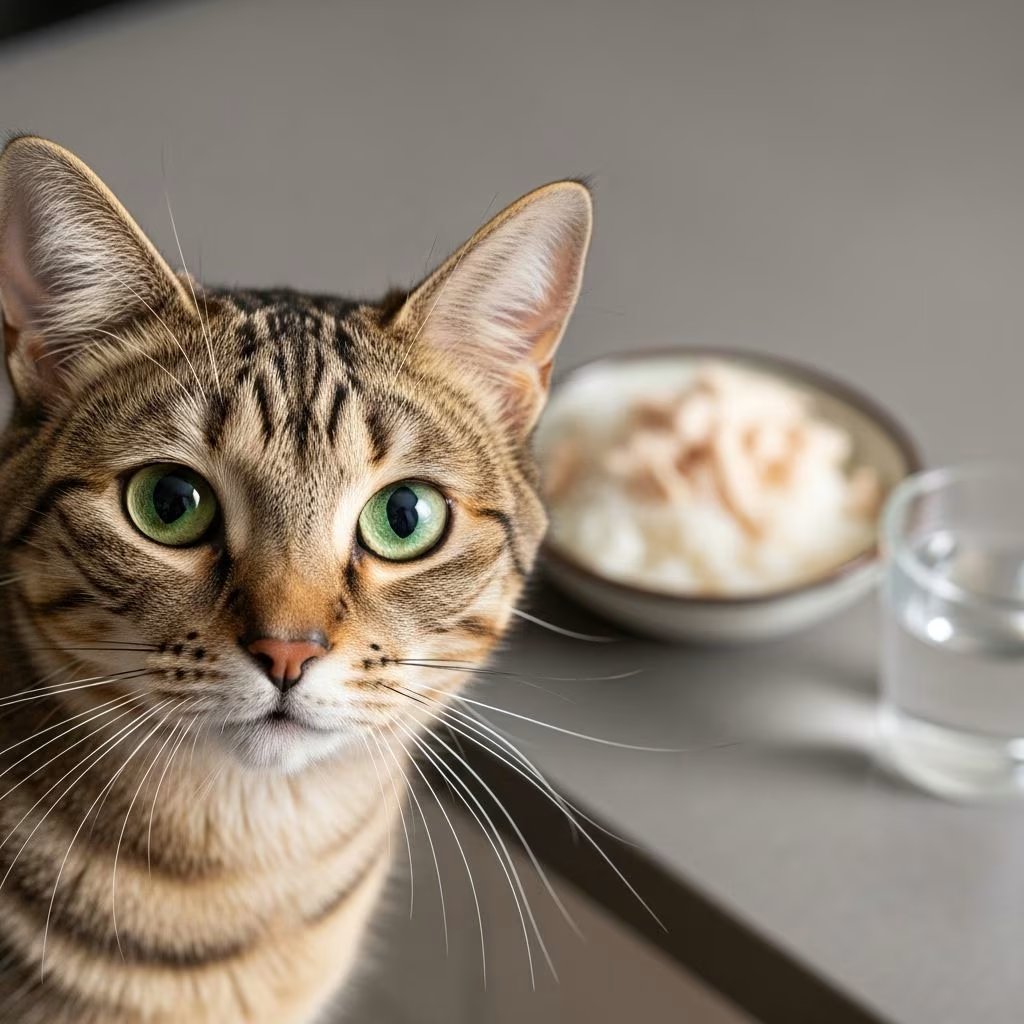
Vomiting in cats is a common issue that can stem from minor digestive upset to serious health conditions. Knowing **what to feed a cat that is throwing up** can aid recovery, but always prioritize veterinary advice for persistent cases. This guide covers causes, safe foods, feeding strategies, and when to seek professional help.
Why Is My Cat Throwing Up?
Cat vomiting, distinct from regurgitation, involves active expulsion of stomach contents and can signal various underlying issues. Acute vomiting is sudden and short-lived, often due to dietary indiscretion, toxins, or infections, while chronic vomiting persists and links to diseases like kidney failure or hyperthyroidism.
Common Causes of Vomiting in Cats
- Dietary Indiscretion: Eating spoiled food, plants, or non-food items irritates the stomach.
- Parasites: Roundworms or hookworms cause irritation, visible as worms in vomit.
- Food Allergies or Intolerances: Sensitivity to proteins triggers repeated episodes.
- Infections: Bacterial, viral (e.g., panleukopenia), or inflammatory conditions like pancreatitis.
- Chronic Diseases: Kidney disease, hyperthyroidism, IBD, cancer, or liver issues lead to ongoing vomiting.
- Hairballs: Grooming-related fur buildup causes occasional vomiting.
- Medications or Toxins: Antibiotics, lilies, or antifreeze provoke acute reactions.
Understanding the cause guides feeding choices; for instance, bland diets suit dietary issues, while chronic cases need prescription foods.
Types of Cat Vomit and What They Mean
The appearance of vomit provides clues:
- Undigested Food: Indicates eating too fast or poisoning.
- Yellow Bile: Suggests empty stomach or IBD/pancreatitis.
- White Foam: Stomach lining inflammation from gastritis.
- Blood: Ulcers, repeated vomiting irritating esophagus, or clotting issues.
- Clear Liquid: Excess water intake or gastric juices.
- Worms: Parasitic infection requiring deworming.
Bloody or frequent vomiting demands immediate vet attention.
What to Feed a Vomiting Cat: Immediate Steps
If your cat vomits once or twice, withhold food for 12-24 hours to rest the stomach, but provide water to prevent dehydration. Gradually reintroduce bland, easy-to-digest foods.
Bland Diet Recommendations
A **bland diet** soothes the GI tract with low-fat, highly digestible ingredients. Avoid milk, as many cats are lactose intolerant.
- Boiled Chicken and Rice: Plain, skinless chicken breast boiled with white rice (50/50 ratio). Start with small amounts: 1-2 tsp every 3-4 hours.
- Turkey or Fish: Lean turkey or white fish (no bones/skin), boiled and shredded.
- Baby Food: Meat-based (chicken/turkey) without onion/garlic additives. 1-2 tbsp per meal.
- Prescription GI Diets: Hill’s i/d, Royal Canin Gastrointestinal, or Blue Buffalo True Solutions Digestive Care—vet-recommended for sensitive stomachs.
Feed small, frequent meals (4-6 daily) to avoid overwhelming the stomach. Transition back to normal food over 3-5 days if vomiting stops.
| Bland Food Option | Portion Size (Initial) | Frequency | Notes |
|---|---|---|---|
| Boiled Chicken + Rice | 1-2 tsp | Every 3-4 hours | Plain, no seasonings; rice absorbs excess acid. |
| Meat Baby Food | 1 tbsp | 3-4 times/day | No onion/garlic; temporary use only. |
| Hill’s Prescription Diet i/d | As per label | Small meals | Vet-approved; complete nutrition. |
| Boiled Turkey | 1 tsp | Every 4 hours | Lean protein; monitor tolerance. |
Long-Term Diets for Cats with Frequent Vomiting
Chronic vomiting requires diagnostic trials with hydrolyzed protein or novel ingredient diets to identify allergies.
- Hydrolyzed Diets: Proteins broken down to prevent immune reactions (e.g., Royal Canin Hydrolyzed Protein).
- Limited Ingredient Diets: Single protein/carbs like duck or venison formulas.
- High-Fiber Diets: Aid hairball control and motility.
- Probiotics: Supplements like FortiFlora restore gut flora.
A 4-8 week diet trial under vet supervision can diagnose food sensitivities if vomiting resolves.
Home Remedies and Supportive Care
Support recovery with these vet-endorsed remedies:
- Hydration: Offer ice cubes or low-sodium chicken broth; subcutaneous fluids if dehydrated.
- Ginger Tea: Diluted, cooled ginger water (1/4 tsp grated ginger in 1 cup water) soothes nausea—small sips only.
- Rest: Keep cat in a quiet, stress-free area.
- Brush Regularly: Reduce hairballs with daily grooming.
Avoid over-the-counter meds like Pepto-Bismol, toxic to cats.
When to Take Your Vomiting Cat to the Vet
Seek immediate care if:
- Vomiting >2-3 times/day or lasts >24 hours.
- Blood, bile, worms, or foul odor in vomit.
- Lethargy, diarrhea, dehydration (tacky gums, skin tenting), weight loss.
- Kitten, senior, or pre-existing conditions.
Vets may use diagnostics (bloodwork, ultrasound, X-rays), antiemetics (maropitant, metoclopramide), IV fluids, or address root causes like deworming.
Preventing Vomiting in Cats
- Feed high-quality, consistent diet; slow feeders prevent gulping.
- Regular deworming/parasite prevention.
- Annual vet check-ups for early disease detection.
- Avoid toxins/plants; elevate food bowls.
- Portion control to avoid obesity-related issues.
Frequently Asked Questions (FAQs)
What is the best thing to feed a cat that is throwing up?
A bland diet like boiled chicken and rice in small, frequent meals is ideal for short-term recovery.
How long can a cat go without eating when vomiting?
Withhold food 12-24 hours but never deny water; reintroduce bland food gradually.
Is it OK if my cat vomits once?
Occasional vomiting is common (hairballs), but monitor; vet if repeats or with other symptoms.
What home remedy can I give my vomiting cat?
Small amounts of ginger tea or broth for hydration; consult vet first.
Can wet food help a vomiting cat?
Hydrating wet GI prescription foods yes, but transition slowly.
Is milk safe for vomiting cats?
No, most cats are lactose intolerant; causes more upset.
References
- Cat Vomiting: Causes, Types, and What to Do — PetMD. 2023. https://www.petmd.com/cat/symptoms/cat-vomiting-causes-and-types
- Is Your Cat Vomiting? A Complete Guide to Causes and Care — Best Friends Animal Society. 2023. https://bestfriends.org/pet-care-resources/cat-throwing-causes-when-see-vet-treatment
- My cat won’t stop vomiting: what to do and when to worry — American Pet Clinic. 2024-05-15. https://www.americanpetclinic.com/site/blog/2024/05/15/cat-wont-stop-vomiting
- Cat Vomiting: Causes and How to Help — Pinnacle Veterinary. 2023. https://pinnacle.vet/blog/cat-vomiting/
- Mechanisms, causes, investigation and management of vomiting in the domestic cat — PMC (PubMed Central). 2024. https://pmc.ncbi.nlm.nih.gov/articles/PMC10816764/
- Cat Vomiting: What to Do and When It Requires Emergency Care — GSVS. 2023. https://gsvs.org/blog/cat-vomiting-emergency-care/



