

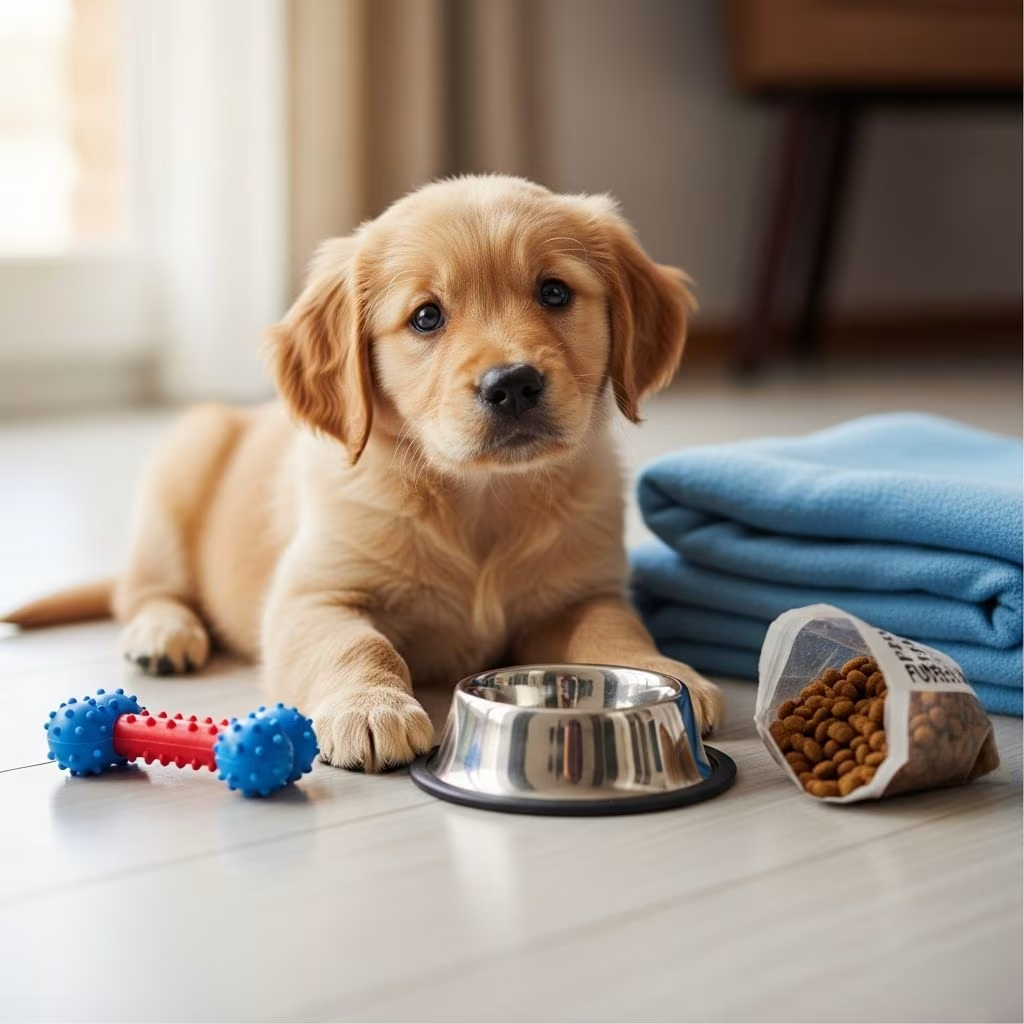
What to Expect With a New Puppy
Bringing a new puppy into your home is an exciting and rewarding experience, but it also comes with significant responsibilities and lifestyle changes. Before you commit to puppy parenthood, it’s essential to understand what you’re getting into. Puppies require substantial time, patience, and dedication during their critical developmental stages. This comprehensive guide will help you prepare for the journey ahead and ensure you’re ready to provide the best possible care for your new furry family member.
Frequent Potty Breaks and House Training
One of the most immediate challenges new puppy owners face is managing frequent potty breaks. Puppies have small bladders and limited control over their bathroom functions, meaning they need to go outside far more often than adult dogs. Understanding this need is crucial for successful house training and preventing accidents throughout your home.
Young puppies typically need to urinate after eating, drinking, playing, and napping. As a general rule, puppies can hold their bladder for approximately one hour per month of age. A three-month-old puppy can hold their bladder for about three hours, while a six-month-old can manage approximately six hours. This means you’ll need to plan your schedule around your puppy’s bathroom needs, especially during the first few months.
Plan for multiple potty breaks throughout the day, including first thing in the morning, after meals, after playtime, before bedtime, and during the night for very young puppies. Some owners need to take their puppies outside every two to three hours during the day. Establishing a consistent routine helps puppies learn when and where they should relieve themselves, which is fundamental to house training success.
Be patient and consistent with your house training efforts. Accidents will happen, and it’s important not to punish your puppy for them. Instead, focus on positive reinforcement by praising and rewarding your puppy immediately after they eliminate outside. If you catch your puppy having an accident indoors, gently interrupt them and take them outside to finish. Clean up accidents thoroughly with enzymatic cleaners to remove odors that might encourage repeat incidents in the same spot.
Constant Attention and Supervision Requirements
Puppies are naturally curious, energetic, and require constant supervision during their waking hours. Unlike adult dogs, puppies don’t have the impulse control or understanding of household rules that comes with maturity. They explore their environment with their mouths, get into everything, and can quickly find themselves in dangerous situations.
Supervision means keeping your puppy in sight at all times, even when they’re playing quietly. Place a bell on your puppy’s collar so you can track their location around the home. This helps you prevent destructive behavior, catch them before they have accidents, and keep them out of harm’s way. Many new puppy owners are surprised by how much attention their puppies demand and how quickly situations can become problematic when a puppy is left unsupervised for even a few minutes.
Beyond direct supervision, you’ll need to puppy-proof your home. Remove potential hazards including electrical cords, toxic plants, small objects that could be choking hazards, and access to medications or cleaning supplies. Puppies will chew on furniture, baseboards, and personal items as they explore and teethe. Providing appropriate chew toys and redirecting unwanted chewing behavior is essential during this phase.
Plan to spend significant quality time with your puppy throughout the day. This includes playtime, training sessions, socialization activities, and simply being present. Puppies need mental stimulation and physical exercise to prevent behavioral problems and promote healthy development. If you work long hours outside the home, you may need to arrange for a dog walker, hire a pet sitter, or use doggy daycare services to ensure your puppy receives adequate attention and potty breaks.
Socialization During Critical Development Periods
Socialization is one of the most important aspects of puppy development. The socialization window—the period during which puppies are most receptive to new experiences—typically occurs between three and fourteen weeks of age. During this critical time, puppies should be exposed to a variety of people, animals, environments, sounds, and experiences to help them develop into confident, well-adjusted adult dogs.
Proper socialization prevents behavioral problems including fear aggression, anxiety, and reactivity later in life. Puppies that are well-socialized tend to be friendlier, more adaptable, and easier to train. They’re more likely to enjoy new situations and handle changes in their environment with calm confidence.
However, socialization must be balanced with disease prevention. Until your puppy has received all their vaccinations at sixteen weeks of age, their immune system is still developing. During this vulnerable period, avoid high-risk environments where unvaccinated dogs congregate, such as dog parks, pet stores, and public areas. Instead, focus on controlled socialization with fully-vaccinated dogs and people. Invite friends and family members to your home to interact with your puppy, introduce them to different surfaces and textures in your yard, and expose them to various sounds and experiences in safe environments.
Watch your puppy’s body language during socialization activities. Signs of fear or stress include tucked tail, pinned-back ears, hiding, or reluctance to approach. Never force your puppy into situations where they appear uncomfortable. Instead, allow them to approach new experiences at their own pace, and provide positive reinforcement and encouragement as they gain confidence. The goal is to help your puppy develop resilience and curiosity, not to overwhelm them.
Basic Training and Teaching Good Behaviors
Basic training should begin as soon as your puppy comes home. Starting early helps establish good habits and prevents behavioral problems from developing. Puppies are capable of learning from a young age, and they actually benefit from consistent, positive training during their first few weeks in their new home.
Focus on teaching essential skills including walking politely on leash, taking treats gently from your hand, responding to their name, and basic commands such as “sit,” “down,” “come,” and “stay.” These foundational behaviors make living with your puppy easier and safer. For example, teaching “come” can prevent dangerous situations, while leash manners make walks more enjoyable for both you and your puppy.
Use positive reinforcement training methods, rewarding desired behaviors immediately with treats, praise, or play. Puppies learn quickly when they understand that good behavior results in positive outcomes. Avoid punishment-based training methods, which can damage your relationship with your puppy and may lead to fear or aggression issues.
Keep training sessions short—five to ten minutes is ideal for young puppies with short attention spans. Practice multiple times throughout the day in different locations to help your puppy generalize their learning. Be patient and celebrate small successes. Some puppies learn quickly while others need more repetition; both are completely normal.
Consider enrolling your puppy in a puppy kindergarten or basic obedience class. These classes provide structured training, socialization opportunities with other puppies, and valuable guidance from experienced trainers. Your veterinarian can recommend reputable training classes in your area.
Feeding and Nutritional Needs
Proper nutrition is fundamental to your puppy’s growth and development. Puppies have different nutritional requirements than adult dogs, needing higher levels of protein, calories, and specific nutrients to support their rapid growth and development.
Choose a high-quality puppy food formulated specifically for puppies rather than adult dog food. Puppy food contains appropriate levels of essential nutrients including protein, fat, calcium, and phosphorus in the correct proportions to support healthy development. Feed your puppy according to the feeding guidelines on the food package, adjusting portions as your puppy grows.
Most puppies do well on three to four meals per day until around six months of age, then can transition to two meals daily. Establishing a consistent feeding schedule helps with house training since puppies typically need to eliminate shortly after eating. Always provide fresh, clean water.
Avoid feeding your puppy table scraps or human food, which can lead to digestive upset and encourage begging behavior. Some human foods are toxic to dogs, including chocolate, grapes, raisins, onions, and xylitol-containing products. If you’re unsure about whether a food is safe for your puppy, consult your veterinarian.
Veterinary Care and Health Management
Establishing a relationship with a trusted veterinarian is one of the most important steps in puppy care. Your veterinarian will guide you through vaccination schedules, disease prevention, and health monitoring during your puppy’s first critical months.
Puppies typically need a series of vaccinations starting at six to eight weeks of age and continuing every three to four weeks until sixteen weeks old. These vaccinations protect against serious diseases including distemper, parvovirus, and rabies. Your veterinarian will recommend a vaccination schedule based on your puppy’s age, health status, and lifestyle.
Disease prevention extends beyond vaccinations. Your veterinarian will recommend deworming protocols, as puppies are frequently born with or exposed to intestinal parasites. Flea and tick prevention is also important, especially if your puppy will spend time outdoors or interact with other animals. Ask your veterinarian about appropriate preventative products for your puppy’s age and weight.
Schedule a veterinary checkup within the first week of bringing your puppy home. This gives your veterinarian a baseline understanding of your puppy’s health and allows them to address any concerns early. Regular veterinary visits during puppyhood help catch health problems before they become serious and ensure your puppy is developing normally.
Exercise and Play Requirements
Puppies have abundant energy and need regular exercise and playtime for physical activity and mental stimulation. However, over-exercising young puppies can damage developing joints and bones. The key is providing age-appropriate exercise that tires your puppy out without causing harm.
For young puppies, frequent short play sessions throughout the day are better than one long exercise session. A general guideline is approximately five minutes of exercise per month of age, twice daily. A three-month-old puppy might benefit from about fifteen minutes of exercise twice daily, while a six-month-old can handle thirty minutes twice daily.
Vary your puppy’s activities to keep them engaged and interested. Combine walks, fetch games, training sessions, puzzle toys, and free play in a secure yard. Mental exercise is just as important as physical exercise. Training sessions, hide-and-seek games with toys, and puzzle feeders challenge your puppy’s mind and prevent boredom-related behavioral problems.
Supervise your puppy’s play with toys, especially plush toys. Remove any strings, squeakers, or parts that could become detached and cause choking or intestinal blockages if swallowed. Rotate toys regularly to maintain your puppy’s interest and prevent them from becoming destructive or bored.
Sleep and Rest Needs
Young puppies need substantial sleep—fifteen to twenty hours per day—to support their growth and development. However, puppies often don’t naturally settle down to rest. As a puppy owner, you’ll need to establish a sleep routine and create a safe, comfortable sleeping space.
Crate training is beneficial for both house training and providing your puppy with a secure sleeping space. Most puppies won’t eliminate in their sleeping area, making crates valuable house training tools. The crate should be large enough for your puppy to stand, turn around, and lie down comfortably, but not so large that they can eliminate in one corner and sleep in another.
Establish a consistent bedtime routine that signals to your puppy it’s time to sleep. This might include a final potty break, a calm play session or training practice, and settling into the crate with a safe toy or blanket. Young puppies may cry or whine when first learning to sleep in a crate; this is normal. Stay consistent and resist the urge to give in, as rewarding crying teaches puppies that crying gets results.
Lifestyle Adjustments and Time Commitment
Bringing a puppy into your home requires significant lifestyle adjustments. Puppies demand time, attention, and commitment, especially during their first year. You’ll need flexible work schedules or backup childcare arrangements to accommodate potty breaks and supervision needs. Social activities may need to be adjusted temporarily until your puppy matures and can be left alone for longer periods.
Budget for puppy-related expenses including food, veterinary care, training classes, toys, bedding, and potentially pet insurance. Unexpected health issues can be expensive, so many puppy owners choose to purchase pet insurance while their puppy is young and healthy.
Financial investment aside, the emotional commitment is substantial. Puppies depend entirely on their owners for care, training, and guidance. This responsibility lasts well beyond the puppy stage, extending throughout your dog’s entire life.
Common Challenges and How to Handle Them
Expect to encounter common puppy challenges including teething behavior, chewing on inappropriate items, jumping on people, and play biting. These behaviors are normal and developmentally appropriate but need to be managed consistently.
Teething typically occurs between three and six months of age when adult teeth come in. Provide appropriate chew toys and frozen washcloths to soothe sore gums. Redirect biting during play to toys rather than allowing your puppy to bite your hands or clothing.
Jumping on people can be managed by teaching “sit” as an alternative behavior. When your puppy jumps, stop interacting and turn away. Only provide attention when all four paws are on the ground. This teaches your puppy that jumping doesn’t get the desired response.
Consistency across all family members is essential. Everyone in your household should follow the same rules and use the same training methods. Inconsistency confuses puppies and slows learning.
Building a Strong Foundation
The first weeks and months with your puppy are critical for establishing patterns and relationships that will last a lifetime. The time and effort you invest during puppyhood pays dividends in the form of a well-behaved, confident adult dog. Stay patient, remain consistent, and enjoy the journey of puppy parenthood.
Frequently Asked Questions
Q: How often do puppies need to go outside for potty breaks?
A: Young puppies need potty breaks frequently—typically every two to three hours, plus after eating, drinking, playing, and napping. As puppies grow, they can hold their bladder longer, with a general rule being one hour per month of age.
Q: When can I socialize my puppy with other dogs?
A: Start socialization with fully-vaccinated dogs immediately, but avoid dog parks and high-risk areas until your puppy completes all vaccinations at sixteen weeks of age. Controlled socialization in safe environments supports development without risking disease exposure.
Q: What basic commands should I teach my puppy first?
A: Start with their name, “sit,” and “come.” These foundational commands make living with your puppy easier and safer. Add “down,” “stay,” and other commands as your puppy progresses.
Q: How much exercise does a puppy need?
A: Age-appropriate exercise is approximately five minutes per month of age, twice daily. Adjust based on your puppy’s individual energy level and breed characteristics.
Q: When should I start veterinary visits?
A: Schedule your first veterinary checkup within the first week of bringing your puppy home. Continue regular visits for vaccination series, typically every three to four weeks until sixteen weeks of age.
Q: Can I leave my puppy alone during the day?
A: Young puppies shouldn’t be left alone for extended periods. Plan for potty breaks every two to three hours and adequate supervision. Many owners use dog walkers or doggy daycare during work hours.
Q: What should I feed my puppy?
A: Choose a high-quality puppy-specific food formulated for your puppy’s age and expected adult size. Avoid table scraps and foods toxic to dogs. Follow feeding guidelines on the package and adjust as your puppy grows.
References
- What to Expect With a New Puppy — Best Friends Animal Society. 2024. https://bestfriends.org/pet-care-resources/what-expect-new-puppy
- Tips for Bringing Home a New Pet — Best Friends Animal Society. 2024. https://bestfriends.org/pet-care-resources/tips-bringing-home-new-pet
- Puppy Care 101 — Best Friends Animal Society. 2024. https://bestfriends.org/network/resources-tools/puppy-care-101
- Caring for Orphaned Newborn Puppies – Feeding, Socializing, and More — Best Friends Animal Society. 2024. https://bestfriends.org/pet-care-resources/caring-orphaned-newborn-puppies-feeding-socializing-and-more
- How To Train Your New Dog: Get the Basics — Best Friends Animal Society. 2024. https://bestfriends.org/pet-care-resources/how-train-your-new-dog-get-basics



