
Spay Your Cat: What To Expect And How To Prepare
Complete guide to cat spaying: procedure, recovery, benefits, and what to expect before and after surgery.
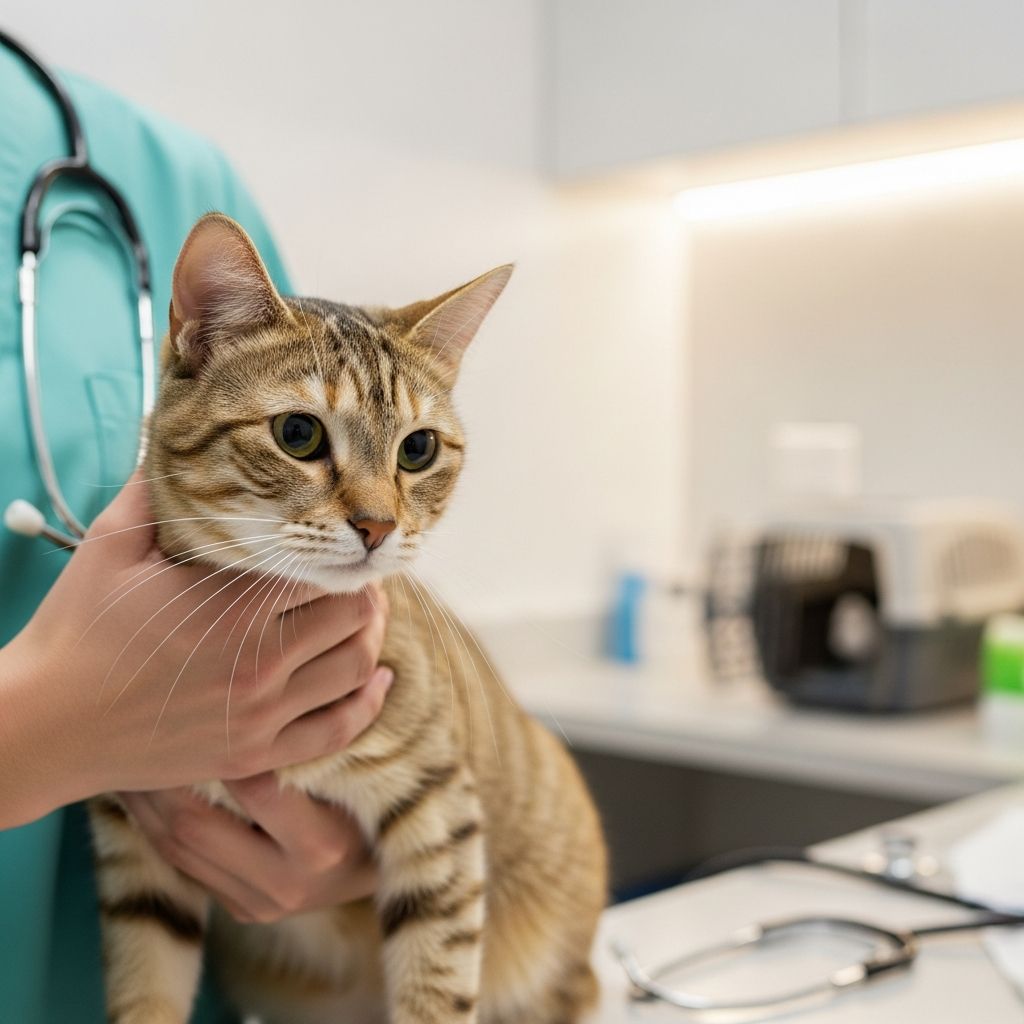
What to Expect When You Spay Your Cat
Spaying your cat is one of the most important health decisions you can make as a pet owner. This routine surgical procedure offers significant health and behavioral benefits while helping control the pet population. Understanding what to expect before, during, and after the surgery can help you feel confident and prepared for this important milestone in your cat’s life.
Understanding the Spay Procedure
Spaying, medically known as ovariohysterectomy, is a surgical procedure in which a veterinarian removes your cat’s ovaries and uterus. This is more invasive than neutering in male cats, as it requires abdominal surgery to access and remove internal reproductive organs. The procedure renders your female cat infertile and eliminates her heat cycles permanently.
During the surgery, your veterinarian will make a small incision in your cat’s lower abdomen. Through this opening, the ovaries and uterus are carefully removed. The incision is then closed with surgical stitches or dissolvable sutures. The entire procedure typically takes 20-40 minutes, depending on your cat’s age, size, and health status.
The Optimal Age for Spaying
Most veterinarians recommend spaying your cat between five and six months of age, ideally before the first heat cycle begins. Cats reach sexual maturity at approximately five months of age, making this the critical window for spaying. Research indicates that spaying at this optimal age provides the maximum health benefits while minimizing surgical risks.
For large breed cats such as Maine Coons and Ragdolls, veterinarians may recommend waiting until seven to eight months of age to allow for more complete physical development and to ensure they reach adequate surgical weight. Conversely, smaller breeds like Siamese and Devon Rex cats can often be safely spayed at the earlier end of the recommended window, around four to five months.
Early spaying, performed between four and five months of age, offers several advantages: it completely prevents the first heat cycle, significantly reduces mammary cancer risk, and allows for faster recovery due to your cat’s smaller body size. However, traditional timing between five and six months provides an ideal balance between surgical safety and health benefits, ensuring your cat has reached adequate maturity while still avoiding the first heat cycle.
Pre-Surgery Preparation
Proper preparation before your cat’s spay surgery is essential for ensuring a smooth procedure and safe recovery. Your veterinarian will provide specific pre-operative instructions that typically include the following guidelines.
Fasting Requirements
Your veterinarian will likely require you to withhold food for six to eight hours before surgery, typically the night before the scheduled procedure. This fasting is crucial because anesthesia can cause nausea, and an empty stomach reduces the risk of vomiting during or after surgery. Water is typically allowed up to a few hours before the appointment, but always follow your specific veterinarian’s instructions.
Pre-Operative Bloodwork
Many veterinarians recommend pre-operative bloodwork, especially for older cats or those with existing health conditions. These tests help identify any potential complications and allow your veterinarian to adjust anesthesia protocols if necessary. This screening ensures your cat is healthy enough for surgery and helps prevent complications.
Medication Review
Inform your veterinarian about any medications or supplements your cat is currently taking. Some medications may need to be adjusted or discontinued before surgery. Your veterinarian will provide specific instructions about which medications to give or withhold on the day of surgery.
Day of Surgery: What Happens
On the day of your cat’s spay surgery, you’ll typically drop her off at the veterinary clinic in the morning. Your veterinarian will perform a pre-operative physical examination to ensure your cat is healthy and ready for anesthesia. This examination includes checking vital signs such as heart rate, respiratory rate, and body temperature.
Your cat will receive pre-anesthetic medications to help her relax and reduce anxiety. Once she’s calm, the veterinarian will administer general anesthesia through an IV or injection. Monitoring equipment, such as an electrocardiogram (EKG) or pulse oximeter, will be attached to ensure your cat’s safety throughout the procedure and continuously track vital signs.
Once your cat is fully anesthetized and being monitored, a small area of the belly will be shaved and scrubbed clean with surgical soap. The veterinarian will make a small incision, typically in the lower abdomen, through which the ovaries and uterus are carefully located and removed. The blood vessels are carefully tied off to prevent bleeding, and the incision is closed with surgical stitches or dissolvable sutures.
Throughout the entire procedure, your cat remains under anesthesia. After the ovaries and uterus are completely removed and the incision is closed, your cat is slowly woken from anesthesia. The entire process typically takes 20-40 minutes, though your cat may spend several hours at the clinic for recovery and monitoring before you bring her home.
Safety and Success Rates
Spaying is a routine and safe procedure with a low complication rate. Studies have shown that spaying cats is highly effective and safe, with one study from a high-volume spay and neuter clinic noting that the survival rate for cat spays was 99.95%. This impressive safety record reflects advances in veterinary medicine, anesthesia protocols, and surgical techniques that make spaying one of the safest procedures performed on cats.
Complications are rare but can include infection, excessive bleeding, or reactions to anesthesia. Your veterinarian’s experience and the quality of pre-operative preparation significantly contribute to these excellent safety outcomes.
Post-Operative Recovery
Recovery from spaying typically takes 10-14 days for full healing, though your cat may appear recovered much sooner. The first 24-48 hours are the most critical, and your cat will likely be drowsy and may have some discomfort as the anesthesia wears off.
Immediate Post-Operative Care
When you bring your cat home, provide a quiet, comfortable space where she can rest undisturbed. Keep her in a low-traffic area away from other pets and children who might inadvertently disturb her incision. Your veterinarian will likely prescribe pain medication to keep your cat comfortable during the initial recovery period. Administer pain medication exactly as directed to help manage discomfort.
Monitor the incision site closely for signs of complications such as excessive redness, swelling, discharge, or if stitches appear to be opening. Some mild swelling and slight redness are normal, but significant changes warrant immediate veterinary attention.
Activity Restrictions
One of the most important aspects of post-operative care is limiting your cat’s activity. Excessive activity can stress the incision and delay healing. During the recovery period, prevent your cat from running, jumping, climbing stairs, or engaging in rough play. This restriction is challenging for active cats but is essential for proper healing. Consider confining your cat to a smaller space or keeping her indoors during recovery if she typically goes outside.
Incision Care
Keep the incision site clean and dry. Avoid bathing your cat or getting the incision wet until your veterinarian confirms it’s completely healed. If your cat has non-dissolvable stitches, they typically need to be removed 10-14 days after surgery. Your veterinarian will schedule a post-operative follow-up appointment for this removal and to assess overall healing. Some vets use dissolvable stitches that don’t require removal.
Feeding and Hydration
On the first evening after surgery, offer your cat a small amount of food and water. Her appetite may be decreased for the first day or two due to residual anesthesia effects. Once she’s back to normal appetite, resume her regular diet. Ensure fresh water is always available, as proper hydration aids recovery.
Managing Pain and Discomfort
Your veterinarian will provide pain medication to keep your cat comfortable during recovery. Pain management is crucial not only for your cat’s comfort but also because proper pain control promotes faster healing and reduces the risk of complications. Administer medications exactly as prescribed, typically for 7-10 days post-operatively.
Watch for signs that your cat is in pain, including excessive licking or biting at the incision, restlessness, loss of appetite, or reluctance to move. If you notice these signs or if you feel your cat needs additional pain relief, contact your veterinarian immediately. Many cats hide pain effectively, so close observation during the first week is important.
Health Benefits of Spaying
Spaying your cat provides numerous long-term health and behavioral benefits that make it one of the most beneficial health decisions you can make.
Reproductive Health
Spaying completely eliminates the risk of unwanted pregnancies. More importantly, it prevents pyometra, a serious and potentially fatal uterine infection. In unspayed cats, pyometra is a significant concern, but spayed cats have virtually zero risk of developing this condition since the uterus has been removed. This single benefit alone justifies the spaying procedure, as pyometra often requires emergency surgery and can be life-threatening.
Cancer Prevention
One of the most significant health benefits of spaying is cancer prevention. Studies show that cats spayed before six months of age have a 91% reduced risk for mammary cancer compared to intact cats. Mammary cancer is one of the most common cancers in female cats, making this protective effect particularly valuable. Spaying also eliminates ovarian and uterine cancers entirely.
Increased Lifespan
Research demonstrates that spayed cats live significantly longer than unspayed cats. Life expectancy of spayed cats was 39% greater than that of intact female cats. While multiple factors contribute to this longevity difference, including reduced risk of reproductive cancers and infections, the data clearly shows that spaying positively impacts your cat’s lifespan.
Behavioral Improvements
Spaying eliminates behavioral problems associated with heat cycles. Female cats in heat display distressing behaviors including excessive vocalization, urine spraying, restlessness, and attempts to escape to find mates. These behaviors can persist for several days every few weeks during breeding season. Spaying eliminates heat cycles entirely, resulting in a calmer, more content pet. Additionally, spaying reduces the risk for aggression and roaming behaviors.
Population Control Benefits
Beyond individual health benefits, spaying contributes to solving the pet overpopulation crisis. Each unspayed female cat can produce an average of 12 kittens per year, leading to exponential population growth. By spaying your cat, you’re helping control pet overpopulation and reduce the number of unwanted litters in shelters. Research suggests that if everyone who planned to spay their cats did so before the cat was five months of age, 87% of kitten births would be prevented, and “kitten season” in animal shelters might simply disappear.
Weight Management After Spaying
Some cats gain extra weight after being spayed. Spaying lowers your cat’s metabolic rate slightly and can reduce activity levels if outdoor access is restricted. To manage weight post-operatively, monitor your cat’s food intake and adjust portions if necessary. Encourage regular play and exercise once fully recovered. Most weight gain is preventable through proper diet and exercise management.
Cost Considerations
The cost of spaying typically ranges from $50 to $500, depending on your location, the clinic, and your cat’s age and health status. Many animal shelters and rescue organizations offer low-cost spaying and neutering programs to make this important procedure accessible to all cat owners. Your veterinarian can provide a specific cost estimate based on your individual cat’s needs.
Frequently Asked Questions
Q: What if my cat goes into heat before I can get her spayed?
A: While it’s not ideal, cats can be spayed during heat, though it carries increased risks of complications such as excessive blood loss, greater pain, and longer recovery times. Try to schedule surgery before the first heat cycle occurs.
Q: How long does my cat need to stay at the veterinary clinic?
A: Most cats can go home the same day after spaying. They’ll typically spend several hours at the clinic for recovery and monitoring before discharge, usually later that afternoon or early evening.
Q: Can I bathe my cat during recovery?
A: No, avoid bathing your cat or getting the incision wet until your veterinarian confirms it’s completely healed, typically 10-14 days after surgery. Moisture can introduce infection to the incision site.
Q: When can my cat return to normal activity?
A: Limit activity for 10-14 days post-operatively to allow proper healing. After this period and once your veterinarian confirms complete healing, your cat can gradually resume normal activities.
Q: Will spaying change my cat’s personality?
A: Spaying doesn’t change your cat’s fundamental personality. It eliminates heat-cycle behaviors like excessive vocalization and urine spraying, often resulting in a calmer, more pleasant cat.
Q: Is spaying safe for older cats?
A: While pre-operative bloodwork becomes more important for older cats, spaying can still be performed safely on older felines. Your veterinarian can assess your individual cat’s health and recommend appropriate precautions.
Conclusion
Spaying your cat is a significant health investment that protects against serious diseases, prevents unwanted pregnancies, and improves your cat’s overall quality of life. While the procedure requires proper preparation and careful post-operative care, the long-term benefits far outweigh any temporary inconvenience. By choosing to spay your cat at the optimal age and following proper recovery protocols, you’re providing your feline companion with the best chance for a healthy, happy, and longer life.
References
- Is There an Optimal Age for Cat Spay or Neuter? — Today’s Veterinary Practice. 2024. https://todaysveterinarypractice.com/preventive-medicine/optimal-age-spay-neuter-cat/
- When Should You Spay a Cat? – A Complete Guide to Feline Spaying — Vetcetera. 2024. https://www.vetcetera.com/preventative-medicine/when-should-you-spay-a-cat-a-complete-guide-to-feline-spaying/
- Cat Spay: Benefits, Cost, and How To Prepare Your Cat — PetMD. 2024. https://www.petmd.com/cat/procedure/cat-spay
Similar Articles








Read full bio of medha deb


