

Understanding Dog Neutering: A Complete Guide
Neutering, also known as castration, is one of the most common surgical procedures performed on male dogs. This surgical intervention involves the removal of the testicles and is typically recommended before a dog reaches sexual maturity, generally around 5 to 6 months of age. Whether you’re a first-time dog owner or considering this procedure for an adult dog, understanding what to expect can help you make an informed decision and ensure a smooth recovery for your pet.
What Is Neutering?
Neutering is a surgical procedure that removes a male dog’s testicles, effectively eliminating his ability to reproduce. The procedure is sometimes referred to as castration or “fixing” a pet. Unlike spaying, which is a more complex surgical procedure performed on female dogs, neutering is generally considered a less invasive operation. During the procedure, a veterinarian makes a small incision a few centimeters in front of the scrotum. The testicles are then located, gently pushed through the incision, and separated from the surrounding tissue and blood vessels. Once the blood vessels are properly tied off and checked for any bleeding, the surgical site is closed with sutures.
Why Neuter Your Dog?
There are numerous compelling reasons to consider neutering your male dog, ranging from health benefits to behavioral improvements and broader animal welfare considerations.
Health Benefits
One of the primary health advantages of neutering is the complete elimination of testicular cancer, a condition that can affect intact male dogs as they age. Additionally, neutering can help treat or prevent certain anal tumors and reduce the risk of prostate-related diseases, which become increasingly common in aging male dogs. These health benefits represent significant long-term advantages that can contribute to your dog’s overall quality of life and longevity.
Behavioral Improvements
Neutering significantly impacts behavior by reducing testosterone-driven behaviors that many owners find problematic. Male dogs that are neutered typically show decreased tendencies toward roaming or wandering away from home, reduced aggression toward other dogs, and decreased mounting behaviors. Research consistently demonstrates that intact males are more frequently referred for behavioral problems related to these testosterone-driven actions. For many owners, these behavioral changes alone make neutering worthwhile, as they result in a calmer, more manageable pet.
Population Control
Perhaps one of the most important reasons to neuter your dog is to help reduce pet overpopulation. By preventing unplanned litters, neutering plays a crucial role in reducing the number of unwanted dogs in shelters and the tragic consequences that follow. The widespread adoption of neutering practices has been remarkably effective—by 2020, the number of unwanted dogs euthanized annually in the United States had dropped by 97 percent from its peak in the early 1970s, largely due to increased neutering practices.
Pre-Surgery Preparation
Proper preparation before your dog’s neutering surgery is essential to ensure the procedure goes smoothly and recovery is uncomplicated.
Pre-Operative Examination
Before scheduling neutering surgery, your veterinarian will perform a thorough physical examination to ensure your dog is healthy enough for anesthesia. This examination typically includes checking your dog’s heart, lungs, and overall health status. Many veterinarians also recommend pre-operative bloodwork, particularly for older dogs or those with existing health conditions, to identify any potential complications before they arise.
Fasting Guidelines
Your veterinarian will likely recommend fasting your dog for 6 to 8 hours before surgery. This means no food or water after midnight the night before the procedure (or whatever specific time your vet recommends). Fasting is essential because it reduces the risk of vomiting during anesthesia, which could lead to aspiration pneumonia—a serious complication.
Medication Review
Inform your veterinarian about any medications or supplements your dog is currently taking. Some may need to be discontinued before surgery, while others can be continued as normal. Additionally, discuss any allergies your dog has, particularly to anesthetics or other medications.
The Neutering Procedure Explained
Understanding what happens during your dog’s neutering surgery can help ease any anxiety you might have about the procedure.
Anesthesia Administration
When you arrive at your veterinary clinic, your dog will first receive general anesthesia to ensure he remains unconscious and pain-free throughout the procedure. The anesthesia is typically administered intravenously (IV) after your dog has been sedated. Your veterinarian will monitor your dog’s vital signs—including heart rate, blood pressure, oxygen saturation, and body temperature—throughout the entire procedure to ensure his safety.
Surgical Process
Once your dog is fully anesthetized, the surgical area will be clipped and thoroughly cleaned with an antiseptic solution to prevent infection. The veterinarian makes a small incision, typically a few centimeters in front of the scrotum. Through this incision, each testicle is carefully located and gently pushed up through the opening. The veterinarian then identifies and isolates the blood vessels and spermatic cord attached to each testicle. These structures are carefully tied off with absorbable sutures or ligatures to prevent bleeding. The veterinarian double-checks the vessels for any signs of bleeding before gently returning the surgical site to its normal position.
Closure and Recovery
After both testicles have been removed, the surgical incision is closed with sutures. Some veterinarians use self-dissolving sutures that don’t require removal, while others use traditional sutures that must be removed about 10 to 14 days after surgery. The entire procedure typically takes 15 to 30 minutes, depending on your dog’s age, size, and the technique used by your veterinarian.
Post-Operative Care and Recovery
Proper post-operative care is crucial for ensuring a smooth recovery and preventing complications after your dog’s neutering surgery.
Immediate Recovery Period
Immediately after surgery, your dog will be moved to a recovery area where he’ll be monitored as the anesthesia wears off. Most dogs remain groggy and disoriented for several hours after the procedure. Your veterinarian will likely recommend keeping your dog in a quiet, warm space when you get home. Many dogs experience mild nausea from the anesthesia, so avoid offering food or water immediately after returning home. Wait at least 2 to 4 hours before offering small amounts of water, and wait until the next day before offering regular food.
Pain Management
Your veterinarian will typically send you home with pain medication to keep your dog comfortable during the initial recovery period. It’s important to follow the prescribed dosage instructions carefully, even if your dog seems to be feeling better. Pain management not only makes your dog more comfortable but also facilitates better healing by allowing him to rest properly.
Activity Restrictions
One of the most important aspects of post-operative care is restricting your dog’s activity. For at least 7 to 14 days after surgery, your dog should be kept on leash during bathroom breaks and should avoid running, jumping, or rough play. Excessive activity can reopen the incision or cause internal bleeding, so keeping your dog calm and rested is essential. Confining your dog to a small room or crate when you can’t supervise him can help prevent overly vigorous activity.
Incision Care
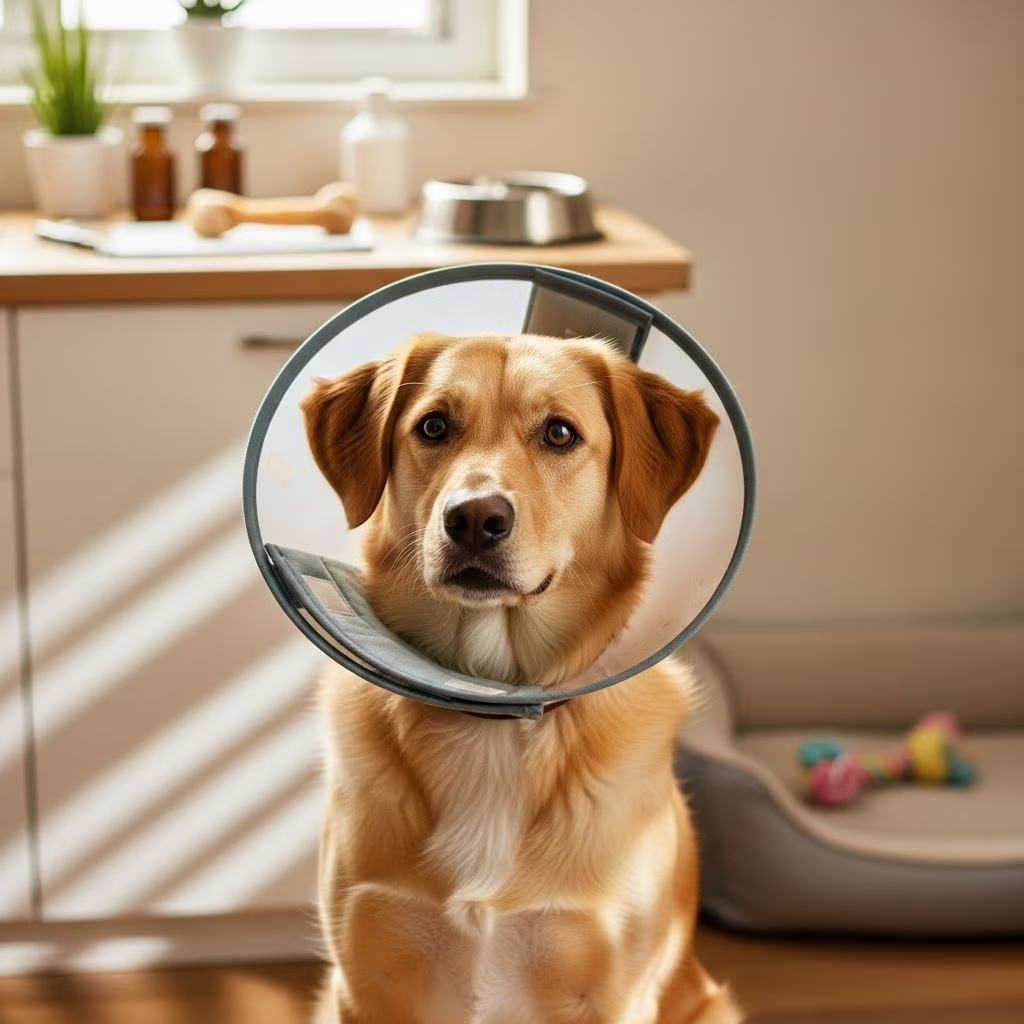
Keep the surgical site clean and dry. Avoid bathing your dog for at least 7 to 10 days after surgery, or until your veterinarian gives you the okay. Check the incision daily for signs of infection, including excessive redness, swelling, discharge, or foul odor. If your dog has non-dissolving sutures, they’ll need to be removed by your veterinarian about 10 to 14 days after surgery. Some dogs may be tempted to lick or chew at the incision site, so consider using a protective cone (Elizabethan collar) to prevent this behavior, which could lead to infection or reopening of the wound.
Potential Complications and When to Call Your Vet
While neutering is a routine procedure, it’s important to be aware of potential complications and know when to seek immediate veterinary attention.
Common Post-Operative Issues
Some mild swelling and bruising around the surgical site is normal during the first few days after surgery. However, significant swelling, warmth, or discharge may indicate infection. Excessive bleeding from the incision site, difficulty urinating, persistent vomiting, or lack of appetite beyond the first day should all warrant a call to your veterinarian. Additionally, if your dog becomes lethargic or depressed for more than a day or two, this could indicate a problem requiring professional attention.
When to Seek Emergency Care
Contact your veterinarian immediately if your dog shows signs of severe bleeding that won’t stop, has difficulty breathing, shows signs of severe pain that isn’t controlled by medication, or develops signs of shock such as pale gums, rapid heartbeat, or unresponsiveness.
Long-Term Health Considerations
While neutering provides significant health benefits, recent research has highlighted some important considerations regarding the timing of the procedure.
Age-Related Health Risks
Recent studies have shown that early neutering may increase the risk of certain health conditions in some dog breeds, particularly joint disorders and certain types of cancer. The timing of neutering can influence these risks, with breed-specific guidelines now recommended by many veterinarians. For many breeds, delaying neutering until after the dog reaches skeletal maturity—often beyond 12 to 24 months of age—may reduce the risk of certain health complications associated with the removal of sex hormones. It’s important to discuss breed-specific neutering guidelines with your veterinarian to determine the optimal timing for your individual dog.
Nutritional Considerations
Neutered dogs often experience a decrease in metabolic rate, which can lead to weight gain if diet isn’t adjusted accordingly. After neutering, your dog may require fewer calories, so speak with your veterinarian about appropriate portion sizes and dietary adjustments. Maintaining a healthy weight is crucial for preventing obesity-related health problems in neutered dogs.
Frequently Asked Questions
Q: At what age should I neuter my dog?
A: The ideal age for neutering depends on your dog’s breed and individual health profile. While traditional recommendations suggest neutering around 5 to 6 months of age, recent research indicates that waiting until skeletal maturity (12 to 24 months for some breeds) may reduce certain health risks. Discuss the best timing with your veterinarian.
Q: How long does the neutering procedure take?
A: The actual surgical procedure typically takes 15 to 30 minutes, though you should plan for several hours at the veterinary clinic to account for pre-operative preparation, anesthesia, and initial post-operative recovery.
Q: Will my dog’s personality change after neutering?
A: Neutering primarily affects testosterone-driven behaviors such as aggression, roaming, and marking. Most dogs maintain their basic personality and temperament. Many owners find their neutered dogs are calmer and easier to manage.
Q: How long is the recovery period?
A: Full recovery typically takes 10 to 14 days. Most dogs can resume normal activities within a few weeks, though activity should be restricted for at least the first week to two weeks following surgery.
Q: Will my dog gain weight after neutering?
A: Neutered dogs may be more prone to weight gain due to decreased metabolism and increased appetite. This can be managed through appropriate portion control, regular exercise, and a balanced diet recommended by your veterinarian.
Q: What are the risks of neutering?
A: While neutering is generally safe, potential risks include bleeding, infection, and reaction to anesthesia. Recent research also suggests that timing of neutering in certain breeds may be associated with increased risks of joint disorders and some cancers, though benefits generally outweigh these risks.
References
- Neutering for Dogs and Cats — Vetstreet. https://www.vetstreet.com/care/neutering-for-dogs-and-cats
- Is neutering dogs doing more harm than good? — Veterinary Practice. https://www.veterinary-practice.com/article/is-neutering-dogs-doing-more-harm-than-good
- Assisting Decision-Making on Age of Neutering for 35 Breeds of Dogs — Frontiers in Veterinary Science, 2020. https://www.frontiersin.org/journals/veterinary-science/articles/10.3389/fvets.2020.00388/full
- Spaying or Neutering Your Pet — Vetstreet. https://www.vetstreet.com/care/spaying-or-neutering-your-pet
- Dog Neuter, Yes or No? A Summary of the Motivations, Benefits, and Risks — National Center for Biotechnology Information, 2024. https://pmc.ncbi.nlm.nih.gov/articles/PMC11987765/
- When to Spay and Neuter: One Vet’s Opinion — Vetstreet. https://www.vetstreet.com/our-pet-experts/when-to-spay-and-neuter-one-vets-opinion
- Neutering in dogs and cats: current scientific evidence and importance of adequate nutritional management — Cambridge University Press, Nutrition Research Reviews. https://www.cambridge.org/core/journals/nutrition-research-reviews/article/neutering-in-dogs-and-cats-current-scientific-evidence-and-importance-of-adequate-nutritional-management/EE9069F2CF1060CB2D5D65460BA8E8E1



